
Views: 222 Author: Edvo Publish Time: 2026-01-02 Origin: Site


Content Menu
● Understanding Orthotics and Their Main Purpose
● The Function of Original Insoles
● Should You Remove the Original Insoles When Using Orthotics?
>> Maintaining Stability and Support Function
>> Optimizing Posture and Biomechanical Performance
● When You Might Keep the Original Insoles
>> Thin Orthotics Designed for Layering
>> Shoes With Non-Removable Insoles
>> Medical Cushioning Requirements
>> Temporary Use or Limited Duration
● Step-by-Step: Replacing Insoles With Orthotics
● Material Considerations: Why Thickness Matters
● Real-World Examples: When Fit Makes the Difference
● Professional Guidance for Maximum Comfort
● Why Orthotics Improve Life Quality
● OEM Orthotic Manufacturing and Custom Services
● The Future of Orthotic Technology
● FAQs About Orthotic and Insole Use
>> 1. Can I wear orthotics in any type of shoe?
>> 2. How long do orthotics typically last?
>> 3. Are off-the-shelf orthotics as effective as custom ones?
>> 4. How should I maintain and clean my orthotics?
>> 5. What signs indicate I should replace my orthotics?
When it comes to comfort, posture, and long-term foot health, few components are more important than what lies inside your shoes. Whether you are an athlete, a worker on your feet all day, or someone seeking maximum comfort in daily walking, the question often arises: Do you remove the original insoles when using orthotics?
This might seem like a simple footwear adjustment, but it impacts how effectively your orthotic devices perform. As a leading OEM insole and orthotic manufacturer in China, we collaborate with international footwear brands, sports equipment suppliers, and health product distributors. Through years of production and biomechanical testing, we've gathered professional insights to guide consumers, retailers, and orthopedic specialists on the proper way to use orthotic insoles.
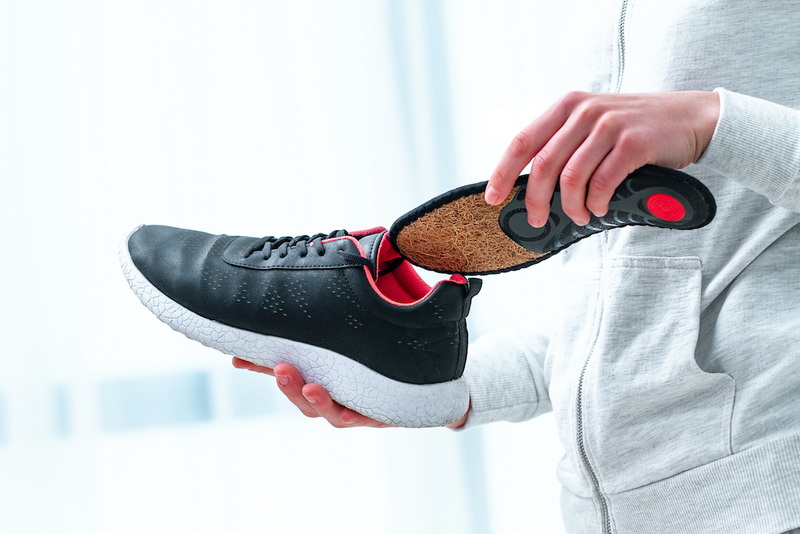
Before deciding whether to remove the existing insole, it's essential to understand what orthotics actually do. Orthotics are specially engineered inserts designed to correct poor foot posture and enhance biomechanical efficiency. Unlike foam cushioning insoles, which primarily provide comfort, true orthotics change how your foot interacts with the ground.
Orthotics typically support the arch, heel, and forefoot, redistributing pressure throughout the foot. This helps with:
- Overpronation or supination correction.
- Improved balance and body alignment.
- Relief from conditions such as plantar fasciitis and heel spurs.
- Reducing knee and lower back strain caused by foot misalignment.
- Enhancing comfort during prolonged standing, walking, or training.
By controlling how force and weight are distributed, orthotics support both stability and comfort, allowing the body to maintain a healthy posture from the ground up.
Original or “stock” insoles are mass-produced components included inside most shoes. Shoe designers typically add them for softness, moisture absorption, and baseline comfort. However, these insoles are made for average users—they are not biomechanically customized.
The typical features of original insoles include:
- A flat, soft foam or fabric layer.
- Basic arch support or neutral contour.
- Lightweight material for general cushioning.
While these serve casual users well, they do not offer corrective action for posture or medical conditions. Therefore, when orthotics come into play, the original insole may interfere with proper fitting or alignment.
The most practical answer is yes, you should remove the original insoles in most cases before inserting orthotics. This ensures the orthotic sits securely and functions correctly.
Let's explore why this rule generally applies across footwear categories.
Orthotics are thicker and firmer than standard foam insoles because they are designed for structural support. When both inserts occupy the shoe simultaneously, they reduce interior space and create tightness. A snug shoe compresses your toes and reduces natural foot movement, which can lead to blisters or even worsen certain foot problems.
Removing the original insole gives the orthotic enough depth and width to seat properly. This allows your foot to rest naturally without added pressure.
Orthotics must rest flat against the shoe's base for them to guide foot movement correctly. If you place them on top of the original insole, even a slight unevenness can cause rocking or slippage inside the shoe. As a result, the orthotic loses its corrective capacity and may even introduce new misalignments.
By removing the original insole, you guarantee that the orthotic covers the midsole evenly and stabilizes your arch precisely as designed.
Each orthotic is calibrated to adjust your foot's angle relative to your leg and hip alignment. If the orthotic sits too high—because of an existing insole beneath—it changes that angle, compromising function. In athletic gear, that can reduce stride efficiency; in occupational shoes, it may cause fatigue by altering gait dynamics.
Removing unnecessary layers ensures that the orthotic maintains its original angle and direct contact with your foot structure.
While it is usually best to remove the stock insoles, there are a few exceptions where keeping them makes sense.
Some orthotics, especially flat arch supports or forefoot pads, are meant to complement existing insoles instead of replacing them. They add a targeted layer of support without affecting shoe fit.
Certain shoes, such as lightweight running models or lifestyle sneakers, feature glued-in or stitched insoles. Removing them may damage the inner lining or compromise shoe durability. In this situation, use slimmer orthotics or consult a shoemaker or podiatrist for adjustment tips.
For people recovering from foot injuries or dealing with diabetic foot conditions, a soft buffer layer can reduce pressure points. In such cases, the original insole may remain under the orthotic for shock absorption while ensuring that corrective features still sit near the foot curve.
If you plan to wear orthotics only for part of the day—such as during workouts or work shifts—it's sometimes acceptable to place them over the stock insoles for short-term use. However, daily long-term wear should follow the proper fitting process.
A proper replacement process ensures comfort and optimal performance:
1. Remove existing insoles gently. Loosen the edges and lift evenly from heel to toe.
2. Check the shoe's midsole bed. Wipe away dust, glue residue, or old padding.
3. Align the orthotic so that the heel fits snugly into the back cup of the shoe.
4. Press down evenly to make sure the orthotic sits flat and secure.
5. Test the fit by walking indoors for several minutes.
If you feel tightness or foot pain, consider trimming only the toe edge of the orthotic slightly—but never alter the arch or heel structure.
Orthotics come in various densities and materials, all affecting whether the original insole should stay or go.
- EVA (Ethylene Vinyl Acetate): Lightweight and cushioning; can layer with flat insoles occasionally.
- TPU or Carbon Fiber: Firm and structurally rigid; require removal of original insoles for proper placement.
- PU Foam: Balances flexibility with strength, making it suitable for versatile shoe types.
- Latex or Gel Inserts: Designed primarily for comfort—often used alongside existing insoles in casual footwear.
Choosing the right orthotic depends not only on foot condition but also on the design of the shoe interior and occupational demands of the wearer.
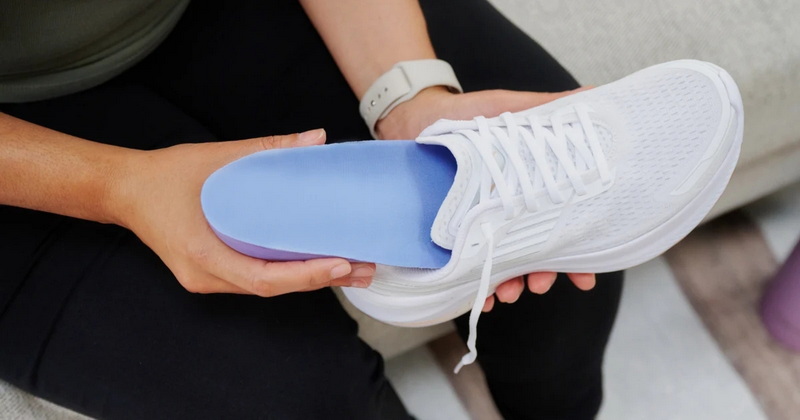
Imagine two individuals purchasing the same pair of work boots. One leaves the factory insole inside and places a rigid medical orthotic on top. The shoe feels cramped, causing arch irritation after two hours. The other removes the original insole, allowing the orthotic to fit flush, resulting in comfort all day. The difference lies not in the orthotic quality but in how it was used.
Similarly, for athletes—especially runners—stacking layers can alter foot elevation within the shoe, changing heel alignment and stride rhythm. Precision is key, and even a few millimeters make a significant difference during repetitive motions such as running, cycling, or hiking.
As a professional manufacturer working with international orthotic brands, we emphasize a few expert recommendations:
- Fit before wear. Always try the shoe with orthotics while standing to evaluate pressure balance.
- Replace old orthotics regularly. Material fatigue reduces their support effectiveness.
- Choose shoes with removable insoles. This design enhances compatibility with orthotics.
- Avoid improper trimming. Shortening or reshaping orthotics can destroy key biomechanical zones.
- Coordinate orthotics with sock types. Thick socks with rigid orthotics reduce internal space; thinner technical socks usually pair better.
Retailers can also guide customers by indicating which shoe series accept orthotics easily, improving end-user satisfaction and lowering return rates.
Properly fitted orthotics deliver both medical benefits and lifestyle comfort. Many users experience transformations such as:
- Reduced fatigue after long hours of standing.
- Improved posture due to better spinal alignment.
- Diminished pain in knees, hips, and lower back.
- More efficient athletic performance through optimal foot control.
- Lower risk of calluses, blisters, and tendon strain.
These advantages illustrate why orthotics are no longer limited to medical use. Today, professionals in food service, logistics, healthcare, and sports all rely on orthotic solutions for better endurance and well-being.
As a Chinese OEM manufacturer, we serve footwear industry brands worldwide by providing custom orthotic solutions tailored to consumer needs. Our expertise spans:
- Foot scanning and biomechanical data modeling.
- CNC and 3D mold development for accurate orthotic stiffness profiles.
- Eco-friendly and recyclable material options for sustainable production.
- Branding, labeling, and retail packaging customization.
- Bulk production for B2B partnerships with strict quality controls.
Our continuous commitment is to create orthotic systems that merge function, comfort, and innovation—ensuring every pair matches the manufacturer's design vision and user expectations.
As global awareness of foot health grows, the orthotic market continues to evolve rapidly. Innovative technologies now allow integration of smart sensors and shock-responsive materials, helping monitor gait pressure and comfort in real time. Future insoles may adjust stiffness automatically based on the wearer's activity level.
For OEM clients and global footwear brands, this trend represents major opportunities. By combining orthopedic science with advanced materials such as graphene, TPU honeycomb, or microcell elastomers, tomorrow's orthotics will deliver adaptive support and personalized comfort never before attainable in traditional designs.
So, do you remove the original insoles when using orthotics? Generally, yes—you should. Removing the factory insole ensures appropriate shoe volume, proper alignment, and stable support, allowing your orthotic device to function exactly as intended. However, special cases—such as non-removable insoles, medical needs, or ultra-thin inserts—may permit both to coexist if comfort and fit remain unaffected.
Whether you're a brand designing footwear, a retailer guiding customers, or an individual improving daily comfort, the principle remains the same: an orthotic works best when optimally positioned within the shoe. Always aim for balance between space, stability, and support.
At our manufacturing facilities, we help clients worldwide produce orthotics that combine scientific precision with custom branding capabilities—making every step healthier, stronger, and more comfortable.
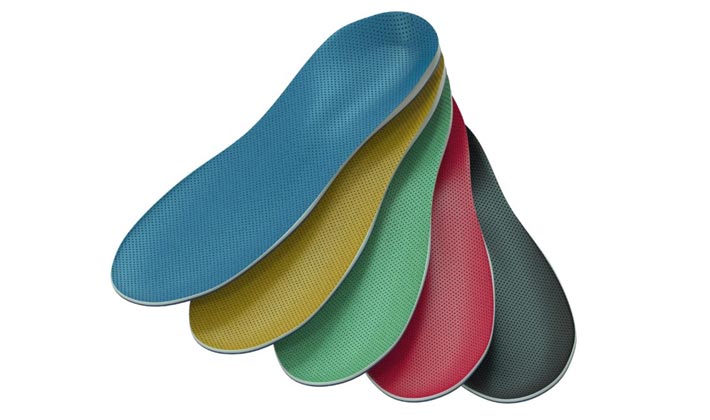
Most orthotics fit best in athletic or walking shoes with removable insoles. For high heels, dress shoes, or open sandals, specialized low-profile orthotics are recommended.
With regular daily wear, high-quality orthotics last between one and two years depending on the material, weight, and activity level of the user.
Prefabricated orthotics suit general comfort needs, but custom orthotics designed based on individual foot scans provide maximum biomechanical correction and longevity.
Wipe them with mild soap and lukewarm water. Dry them naturally without sunlight or heat to prevent material deformation.
If you notice flattening, creasing, worn edges, or renewed pain in the feet or knees, it's time to replace them to maintain proper support and balance.


