
Views: 222 Author: Edvo Publish Time: 2025-12-12 Origin: Site


Content Menu
● Should You Remove Insoles Before Washing Shoes?
● Why Removing Insoles Matters
● Recommended Way to Wash Insoles
● How to Wash Shoes When Insoles Are Removed
● Best Practices for Different Shoe Types
● How Often Should You Clean Insoles?
● Extra Tips to Keep Insoles Fresh Longer
● How Washing Habits Affect Shoe Lifespan
● OEM Insoles and Why Care Instructions Matter
● Step‑by‑Step Routine: From Dirty Shoes to Fresh Insoles
● Washing With Insoles In vs. Removed
>> 1.Do you always have to remove the insole before washing shoes?
>> 2.Can insoles be washed in a machine?
>> 3.How long does it take insoles to dry after washing?
>> 4. What if my shoes have non‑removable insoles?
>> 5. When should insoles be replaced instead of just cleaned?
Washing shoes correctly is essential if you want them to stay fresh, comfortable, and durable, and the shoe insole plays a key role in that process. Most footwear care experts recommend removing the insole before cleaning so that both the shoe and the footbed can be washed and dried effectively. This simple step helps protect materials from damage, reduces odor, and keeps the fit more stable over time.
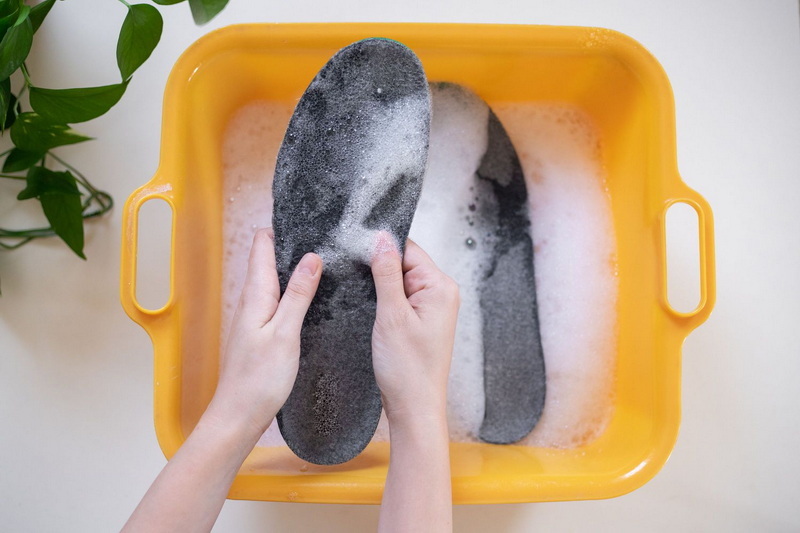
Removing the insole before washing is generally the safest and most hygienic approach. Care professionals commonly advise taking out the insole and cleaning it separately to avoid distortion, trapped moisture, and ineffective cleaning. When the footbed is washed on its own, it can be treated more gently, which helps preserve cushioning, support, and overall comfort.
Leaving the insole inside during a wash can cause odor issues and shorten product life. Moisture and detergent can become trapped under the footbed, encouraging bacteria growth and gradually weakening adhesives and foams.
Proper care of the insole directly impacts comfort, freshness, and the lifespan of the whole shoe. Cleaning the footbed separately allows you to target sweat, skin cells, and odor‑causing bacteria that build up exactly where the foot presses most. This deeper hygiene helps keep favorite pairs usable for longer and improves the overall wearing experience.
There is also a structural reason to separate shoe and insole during washing. Many performance and comfort footbeds are made from foams, gels, and fabrics that can warp or break down in harsh wash cycles, especially when squeezed tightly inside the upper. Treating these parts individually makes it easier to keep both in good shape.
Most specialist guides recommend hand washing rather than machine washing for insoles. A typical routine uses lukewarm water, a mild soap or gentle detergent, and a soft brush or cloth to remove sweat, dirt, and light stains from both sides of the footbed. After cleaning, the insole should be rinsed thoroughly, pressed to remove excess water, and left to air dry in a well‑ventilated place away from direct heat.
Some products are robust enough for delicate machine cycles, but that should only be done when instructions clearly say it is safe. In those cases, the insole is usually placed in a laundry bag, washed on a gentle setting with cool water, and then air dried completely. If care information is missing or unclear, a soft hand wash is the safer choice.
Once the insole is out, the shoe itself can be washed more efficiently. Loose dirt can be brushed away, laces removed, and the upper cleaned either by hand or, if suitable, on a delicate machine cycle with mild detergent. Without the footbed taking up space inside, water and cleaning solution can reach the lining and interior more easily.
Drying is just as important as the wash stage. Footwear should be dried slowly in a well‑ventilated area, away from direct heat sources that can damage adhesives and synthetic components. The insole should only be returned once both parts are completely dry to the touch, which helps prevent odor and mold.
Several recurring mistakes can reduce comfort and shorten the life of both shoes and insoles. One frequent issue is putting the entire pair, including the insole, through a strong wash cycle, which can cause warping, delamination, and permanent changes in fit. Another is exposing the insole or upper to high heat during drying, which can soften glues and distort materials.
Ignoring drying time can be just as problematic. Wearing footwear again while the interior is still damp gives bacteria the perfect environment to grow and can lead to persistent odor that is hard to remove. To avoid this, it is better to clean shoes when there is enough time for natural drying and to rotate between multiple pairs during the drying period.
Different materials require slightly different care, but the general rule of taking the insole out still applies to most designs that allow it. Mesh and synthetic uppers often tolerate gentle hand washing or a delicate machine cycle, as long as the insole and laces are removed first. Leather, suede, and other premium materials are usually cleaned on the surface rather than soaked, with the insole cleaned separately.
For performance running footwear, aggressive machine cycles are usually discouraged to protect cushioning and bonded overlays. A basic routine of dry brushing, wiping with a mild cleaning solution, and cool water followed by slow air drying with the insole removed tends to work best. This keeps both the midsole and the insole closer to their original feel.
The ideal cleaning frequency depends on use, activity level, and climate, but regular maintenance is more effective than occasional deep cleaning. Insoles benefit from a refresh whenever shoes develop noticeable odor or after periods of intense activity, high temperatures, or long daily wear. This routine keeps bacteria under control and helps the footbed stay supportive and pleasant.
Over time, even a well‑maintained insole will compress and break down. Replacement becomes a better option when the footbed feels flat, remains smelly after cleaning, or shows visible damage. For manufacturers that supply replacement insoles, this is also a chance to offer upgraded cushioning or specific support designs.
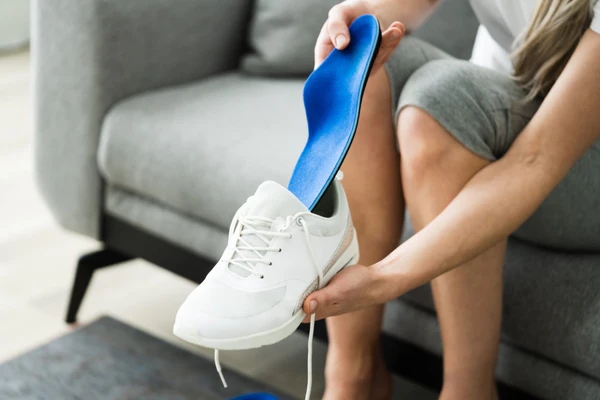
There are several simple habits that can keep insoles fresh between washes. Allowing footwear to air out after use, rather than storing it immediately in closed spaces, helps moisture evaporate faster and reduces odor. Rotating between multiple pairs so that each one has time to dry naturally is another highly effective habit.
Using breathable socks and changing them regularly also makes a noticeable difference. When feet stay drier, the insole absorbs less sweat and bacteria, meaning it needs less frequent intensive cleaning. Occasional use of gentle deodorizing sprays or natural odor absorbers can provide extra freshness without replacing proper washing.
The way footwear is washed has a direct impact on how long it lasts. Overly aggressive cleaning, harsh chemicals, and high heat accelerate wear on foams, fabrics, glues, and rubber. By contrast, gentle washing with the insole removed, careful rinsing, and slow air drying help preserve both the structure and the comfort of the shoe.
A good rule is to treat footwear more like technical equipment than disposable items. When users follow calm, methodical routines that prioritize protective care, they tend to keep shoes in service for much longer periods. This is beneficial not only for comfort and cost control but also for reducing waste.
For brands, wholesalers, and manufacturers working with original equipment insoles, care guidance is part of product value. Clear recommendations on how to remove, wash, and dry insoles help end users keep the product in good condition and maintain performance. When those instructions emphasize removal before washing, it helps reduce warranty issues linked to deformation or odor.
Manufacturers that specialize in insoles for international partners can tailor materials and designs to match typical care habits in different markets. For example, some regions may rely more on hand washing, while others favor machine cycles. Designing removable, washable insoles and describing the correct cleaning steps gives brands a simple way to improve customer satisfaction and reduce returns.
A straightforward routine makes it easier for consumers to care for both shoes and insoles consistently. First, the insole should be removed gently, checking whether it is fully removable or partially attached. Next, loose dirt and dust can be brushed from both the insole and the footwear.
The insole can then be washed with mild soap and water, using a soft brush or cloth to focus on areas that receive the most pressure from the foot. After rinsing, it should be pressed carefully to remove excess water and laid out in a ventilated place to dry. While the insole dries, the shoe upper and lining can be cleaned using suitable methods for the specific material.
Once both insole and shoe are completely dry, the footbed can be placed back inside. A quick check that the insole lies flat and does not curl or bunch ensures that the fit will feel comfortable. Taking a moment to inspect for early signs of wear also helps users decide whether further cleaning or eventual replacement is needed.
| Aspect | Insoles Left Inside During Wash | Insoles Removed Before Wash |
|---|---|---|
| Cleaning depth | Interior harder to reach and more residue and odor risk. | Upper and footbed both cleaned more thoroughly. |
| Risk of damage | Higher chance of warping and glue failure. | Lower risk due to gentler handling of each part. |
| Drying time | Moisture can stay trapped under the footbed. | Faster, more even drying of both shoe and insole. |
| Odor control | Bacteria may survive in hidden, damp areas. | Better odor reduction through targeted cleaning. |
| Fit and comfort | Shape can change if parts warp while wet. | Shape and cushioning are easier to preserve. |
For most modern footwear with a removable footbed, taking the insole out before washing is the best way to protect comfort, freshness, and structure. Cleaning the shoe and the insole as separate components allows for deeper hygiene, gentler handling, and more reliable drying, which together can significantly extend the useful life of the product. By adopting a simple routine of removal, hand washing, careful drying, and occasional replacement, wearers can keep their favorite pairs in better condition and enjoy a more pleasant experience day after day.
For brands and professional buyers, specifying removable, washable insoles and clear care instructions also brings benefits. It reduces complaints about odor or deformation, supports long‑term comfort, and strengthens trust in the product. Whether the goal is personal comfort or professional quality control, the same principle holds: remove the insole, clean with care, and let every component dry completely before use.

In most cases, the insole should be removed whenever possible before washing, because this protects delicate cushioning materials from mechanical stress and excessive moisture. If the footbed is permanently attached or non‑removable, it should be cleaned in place with a lightly damp cloth or appropriate cleaner rather than soaking the entire shoe.
Some durable synthetic insoles can tolerate a gentle machine cycle, but that should only be done when the manufacturer clearly confirms it. If there is no clear care label, a mild hand wash with soapy water and a soft brush is the safer option and reduces the risk of warping or early breakdown.
Drying time depends on material thickness, humidity, and air movement, but insoles usually need an extended period of natural air drying. They should never be forced in a dryer or placed directly on heaters, and they should only be reinserted once completely dry to the touch.
When the footbed is permanently fixed, the cleaning process should focus on controlled surface care rather than immersion. A small amount of gentle detergent or suitable cleaning solution can be applied with a cloth, followed by thorough air drying, to remove sweat and odor without soaking the midsole or upper.
Replacement is the better choice when the insole remains smelly after cleaning, feels flat and unsupportive, or shows cracks, peeling, or severe wear. Regular inspection after cleaning helps users notice these signs early and maintain consistent comfort and hygiene by upgrading to a fresh pair when needed.


