
Language
Views: 222 Author: Edvo Publish Time: 2025-11-07 Origin: Site


Content Menu
● What Are Heated Socks and Heated Insoles?
>> Heated Socks
● Key Differences: Heated Socks vs Heated Insoles
>> Battery Life and Convenience
● Control Methods and Adjustability
● Moisture Management and Breathability
● Versatility and Scenarios of Use
● Price and Cost Effectiveness
● OEM and Private Label Opportunities
>> For Sports and Outdoor Activities
● Practical Tips for Choosing Heated Socks and Insoles
● FAQ
>> 1. Are heated socks safer than heated insoles?
>> 2. Which has the longest battery life?
>> 3. Can heated socks and insoles help with medical problems?
>> 4. What is the best way to clean each product?
>> 5. Can these products be customized for brands and wholesalers?
Heated footwear solutions have become indispensable for those venturing into cold environments, whether for work, sports, or daily comfort. Two main contenders dominate this space: heated socks and heated insoles. Both offer advanced technology, but their effectiveness depends on personal needs, intended activities, and footwear compatibility. For global buyers, premium heated socks and insoles offer not only warmth but the chance to differentiate their product portfolios and enhance user safety.

Heated socks are specialized garments embedded with heating wires and powered by rechargeable batteries. Modern designs provide extensive heat coverage around the whole foot—particularly the toes and sometimes extending up the calf. The battery pack is usually discreetly positioned at the sock cuff, allowing easy access for charging and control.
Heated insoles are battery-operated inserts that fit inside shoes or boots, focusing warmth directly under the soles. Premium insoles feature long-lasting batteries, ergonomic design, and integrated remote controls or app connectivity. They target the toe and forefoot area to alleviate discomfort from cold, particularly in winter sports or for those engaged in outdoor work.
Heated socks stand out for all-around warmth, covering toes, instep, and ankles. This design is ideal for extremely cold climates or users with poor circulation. Heat is dispersed evenly on both top and bottom of the foot, making them effective for preventing numbness.
Heated insoles provide focused warmth directly to the soles and toes, keeping feet comfortable but sometimes leaving the tops and sides of the foot cooler. Insoles work well for users whose main concern is cold underfoot, such as standing or walking on snow and ice for extended periods.
Heated socks resemble regular winter socks, offering cozy insulation and seamless integration with most footwear. Their snug fit makes them perfect for use with boots, ski gear, and snow shoes.
Heated insoles vary in thickness and may slightly alter shoe fit, especially if the shoes are already tight. However, being removable and adjustable, insoles preserve sock preference and can be switched between multiple footwear types throughout the day.
Heated insoles generally have larger batteries, supporting longer heating times (usually 6-17 hours) and wireless controls for on-the-go temperature adjustments.
Heated socks feature smaller and lighter batteries (generally 6-11 hours runtime), which can be easier to charge or swap between sock pairs but may require more frequent charging for continuous use.
Modern heated insoles offer sophisticated wireless remote control or smartphone connectivity for adjusting temperature settings without removing shoes. This suits users who require precision and convenience in diverse environments.
Heated socks typically offer manual controls on the battery, most often positioned at the sock cuff, but newer models are starting to feature remote and app-based controls as well.
Heated insoles are protected inside shoes, minimizing exposure to wear and washing. They're made from resilient, antibacterial materials and require only surface cleaning.
Heated socks must withstand regular washing. High-quality models made from durable, moisture-wicking fabrics deliver better longevity, but care must be taken to follow washing instructions to avoid damaging heating wires.
Advanced heated socks leverage technical fabrics that wick moisture away and maintain breathability, keeping feet dry and reducing odor during prolonged wear.
Heated insoles, while less effective at managing sweat, benefit from placement between the sock and shoe, so the chosen sock does the bulk of sweat management. It's important that footwear itself offers adequate ventilation.
Heated insoles are highly versatile due to their ability to be transferred from one shoe to another, accommodating those who rotate between different footwear in various situations.
Heated socks are ideal for those seeking flexibility and immediate warmth, with the added benefit of being functional even indoors or in tents without shoes on.
Heated insoles usually come with a higher price tag due to their advanced controls and battery life, but they offer durability and long-term value, especially for active users who demand daily performance.
Heated socks provide a lower entry price and are available in a vast range of styles, lengths, and materials, making them a cost-effective option for everyday use and broad OEM customization.
Both heated socks and heated insoles are designed with built-in safety features to regulate temperature and prevent overheating. Heated insoles may offer greater margin for safety since their heating element is not in direct contact with the skin, reducing the risk of burns.
Heated socks must be manufactured with care to ensure even heat dispersion and safe operation, adhering to international certification standards like CE, FCC, and RoHS.
User testimonials and reviews highlight strengths and weaknesses for both:
- Heated socks receive praise for their quick all-around warmth and comfort, but users flag sizing and maintenance concerns.
- Heated insoles win points for discreet fit, remote adjustability, and battery performance, but occasionally cause discomfort in tighter shoes for some reviewers.
Field tests consistently show that both deliver reliable heat, but the experience will depend on individual physical needs, preferred activities, and the specific product model chosen.
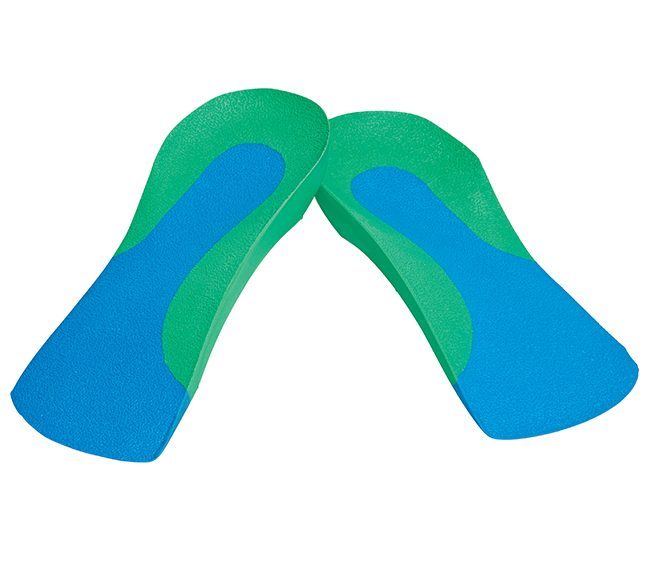
As demand grows for seasonal footwear technology, international importers and brands need to consider not only end-user needs but also OEM customization capabilities. Manufacturers in China have responded with extensive options in heated sock and insole products, including customizable branding, packaging, battery designs, heat levels, and connectivity options.
Working with experienced OEM partners ensures compliance with international safety standards, improved user documentation, and minimized aftersales issues.
Heated socks excel in outdoor sports such as skiing, snowboarding, and hiking, providing warmth even when stationary for long periods. Their flexibility and moisture management use are optimal for extreme environments.
Heated insoles are favored for hunting, fishing, and outdoor work, thanks to their extended battery life and ability to fit inside durable, insulated boots for all-day use.
Both products assist individuals with conditions like Raynaud's Disease, diabetes-related neuropathy, and circulation challenges. Comprehensive foot warmth improves comfort, mobility, and quality of life during winter.
- Assess battery capacity and recharge time, especially for all-day outdoor activities.
- Consider heat distribution and the specific part of the foot affected by cold.
- Evaluate ease of maintenance: choose socks that are machine washable or require minimal special care; with insoles, check for antibacterial and odor-reducing features.
- Review control options—remote control or mobile app—for added convenience.
- Inspect warranty, durability, and certifications to ensure long-term safety and user satisfaction.
The choice between heated socks and heated insoles depends on individual priorities. Heated socks deliver all-surround warmth, flexible use, and straightforward maintenance, making them highly effective for daily life and diverse winter activities. Heated insoles stand out for user control, battery performance, and durability, especially suited to demanding outdoor environments. Both technologies offer innovative solutions for OEM buyers and consumers worldwide, empowering everyone to stay comfortable and active in even the harshest cold conditions.
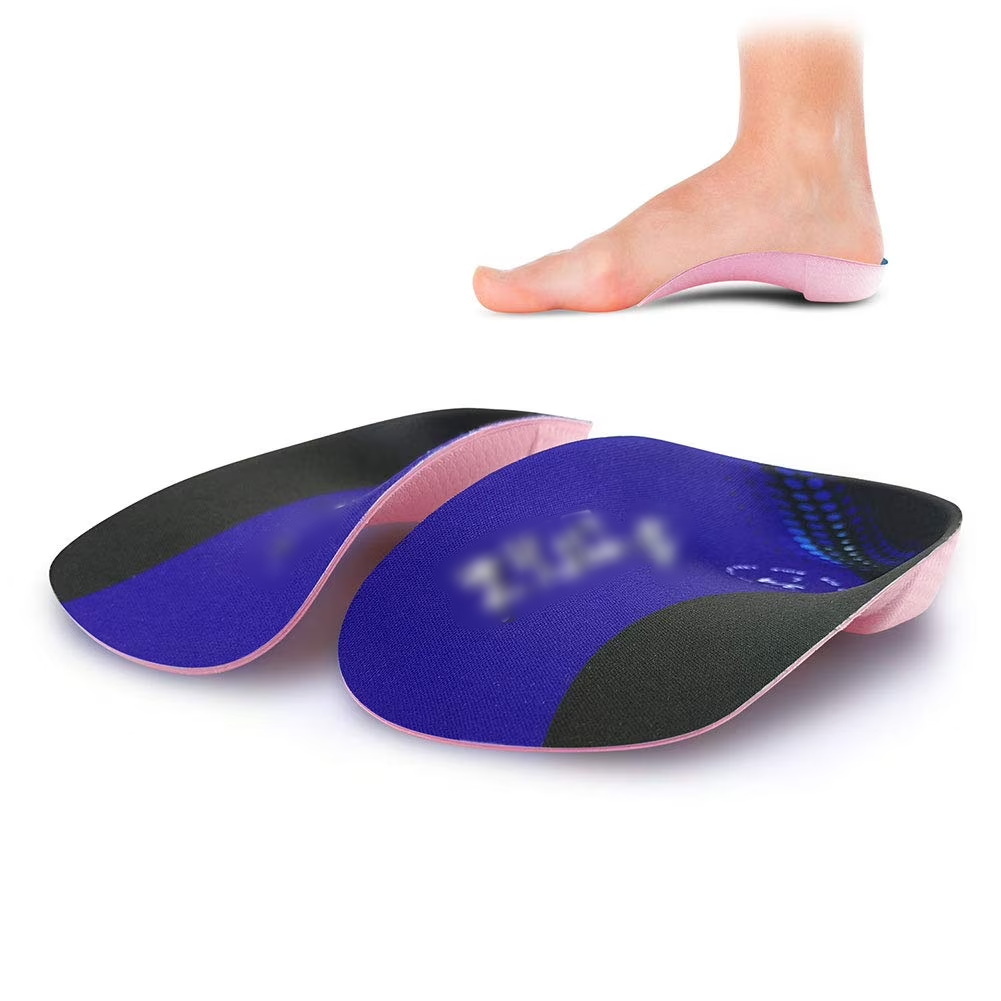
Both products are engineered with low-voltage heating and advanced safety features, including auto-shutoff options. Proper usage and care will ensure safe operation.
Heated insoles typically feature larger batteries offering up to 17 hours on low settings, while heated socks range from 6 to 11 hours depending on the model.
Yes. They provide beneficial warmth for those with poor circulation, neuropathy, or Raynaud's syndrome, improving comfort and reducing risk of cold-related complications.
Heated socks should be hand-washed or machine-washed on gentle cycles as per manufacturer guidelines. Heated insoles generally need only surface cleaning as they do not absorb sweat.
Absolutely. Chinese manufacturers provide broad OEM options in design, branding, battery specification, packaging, and user manuals to help international clients stand out.


