
Views: 202 Author: 3BU Technology Publish Time: 2026-07-10 Origin: Site


Content Menu
● Game-Changing Comfort: Why Basketball Insoles Matter
● What Basketball Insoles Do For Performance and Injury Prevention
● Key Features Players and Brands Should Look For
>> 1. Arch Support and Foot Type
>> 2. Cushioning and Shock Absorption
>> 3. Heel Cup, Stability, and Lateral Support
>> 4. Breathability and Moisture Management
● How to Choose the Right Basketball Insoles (Player's Perspective)
>> Step 1: Assess Your Foot Type and Playing Style
>> Step 2: Check Your Current Shoe Fit
>> Step 3: Match Materials to Your Preferences
>> Step 4: Break-In and Evaluate
● OEM Expertise: How 3BU Technology Helps Brands Build Better Basketball Insoles
● Practical Tips for Using Basketball Insoles
● Example Feature Table: What Players Care About Most
● Clear CTA for Brands and Buyers
● FAQs
The best basketball insoles combine targeted support, shock absorption, and breathable materials to keep players comfortable, stable, and explosive on the court, and OEM partners like 3BU Technology can help brands deliver that performance at scale through custom designs tailored to their athletes. [weartesters]
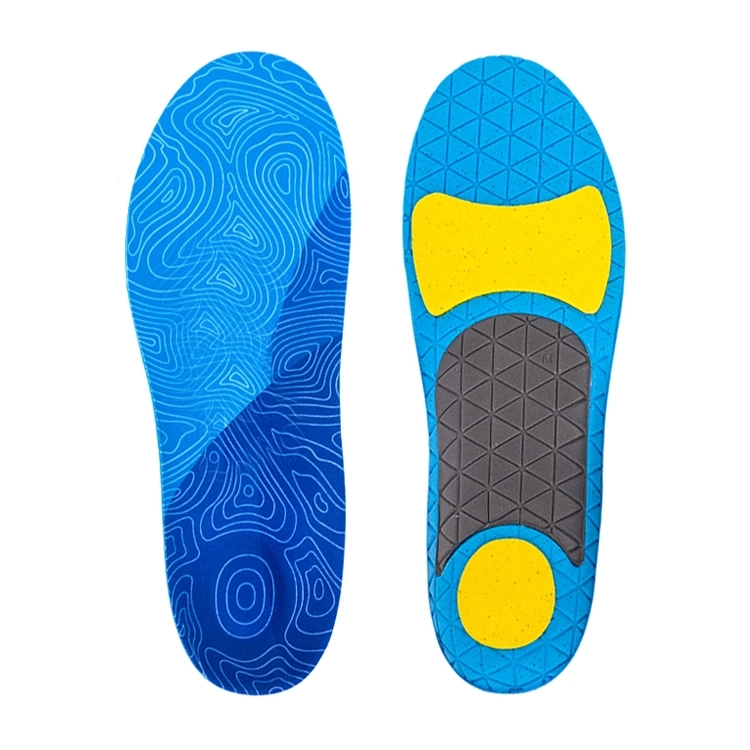
Basketball is a sport built on quick cuts, sudden stops, and explosive jumps, and every one of those movements sends impact forces straight through a player's feet, ankles, and knees. As someone who has spent years working with athletes and footwear brands, I've seen how the right insole turns a good shoe into a true performance system—reducing pain, improving stability, and helping players stay locked in for four quarters. [ratedkicks]
Basketball insoles are not just "extra padding" you slip into your shoes. They are engineered components that combine cushioning, structured arch support, heel cupping, and moisture control to protect joints and enhance biomechanical efficiency. For brands, this means an opportunity: collaborating with specialized OEM manufacturers to co-create insoles that match their shoe platforms, target users, and performance promises instead of relying on generic factory inserts. [aybroad]
When you watch a game at any level—from weekend pickup to professional leagues—you're seeing hundreds of micro-stresses on the lower body every minute. High-quality basketball insoles help in three major ways: [basketballbuckets]
- Shock absorption
Advanced cushioning foams, gels, or air systems disperse impact forces when players land from jumps, cut laterally, or sprint in transition. This reduces cumulative stress on the heels, knees, and lower back and can lower the risk of issues like stress fractures and shin splints. [weartesters]
- Biomechanical alignment and stability
Deep heel cups and structured arch platforms help keep the foot centered over the midsole, reducing excessive pronation or supination during aggressive movements. Better alignment means more efficient energy transfer and less rotational strain on ankles and knees. [weartesters]
- Comfort and focus
When a player is distracted by burning arches or sharp heel pain, they subconsciously hold back—jumping less, cutting more cautiously, and avoiding certain moves. By keeping pressure points evenly distributed and reducing hot spots, insoles allow players to focus purely on the game. [weartesters]
Over time, this combination of support and cushioning is what separates athletes who can comfortably log heavy minutes from those who constantly battle nagging foot and lower-leg pain. [ratedkicks]
From an industry perspective, we can break down basketball insole design into several core features that directly affect performance and UX on the court. [ratedkicks]
Different players have flat feet, neutral arches, or very high arches, and that variation dramatically changes how their feet load on the hardwood. Good basketball insoles use contoured arch platforms to: [basketballbuckets]
- Support collapsed arches and reduce strain on the plantar fascia.
- Stabilize neutral feet during lateral movements.
- Guide high arches to load more evenly instead of dumping pressure into the forefoot and heel. [weartesters]
From a brand standpoint, it's often effective to offer multiple arch profiles—low, medium, high—within one insole family so retailers and players can match support levels more precisely. [treadlabs]
Basketball is a classic high-impact sport, so cushioning is not optional; it's foundational. Modern performance insoles combine: [ratedkicks]
- EVA or PU foam for lightweight shock absorption.
- Gel or air pods in the heel and forefoot for targeted impact protection.
- Resilient, energy-return structures such as carbon-fiber layers or tuned foam geometries for explosive takeoffs. [ratedkicks]
The goal is to absorb impact without feeling mushy, maintaining a responsive court feel while protecting joints.
Shifts, slides, and cuts demand stability. Insoles with a deep heel cup lock the calcaneus (heel bone) in position and reduce side-to-side wobble inside the shoe. A wider, more structured base under the midfoot can also help control overpronation, which is associated with higher incidence of plantar fasciitis and medial knee stress. [treadlabs]
For brand collections targeting guards and wings who rely heavily on lateral quickness, emphasizing these stability features in both product design and marketing often resonates strongly with players.
Intense games lead to sweat, and sweat trapped around the foot causes blisters, odor, and slippage inside the shoe. Quality basketball insoles incorporate: [weartesters]
- Perforated foam cores to promote airflow.
- Moisture-wicking top fabrics that pull sweat away from the skin.
- Antimicrobial treatments to slow down odor-causing bacteria. [treadlabs]
This has a direct UX impact: cooler, drier feet stay comfortable longer, reducing mid-game adjustments or tape fixes.
Serious hoopers log dozens of hours weekly in training and games, which can compress low-quality foam quickly. Performance insoles need: [ratedkicks]
- High-density foams or engineered composites that resist bottoming-out.
- Abrasion-resistant top layers that don't peel or delaminate.
- A trim-to-fit shape or multiple size runs to ensure a snug, secure fit without crowding the toe box. [insolefoam]
From an OEM manufacturing perspective, strict QA and fatigue-testing protocols are crucial to maintain consistent durability across batches. [insolefoam]
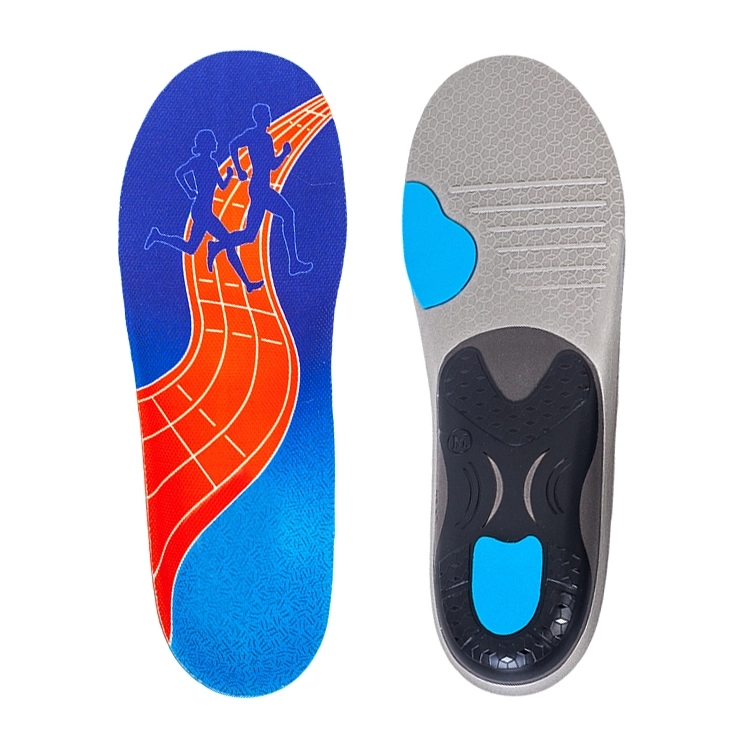
Even with all these features, players still need a clear framework to choose insoles that fit their feet, shoes, and style of play. [weartesters]
- Flat or low arches: you'll likely benefit from firmer arch support that prevents collapse and reduces plantar fascia strain.
- High arches: look for more cushioning and slightly softer arch structures to avoid sharp pressure under the midfoot. [weartesters]
- Explosive vertical-first players (dunks, rebounds): prioritize heel impact protection and energy-return platforms.
- Guards and wings who cut constantly: emphasize lateral stability and deep heel cupping. [basketballbuckets]
Before adding an insole, remove the factory insert and stand in your shoes with socks on. If the shoe already feels tight, opt for thinner-performance insoles rather than thick comfort models; this helps avoid toe-box crowding and lace pressure. [ratedkicks]
- Memory foam: softer feel, good for comfort-focused players or those with sensitive feet.
- High-rebound foam and composites: firmer underfoot, better energy return for aggressive athletes.
- Hybrid designs: target shock zones (heel, forefoot) with gel or air while maintaining structured arch support. [ratedkicks]
In practice, most insoles need a short break-in period—usually 2–5 sessions—to fully conform to the foot and shoe environment. Pay attention to: [ratedkicks]
- Whether pressure points decrease.
- If knee or heel discomfort improves.
- Whether you feel more confident planting and cutting.
If pain persists, players should consult sports medicine or podiatry experts to rule out underlying issues and consider custom orthotics. [aideastep]
From a brand's viewpoint, building a high-performing basketball insole line is not just about choosing foam; it's about partnering with an OEM that understands athlete biomechanics, material science, and global production. [aybroad]
A mature insole OEM process typically includes:
- Concept and requirement definition
Brands share target user profiles (e.g., competitive guards, youth players), shoe categories, and performance goals such as shock absorption benchmarks or energy-return targets. [insolefoam]
- Materials selection and engineering
Based on those goals, R&D teams select layered structures—EVA, PU, memory foam, proprietary elastic foams, or composites—and design arch profiles, heel cups, and ventilation channels. [insolefoam]
- Prototyping and lab testing
Early samples go through mechanical fatigue tests, compression-set measurements, and sometimes human wear trials to validate comfort and durability. [aideastep]
- Branding and customization
OEM partners can incorporate custom logos, colors, textures, and packaging, helping brands deliver coherent product stories that match their shoes and seasonal campaigns. [aybroad]
For international brands, working with a seasoned Chinese insole manufacturer offers advantages such as large-scale production capacity, flexible MOQs, and close alignment with Asia-based footwear supply chains. 3BU Technology, as a specialist in sports and comfort insoles, fits neatly into this ecosystem—helping partners reduce development cycles while maintaining consistency and quality across regional markets. [aybroad]
Once players and brands have chosen the right insoles, everyday usage and maintenance become critical to long-term performance. [weartesters]
- Insert and align carefully
Remove factory insoles, place the new insole flat inside the shoe, and ensure the heel cup is fully seated before lacing up. Misalignment can cause wrinkles or pressure ridges underfoot. [weartesters]
- Rotate and dry
After each session, take the insoles out of the shoes and let them air dry in a cool, ventilated area. This simple step extends product life and reduces odor. [weartesters]
- Clean regularly
Hand-wash insoles with mild soap when they start to feel sticky or odorous, then dry them completely before reuse to avoid material breakdown. [weartesters]
- Replace at sensible intervals
Depending on usage intensity, most players should expect to replace performance insoles every 6–12 months to maintain optimal cushioning and support. [ratedkicks]
These UX-oriented habits ensure that players get maximum value from the insoles and that brands maintain user satisfaction across a season.
| Player need | Insole feature | UX impact on court |
|---|---|---|
| Shock protection | High-density foam, gel pods | Less heel pain and fatigue during games. (weartesters) |
| Lateral stability | Deep heel cup, structured arch | More confident cuts and landings. (weartesters) |
| Breathability | Perforated core, moisture-wicking top | Drier feet, fewer blisters and odors. (weartesters) |
| Energy return | Tuned foam geometry, composite plates | More explosive jumps and takeoffs. (ratedkicks) |
| Durability | Fatigue-tested materials, QA protocols | Consistent feel over months of heavy use. (insolefoam) |
For players, upgrading to a purpose-built basketball insole is one of the fastest ways to unlock better comfort, more stable footwork, and longer-lasting performance in your existing shoes. For footwear brands, partnering with an OEM specialist like 3BU Technology allows you to transform this hidden component into a key differentiator—connecting athlete needs, design language, and manufacturing reliability in one solution. [aybroad]
If you're planning your next basketball shoe line or looking to improve an existing model, now is the ideal time to review your current insoles, define clearer performance targets, and collaborate on a custom insole system that gives your customers a genuine competitive edge on the court. [aideastep]
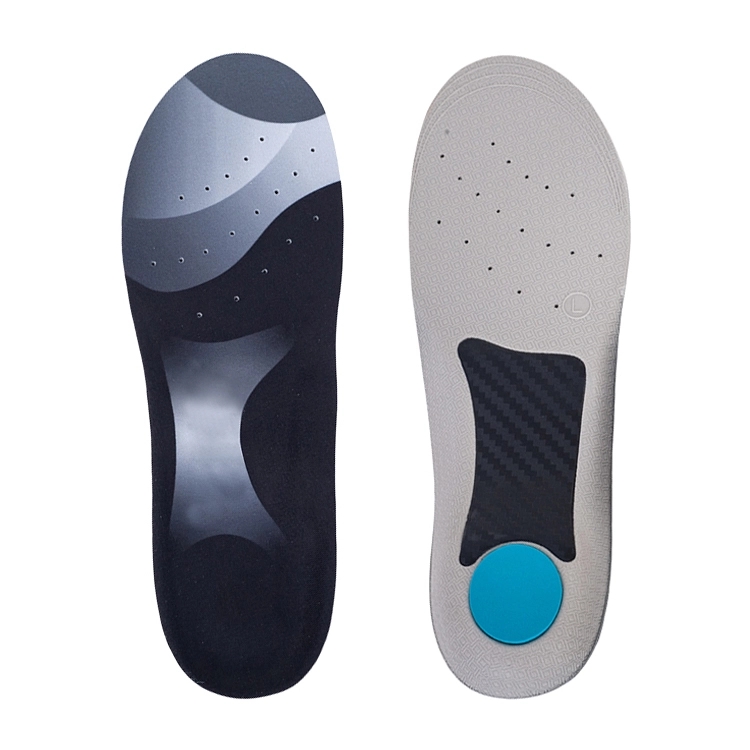
1. Do basketball insoles really make a difference for casual players?
Yes, even recreational players experience repeated high-impact forces, and quality insoles reduce fatigue, improve comfort, and help prevent common issues like heel pain and arch strain over time. [ratedkicks]
2. Can I use the same insoles for running and basketball?
Some versatile insoles work for multiple sports, but basketball-specific models usually focus more on lateral stability and jump landings, which differ from straight-line running demands. [basketballbuckets]
3. How do I know if I need more arch support or more cushioning?
If your arches feel tired or sore, structured support may help; if impact feels harsh under the heel and forefoot, you likely need more targeted cushioning and shock absorption. [ratedkicks]
4. Will adding insoles make my shoes too tight?
It depends on shoe volume and insole thickness. Removing the stock insert and choosing an appropriate profile usually maintains a comfortable fit without crowding the toe box. [weartesters]
5. How often should I replace my basketball insoles?
Most players should replace insoles every 6–12 months, or sooner if they notice packed-down cushioning, increased soreness, or visible material degradation. [ratedkicks]
1. Aline Insoles – "Game-Changing Comfort: The Best Insoles for Playing Basketball."
[https://alineinsoles.com/blogs/news/game-changing-comfort-the-best-insoles-for-playing-basketball]
2. Rated Kicks – "5 Ultimate Insoles to Crush It in Basketball Shoes 2025."
[https://ratedkicks.com/5-ultimate-insoles-to-crush-it-in-basketball-shoes-2025/]
3. BasketballBuckets – "Best Basketball Insoles."
[https://basketballbuckets.com/best-basketball-insoles/]
4. Tread Labs – "Insoles for Basketball Shoes."
[https://treadlabs.com/collections/insoles-for-basketball]
5. Aybroad – "Custom Insole Manufacturer | Orthotic & Sports Insoles OEM Factory."
6. Foamwell – "Custom Orthotic Insoles Manufacturer & Supplier – OEM & ODM Service."
[https://www.insolefoam.com/OEM-ODM-Service.html]
7. Aideastep – "Custom Medical Orthotic Insoles OEM & ODM Solutions for Brands."
[https://www.aideastep.com/custom-medical-orthotic-insoles-oem-odm-solutions-for-brands/]


