
Views: 202 Author: 3BU Technology Publish Time: 2026-07-18 Origin: Site


Content Menu
● What Causes Calcaneal Spur Pain?
● Gel Heel Cups and PU Foam Wedges Explained
● Which One Works Better for Heel Pain?
● Material Behavior in Real Use
● How to Choose the Right Product
● FAQ
>> 1. Are gel heel cups good for calcaneal spur pain?
>> 2. Are PU foam wedges better than gel heel cups?
>> 3. Can heel inserts cure calcaneal spur pain?
>> 4. Which material is better for long-term use?
>> 5. Should heel inserts be used alone?
Calcaneal spur pain can make every step uncomfortable, especially when the heel takes repeated impact during walking or standing. For brands, wholesalers, and manufacturers serving international markets, the real question is not only which insert feels softer, but which product delivers better comfort, support, and reliable performance in daily use.
A calcaneal spur is a bony growth on the heel bone. It is often associated with repeated traction, pressure, and irritation in the soft tissue around the heel. When the rearfoot absorbs too much force, pain can become sharper during the first steps in the morning or after long periods of standing.
Common signs include:
- Sharp pain in the heel when getting out of bed.
- Soreness after walking or standing for a long time.
- A bruised or pressed feeling under the heel.
- More discomfort in rigid shoes or flat footwear.
The key to relief is not just softness. It is reducing heel pressure, improving load distribution, and helping the foot feel stable during movement.

A gel heel cup is a soft insert designed to cradle the heel and absorb impact. It is popular because it gives an immediate cushioning effect and creates a more comfortable feel inside the shoe. For many consumers, that first soft step is the main reason they choose it.
Gel products are often used in casual footwear, retail channels, and comfort-driven product lines. They are easy to understand, easy to market, and usually create a premium impression.
A PU foam wedge is a structured heel insert made from polyurethane foam. It is commonly used when support, shape retention, and design control matter more than extreme softness. In orthotic material testing, polyurethane foams are considered highly useful because of their mechanical and physical properties.
PU foam is especially attractive for OEM development because it can be tuned for different densities, firmness levels, and product goals. That makes it valuable for brands that want a more functional heel-care solution.
| Factor | Gel Heel Cups | PU Foam Wedges |
|---|---|---|
| Main feel | Softer and more cushioned | More structured and supportive |
| Shock absorption | Strong | Moderate to strong, depending on density |
| Heel comfort | Very good for immediate relief | Good, especially for longer wear |
| Shape control | Moderate | High |
| Long-term support | Good for comfort use | Better for stable support |
| OEM customization | Moderate | High |
| Cost position | Often higher | Often more economical |
| Best use case | Comfort-first users | Support-first users |
For calcaneal spur pain relief, both products can help. The better choice depends on whether the user wants soft cushioning or functional support.
If the goal is immediate comfort, gel heel cups usually feel better right away. They reduce the sensation of impact and are often easier for consumers to accept in everyday use. This makes them a strong choice for retail, pharmacy, and lifestyle footwear markets.
If the goal is better structural support, PU foam wedges often have the advantage. They are more suitable when the product needs to maintain its shape, guide foot mechanics, and perform consistently over time.
Research on heel pain relief shows that inserts can improve pain in the short term, especially when they help reduce heel load. Other clinical work also shows that changing the contact area and redistributing pressure can significantly reduce calcaneal pressure. That means the design of the insert matters as much as the material itself.
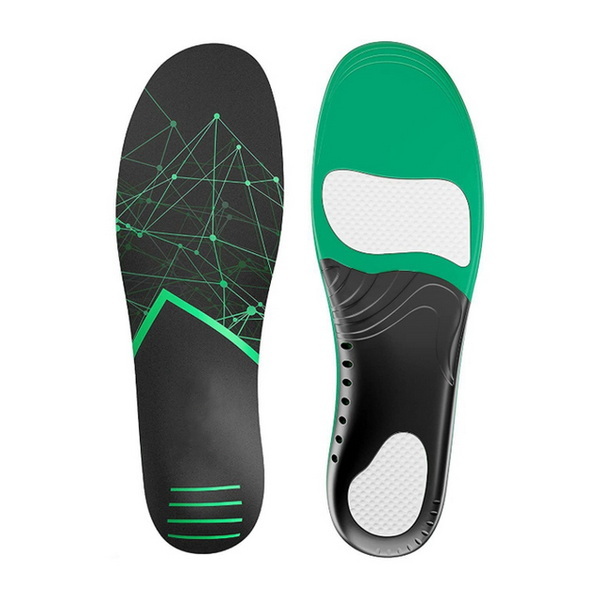
Clinical findings point to one clear idea: heel-spur relief works best when pressure is redistributed effectively. In one randomized trial, customized insoles and flexible footwear reduced pain and improved foot function over six months. In another study, increasing the insole contact area reduced calcaneal pressure and improved pain outcomes.
These findings matter because they show that the best product is not always the softest product. A well-designed insert should do three things:
- Reduce rearfoot pressure.
- Improve comfort during standing and walking.
- Fit the shoe without creating extra discomfort.
That is why many professional buyers evaluate inserts by performance, not by softness alone.
Gel and PU foam behave differently when exposed to repeated loading. Gel usually provides a more noticeable cushion at first use. PU foam often offers better control over firmness, rebound, and overall structure.
From a manufacturing perspective, this difference is important. A heel insert that feels good for one day may still fail after weeks of use if it loses shape too quickly. Products used for heel pain should be judged by durability, comfort, and repeatable performance.
A simple rule helps here:
- Choose gel for comfort-led consumer products.
- Choose PU foam for support-led OEM products.
- Choose a customized structure when the market needs both comfort and control.
For a Chinese manufacturer serving foreign brands, wholesalers, and producers, the best strategy is often not to pick one material forever. It is to build a product line with different use cases.
Gel heel cups work well for:
- Comfort retail channels.
- Casual users with mild heel pain.
- Buyers who want a soft-touch premium product.
PU foam wedges work well for:
- Functional foot-care lines.
- Industrial or long-standing users.
- Brands that need easier customization and price flexibility.
This approach gives buyers more options and helps your product portfolio serve different markets more effectively.
Use this practical guide:
1. Choose gel heel cups if the user wants softer cushioning and instant comfort.
2. Choose PU foam wedges if the user needs more support and better shape retention.
3. Choose a customized insert if pain is recurring or the user has poor pressure distribution.
4. Match the insert to the shoe volume, because a poor fit can reduce comfort.
5. Test wear performance, not just softness, because long-term satisfaction depends on consistency.
For calcaneal spur pain relief, gel heel cups are usually better for comfort-focused consumers, while PU foam wedges are usually better for support-focused OEM products. If the target market wants a soft and easy comfort solution, choose gel. If the target market wants structure, support, and scalable manufacturing control, choose PU foam.
For brands, the strongest product strategy is to develop both formats and position them according to user need. That gives you a stronger product story and a wider commercial reach.
If you are building heel-relief products for overseas markets, create one version around comfort and another around support, then test which format performs better with your target customers.
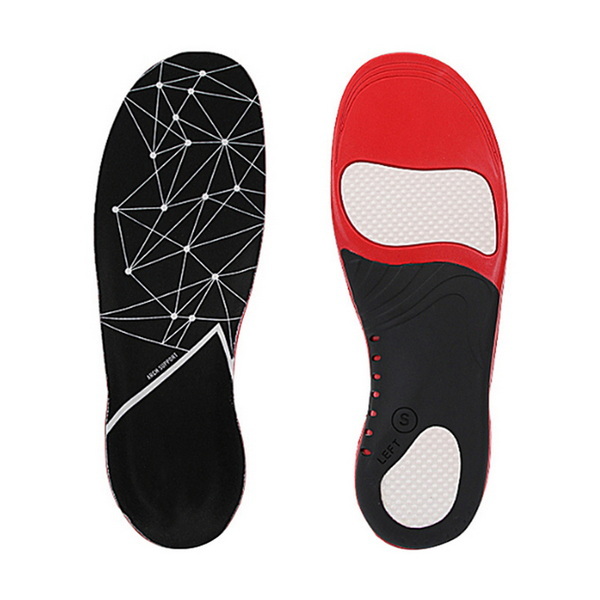
Yes. They can reduce impact discomfort and improve daily comfort, especially for users who want soft cushioning.
Not always. PU foam wedges are often better for support and shape retention, while gel is usually better for softness.
No insert can guarantee a cure. Inserts can help reduce pressure and pain, but results depend on fit, footwear, and consistent use.
PU foam often offers better design control and stable support, which can make it a stronger choice for long-term OEM use.
They can help, but the best results often come from combining the insert with proper footwear and a design that redistributes pressure effectively.
1. Ribeiro AP, et al. *Effectiveness of mechanical treatment with customized insole and minimalist flexible footwear for women with calcaneal spur: randomized controlled trial.* BMC Musculoskeletal Disorders, 2022.
[https://pmc.ncbi.nlm.nih.gov/articles/PMC9375309/]
2. MDPI. *Effect of In-Shoe Foot Orthosis Contours on Heel Pain Due to Calcaneal Spurs.* 2019.
[https://www.mdpi.com/2076-3417/9/3/495]
3. Rome K. *A study of the properties of materials used in podiatry.* J Am Podiatr Med Assoc. 1991.
[https://pubmed.ncbi.nlm.nih.gov/1999802/]
4. Menz HB, et al. *Mechanics of foot orthotics: material properties.* J Med Eng Technol. 2021.
[https://pubmed.ncbi.nlm.nih.gov/34287095/]
5. AAFP. *Evidence Summary: Heel inserts and orthotics for heel pain.* 2017.


