
Language
Views: 262 Author: 3BU Technology Publish Time: 2026-07-05 Origin: Site


Content Menu
● From Enthusiast Story to Scalable OEM Solution
● Understanding What Footwear Enthusiasts Really Need
>> Beyond "Comfort" – Pain Points We Design Against
>> Foot Alignment and Posture as Core Design Goals
● How 3BU Technology Transforms OEM Concepts Into Market-Ready Insoles
>> Engineering Materials for Long-Term Performance
>> Testing and Quality Control That Match Global Expectations
● Turning Customer Feedback Into Better OEM Products
>> Structured Feedback Loops With Brand Partners
>> Adapting to Market Trends: Sustainability and Activity-Specific Designs
● OEM Collaboration: How Overseas Brands Work With 3BU Technology
>> From Idea to Prototype: The Co-Creation Process
>> Scaling Without Losing Quality
● Expert Insights: What Makes an OEM Insole Truly "Brand-Ready"?
● Making Insoles Easy to Choose and Use
>> Translating Technical Specs Into User-Friendly Benefits
>> Reducing Confusion and Returns With Better Guidance
● Why Overseas Brands, Wholesalers, and Factories Choose 3BU Technology
● Ready to Build Your Next High-Performance Insole Line?
● FAQs
From the perspective of a footwear OEM specialist and long-term insole user, the real difference between average insoles and market-leading products comes down to three things: biomechanical design, manufacturing reliability, and user-centered iteration. As a leading Chinese insole manufacturer, 3BU Technology works behind the scenes for international brands, wholesalers, and factories to engineer insoles that don't just feel good on day one, but continue to perform for millions of steps. [shvmedia]
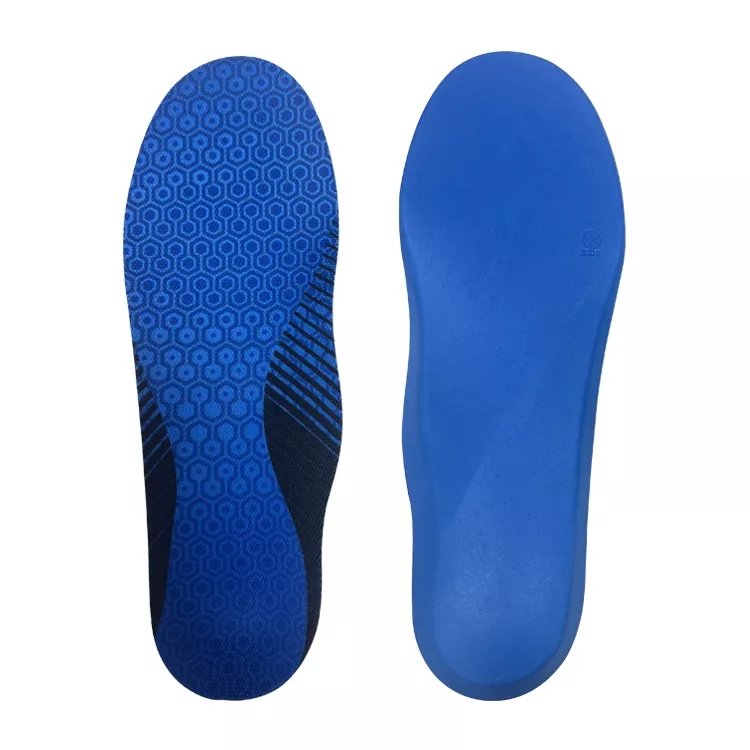
The success story behind consumer brands like ALINE shows how a clear vision and the right manufacturing partner can turn a niche idea into a global footwear favorite. At 3BU Technology, we build on this model and adapt it for overseas brands that need OEM insoles at scale, without losing the expert-level attention to foot health and user experience. [centori]
Our team combines practical experience from sports, daily commuting, and industrial work environments with engineering insight into materials and foot mechanics. This dual perspective lets us help brands bridge the gap between marketing claims and real-world comfort, whether they sell to runners, workers on concrete floors, or lifestyle footwear enthusiasts. [centori]
Modern insole buyers rarely search for "generic comfort"; they search for solutions to specific pain points such as plantar fasciitis, flat feet, heel pain, or fatigue from long hours of standing. As an OEM manufacturer, we treat these pain points as design inputs, not afterthoughts. [shvmedia]
When international brands work with 3BU Technology, we help them align product specs with user needs such as:
- Target conditions: arch collapse, plantar fasciitis, heel spurs, metatarsal pain.
- Usage scenarios: high-impact sports, long-distance walking, warehouse work, retail service.
- Footwear categories: athletic shoes, safety boots, dress shoes, casual sneakers.
By defining these real needs upfront, brands avoid launching "one-size-fits-all" insoles that underperform in specialized markets. [centori]
Leading brands like ALINE built their reputation by focusing on foot alignment and posture rather than just cushioning. At 3BU Technology, we follow the same principle: support first, softness second. [shvmedia]
Our design teams consider:
- Arch geometry to encourage neutral foot alignment.
- Heel cup depth to stabilize the calcaneus and reduce sideways rolling.
- Forefoot flexibility to support natural toe-off without restricting movement.
This approach helps our OEM partners position their insoles not just as "comfortable inserts" but as functional foot health accessories that can support posture and reduce strain over time. [shvmedia]
The original ALINE story highlights how innovative materials and testing led to a durable, reliable insole. At 3BU Technology, we expand that idea for OEM customers by standardizing material combinations that balance cushioning, stability, and breathability at scale. [shvmedia]
Common material stacks we help brands specify include:
- High-resilience PU or EVA for consistent cushioning and energy return.
- Firm support shells for arch and heel stabilization.
- Breathable top fabrics with moisture-wicking properties for dry, odor-resistant wear.
Because our production focus is OEM, we can adapt these structures to different price points and brand positioning—entry-level comfort products, mid-range performance insoles, or premium orthotic-style solutions. [centori]
Leading consumer brands gained trust by putting each insole through rigorous testing. 3BU Technology applies industrial-grade quality protocols so overseas partners can bring insoles to market with confidence. [shvmedia]
Our OEM workflow typically includes:
1. Mechanical fatigue testing to simulate thousands of compression cycles.
2. Dimensional stability checks to ensure consistent fit across sizes and batches.
3. Adhesion and layer bonding tests for multi-layer designs.
4. Climate and moisture exposure evaluations for hot, humid, or cold environments.
This structured testing makes it easier for brands to claim durability and performance—and back those claims with real data from the factory floor. [centori]
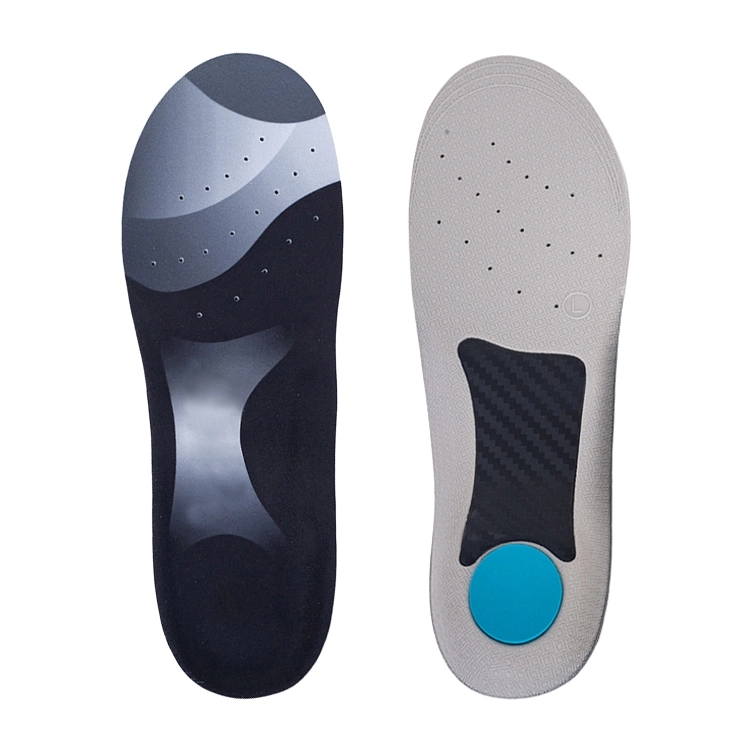
The original ALINE success story credits continuous customer feedback and iteration as a key growth driver. In OEM manufacturing, we take this principle further by creating feedback loops not only with end users, but also with our brand partners. [shvmedia]
Typical data sources we analyze together include:
- Retail and e-commerce reviews (comfort, fit, durability mentions).
- Return reasons (especially "too hard," "too soft," or "does not fit shoe").
- Customer service tickets about pain relief or performance issues.
By translating these qualitative signals into design adjustments—such as slightly softer forefoot foam or deeper heel cupping—we help brands continuously refine their insole lines without restarting from zero. [centori]
Consumer expectations around insoles have evolved to include eco-friendly materials and activity-specific models, not just generic cushioning. 3BU Technology supports brands in both directions. [centori]
We can help overseas partners:
- Replace conventional foams with higher bio-content or recycled materials where feasible.
- Develop dedicated SKUs for "insoles for running," "insoles for work boots," or "insoles for dress shoes," segmenting catalogues by activity or condition.
- Use color and design differentiation to match specific shoes or brand identities.
This allows our clients to present a more modern, responsible insole offering without compromising performance. [shvmedia]
For many foreign brands, wholesalers, and footwear factories, the biggest hurdle is translating a market insight into an actual insole specification. 3BU Technology specializes in co-creating that bridge.
A typical OEM collaboration flows as follows:
1. Discovery and specification
- Define target users, shoe types, pain points, and price range.
- Clarify branding needs (logo placement, color palette, packaging direction).
2. Concept design and sampling
- Propose structure (shell, cushioning layers, top fabric).
- Create sample sets for various firmness and arch profiles.
3. Field testing and feedback
- Partners share samples with athletes, workers, or loyal customers.
- Feedback is compiled and translated into final adjustments.
4. Industrialization and stable supply
- Final molds, materials, and QC parameters are locked in.
- Production and logistics schedules are integrated with the brand's launch plan.
This step-by-step approach reassures overseas partners that the finished insole matches both brand promise and user expectations. [centori]
One common concern for international brands is whether their insole quality will hold up as volume grows. Because our core business is OEM, 3BU Technology is built to scale while maintaining tight process control.
We focus on:
- Standardized material sourcing from audited suppliers.
- Clear tolerances for dimensions and hardness across size runs.
- Batch-level documentation so brands can track quality over time.
This makes it easier for footwear brands and wholesalers to expand into new regions or channels—online, retail, or B2B—without worrying that product variations will erode trust. [centori]
From both a user and expert perspective, an OEM insole must satisfy more than just lab tests. It should feel intuitively "right" when customers step into their shoes. Based on our experience and industry case studies, we see five non-negotiable factors:
1. Fit precision
The insole must sit correctly inside target shoe categories, leaving no pressure points or gaps.
2. Predictable support
Arch and heel support should be consistent across sizes; customers should feel the same experience whether they buy size 37 or 44.
3. Clear positioning
The product story—pain relief, sports performance, all-day comfort—must match how the insole truly behaves in use. [shvmedia]
4. Durability over time
Comfort should not collapse after a few weeks; high-resilience materials and robust structures are essential. [shvmedia]
5. Brand alignment
Logo, color, packaging, and messaging must reinforce the brand's identity and price point, especially in premium footwear segments. [centori]
When these elements align, brands can confidently present their OEM insoles as a natural extension of their footwear range rather than an afterthought accessory.
From a UX perspective, most consumers aren't interested in foam densities or polymer names—they want simple, credible benefits. Drawing inspiration from successful footwear content strategies, we help brands translate technical specs into language end users can trust. [1digitalagency]
Examples of user-facing messaging we support:
- "Designed for long shifts on hard floors with extra heel impact protection."
- "Built for neutral foot alignment to reduce arch strain during everyday walking."
- "Engineered to stay supportive for thousands of steps, not just the first week."
Industry data and agency experience show that poor fit and unclear sizing are among the biggest drivers of footwear returns. We work with brands to mitigate this by: [1digitalagency]
- Providing clear trimming and sizing instructions on packaging.
- Suggesting in-shoe categories (running shoes, work boots, sneakers) directly on product labels.
- Supporting content that explains how to break in new insoles and what sensations to expect in the first few days.
This UX-focused communication helps end users make better choices and reduces friction for customer service teams.
From the outside, many insole factories appear similar. In practice, long-term partners tell us they stay with 3BU Technology for three main reasons:
- Foot health awareness
Our engineering decisions are grounded in real pain points, not just raw production cost.
- OEM specialization
We understand branding, packaging, timelines, and global logistics demands.
- Iterative collaboration
We treat each product line as a living system, open to updates based on fresh data and feedback. [shvmedia]
For overseas footwear brands that aspire to become the "top choice for footwear enthusiasts" in their markets, working with a manufacturing partner that shares this mindset is often the decisive competitive advantage.
If you are a footwear brand, wholesaler, or shoe factory looking to expand your insole offering with reliable OEM support, 3BU Technology can help you transform a simple idea into a market-ready, user-approved product line.
From concept and prototyping to scaled production and continuous improvement, our team is prepared to support you with both technical expertise and practical insights from the insole industry. To explore design options, materials, and collaboration models tailored to your market, get in touch with our OEM team and start mapping out your next high‑performance insole collection.
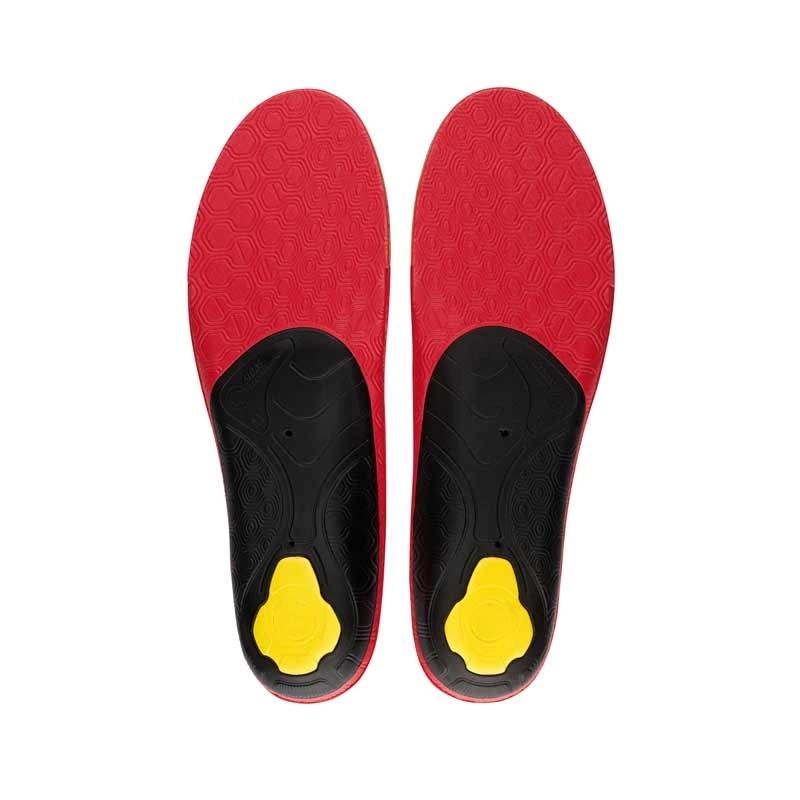
Q1: What types of insoles can 3BU Technology produce for OEM partners?
We manufacture a wide range of insoles, including everyday comfort insoles, activity-specific performance insoles (running, hiking, work boots), and orthotic-style support insoles with enhanced arch and heel stability. [centori]
Q2: Can you customize insoles to match my brand's design and packaging?
Yes. We support custom colors, logo printing, branding on top fabrics, and tailored packaging solutions so that your insoles integrate seamlessly into your existing product ecosystem. [shvmedia]
Q3: How do you ensure quality and consistency across large OEM orders?
We use standardized material sourcing, batch-level testing, and documented quality control processes to maintain consistent performance, dimensions, and comfort across all sizes and production runs. [centori]
Q4: Do you provide technical support during product development?
Our team collaborates with brand partners to define specifications, advise on structure and materials, and refine prototypes based on real user feedback, ensuring that the final insole meets both technical and market requirements. [shvmedia]
Q5: Can 3BU Technology support eco-friendly and sustainable insole projects?
We can help you explore eco-conscious materials and structures, including higher bio-content foams or recycled components, balancing sustainability goals with durability and performance expectations. [centori]
1. [How Yasir Abdul and Inventel Made ALINE Insoles the Top Choice for Footwear Enthusiasts]
2. [How Insoles.com Put Their Best Foot Forward on Google – Centori]
3. [How to Apply E‑E‑A‑T to Your Content and Boost On‑Page SEO – SEO Site Checkup]
4. [E‑E‑A‑T Optimization: How to Rank Your Site Higher – Rank Math]
5. [Men's Shoes SEO Agency: Fit-and-Sizing Content Insights – 1Digital Agency]


