
Language
Views: 222 Author: Edvo Publish Time: 2025-12-22 Origin: Site


Content Menu
● Understanding Dr Scholl's Orthotic Inserts
● Step-by-Step Guide: How to Wear Dr Scholl's Orthotic Inserts
>> Step 1: Remove Existing Insoles
>> Step 2: Trim to Fit (If Necessary)
>> Step 3: Place the Insert Properly
>> Step 5: Break Them In Gradually
● Common Mistakes When Wearing Orthotic Inserts
● Key Benefits of Dr Scholl's Orthotic Inserts
>> Enhanced Arch and Heel Support
>> Pressure Distribution and Shock Absorption
>> Reduced Foot, Leg, and Back Pain
>> Boosted Energy and Endurance
>> Long-Term Preventive Foot Care
● Maintenance and Care for Orthotic Inserts
● How to Choose the Right Shoes for Orthotics
● Common Foot Problems Orthotics Help With
>> Flat Feet and Overpronation
>> Plantar Fasciitis and Heel Pain
● Additional Tips for Comfort and Longevity
● Replacement Frequency and Lifespan
● Everyday Scenarios for Using Orthotic Inserts
● Mistakes to Avoid After Long-Term Use
● Integrating Orthotics into a Healthy Lifestyle
● FAQs
>> 1. How long should I wear Dr. Scholl's orthotics each day?
>> 2. Can I use the same insert in different shoes?
>> 3. How can I tell if my insert is positioned correctly?
>> 4. Are orthotic inserts suitable for flat feet?
>> 5. How often should I replace my orthotic inserts?
Comfort begins with your feet. Every step you take affects not only your posture but also your energy and overall body balance. Dr. Scholl's orthotic inserts are designed to bring relief and stability for people who spend their days on their feet, athletes striving for better performance, or anyone experiencing pain or fatigue. Yet, to unlock their full benefits, knowing how to wear Dr. Scholl's orthotic inserts correctly is essential.
This complete guide explains the proper way to wear, fit, and maintain your inserts. You'll also learn about different types, best practices, and troubleshooting techniques to ensure optimal comfort and performance throughout your daily routine.
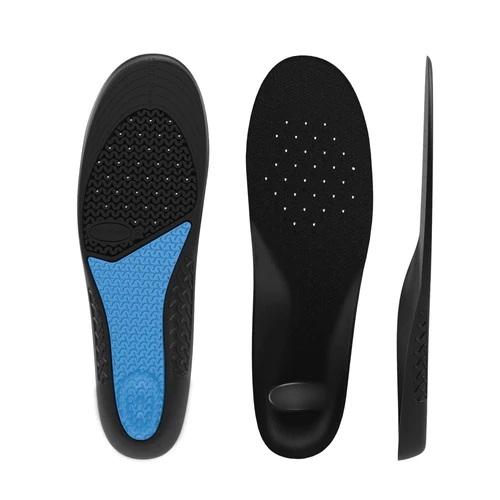
Dr. Scholl's orthotic inserts are professionally engineered foot supports meant to relieve discomfort, correct posture, and distribute pressure evenly across your feet. They provide structured comfort that adapts to your lifestyle—whether you're standing on concrete floors all day, walking long distances, or participating in sports.
By supporting natural foot movement, these inserts align your ankles, knees, and hips, reducing strain across the entire lower body. The result is smoother motion, less muscle fatigue, and improved stamina, even after hours of standing.
With a range of models available, Dr. Scholl's offers options tailored to different needs and shoe types:
- Custom Fit Orthotics: Designed using advanced foot mapping to match your unique arch shape and pressure distribution. Perfect for everyday wear.
- Work Insoles: Engineered for professionals who stand all day—nurses, warehouse workers, and retail staff. These inserts provide thick cushioning and heel protection.
- Sport Insoles: Built for athletes or fitness enthusiasts. They absorb impact and support fast directional movements.
- Pain Relief Insoles: Target specific conditions like plantar fasciitis, heel pain, or knee strain, delivering extra heel and arch stability.
- Everyday Comfort Insoles: Ideal for casual shoes and sneakers, boosting comfort without bulkiness.
Choosing the correct type depends on your lifestyle, footwear, and the level of support you require.
Wearing orthotic inserts properly ensures they perform as intended. Here's a step-by-step guide to insert, adjust, and wear them for maximum effectiveness.
Most shoes come with removable insoles. Take them out before placing your orthotic insert inside. This step prevents overcrowding and helps your foot sit naturally in the shoe. Keeping both the factory insole and the orthotic together often makes your shoe too tight, which can lead to rubbing or reduced circulation.
Dr. Scholl's inserts come in general size ranges, but trimming helps achieve a perfect fit. Lay your original insole on top of the new one, trace the toe section with a pencil, and carefully cut along the line. Avoid trimming too much—small adjustments are better than cutting away too much material.
A precise trim ensures that the orthotic sits neatly in your shoe and does not shift as you move.
Place the orthotic insert inside your shoe with the heel snugly positioned against the back. It should lie flat, without curling or bending. A smooth fit guarantees full contact with your foot and proper weight distribution. Any wrinkles or lifted edges can cause discomfort and reduce support efficiency.
After inserting them, wear your shoes and walk around on a firm surface for a few minutes. Notice how your feet feel. The inserts should feel stable and firm—not overly soft or tight. If you experience pressure points or a raised feeling near the arch, try minor trimming adjustments or double-check that the heel is seated evenly.
Your feet need time to adapt to new support. Start by wearing your inserts for one or two hours on the first day, gradually increasing wear time over a week. This break-in period allows your muscles and ligaments to adjust to improved alignment, preventing soreness or tension.
Even premium inserts can feel uncomfortable if used incorrectly. Here are frequent mistakes to avoid:
- Stacking inserts: Never place orthotics on top of factory insoles unless your shoe has enough depth. This can distort foot placement.
- Ignoring trimming: Oversized inserts can crumple or push the toes upward, causing blisters.
- Wearing incompatible shoes: Dress shoes, heels, or narrow loafers may not offer enough width or depth.
- Skipping the break-in period: Wearing inserts for a full day immediately can cause fatigue and temporary discomfort.
- Neglecting cleaning and maintenance: Dirt and moisture can alter the insert's performance and hygiene quality.
Avoiding these mistakes ensures the inserts perform as intended, providing comfort and support every day.

Dr. Scholl's orthotics help users manage daily foot stress while boosting comfort and endurance. Here are their most noticeable benefits.
Every step you take compresses your arches. Inserts help lift and stabilize them, reducing pressure across the midfoot. This structural support reduces overpronation and aids alignment, improving stability and preventing strain.
Strategic cushioning absorbs shock through heels and toes. This benefit is especially noticeable during activities like jogging or climbing stairs. It helps prevent tired feet, joint stress, and long-term conditions like shin splints.
Orthotic inserts work by improving posture. When your feet align naturally, pressure no longer transfers unevenly through your legs and spine. This helps relieve chronic soreness in knees, lower back, and hips.
When foot muscles stay supported, they use less energy to maintain balance. Proper alignment enhances walking efficiency and reduces fatigue, giving you more stamina throughout the day.
Consistent use may prevent long-term issues such as collapsed arches, bunions, or Achilles tendon stress. Orthotics essentially act as a preventive measure that safeguards your foot health over years of use.
Proper care ensures durability and hygiene while preserving shape and comfort.
Wipe inserts weekly using mild soap and warm water. Scrub gently with a cloth or soft brush to remove sweat residue and dirt. Avoid machine washing or soaking them for long periods, which can damage support materials or adhesive layers.
After cleaning or a long day of use, remove the inserts from your shoes and air-dry them in a ventilated space. Do not place them near heat sources. For odor control, sprinkle a small amount of baking soda or use dryer sheets inside the shoes overnight.
Keep your inserts flat when not in use. Rotating between two pairs on alternate days allows them to recover shape and stay fresh for longer.
Inspect regularly for cracks, flattened cushioning, or stiff edges. Replace them if you notice reduced comfort or visible damage. Properly maintained inserts provide consistent support and extend their lifespan beyond typical use periods.
The right footwear ensures your inserts perform at their best. Consider these points while selecting shoes.
- Removable insoles: Essential for replacing stock liners with orthotics.
- Firm heel counter: Provides a stable rear base that aligns with the orthotic's heel cup.
- Moderate arch depth: Ensures enough space for insert thickness without compressing toes.
- Supportive sole structure: Avoid extremely soft soles that offset orthotic support.
- Ample toe box: Prevents crowding and friction when the orthotic slightly elevates your foot placement.
Running shoes, hiking boots, and supportive work shoes are excellent candidates for orthotics, while narrow formal shoes may need specialized, thinner inserts.
Regular use of Dr. Scholl's orthotic inserts can offer solutions for common foot and lower-limb problems that affect daily movement and comfort.
For those with low arches, the insert's contoured structure restores stability and lifts the arch to prevent rolling inward during walking.
Deep heel cups cushion every step and support the plantar fascia ligament, offering significant pain relief during the first hour of wear.
Misaligned foot posture often leads to knee rotation and back strain. Orthotics correct alignment, which naturally reduces stress transmitted upwards through your body.
Professions that require long standing hours can benefit from improved shock absorption and arch flexibility that sustain comfort all day.
Enhancing your experience with orthotic inserts often comes down to small habits that build comfort and longevity.
- Use moisture-wicking socks: These keep feet dry and stop sweat buildup that could degrade inserts.
- Keep feet clean and trimmed: Prevent odor and friction by maintaining foot hygiene.
- Gradually replace old footwear: Even good inserts cannot fully support worn-out shoes.
- Consult for persistent discomfort: If symptoms persist, consult a podiatrist for customized support recommendations.
By adopting these small adjustments, you'll enjoy all the advantages your orthotics are designed to deliver.
Most orthotic inserts last between six and twelve months under regular use. However, their lifespan varies depending on body weight, activity level, and cleanliness. Heavy users or daily workers may need to replace them sooner, while casual wearers might extend their use longer.
When support feels thinner or you notice discomfort returning, replacing your inserts ensures consistent effectiveness. Always store new pairs in a clean, dry space to preserve quality.
Dr. Scholl's orthotic inserts fit effortlessly into many daily contexts beyond sports or work settings.
Standing in lines, walking through airports, or commuting between offices becomes easier. You'll notice better shock absorption and less fatigue.
Factory, retail, or hospital workers experience extended support and reduced soreness after long shifts.
Hiking, gardening, or exploring nature becomes less straining when every step feels cushioned and stable.
For people who spend long hours at desks, corrected foot positioning contributes to better upright posture and reduced back strain.
By integrating inserts into your entire day, you maintain performance and comfort in every environment.
Even after months of comfortable usage, a few habits can compromise your orthotics' function:
- Wearing them when shoes are wet: Moisture breaks down adhesive and foam layers.
- Ignoring odor or bacteria buildup: Use deodorizers regularly to maintain hygiene.
- Neglecting alignment check: Over time, shoe insoles may distort shape—replace them promptly.
- Walking barefoot frequently after use: Your body can become used to supported arches; sudden barefoot walking may feel uncomfortable.
Stay consistent with care habits to preserve comfort and performance.
Foot health connects to your body's whole biomechanical system. Using orthotics can be part of a broader wellness plan that includes:
- Stretching and strengthening exercises for the calves and arches.
- Maintaining a healthy body weight to reduce lower-limb pressure.
- Wearing supportive footwear during exercise and rest periods.
- Regular checkups with orthopedic professionals for personalized recommendations.
Combining orthotics with these habits creates a sustainable foundation for long-term mobility and body balance.
Wearing Dr. Scholl's orthotic inserts the right way does more than ease foot discomfort—it transforms how your body supports itself with every step. Correct sizing, trimming, break-in routines, and maintenance practices ensure they deliver continuous support and stability. Whether you're standing for hours at work, exercising, or recovering from strain, these orthotics align your feet, joints, and spine for natural movement and lasting comfort.
In short, they're not just about comfort—they're an investment in daily wellness and joint health that sustains your lifestyle for years to come.
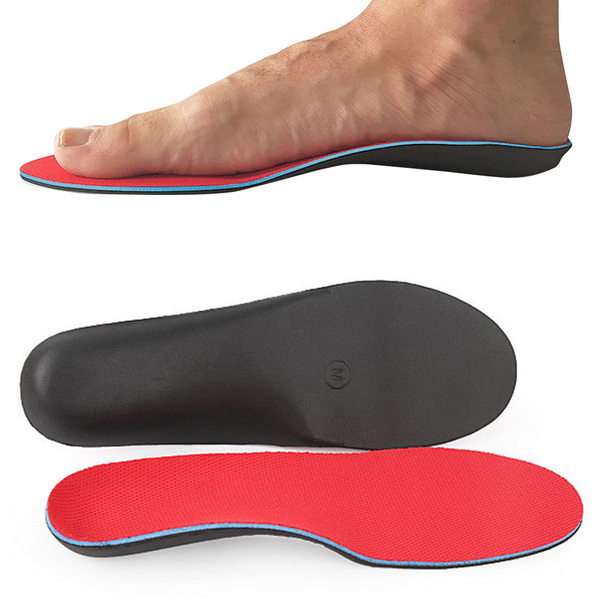
Begin with one or two hours and increase gradually. After a week, you can wear them comfortably all day without fatigue.
Yes, as long as your shoes share similar size and depth. Avoid shifting between dramatically different styles like boots and flats.
Your heel should rest securely in the cup, and the insert should feel snug but not tight. You shouldn't sense any raised or folded areas.
Absolutely. The arch design supports foot structure, reducing inward rolling and helping people with low or fallen arches walk comfortably.
Typically every 6–12 months, depending on usage and wear conditions. Replace sooner if you feel less support or see visible damage.


