
Views: 259 Author: 3BU Technology Publish Time: 2026-07-19 Origin: Site


Content Menu
● What Causes Calluses and Corns?
● The Hidden Role of Shear Stress
● What OEM Buyers Should Specify
● Practical Ways to Reduce Recurrence
>> A Simple Prevention Routine
● FAQs
>> 1. Do insoles remove calluses and corns?
>> 2. Are soft gel insoles enough?
>> 3. Can insoles help if my shoes already feel comfortable?
>> 4. What type of insole is best for callus prevention?
>> 5. When should someone see a foot specialist?
>> 6. Can the wrong insole make the problem worse?
Calluses and corns are more than a simple skin issue. They often signal that the feet are dealing with too much pressure, too much friction, or both. When this happens again and again, the skin thickens as a protective response, but the discomfort can become a daily problem.
For footwear brands, wholesalers, and OEM buyers, this is an important product category. A well-designed insole is not just about softness. It can help reduce rubbing, improve stability, and support better load distribution inside the shoe.
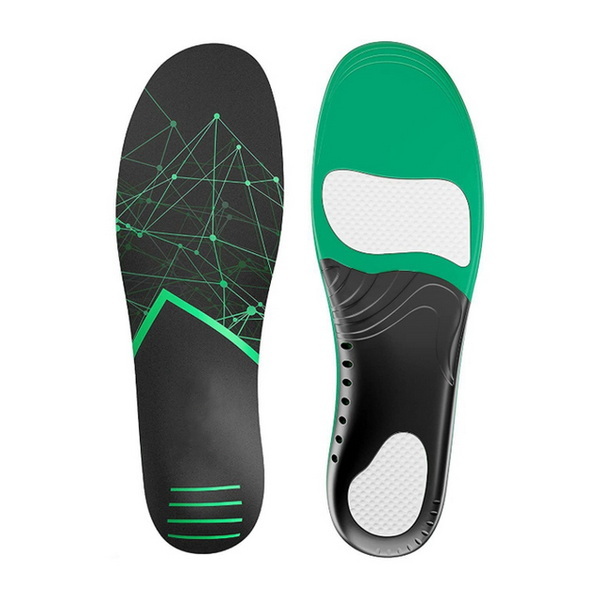
Calluses and corns usually form because the same part of the foot is under repeated stress. A callus is often broader and flatter, while a corn is smaller and more concentrated, which is why it can feel sharper and more painful.
Several factors can contribute to this problem:
- Repeated rubbing between the foot and the shoe.
- Pressure building under the toes, forefoot, or heel.
- Foot posture issues such as overpronation or supination.
- Shoes that are too tight, too loose, or too shallow in the toe box.
- Long periods of standing or walking on hard surfaces.
In many cases, the root cause is not the skin itself. It is the mechanical environment inside the shoe.
Insoles help because they change how force is distributed across the foot. Instead of letting one small area take all the impact, they spread the load more evenly and reduce concentrated stress.
A good insole can help in four important ways:
- Pressure redistribution: It spreads body weight across a wider surface.
- Stability support: It helps the foot sit more securely in the shoe.
- Shock absorption: It softens repeated impact during walking or standing.
- Fit improvement: It reduces extra space, which helps limit sliding and rubbing.
This is why insoles are often more effective than simply adding soft padding. The goal is not only comfort, but also better control of movement and pressure.
Many people think pressure alone causes calluses, but friction and sliding matter just as much. When the foot moves slightly inside the shoe, the skin experiences shear stress. Over time, that repeated force contributes to thickened skin and painful spots.
This is especially important for people who:
- Walk long distances.
- Stand for many hours.
- Wear shoes that are too loose.
- Have high forefoot pressure.
- Have biomechanical imbalance in the way they step.
A well-made insole does more than cushion. It also helps keep the foot more stable, which can reduce unnecessary movement inside the shoe.
Not every insole solves the same problem. Some are made for general comfort, while others are designed to support pressure relief and reduce foot movement.
A useful insole for callus and corn prevention should include:
- A deep heel cup for better rearfoot stability.
- Arch support to help improve alignment.
- Forefoot cushioning or metatarsal relief.
- A slim enough shape to fit the shoe properly.
- A top layer that helps reduce moisture and friction.
Soft insoles may feel pleasant at first, but they do not always address the reason the problem keeps coming back. Structured insoles are often better when the issue is related to posture, pressure concentration, or repeated friction.
In simple terms:
- Soft insoles are better for temporary comfort.
- Structured insoles are better for recurring pressure problems.
- Custom orthotic insoles may be needed for more complex foot conditions.
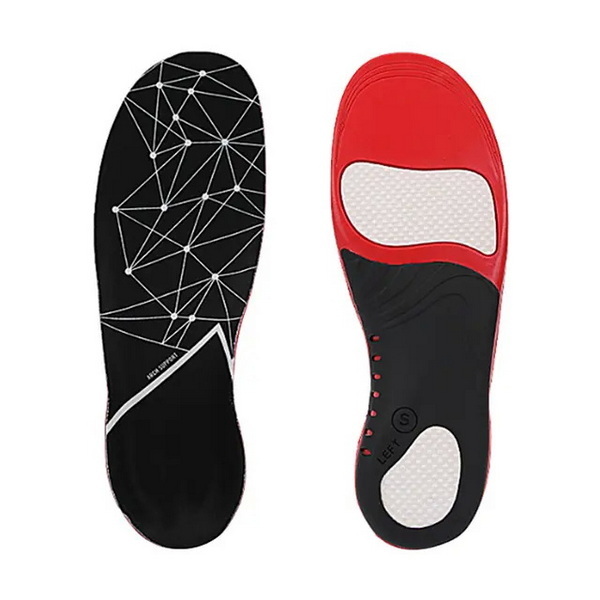
If you are developing insoles for a brand or wholesale market, the product brief should go beyond general comfort. It should clearly define the user problem and the performance goal.
A stronger specification usually includes:
1. The target use case, such as callus prevention, corn relief, or all-day standing comfort.
2. The foot zones that need support, such as heel, arch, or forefoot.
3. The material structure, including support layer and cushioning layer.
4. The thickness level required for the intended shoe type.
5. The friction-reduction approach used in the top cover.
6. Compatibility with sneakers, work shoes, dress shoes, or safety footwear.
This makes the product easier to position, easier to explain, and easier for buyers to understand.
Insoles work best when combined with good footwear habits. If the shoe is still causing pressure points, the problem may return even with a better insert.
1. Wear shoes with enough room in the toe box.
2. Match the insole thickness to the shoe depth.
3. Replace shoes before the midsole becomes flat or unstable.
4. Keep feet dry to reduce friction.
5. Moisturize dry skin regularly.
6. Limit time in high heels or unstable footwear.
7. Get professional advice if the pain keeps returning.
Small fit problems can make a big difference. A shoe that is too loose can let the foot slide, while a shoe that is too tight can create new pressure points.
For footwear brands and wholesale buyers, insoles are no longer just a small add-on. They are part of the overall foot comfort story. A product that helps reduce pressure and rubbing can improve customer satisfaction and increase repeat purchases.
That is why insole development should be treated as part of product strategy, not only product sourcing. The right material choice, thickness, support pattern, and fit can all influence how users feel after a full day of wear.
Insoles help prevent calluses and corns by reducing pressure, limiting friction, and improving how the foot moves inside the shoe. The best designs do more than cushion. They help stabilize the foot, spread force more evenly, and reduce the repeated stress that causes thickened skin.
For brands and buyers, this means the right insole should be built around foot function, not just softness. For users, it means lasting relief depends on better fit, better support, and better pressure control.
If you are looking for an OEM insole solution for pressure relief, friction control, and export-ready product development, 3BU Technology can help create a custom solution for your market.
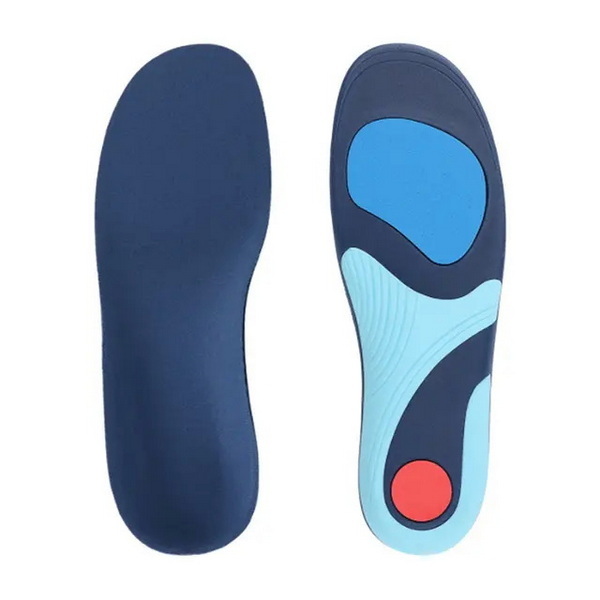
No. Insoles do not remove existing thickened skin, but they can help prevent the problem from coming back by reducing pressure and friction.
Not always. Soft insoles may improve comfort, but structured support is often better for recurring issues.
Yes. Even comfortable shoes can create hidden pressure points or let the foot move too much inside the shoe.
A structured insole with arch support, heel stability, and targeted pressure relief is usually the most effective choice.
If the pain is severe, the skin keeps coming back, or there are health concerns such as diabetes or circulation issues, professional advice is recommended.
Yes. If the insole is too bulky, too short, or poorly matched to the shoe, it can create new pressure points and increase friction.
1. Aline Insoles. *How Insoles Can Help If You Constantly Get Calluses or Corns.* [https://alineinsoles.com/blogs/news/how-insoles-can-help-if-you-constantly-get-calluses-or-corns]
2. Amemiya A, et al. *Shear Stress-Normal Stress (Pressure) Ratio Decides Forming Callus in Patients with Diabetic Neuropathy.* [https://pmc.ncbi.nlm.nih.gov/articles/PMC5165166/]
3. Tread Labs. *What Causes Corns and Calluses?* [https://treadlabs.com/blogs/insoles-reach-your-stride/best-insoles-corns-calluses]
4. FootPro. *Can Insoles Cure Corns and Callus?* [https://www.footpro.in/blog/4/insoles_can_cure_corns_and_callus]
5. ScienceDirect. *Correlation between the foot pressure index and the prevalence of plantar hyperkeratosis.* [https://www.sciencedirect.com/science/article/pii/S0965206X23000645]


