
Views: 222 Author: Edvo Publish Time: 2025-12-22 Origin: Site


Content Menu
● Understanding Dr. Scholl Custom Fit Orthotic Inserts
● Average Lifespan of Dr. Scholl Custom Fit Orthotic Inserts
● Key Factors That Affect Longevity
>> 2. Activity Level and Intensity
>> 3. Body Weight and Pressure Distribution
>> 5. Temperature and Moisture Conditions
>> 6. Material Quality and Design
● Signs That It's Time to Replace Your Inserts
● Maintenance Tips to Extend Lifespan
● Comparing Retail Inserts and OEM Orthotic Manufacturers
>> Benefits of OEM Orthotic Manufacturing
● Importance of Material Selection in Orthotic Design
● How Longevity Affects Foot Health
● Custom Fit vs. Custom Manufactured Orthotics
● Extending Product Value for Brands and Wholesalers
● Practical Replacement Schedule
● Sustainable Approaches to Insole Production
● Expert Recommendations for Users
● Why Choose a Chinese OEM Manufacturer
● FAQ
>> 1. How often should I replace Dr. Scholl Custom Fit Orthotic Inserts?
>> 2. Can these inserts be cleaned in washing machines?
>> 3. Are OEM orthotic inserts better for long-term durability?
>> 4. What's the difference between custom fit and custom manufactured insoles?
>> 5. Can I use orthotic inserts in sandals or open footwear?
For people who walk, stand, or run for hours every day, the comfort and health of their feet are vital to overall well-being. Whether you are a worker spending long hours on your feet, an athlete, or someone recovering from posture-related pain, orthotic inserts can make a remarkable difference. Dr. Scholl's Custom Fit Orthotic Inserts are a popular choice among global consumers seeking quality support, but an important question remains: how long do Dr. Scholl Custom Fit Orthotic Inserts last?
Understanding their average lifespan and how to maintain them helps users get maximum comfort while protecting their investment. This guide examines the durability of these inserts, the factors that affect their longevity, maintenance tips, and how they compare with custom OEM orthotics from professional manufacturers.
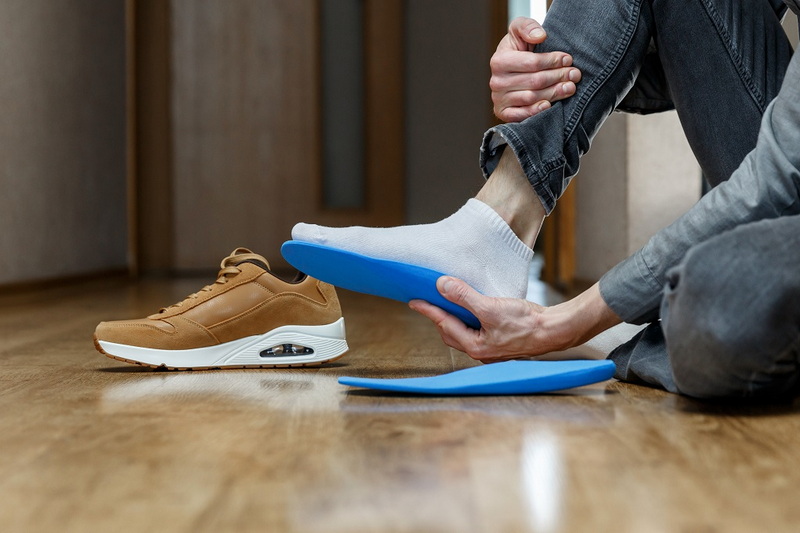
Dr. Scholl is one of the most recognized names in foot care, with a reputation built over decades. The Custom Fit Orthotic Inserts are designed using advanced pressure-mapping technology that identifies key stress points on the feet. Based on this analysis, the brand recommends a specific model suited to the user's foot shape, arch height, and walking pattern.
The inserts combine multiple layers of foam and gel materials, each serving a unique function:
- The top cushioning layer provides immediate comfort.
- The gel layer absorbs shock during walking or running.
- The support base stabilizes the heel and arch for alignment correction.
This design helps relieve common discomforts such as heel pain, overpronation, or flat feet. However, even with these advantages, the materials used in orthotic inserts naturally compress over time, leading to decreased performance.
Most users experience an effective lifespan of six months to one year with Dr. Scholl Custom Fit Orthotic Inserts. Someone who wears them casually in workplace shoes or sneakers may find them supportive for nearly a year. In contrast, runners or people who stand for prolonged hours in labor-intensive jobs may notice wear within six months or even less.
Once the materials lose their original density, they no longer provide proper pressure distribution. Worn-out foam layers fail to absorb impact effectively, which can result in renewed discomfort and fatigue. The lifespan also depends on user habits and the environment in which the inserts are used.
The durability of orthotic inserts can vary widely depending on several practical factors. Understanding these helps users maintain the inserts longer and choose materials more strategically when considering OEM options.
The more frequently you wear your inserts, the faster they compress. Daily wearers, such as retail or healthcare workers, might need to replace their inserts more often than those who use them only during exercise.
High-impact activities like running, hiking, or jumping place greater stress on the foam and gel materials, reducing their structural integrity. Inserts used for sports typically wear out faster than those used in casual shoes or office environments.
Heavier individuals exert more downward pressure on their insoles, which accelerates flattening of the heel and arch areas. Proper weight distribution also plays a role—imbalanced walking patterns can cause uneven wear.
Using orthotic inserts in tight-fitting shoes or improper footwear constrains their ability to flex and cushion effectively, shortening their usable life. Sports shoes tend to pair better with inserts than rigid formal shoes.
Feet produce moisture during the day, and humidity can damage adhesive layers or lead to bacterial buildup. Warm environments also cause quicker material breakdown compared to cool, dry conditions.
The composition of an orthotic insert determines its performance duration. Premium inserts made from medical-grade EVA or polyurethane have better resilience than low-density foams. OEM manufacturers often offer custom material blends to extend durability without compromising comfort.
Replacing orthotic inserts at the right time prevents discomfort and ensures continued support. Some clear signs include:
- Noticeable flattening of the cushioning zones.
- Deterioration or cracking of the base structure.
- Persistent odor or moisture retention.
- Uneven surface or deformation around pressure areas.
- Foot or joint pain reoccurring after extended use.
- Slippage inside shoes due to reduced firmness.
If you experience any of these symptoms, replacing your inserts will help maintain proper body alignment and overall comfort.
Although orthotic inserts will eventually wear out, proper care can prolong their performance and hygiene. Here are some effective maintenance strategies:
- Rotate pairs regularly: Having two or more pairs reduces daily stress on any single insert.
- Air them out daily: Remove inserts after wearing to allow ventilation and moisture evaporation.
- Clean with care: Use a damp cloth with mild soap. Avoid immersing them in water or using a washing machine.
- Store properly: Keep them away from direct heat or sunlight, which can warp their structure.
- Inspect monthly: Regular checks help detect compression, odor, or cracking before issues worsen.
A routine cleaning and drying process not only enhances comfort but also promotes better hygiene for long-term use.
While Dr. Scholl's Custom Fit Orthotic Inserts are convenient for retail consumers, professional buyers and brand owners often explore OEM options from specialized manufacturers in China. As one of China's leading insole suppliers, our company provides custom orthotic solutions that meet both B2C and B2B market demands.
1. Material Customization: OEM factories can adjust foam density, gel hardness, and arch construction according to desired durability, weight support, and performance.
2. Design Flexibility: From color and size to logo branding, every feature can be tailored to match brand identity and customer preference.
3. Production Consistency: Automated processes and strict quality control systems ensure predictable quality and long-term supply stability.
4. Better Cost Efficiency: By manufacturing in bulk, OEM clients significantly reduce the per-unit price while maintaining high material standards.
5. Longevity Optimization: Inserts produced under OEM specifications can be engineered for up to 18–24 months of use, depending on the selected materials.
With decades of experience in insole production, our team uses industry testing methods to measure compression recovery, surface wear, and impact resistance to ensure each product meets durability standards.
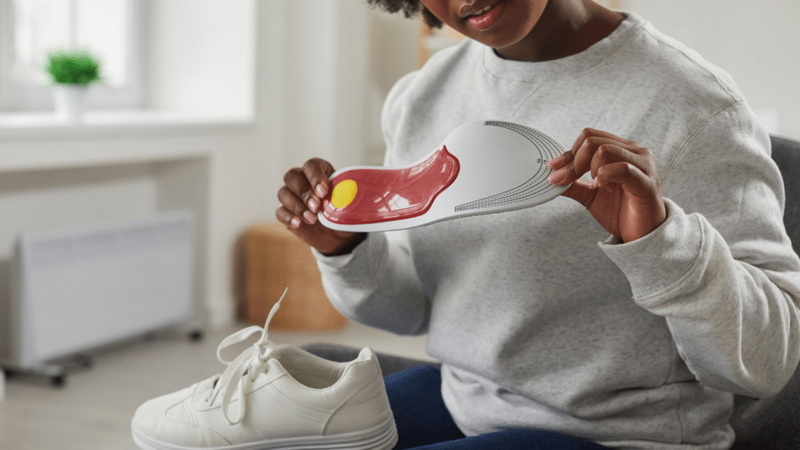
The choice of material directly impacts how long custom inserts last. High-end products combine multiple layers to balance comfort, stability, and lifespan.
- EVA Foam: Lightweight, flexible, and cost-effective, ideal for moderate use.
- PU Foam: Stronger rebound and impact absorption, suitable for heavy-duty applications.
- Gel Inserts: Effective shock absorption but may flatten faster than foam.
- Memory Foam: Contours to foot shape but requires higher density to prevent permanent depression.
- Carbon Fiber or TPU Support Plate: Added structural stability for long-lasting arch support.
OEM manufacturers have the advantage of combining these materials in precise ratios, optimizing support zones and durability based on usage requirements.
Worn-out orthotic inserts may not seem harmful at first, but over time they can lead to posture imbalance, muscle fatigue, and even lower back pain. Properly functioning inserts help align the entire kinetic chain—from the feet to the spine—by maintaining neutral posture. When their cushioning fades, the body must compensate with additional muscle effort, which can result in overuse injuries.
Replacing inserts on time ensures that the pressure distribution remains even, preventing strain on key joints such as knees and hips. This is particularly essential for athletes or professionals who stand for extended hours each day.
Although both Dr. Scholl's Custom Fit Inserts and OEM-manufactured orthotics offer targeted support, they serve slightly different markets:
- Custom Fit systems cater primarily to retail consumers seeking convenience.
- Custom manufactured orthotics delivered by OEMs are optimized for businesses that require brand differentiation or specialized features like anti-fatigue, anti-slip, or odor-control technologies.
Some OEM factories, including ours, provide advanced customization such as 3D arch shaping, antibacterial surface coating, and eco-friendly memory foam alternatives. These options allow global clients to deliver long-lasting comfort to their end-users.
For international brands, wholesalers, or retailers, selling long-lasting insoles provides several market advantages:
- Customer satisfaction: Extended durability means repeat buyers trust your product quality.
- Reduced returns: Stronger material performance minimizes complaints about wear and tear.
- Enhanced brand reputation: Positioning your brand as comfort-oriented and sustainable builds long-term loyalty.
- Eco-conscious appeal: Longer lifespan reduces waste, appealing to environmentally aware buyers.
OEM partnership ensures flexibility in meeting these goals efficiently while offering various durability grades to suit budget and product positioning.
Creating a replacement schedule based on usage type helps maximize comfort:
- Light use (office): Replace every 10–12 months.
- Moderate use (walking, light activity): Replace every 8–10 months.
- Heavy use (sports, labor work): Replace every 6 months or when compression occurs.
Recording the installation date helps track wear objectively. Customers who maintain their inserts well may even extend usability slightly beyond the average range.
As consumer demand grows for eco-friendly products, OEM manufacturers are investing in sustainable materials, such as recycled EVA foam and biodegradable latex alternatives. By reducing environmental impact while maintaining durability, these innovations allow brands to market performance and sustainability together. Some premium lines even integrate organic fabrics for covering layers, improving breathability and skin compatibility.
These developments show that long-lasting comfort can be environmentally responsible without sacrificing quality.
- Always allow your inserts to rest overnight to restore foam elasticity.
- Do not stack multiple insoles inside one shoe, as it can distort the pressure alignment.
- Match insole type with shoe purpose—use athletic inserts for sports and stabilizing inserts for work shoes.
- Replace socks regularly to maintain hygiene and reduce insert odor.
- For sensitive skin, choose inserts with breathable top cloths or antimicrobial coatings.
Following these expert tips helps preserve material properties and ensures consistent foot support throughout the product's lifespan.
China has become the global center for orthotic and footwear accessory manufacturing due to its combination of innovation, skilled production, and cost advantage. Leading OEMs, including our factory, combine advanced molding techniques with imported raw materials to achieve world-standard reliability.
For distributors or new brands, working with an experienced manufacturer guarantees not just supply but technical support, material testing, and prototype development. This professional partnership helps businesses create products that last longer than basic retail inserts and align with market expectations in North America, Europe, and Asia.
Dr. Scholl Custom Fit Orthotic Inserts typically last between six months and one year under normal use. The exact duration varies with the wearer's lifestyle, body weight, and activity level. Visible wear signs such as flattening, odor, and discomfort indicate it's time for replacement. With proper care and periodic cleaning, you can maximize their performance before needing new inserts.
However, for businesses or brand owners seeking higher durability and customization, partnering with a Chinese OEM orthotic manufacturer offers powerful advantages. Through premium materials, precision design, and expert engineering, OEM orthotics can maintain structural integrity for up to two years—delivering better value, performance, and comfort to users worldwide.
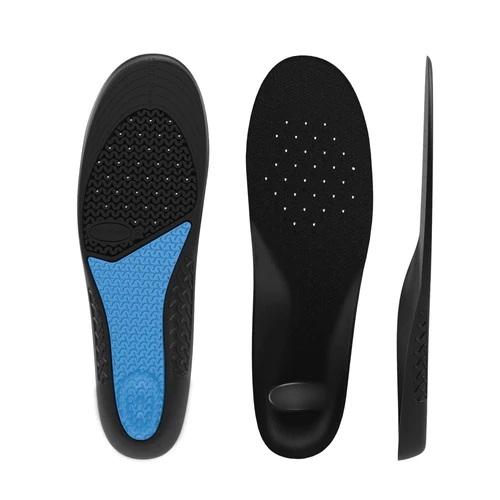
They should be replaced every 6 to 12 months, depending on usage level and visible signs of wear. Light users may get a full year of comfort before replacement is needed.
No. Machine washing can damage the foam and adhesive structure. Always hand-clean using mild soap, then air dry naturally without direct sunlight.
Yes. OEM inserts can be engineered with denser foam, reinforced arch plates, and antibacterial covers, allowing a significantly longer service life compared to retail inserts.
Dr. Scholl's Custom Fit inserts adjust to your general foot type, while custom manufactured orthotics from an OEM are fully tailored for specific brands or user needs, often lasting longer.
Usually not. They're designed for closed shoes where the insole remains stable. However, some OEM factories produce thin, flexible designs suitable for sandals if requested.


