
Views: 222 Author: Amanda Publish Time: 2025-09-02 Origin: Site


Content Menu
● Average Lifespan of Orthotic Inserts
>> Different Types and Their Lifespans
● Factors Affecting the Durability of Orthotic Inserts
● Signs It's Time to Replace Your Orthotic Inserts
● How to Extend the Life of Orthotic Inserts
● Orthotic Inserts and Foot Health: When to See a Professional
● Choosing the Right Replacement Orthotic Inserts
● Frequently Asked Questions (FAQ)
>> 1. How often should I replace my orthotic inserts?
>> 2. Can I clean my orthotic inserts at home, and how?
>> 3. Will orthotic inserts fit all types of shoes?
>> 4. How do I know if my orthotic inserts are worn out?
>> 5. Are custom orthotic inserts worth the extra cost compared to over-the-counter options?
Orthotic inserts are essential devices designed to provide support, comfort, and pain relief for feet suffering from various conditions. Whether they are custom-made or over-the-counter products, orthotic inserts improve foot function and overall mobility. Understanding how long orthotic inserts last and how to maintain them is vital for anyone relying on these supports daily.
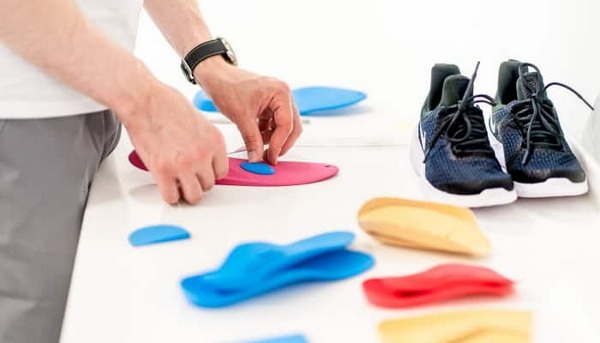
Orthotic inserts, also known as foot orthotics, are specially designed shoe insoles that help correct abnormal foot mechanics and provide additional support. They are used to treat a variety of foot problems, from plantar fasciitis to flat feet, and improve posture and balance. These inserts work by redistributing pressure on the foot, aligning bones and joints to reduce pain and discomfort.
Orthotic inserts come in many forms, from simple cushioned pads to comprehensive custom-made devices tailored specifically for an individual's feet. This customization allows for targeted relief based on unique foot anatomy and biomechanics, which is why proper selection and fitting are essential for effectiveness and durability.
The longevity of orthotic inserts depends heavily on various factors including the materials used, frequency of use, and individual foot characteristics.
- Foam Orthotic Inserts: These provide soft cushioning and comfort, generally lasting between 4 to 8 months. However, foam compresses quickly under pressure, leading to reduced support over time.
- Gel Inserts: Known for excellent shock absorption, gel inserts have an average lifespan of 3 to 6 months. They tend to degrade faster with exposure to moisture or intense physical activity.
- Custom Orthotic Inserts: Made from durable materials like rigid plastics and carbon fiber, custom orthotics usually last from 1 to 2 years with proper care. The longevity depends on how often they are worn and the wearer's activity level.
- Over-the-Counter Orthotic Inserts: These range widely in quality, typically lasting 6 to 12 months. They serve well for general support but may not address specific foot conditions as effectively as custom inserts.
The lifespan estimates reflect typical wear patterns—those who are more active or have heavier body weight may find their inserts needing replacement sooner, while lighter use can extend durability.
Several factors influence how long an orthotic insert will last:
- Frequency and Type of Use: Continuous daily use, especially in heavy-duty activities like running or standing for prolonged periods, accelerates wear.
- User's Body Weight and Foot Pressure: Heavier individuals or those with biomechanical irregularities exert more pressure on inserts, leading to faster breakdown.
- Shoe Type and Environment: Certain shoe designs or exposure to moisture, humid climates, or extreme temperatures can deteriorate orthotic materials more quickly.
- Quality of Materials: Higher-quality materials such as carbon fiber or medical-grade plastic generally last longer than cheaper composites or foam.
- Footwear Fit and Compatibility: Orthotic inserts must fit well within the shoe. Ill-fitting shoes can cause inserts to deform prematurely.
By understanding these factors, users can anticipate when to check for signs of wear and plan timely replacements, maintaining optimal foot health.
Knowing when to replace your orthotic inserts is crucial to avoid discomfort or exacerbation of foot problems.
1. Visible Wear and Tear: Look for cracks, thinning areas, holes, or flattening of the heel and arch supports. Such damage compromises function.
2. Reduced Comfort and Support: Feeling new or recurring foot pain, heel discomfort, or arch soreness typically indicates loss of proper support.
3. Decreased Functionality: Inserts that have lost their shape, feel squished, or no longer fit snugly within your shoe.
4. Unpleasant Odor or Hygiene Issues: Persistent odor may signal bacterial or fungal buildup, especially if inserts are not regularly cleaned.
5. Uneven Shoe Wear: Shoes wearing out unevenly or more quickly can be a sign your foot mechanics have changed, or that the orthotic inserts are no longer effective.
Early recognition of these signs helps prevent foot strain, injury, and declines in overall wellbeing.
Proper care and maintenance are key to extending the lifespan of your orthotic inserts and ensuring they provide the intended support.
- Regular Cleaning: Wipe your inserts weekly with a damp cloth and mild soap, avoiding soaking or machine washing which can damage materials and adhesives.
- Air Drying: After use, remove inserts from shoes and let them air dry at room temperature. This prevents moisture buildup that can lead to degradation or odor.
- Rotate Between Pairs: If possible, have more than one pair of inserts and rotate their use. This allows materials to decompress and reduces continuous stress.
- Protect from Excess Moisture: Avoid exposing inserts to water, sweat, or humid environments. If inserts become wet, dry them thoroughly before reuse.
- Use Compatible Footwear: Always wear orthotic inserts with shoes designed to accommodate them comfortably, which helps maintain insert shape and function.
- Avoid Excessive Heat: Do not leave inserts in hot cars or expose them to direct heat sources, as this can warp or weaken materials.
By adopting these habits, users can significantly delay wear and maintain comfortable, effective foot support.

It's important to have your orthotic inserts evaluated periodically, especially if you experience persistent foot, knee, or back pain. A podiatrist or orthotist can assess your inserts for wear and fit and adjust them accordingly. Custom orthotics may require refitting or replacement after significant changes in your foot health, weight, or activity level.
Additionally, professional guidance ensures that inserts continue to meet your evolving biomechanical needs and prevent potential complications like joint stress or muscular imbalances.
When the time comes to replace your orthotic inserts, selecting the right type is essential for ongoing comfort and effectiveness.
- Custom Orthotic Inserts: These are tailored to your foot's shape and specific conditions, generally offering superior durability and support. Though more expensive, they often provide better long-term value.
- Over-the-Counter Inserts: Suitable for mild support needs and budget-friendly. Ideal for people without severe foot issues, but require more frequent replacement.
- Material Considerations: Materials like carbon fiber are lightweight and long-lasting, while softer foam and gel options prioritize cushioning but wear out faster.
- Activity Level: Choose inserts designed for your primary activities—running, walking, standing, or casual use—to ensure appropriate support.
Consult with a healthcare professional for personalized recommendations, especially if dealing with chronic pain or biomechanical concerns.
Orthotic inserts are indispensable for those seeking relief from foot pain and improved biomechanical support. Their lifespan varies widely based on material quality, usage patterns, and care. Typical orthotic inserts last anywhere from 6 months to 2 years, with custom inserts generally providing longer durability.
Regular inspection for signs of wear, combined with proper cleaning and maintenance, can extend the functionality and comfort of orthotics significantly. Ultimately, timely replacement supports sustained foot health and overall mobility, preventing further injury and enhancing quality of life. Consulting with a specialist ensures that orthotic inserts continue to meet individual needs effectively over time.

Replacement frequency depends on usage, material type, and individual foot mechanics. Typically, orthotic inserts should be replaced every 6 to 24 months, with custom orthotics lasting longer under proper care.
Yes, orthotic inserts should be cleaned regularly using a soft cloth or brush with mild soap and water. Avoid soaking or using harsh chemicals, and always air dry completely before reinserting into shoes.
Not all shoes are suitable for orthotic inserts. Inserts fit best in shoes with removable insoles and adequate interior space. Athletic or supportive shoes often accommodate orthotics better than narrow or dress shoes.
Look for visible damage such as cracks or flattening, loss of comfort, recurring foot pain, and uneven wear patterns on your shoes. These signs suggest it's time for replacement.
Custom orthotic inserts provide tailored support that addresses unique foot conditions and tend to last longer, making them a better long-term investment for many users, especially those with chronic foot issues.
[1](https://www.drcomfort.com/blog/how-long-do-shoe-inserts-last/)
[2](https://evolveprosthetics.com/how-to-care-for-custom-shoe-inserts/)
[3](https://www.associatedpodiatristspc.com/blog/orthotics-how-often-should-they-be-replaced)
[4](https://txfac.com/blog/how-often-do-i-need-to-replace-my-custom-orthotics/)
[5](https://www.canyonfootankle.com/library/insole-maintenance-recommendations-orthotics-care.cfm)
[6](https://www.sutherlandpodiatry.com.au/blog/5-ways-to-tell-your-orthotics-have-worn-out/)
[7](https://footnanklecenters.com/how-long-do-custom-orthotics-last/)
[8](https://columbiapodiatryllc.com/how-to-keep-shoe-inserts-orthotics-fresh/)
[9](https://www.newsteppodiatry.com.au/when-do-you-really-need-new-orthotics-5-key-signs-podiatrist-belconnen-canberra/)
[10](https://caringpodiatry.com/blog/4-signs-its-time-to-replace-your-orthotics)
[11](https://www.podexpert.com/en/blog-comfort-orthopedic-sole-how-to-clean-pxl-153_172_207.html)
[12](https://www.solescience.ca/replace-refurbish-replace-orthotics/)
[13](https://sunsheinpodiatry.com/blog/how-long-will-my-orthotics-last/)
[14](https://www.medi.de/en/faq/foot-orthotics/care/)
[15](https://comfortoneshoes.com/blogs/speak-feet/replace-worn-orthotic-inserts-guide)
[16](https://treadlabs.com/blogs/insoles-reach-your-stride/how-frequently-should-orthotic-insoles-be-changed)
[17](https://treadlabs.com/blogs/insoles-reach-your-stride/how-to-clean-shoe-insoles-essential-care-guide)
[18](https://www.reddit.com/r/running/comments/q5zbrj/how_often_do_you_replace_insertsorthotics/)
[19](https://www.myfootdr.com.au/advice/caring-for-your-orthotics/)
[20](https://my.clevelandclinic.org/health/treatments/orthotics)


