


Content Menu
● Benefits of Using Orthotic Insoles
● Why You Might Need Orthotic Insoles
>> Corrective Custom Orthotics
● Materials Commonly Used in Orthotic Insoles
● How To Choose the Right Orthotic Insoles
>> Step 1: Determine Your Foot Type
>> Step 2: Identify Your Activity Level
>> Step 3: Match the Shoe Style
>> Step 4: Prioritize Comfort Testing
>> Step 5: Consider Breathability and Hygiene
>> Step 6: Factor in Durability
● How OEM Manufacturers Customize Orthotic Insoles
● Where To Buy Orthotic Insoles
● Testing and Quality Assurance
● Industry Standards and Certifications
● Common Mistakes When Buying Orthotic Insoles
● How To Maintain and Replace Orthotic Insoles
● Advancements in Orthotic Insole Technology
● Global Market Outlook for Orthotic Insoles
● FAQ
>> 1. What makes orthotic insoles different from regular shoe inserts?
>> 2. How long should I wear orthotic insoles each day?
>> 3. Are orthotic insoles suitable for all age groups?
>> 4. Can orthotic insoles help with flat feet?
>> 5. How can a brand customize orthotic insoles through OEM services?
Buying orthotic insoles can feel overwhelming, especially with hundreds of styles, materials, and medical claims available online and in physical stores. Whether you are a brand owner, wholesaler, or individual consumer, understanding how to choose and source the right insoles ensures real comfort, durability, and value. This article explores every aspect of orthotic insole purchasing—from understanding their purpose to evaluating manufacturers and maintaining long-term performance.
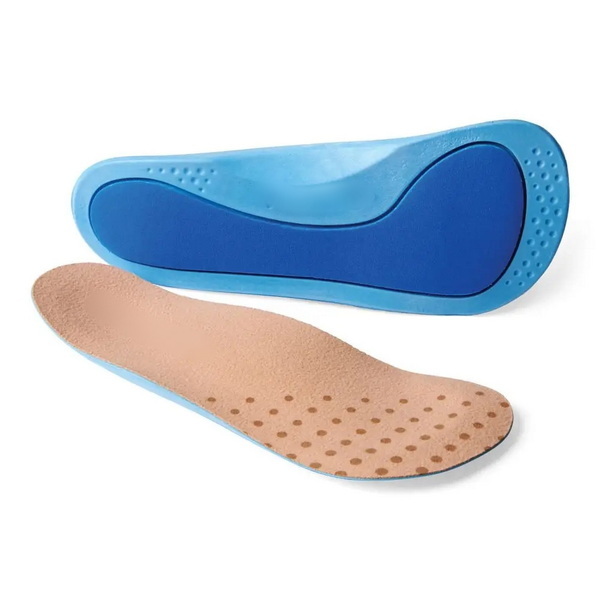
Orthotic insoles are specially engineered shoe inserts designed to align the feet properly and improve posture. Unlike regular cushioning inserts, they serve both corrective and preventive functions. They can relieve pressure, provide stability, and correct irregular walking patterns such as overpronation or flat-footedness.
Medical professionals, athletes, and workers who stand for long hours often use orthotic insoles to reduce pain and enhance performance. For retailers and brand owners, keeping high-quality orthotic insoles in inventory offers customers a valuable upgrade to standard shoe comfort.
Orthotic insoles are not just for medical correction; they bring multiple benefits to users of all ages. Some of the main advantages include:
- Pain Relief: They cushion pressure points in the heel, arch, and forefoot, helping to alleviate pain from plantar fasciitis or other foot conditions.
- Improved Posture: Proper alignment of the feet ensures better balance and reduces strain on knees, hips, and the lower back.
- Enhanced Athletic Performance: Sports insoles can improve energy return and stability during running, training, or hiking.
- Fatigue Reduction: For workers or students who stand long periods, orthotic insoles distribute body weight evenly to prevent fatigue.
- Injury Prevention: Corrective designs protect against overuse injuries like shin splints, Achilles tendonitis, and foot strain.
By offering such benefits, orthotic insoles have become an essential component in footwear customization and health-conscious shoe design.
Many people overlook foot health until discomfort becomes persistent. Orthotic insoles can correct early biomechanical issues before they lead to chronic pain. You might need orthotic insoles if you experience:
- Frequent heel or arch pain after walking or running.
- Uneven shoe wear that indicates irregular gait.
- Pain that radiates from the foot to the knees or lower back.
- Balance issues or ankle instability.
- Discomfort in work or safety boots after standing for long hours.
For wholesalers or brand buyers, understanding these needs allows you to target different consumer segments—such as elderly consumers, athletes, and healthcare workers—with more precision.
Different insoles serve specific needs. Choosing the right one depends on the intended wearer, medical condition, and shoe type.
Designed to support the natural curvature of the foot, arch support insoles help maintain stability and reduce stress on the tendons. They're perfect for users with flat feet or excessive inward rolling of the ankle.
These insoles absorb impact on the heel, providing superior cushioning to manage pain caused by heel spurs or plantar fasciitis. They are commonly used in walking or work shoes.
Ideal for people who overpronate, these rigid or semi-rigid orthotics stabilize the heel and midfoot, promoting balanced alignment with every step.
Constructed from shock-absorbing EVA or TPU, sports insoles deliver maximum energy return and stability for high-impact movements like running, jumping, or court play.
Custom orthotics are 3D modeled based on the shape of the user's feet. They provide precise alignment and comfort for chronic issues like bunions, flat arches, or diabetic-related problems.
These are versatile and suitable for any casual shoe. They emphasize softness and flexibility to provide daily relief without strict medical correction.
The selection of materials affects comfort, longevity, and the level of support an insole can offer. The best manufacturers use a combination of materials to balance cushioning and structure.
- EVA Foam: Known for lightweight flexibility and shock absorption. Ideal for general-purpose comfort insoles.
- PU Foam: Denser and more supportive than EVA, preferred for heavy-duty or industrial footwear.
- Gel: Excellent for energy return and arch cushioning, providing a soft yet resilient feel.
- Memory Foam: Conforms to the shape of the foot, offering personalized comfort but may compress over time.
- Cork and Leather: Found in premium orthotics for long-lasting support and natural breathability.
- TPU or Carbon Fiber: Used in rigid orthotics to maintain arch shape and prevent overpronation.
If you're sourcing products through OEM manufacturing, knowing these material types helps you choose options that fit your target audience and price range.
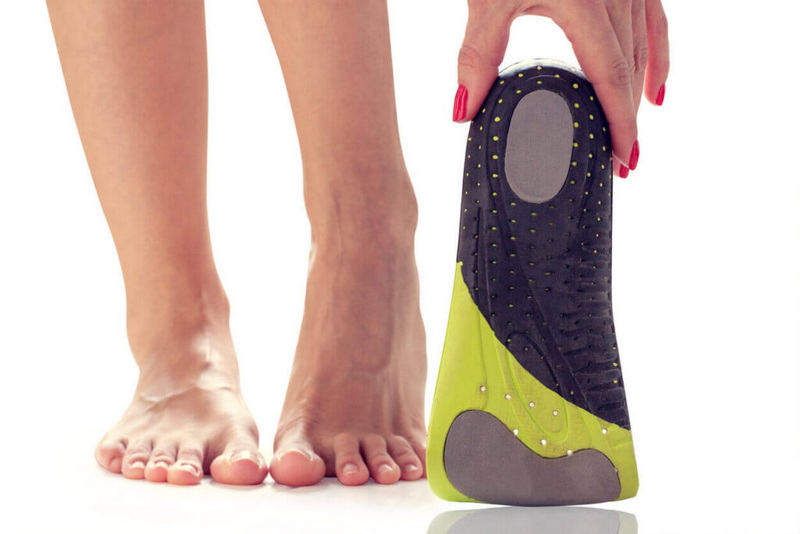
Selecting proper orthotic insoles involves analyzing your foot type, intended use, and the kind of footwear they'll be placed in.
Feet generally fall into three categories—flat, neutral, and high-arched. Each type requires a differently shaped insole for balanced support.
A runner's needs differ from someone with a desk job. High-impact sports need more shock absorption, while casual users can opt for lightweight comfort insoles.
Always ensure that the insole's size and structure match the shoe's interior space. Running shoes need flexible inserts, while safety boots call for durable arch support.
Comfort is subjective. If possible, test various designs for stability, heel cup depth, and walking comfort.
Premium insoles feature antibacterial or moisture-wicking fabrics. This is especially important for athletic users or warm climates.
A high-density material may cost more initially but provides longer wear. Think in terms of performance per month rather than upfront price.
For wholesale or OEM buyers, offering multiple models—each tailored for different purposes—broadens your market reach.
Partnering with a professional OEM manufacturer offers massive benefits for global brands and distributors. Customization not only enhances user satisfaction but also strengthens your brand reputation.
Key OEM customization options include:
- Foot arch shape and rigidity adjustment.
- Material composition (EVA, PU, latex, TPU, or combinations).
- Surface fabric selection for breathability and aesthetics.
- Brand logo printing and custom packaging.
- Optional heel or arch padding for extra specification.
By collaborating with a Chinese OEM insole factory, you can receive professional sample development, cost-effective production, and fast lead times for export.
Buyers today enjoy many channels for purchasing orthotic insoles, depending on their role and need:
- Retail Stores: Ideal for personal buyers who can physically test fit and comfort.
- Online Platforms: Offer variety and convenience but require careful size selection.
- Medical Clinics or Podiatrists: Suitable for individuals needing prescribed orthotics for medical issues.
- OEM Manufacturers: Best for wholesale, branding, and long-term partnership opportunities.
Working directly with a factory eliminates extra distributor costs and provides access to custom molds and branding flexibility. As a trusted insole manufacturer in China, we support custom designs, material recommendations, and export-ready production that meet international standards.
Before mass purchasing or large-scale distribution, always conduct a detailed quality check. High-quality orthotic insoles should demonstrate:
- Balanced firmness between heel and forefoot.
- Secure arch support that doesn't collapse after compression.
- Non-slip surface fabric.
- Consistent thickness and edge shaping.
- Odor and moisture resistance.
Most reliable manufacturers provide sample prototypes or testing reports before finalizing the order. You can also request small pilot batches to evaluate product feedback from your market.
Reliable orthotic insole manufacturing requires strict quality and safety compliance. Always ensure your supplier meets the following standards:
- ISO 9001: For consistent quality management systems.
- REACH/ROHS Compliance: Ensures material safety and environmental responsibility.
- CE Certification: Indicates conformity for sales in European markets.
- BSCI or SEDEX Audit: Guarantees ethical manufacturing and fair labor practices.
Adhering to these standards reduces the risk of import delays, product returns, or compliance issues in regulated markets like Europe and the US.
Even well-intentioned buyers make errors when choosing or sourcing insoles. Avoid these pitfalls:
- Purchasing insoles without confirming arch height compatibility.
- Ignoring material thickness that leads to tight shoe fitting.
- Choosing low-cost foams that compress within weeks.
- Overlooking air ventilation and moisture control.
- Ordering large quantities before testing with sample users.
For export clients, always begin with sample testing and small runs to validate product satisfaction before committing to full production.
Proper care extends product life and maintains hygiene. Follow these simple tips:
- Clean manually with mild detergent and air-dry in a shaded area.
- Avoid machine drying or soaking for long hours.
- Use odor-absorbing powders or inserts regularly.
- Inspect every few months for surface flattening or cracking.
- Replace every six to twelve months depending on usage intensity.
Retailers can include care instructions in their packaging to help customers maintain optimal performance and brand trust.
The insole industry continues to innovate through modern materials and biomechanical design. Leading trends include:
- 3D Printing: Enables precision customization according to physiological data.
- Smart Insoles: Equipped with sensors to track steps, posture, and pressure distribution.
- Eco Materials: Use of recycled EVA and natural latex for eco-conscious consumers.
- Heat-Moldable Insoles: Allow users to customize the fit by heating and molding at home.
Partnering with a technology-forward OEM supplier ensures your brand stays aligned with these emerging consumer demands.
The global orthotic insole market has been consistently expanding due to growing awareness of foot health and the sportswear industry boom. Consumers are becoming more educated about comfort and performance, driving higher demand in developed markets like the US, Europe, and Japan.
Chinese OEM manufacturers have become essential suppliers globally due to quality improvements, flexible order quantities, and advanced production facilities. For importers, choosing a Chinese partner offers a balance of price competitiveness, efficient logistics, and access to the latest ergonomic technologies.
Buying orthotic insoles involves far more than selecting a random pair from an online catalog. It's about understanding the anatomy of the foot, the purpose of each design, and the quality standards that ensure long-term support. Whether you are sourcing for retail, private label brands, or personal use, factors such as material, customization capability, and compliance certification are essential to consider.
For business buyers, working with an experienced OEM manufacturer in China offers customization, competitive pricing, and design flexibility that align with market needs. Well-chosen orthotic insoles can enhance comfort, prevent foot fatigue, and improve health — making them one of the most rewarding footwear investments.
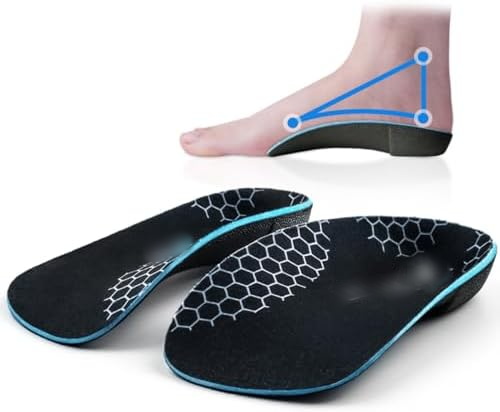
Orthotic insoles are biomechanically engineered to correct foot alignment and relieve pressure, whereas ordinary inserts mainly offer cushioning without corrective benefits.
Start with one to two hours daily and gradually increase as your feet adjust. Consistent use leads to noticeable comfort and posture improvement.
Yes. Orthotics benefit children developing posture, adults with active lifestyles, and elderly users experiencing foot fatigue or joint pain.
Absolutely. Specially designed arch support or motion control insoles help lift and stabilize the foot arch, reducing pain caused by overpronation.
OEM suppliers offer full customization of materials, shapes, hardness levels, packaging, and branding, allowing companies to create unique, market-specific designs.


