
Language


Content Menu
● Understanding Inflatable Foam Insoles
● Common Materials and Construction
● Why Use Inflatable Foam Insoles?
● Preparation Before Inflation
● Locating and Understanding the Valve
● Tools for Inflating Foam Insoles
● Step‑By‑Step Inflation Procedure
● Testing Comfort and Adjusting Air Volume
● Safety and Over‑Inflation Considerations
● Suitability for Different Users
● Compatibility With Different Shoe Types
● OEM and Branding Opportunities
● Quality Control for Bulk Orders
● Marketing and User Education
● Environmental and Lifecycle Considerations
● FAQ
>> 1. How firm should inflatable foam insoles feel?
>> 2. How often should the air level be checked?
>> 3. Can inflatable foam insoles be used without removing the original shoe insole?
>> 4. What should be done if one insole loses air faster than the other?
>> 5. Are inflatable foam insoles suitable for people with medical foot conditions?
Inflatable foam insoles make it possible to fine‑tune comfort, support, and fit in almost any type of footwear. This upgraded version of the guide expands the technical details, usage scenarios, and OEM customization options, forming a complete, long‑form article suitable for international brands, wholesalers, and manufacturers. The content below integrates the original text and additional sections into a single, coherent article with a clear heading structure.
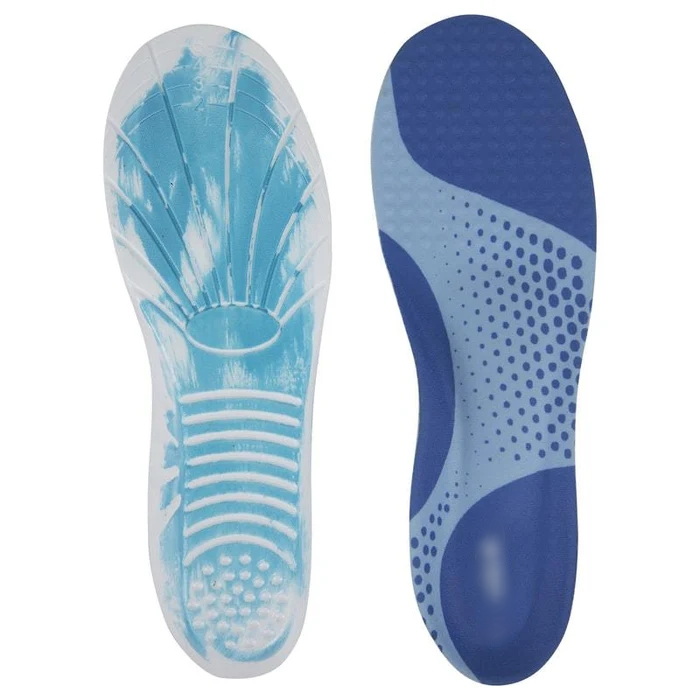
Inflatable foam insoles are cushioning inserts that combine conventional foam materials with an internal air chamber. The air chamber can be filled or adjusted by the wearer to change firmness and support level. Instead of relying on one fixed density, the insole becomes a small adjustable system that responds to different feet, shoes, and activities.
The core idea is simple: foam offers softness and shock absorption, while air gives adjustable volume and pressure distribution. When properly inflated, the insole helps reduce hot spots, limit pressure on sensitive areas, and provide a closer fit in shoes that feel too loose. This combination is particularly attractive for people who spend long hours standing, walking, or working in demanding environments.
Foam insoles with inflation features can be built from several types of cushioning materials. Ethylene vinyl acetate foam is popular for lightweight resilience and flexibility. Polyurethane foam is often used when brands want a more durable or supportive structure. Some advanced lines also use thermoplastic materials, blended compounds, or layered constructions that combine soft top layers with firmer bases.
Inside the insole, one or more air pockets or channels are integrated into the foam matrix. These internal structures connect to a small valve or port that allows air to move in and out. The valve is typically placed near the heel edge, arch zone, or side of the insole. This design allows for inflation without compromising the smooth surface under the foot.
Inflatable foam insoles offer several advantages over fixed‑density inserts. First, they provide a personalizable level of softness and support. People with different body weights, foot shapes, and activity levels can adjust air volume to suit their own needs. Second, they help brands address multiple comfort requirements with one product rather than producing many different variants.
Another benefit is fit correction. When shoes are slightly larger than desired, additional insole volume can take up extra inner space and reduce heel slippage. Conversely, air can be released if the wearer needs a slimmer profile. For retailers and distributors, this flexibility helps reduce returns due to minor fit issues and can improve overall user satisfaction.
Before inflating foam insoles, a short preparation process ensures consistent results. Remove any existing factory insoles from the shoes so that the inflatable pair can sit flat and stable. Check that the shoe interior is clean and dry. Inspect the new insoles for visible damage, such as cuts, cracks, or deformed valves.
Place each insole on a flat surface with the top cover facing upward. Confirm which one is for the left and which is for the right shoe by examining the arch shape and heel contour. Make sure the valve is accessible and not blocked by stitching or edge trim. If a manual pump or inflation tool is included in the packaging, keep it nearby.
The valve is the gateway between the outside air and the internal foam‑air system. It can appear as a small round opening, a discreet plug, or a mini connector integrated into a reinforced area of the insole. Some designs use a one‑way valve that automatically seals after inflation, while others require the user to twist or press the valve to lock it.
Take a moment to gently press around the valve area with your fingers. The surrounding region may feel slightly firmer because it contains channels or air pathways. Understanding this layout helps you avoid bending or twisting the port too sharply during inflation. A clear view of the valve also makes it easier to attach the pump in a straight line, which reduces the risk of leaks.
Most inflatable foam insoles are supplied with one of two common tools. The first tool is a small hand pump that has a soft or tapered tip designed to fit tightly into the valve opening. The second is a syringe‑style device that allows for precise control over the amount of air delivered. Both methods can work well when used gently and consistently.
When using a pump, the simple pump‑and‑release motion increases air volume inside the insole. When using a syringe‑style device, the user pushes down on the plunger to add air. In some designs, a trace amount of liquid may be used during initial setup, but the exact procedure depends on the manufacturer's instructions and the product's technical design.
Begin by inserting the pump or syringe tip into the valve. Hold the insole firmly with one hand while guiding the tool straight into the opening. Once the connection feels secure, start inflating slowly. Use a steady rhythm rather than fast, forceful strokes. During this process, pay attention to how the insole expands and how the foam responds.
After several pump motions, pause and gently press the top of the insole with your fingers. It should feel thicker and slightly firmer, but not rock hard. The surface should still compress under moderate pressure. If the design uses a manual sealing mechanism, close or twist the valve according to the product instructions once you reach the desired volume.
Repeat the same process on the second insole. Try to use roughly the same number of pump strokes or the same plunger movement for both sides so that the left and right feel similar. Minor differences can be fine‑tuned later by releasing or adding a small amount of air.
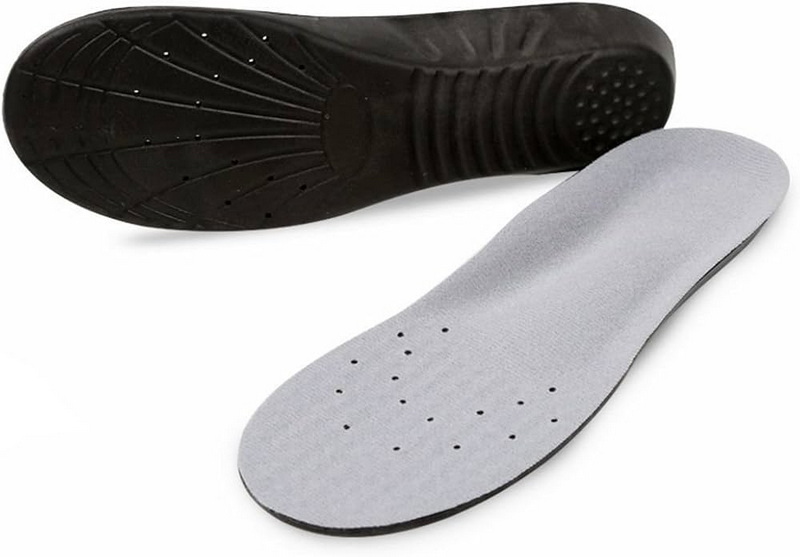
Place the inflated insoles into the shoes with the correct orientation. Make sure they lie flat against the bottom and do not fold or buckle near the arch or toe area. Put on the shoes and walk around for a short period on a hard, even surface. Focus on how your heels, arches, and forefeet feel.
If the insoles feel overly hard or create an uncomfortable bulge, take them out and release a little air through the valve. If they feel too soft or compressed, add more air gradually. The goal is to find a balance where the insole supports the arch and heel while still providing cushioning. Because every foot is different, this fine‑tuning step is crucial.
Once the ideal inflation level is set, the insoles can remain in the shoes for daily use. However, real‑world conditions may change how they feel over time. Temperature, humidity, and body weight fluctuations can slightly affect internal pressure. It is good practice to reassess comfort after long walks, workouts, or changes in footwear.
If you move the insoles between multiple pairs of shoes, expect to make small adjustments each time. The inner volume and shape of one shoe model can differ from another, even within the same size range. Taking a few minutes to adjust air volume when you swap shoes helps preserve both comfort and insole lifetime.
Cleaning inflatable foam insoles helps maintain hygiene and performance. Remove them from the shoes and wipe the top surface and edges with a soft cloth dampened with mild soap solution. Avoid soaking the insoles or leaving them in very hot environments, as extreme conditions can weaken both foam and valve materials.
Inspect the valve periodically for dust, lint, or dried residue. If buildup is present, gently clean the area around the port without inserting sharp objects. In day‑to‑day use, avoid bending the valve sharply when removing or inserting the insole. Proper handling prevents leaks and extends the functional life of the inflation mechanism.
Over‑inflation is one of the main risks for inflatable foam insoles. Too much internal pressure can stretch the foam cells, strain bonding layers, and potentially cause permanent deformation. As a rule, inflate in small increments and test frequently instead of trying to reach maximum volume in one step.
Another safety factor is stability. If the insole becomes excessively tall in the heel or arch region, it may raise the foot too high within the shoe, which can compromise balance and heel lock. This is especially relevant in sports footwear or work boots, where sudden movements and heavy loads are common. Always prioritize a stable, secure fit over extreme cushioning.
Inflatable foam insoles can benefit many user groups. Standing workers in warehouses, factories, retail, and hospitality settings often appreciate the ability to relieve pressure on the heels and forefeet. Office workers who spend part of the day on their feet can also gain from the increased comfort.
People with sensitive feet, mild arch issues, or general discomfort may experience better relief when they adjust air volume to match their unique needs. However, users with serious medical conditions, severe deformities, or persistent pain should always consult healthcare professionals before relying on any insole system.
Before committing to a large purchase or full‑scale deployment, test inflatable foam insoles in the specific shoe types you have in mind. Casual sneakers, walking shoes, and many work boots usually pair well with this kind of insert. Dress shoes with narrow toe boxes or very low volume may require more careful matching of thickness and shape.
High‑performance athletic shoes sometimes include sophisticated midsoles and removable factory insoles. In those cases, inflatable foam insoles can still work, but they should not interfere with the original stability features. Test combinations thoroughly to confirm that the adjustable insole does not compromise traction, midfoot lockdown, or lateral support.
For brands, wholesalers, and manufacturers, inflatable foam insoles open up attractive OEM and private‑label opportunities. A specialized factory can provide different shapes, top fabrics, color schemes, and packaging designs. Logos can be printed or embossed on the top cover, sidewall, or heel area.
Beyond visual branding, technical customization is also possible. The thickness profile, foam density, arch contour, and valve type can all be adapted to match the positioning of the client brand. For example, an outdoor brand may request more rugged, moisture‑resistant foam and reinforced valves, while a fashion‑oriented line may focus on slim profiles and elegant coverings.
When working with an OEM insole supplier, quality control is critical. Brands should request samples from different production runs and test them for consistency in foam hardness, inflation behavior, and valve performance. Repeated inflation and deflation cycles help reveal potential issues such as slow leaks or uneven expansion.
It is also wise to check dimensional accuracy, ensuring that the shape and size match the specified standards for each shoe size. Clear communication between the brand and the factory about tolerance ranges, material certificates, and testing requirements will reduce complaints and returns later in the distribution chain.
Inflatable foam insoles can be positioned as a value‑added comfort upgrade in product catalogs and online listings. To maximize acceptance, user education is important. Simple instructions printed on packaging, leaflets, or product pages help consumers understand how to inflate and adjust their insoles correctly.
Demonstration content can make a strong impact. Short step‑by‑step clips or animated demonstrations showing how to locate the valve, connect the pump, inflate gradually, test the fit, and fine‑tune pressure can build confidence and reduce misuse. Retailers and online sellers can also train staff or customer support teams so they can answer basic questions about inflation and maintenance.
Foam insoles, including inflatable types, eventually wear out and must be replaced. Brands that target eco‑conscious consumers can explore more sustainable material options, such as partially recycled foam or more durable compounds that extend service life. Longer‑lasting insoles mean fewer replacements and reduced resource consumption over time.
At the end of the insole's life, clear guidance can help users dispose of them responsibly according to local regulations. Research into recyclable or modular designs is ongoing in the broader footwear industry, and manufacturers that invest in greener solutions may gain a competitive edge.
Inflatable foam insoles provide an adaptable approach to foot comfort, blending the softness of foam with the tunable support of an air system. By following a careful process of preparation, controlled inflation, comfort testing, and periodic adjustment, users can achieve a tailored fit for different shoes and activities. For international brands, wholesalers, and manufacturers, these products also represent a flexible OEM platform that can be customized in both function and appearance to suit multiple market segments.
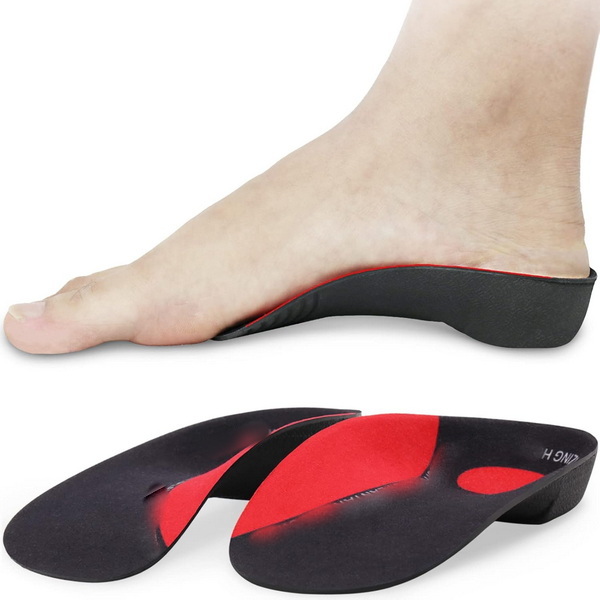
They should feel supportive yet still compress when pressed under the heel and arch. If the insoles feel as hard as the shoe midsole or cause localized pressure, release some air and test again until the cushioning feels balanced and comfortable.
It is advisable to check the air level periodically, especially after long periods of use or significant temperature changes. If the insoles start to feel flat or too soft, add a small amount of air. If they feel too firm or raise the foot too high, release some air.
In many cases, the original insole should be removed to avoid overcrowding the interior of the shoe. Leaving both in place can make the fit too tight and may place the foot higher than intended, which can affect stability. Only layer insoles if the shoe has extra volume and the combined thickness has been tested.
First, inspect the valve area of the slower insole for dirt, damage, or incomplete sealing. Make sure the valve is fully closed and not twisted or bent when placed in the shoe. If the issue persists, it may indicate a defect, and the product should be replaced or reviewed with the supplier.
They can offer extra adjustability that some people find helpful, but they are not a substitute for professional medical advice. Individuals with chronic pain, serious deformities, or complex conditions should consult a healthcare professional before relying on inflatable insoles for long‑term support or corrective use.


