
Views: 222 Author: Edvo Publish Time: 2025-12-16 Origin: Site


Content Menu
● Understanding Arm & Hammer Memory Foam Comfort Insoles
● The Importance of Proper Trimming
● Tools and Materials You Will Need
● Step-by-Step Guide to Trimming Arm & Hammer Memory Foam Insoles
>> Step 1: Remove the Existing Insoles
>> Step 2: Align and Trace Precisely
>> Step 3: Begin Cutting Gradually
>> Step 4: Test the Fit in Your Shoes
● Tips for Achieving a Professional Finish
● Caring for Trimmed Arm & Hammer Insoles
● Benefits of Properly Trimmed Memory Foam Insoles
● How to Choose the Right Shoe Type for These Insoles
● The Science Behind Memory Foam Comfort
● Insights from OEM Insole Production
● FAQ
>> 1. How can I avoid accidentally cutting my insoles too short?
>> 2. Can I trim the insoles while they are inside the shoes?
>> 3. What happens if the insole still feels too thick after fitting?
>> 4. Are trimmed insoles washable?
>> 5. How long will trimmed Arm & Hammer memory foam insoles last?
A perfectly fitted insole can make a world of difference when it comes to footwear comfort. Arm & Hammer Memory Foam Comfort Insoles are known for combining odor control, pressure relief, and adaptive cushioning—all in one design. However, because every shoe model has slight size and shape differences, these insoles often need trimming before use.
Trimming is not only about adjusting length; it's about ensuring a seamless interaction between the shoe interior and the insole's ergonomic contour. Done correctly, it enhances comfort, prevents slippage, and maximizes the insole's lifespan. This detailed guide will walk you through every step of trimming Arm & Hammer Memory Foam Comfort Insoles, explaining tools, materials, methods, and common mistakes to avoid.
If you represent a shoe company, retailer, or brand sourcing foam insoles globally, understanding this process also reflects the quality standards consumers expect from custom OEM insole production.
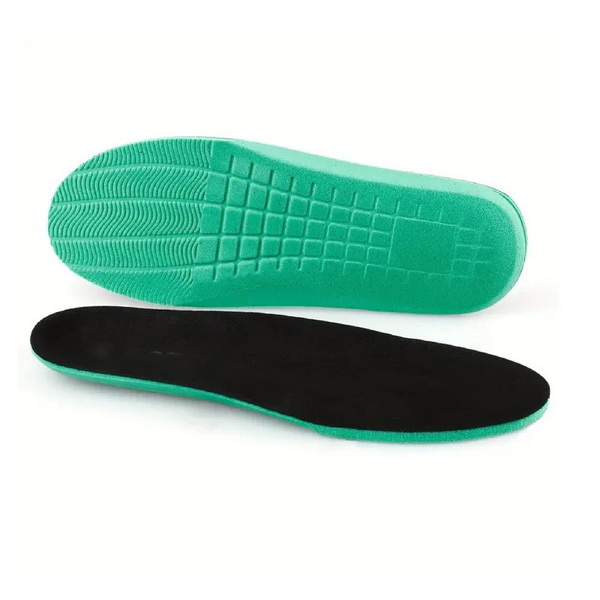
Arm & Hammer Memory Foam Comfort Insoles utilize adaptive foam technology to cradle the foot and maintain freshness through odor neutralization. The foam's structure reacts to body temperature, molding naturally to the pressure points of your foot while rebounding each time you remove your shoes.
- High-density memory foam: This material compresses under pressure but quickly rebounds once released, offering both comfort and durability.
- Odor control formula: Infused with Arm & Hammer baking soda and antimicrobial layers that neutralize odor.
- Moisture-wicking surface: Keeps feet dry by absorbing and releasing moisture efficiently.
- Shock absorption design: Reduces strain during walking, standing, or running for long hours.
- Trim-to-fit outline: The front edges include printed cutting lines for easy customization.
Such structure-oriented design makes them compatible with various shoe categories, including sneakers, formal shoes, boots, and workwear footwear.
Trimming your insoles correctly ensures they sit flush with the shoe interior without creases or folds. Poor trimming not only affects comfort but can lead to misalignment, instability, or deterioration of the foam near the edges.
Here's why trimming matters:
- Manufacturer sizing differences: Two shoes marked the same size can differ slightly in interior space.
- Enhanced breathability and odor control: Proper surface contact maintains airflow and odor absorption.
- Improved foot stability: A correct fit distributes pressure evenly, protecting your arch and heel.
- Extended insole life: Less internal shifting means fewer friction points and slower wear.
- Optimized energy return: Flat contact with the midsole enhances responsiveness in both walking and running.
Think of trimming as crafting a precision-fit component—every millimeter contributes to your daily comfort.
You don't need professional workshop tools to trim memory foam insoles effectively. Thoughtful preparation with a few household items ensures clean, accurate results.
- Sharp scissors or hobby knife: For clean, streamlined cuts. Dull blades can tear the foam and create jagged edges.
- Permanent marker or fine-tip pen: To trace outlines accurately.
- Existing shoe insole: This serves as the perfect physical template.
- Flat, solid surface: Provides stability during tracing and cutting.
- Clean cloth or towel: To keep the insole surface free of dust for visibility.
- Flexible ruler or measuring tape: Helps confirm proportions before trimming.
- Small sandpaper piece: Optional, but useful for lightly smoothing rough edges.
- Good lighting: Ensures you can see every contour clearly.
Attention to detail in tool preparation reduces the risk of mistakes during cutting.
Start by taking the original insoles out of your shoes, if possible. Most modern footwear includes removable insoles that match the internal contour perfectly. Use one of these as your master reference for tracing.
If the insoles are non-removable (like in some dress or safety shoes), measure the interior length with tape, or press tracing paper into the inside of the shoe to create a manual outline.
Lay both the new and old insoles on a flat, well-lit surface. Line them up carefully at the heel end. Since toes are usually the section that requires trimming, always ensure that the heel alignment is exact before making any markings.
Hold your original insole steady and use your marker to draw around its edge on the underside of the Arm & Hammer insole. Focus on smooth, single-stroke lines to avoid confusion during cutting.
Using a sharp pair of scissors, start cutting along the outline you marked. Follow the traced line as smoothly as possible to maintain the foam's uniform structure. Keep your movements steady rather than fast—slow precision gives cleaner results.
It's better to cut minimally on your first attempt because you can always trim more if the insole doesn't fit yet. Cutting too short, however, cannot be reversed.
After trimming one insole, insert it into your shoe and check how well it sits. It should lay perfectly without curling. Press down with your hand around the toe area and sides—there should be no raised corners.
Stand up and walk a few steps to feel for even pressure. The heel should rest deep and stable, while your toe area should not cramp against the inner edge. Repeat trimming in very small increments if needed. Once you achieve a perfect fit, use the finished piece as your reference for cutting the second insole.
If the edges feel rough, lightly sand or smooth them using fine-grit sandpaper. This is optional but can make insertion easier and prevent edge peeling over time. For neatness, tap away foam dust gently before inserting back into your shoes.
- Always trim one insole at a time so you can use the first one to guide the second.
- If your shoes are asymmetrical (common in specialized running shoes or boots), mark left and right separately to reflect differences.
- Consider leaving an extra millimeter of space at the toe for thick socks or swelling after long periods of walking.
- Never fold the insole to fit; always re-trim instead.
- Clean your scissors or knife before cutting to prevent glue or residue drag marks.
These fine details create that “factory-perfect” finish similar to pre-sized inserts made by OEM manufacturers.
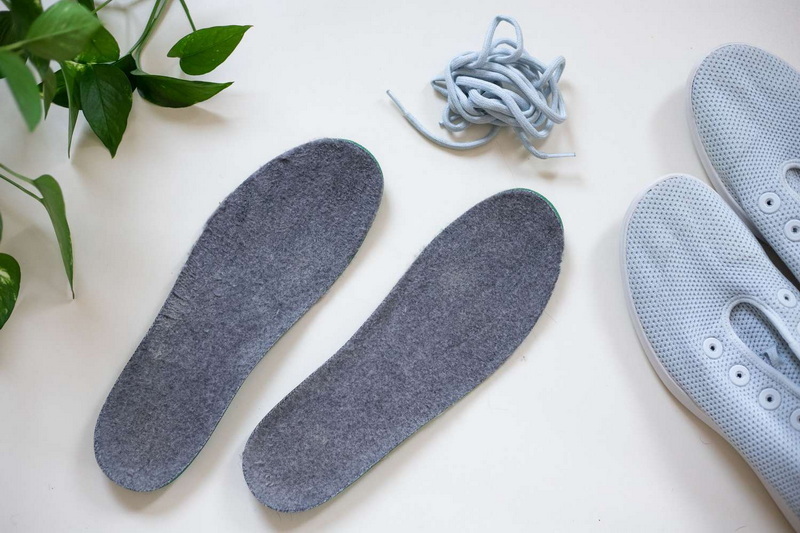
Even experienced users occasionally make missteps when customizing insoles. Avoiding these will save both time and material:
- Over-trimming too quickly: Always trim in multiple rounds, testing each time.
- Incorrect orientation: Cutting upside down can reverse the left and right sides accidentally.
- Using the wrong reference shoe: Ensure the original insole is from the exact pair you plan to use.
- Ignoring arch support position: Misalignment here can cause long-term discomfort.
- Rushing the process: Memory foam adjusts slowly—pause for a few minutes during tests to allow it to rebound before judging fit.
Preventing these errors ensures optimal fit and longer comfort.
Once you've cut and fitted your insoles, proper care keeps them fresh and resilient for months.
- Wipe them with a damp cloth using a mild detergent or gentle soap solution.
- Air dry at room temperature; avoid heaters, dryers, or direct sunlight, which can warp memory foam.
- Sprinkle a small amount of baking soda occasionally to boost odor absorption.
- Avoid soaking in water, as memory foam tends to trap moisture.
- Rotate between two pairs of insoles if you wear the same shoes daily—it extends both sets' life span.
- Store in a cool, ventilated place when not in use.
- Replace them every 4–6 months, depending on activity level and visible wear.
Arm & Hammer insoles are extremely durable, but even high-quality foam eventually loses elasticity after heavy use.
In certain scenarios, trimming may not be appropriate:
- Orthopedic insoles or custom medical inserts: Modifying their structure can disrupt therapeutic benefits.
- Gel hybrid designs: Some gels are sealed by layers that should remain intact for cushioning to work.
- Fixed-shape specialty footwear: Certain cycling or ski boots require exact match insoles produced by the manufacturer.
Always review the packaging or consult the product guide before trimming advanced or medical-grade inserts.
A correct trim transforms how your shoes feel, combining personalized comfort with enhanced stability.
- Precision fit: The insole complements the shoe interior perfectly.
- Comfort optimization: Relieves stress on heels and forefoot by aligning with pressure zones.
- Odor resistance: Maximizes airflow and exposure of Arm & Hammer's odor-control compounds.
- Postural improvement: Keeps feet centered for better alignment and reduced fatigue.
- Footwear protection: Prevents premature tearing or deforming of inner linings.
The result is a smart balance between performance, hygiene, and day-long comfort—suitable for both casual and professional use.
While Arm & Hammer Memory Foam Insoles suit nearly all shoe styles, trimming methods slightly differ depending on footwear type:
- Sneakers and trainers: Usually require trimming only at the toes. Ensure sufficient toe room to maintain flexibility.
- Work boots: Provide thicker interiors. Some cutting precision may be needed at both sides.
- Dress shoes: These require very clean cuts for aesthetic fitting. Keep edges smooth and symmetrical.
- Running shoes: Make sure the heel area is stable; proper curve alignment ensures motion control.
- Casual slip-ons: Leave minimal spacing to prevent sliding during walking.
Understanding the shoe's internal support zones helps align your trims with ergonomic intent.
To appreciate the importance of accuracy during trimming, it helps to understand how memory foam functions. When weight and heat are applied, the polyurethane foam cells compress, displacing air and softening selective areas to conform to body contours. As pressure lifts, the cells rebound slowly—this property is known as viscoelasticity.
A uniform fit allows equal weight distribution across the surface. Uneven edges, however, can compress prematurely, causing asymmetric foot pressure and eventual soreness. Hence, trimming precision directly affects both comfort and biomechanical performance.
As a leading Chinese insole manufacturer, we produce memory foam and hybrid insole lines for global brands. Our OEM and private-label services emphasize cutting accuracy, material reliability, and ergonomic testing. Every customized insole template undergoes size calibration trials to ensure consistent fit across batches.
We use advanced die-cutting and heat press shaping to maintain foam density after trimming, replicating natural foot curvature. For buyers sourcing custom insoles globally, the same precision principle applies on a larger scale—each trimming or shaping stage determines product satisfaction.
Partnering with an OEM factory enables footwear brands to customize everything from contour structure, perforation pattern, and moisture-wicking fabrics to branding and retail packaging. Whether your market requires sport-grade insoles, eco-friendly foam inserts, or industrial footwear cushioning, the underlying process remains rooted in fit accuracy and memory foam science.
Trimming Arm & Hammer Memory Foam Comfort Insoles is both simple and rewarding when done carefully. The process helps the insole match your shoe shape perfectly, eliminates pressure spots, and unlocks the full benefit of its adaptive comfort system. What may seem like a small adjustment can dramatically enhance walking comfort, balance, and overall foot health.
For distributors, retailers, or footwear brands, understanding the intricacies of trimming and fitting ensures better communication with your consumers and reinforces product credibility. As an experienced Chinese OEM manufacturer, we offer full customization services for memory foam insoles and other foot care products — delivering quality craftsmanship trusted by international partners.
By respecting details—both during production and individual trimming—you guarantee every step feels lighter, healthier, and perfectly balanced.
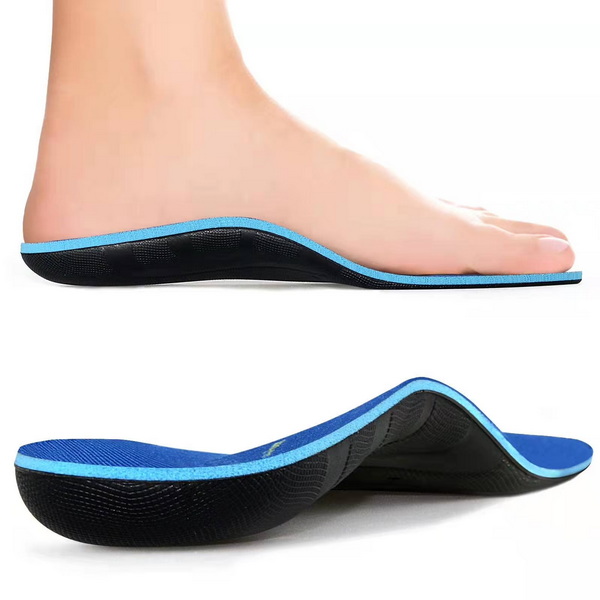
Always trim less than you think you need, then test fit before continuing. Incremental trimming yields precise, controllable results.
No. Always remove them to ensure clean cutting lines and prevent damaging your shoes' interior fabric.
You can leave them to settle for a few days; memory foam compresses slightly with use. If discomfort remains, try a thinner sock or a low-profile model.
They are not machine washable. Gently hand-wipe instead. Machine washing may distort foam density and detach odor-control layers.
With regular use and proper care, they typically last between four to six months. Active users might require replacements sooner.


