
Language
Views: 222 Author: Amanda Publish Time: 2025-09-12 Origin: Site


Content Menu
● What Are Arch Support Insoles?
● Benefits of Using Arch Support Insoles
● How to Choose the Right Arch Support Insole
● Step-by-Step Guide on How to Use Arch Support Insoles
>> Step 1: Assess Your Foot Condition
>> Step 2: Select the Suitable Arch Support Insole
>> Step 4: Insert the Arch Support Insoles
>> Step 5: Break in Your Arch Support Insoles Gradually
>> Step 6: Monitor Comfort and Adjust if Needed
>> Step 7: Maintain and Replace Your Insoles
● Additional Tips for Maximizing Arch Support Insoles' Benefits
● Suitable Shoes for Arch Support Insoles
● How Arch Support Insoles Help Common Foot Conditions
>> Flat Feet
>> Heel Spurs
>> Overpronation and Supination
● How to Determine Your Arch Type at Home
● OEM Services for Arch Support Insoles
● Frequently Asked Questions (FAQ)
>> 1. How long does it take to get used to wearing arch support insoles?
>> 2. Can I use arch support insoles in all types of shoes?
>> 3. How often should arch support insoles be replaced?
>> 4. Are arch support insoles safe for children?
>> 5. Can arch support insoles permanently fix foot problems?
Arch support insoles play a vital role in providing comfort, stability, and pain relief for people with foot problems or those seeking better foot support during daily activities. This comprehensive guide will help you understand what arch support insoles are, how to choose the right ones, and, most importantly, how to use them effectively to maximize their benefits. Whether you are an athlete, someone who stands for long hours, or a person recovering from foot pain, this article will cover every detail you need and provide practical tips supported by detailed explanations.

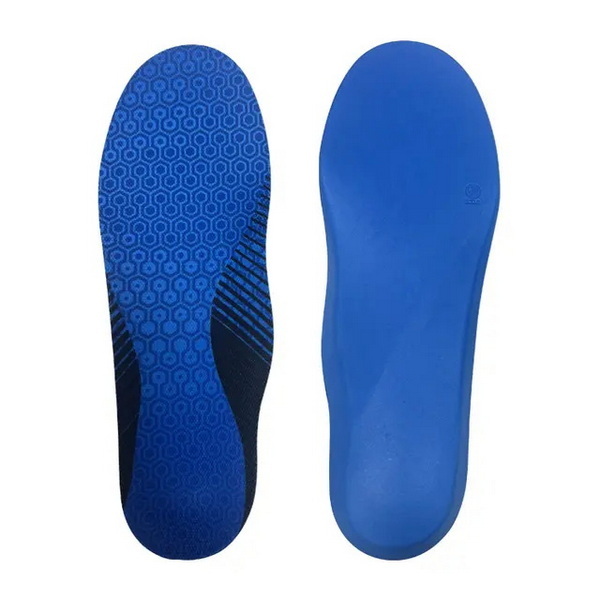
Arch support insoles are specially designed shoe inserts that provide additional support to the arch area of your foot. Their primary function is to maintain proper foot alignment and reduce strain on muscles, ligaments, and tendons. Proper arch support is essential for people suffering from flat feet, plantar fasciitis, overpronation, or other foot and leg conditions. These insoles work by redistributing pressure across the bottom of the foot, improving posture and reducing fatigue.
Arch support insoles offer multiple benefits that can contribute to overall foot health and comfort:
- Improved Foot Alignment: They help distribute pressure evenly across your feet, reducing abnormal wear and stress.
- Pain Relief: Insoles can alleviate discomfort linked to plantar fasciitis, heel pain, arch strain, and shin splints.
- Enhanced Stability: Better arch support provides improved balance and decreases the risk of ankle sprains or falls.
- Increased Comfort: Insoles cushion the feet during standing or prolonged walking, helping reduce tiredness.
- Support for Athletic Performance: Appropriate arch support helps athletes maintain correct foot biomechanics, enhancing endurance and reducing injury risks.
Selecting the correct arch support insole is crucial to get the most benefit. Consider the following factors when choosing one:
- Arch Type: Identify if you have low, medium, or high arches. The most common arch types require different levels of support.
- Material: Arch support insoles come in various materials such as foam, gel, cork, polyurethane, or a combination. Foam and gel offer cushioning, cork is rigid for firm support, and polyurethane balances comfort and durability.
- Sizing: Insoles should fit your shoe size snugly without causing tightness. Many insoles can be trimmed for a perfect fit.
- Special Features: Some insoles feature heel cups, metatarsal pads, or reinforced arch wings for targeted relief.
- OEM Customization: For brands, opting for OEM services allows customization based on customer preferences or regional foot anatomy variations.
Understanding your foot's unique condition is the first step. Note if you have any pain in your heels, arches, or ankles, and how your feet feel during walking or standing. A professional podiatrist can provide an accurate analysis, including gait assessment and arch measurement.
Once you identify your needs, select the insole that matches your arch height, material preference, and foot size. Gel insoles are ideal if you require shock absorption, while firm insoles are better for those with high arches needing maximum arch retention.
Remove existing insoles or liners from your shoes before inserting the arch support insoles. This ensures more room and a better fit. Also, clean the inside of your shoes to avoid trapping dirt or moisture against the new insoles.
Place the new insoles inside your shoes so the arch area of the insole matches the natural arch of your foot. The insoles should sit flat without curling or bunching, providing consistent support throughout the footbed.
Arch support insoles may initially feel unfamiliar or cause minor discomfort. Start by wearing them for one to two hours daily, gradually increasing wear time to allow your feet to adapt to the new support.
If discomfort or pain persists, check that the insoles are positioned correctly. Some models can be trimmed on the edges for better fitting. If problems continue, consult your podiatrist about alternative options or custom orthotics.
Keep your insoles clean by wiping with a damp cloth regularly and allowing them to dry. Insoles typically last 6 to 12 months depending on material and usage. Replace them when they lose cushioning, begin to deform, or cause discomfort.

- Always wear shoes that fit well and complement the insoles for better foot stability.
- Combine insole use with foot strengthening and stretching exercises to enhance overall foot health.
- Rotate insoles between different pairs of shoes to prolong their lifespan.
- Avoid prolonged use in heavily worn or poor-fitting shoes to prevent foot strain.
- If using arch support insoles for athletic activities, select ones designed for high-impact protection.
Arch support insoles are designed to fit best in shoes with removable insoles such as:
- Athletic shoes, running or training sneakers
- Walking and hiking boots
- Casual everyday shoes with enough internal volume
- Work shoes designed for long hours standing
Avoid using arch support insoles in tight-fitting dress shoes, sandals without footbeds, or shoes without removable liners, as they may cause discomfort or poor fit.
Flat-footed individuals have limited natural arch support, leading to overpronation and foot fatigue. Arch support insoles help lift the arch, improving foot alignment and preventing instability during movement.
This painful inflammation of the plantar fascia ligament becomes more manageable with insoles featuring firm arch support and cushioned heel cups. These features reduce ligament strain and provide shock absorption during walking.
Heel spurs cause localized pain in the heel area. Insoles with deep heel cups cushion and redistribute pressure away from the heel spur, reducing discomfort during weight-bearing activities.
Abnormal foot rolling during gait can lead to joint and muscle stress. Arch support insoles help correct these imbalances by stabilizing the foot and promoting proper alignment.
You can perform a simple wet test to identify your arch type:
1. Wet the bottom of your foot.
2. Step onto a dry, flat surface like a paper or concrete.
3. Observe the footprint:
- A wide, full footprint indicates low or flat arch.
- A print with a medium curve suggests a normal arch.
- A narrow footprint with a distinct curve means high arch.
Knowing your arch type helps in choosing the most effective arch support insoles.
Our manufacturing facility offers professional OEM services for arch support insoles, catering to overseas brands, wholesalers, and producers. We customize insoles according to your design, material choice, arch height, and packaging needs to meet diverse market requirements. Working with us means receiving high-quality, competitively priced insoles with flexible MOQ and reliable delivery, ideal for scaling your brand internationally.
Arch support insoles are essential for enhancing foot comfort, correcting alignment, and reducing pain associated with various foot conditions. When properly selected and used, they provide long-lasting benefits, improving your overall foot health and daily comfort. Integrating arch support insoles into your footwear, combined with appropriate shoe choices and foot care routines, ensures better balance, reduced fatigue, and injury prevention. For brands and retailers, collaborating with trusted OEM manufacturers guarantees superior product quality and customization tailored to your customer base.
Most people adapt within a few days to two weeks by gradually increasing daily wear time. Minor initial discomfort is normal but should subside as your feet adjust.
Insoles work best in shoes with removable footbeds and adequate interior space. Tight shoes or sandals without proper footbed accommodation may not be suitable.
Usually every 6 to 12 months depending on wear frequency and material durability. Replace insoles when cushioning and support decrease or they become misshapen.
Yes, but it is recommended to consult a pediatric specialist for children's foot development and proper arch support monitoring.
While they effectively relieve symptoms and improve biomechanics, insoles do not cure underlying medical issues. They should be part of a comprehensive foot health approach.


