
Views: 222 Author: Edvo Publish Time: 2025-11-28 Origin: Site


Content Menu
● Understanding Your Arch Type Before Using Insoles
>> Flat, Neutral, and High Arches
>> Simple Ways to Check Your Arch Type
>> Typical Symptoms Linked to Arch Problems
● Choosing the Right Arch Insoles
>> Support Level and Footbed Construction
>> Matching Insole Volume to Shoe Type
● Step‑by‑Step: How To Insert Arch Insoles
>> Step 1 – Remove Existing Insoles
>> Step 3 – Align the Arch and Heel
>> Step 4 – Walk and Micro‑Adjust
>> Step 5 – Pair Matching and Symmetry
● Using Arch Insoles in Different Shoes
>> Work Boots and Safety Shoes
● Wearing Schedule and Break‑In Tips
>> Gradual Increase in Wear Time
>> Recognizing Normal vs. Abnormal Sensations
>> Adjusting for Different Activities
● Cleaning, Maintenance, and Replacement
>> Typical Replacement Intervals
● Safety Tips and When to Seek Professional Help
>> Situations Requiring Caution
>> When Professional Assessment Helps
● Practical Tips for Daily Use
>> Combine with Good Footwear Choices
● FAQ
>> 1. How do I know if I need arch insoles?
>> 2. Can I use arch insoles in every pair of shoes?
>> 3. How long do arch insoles usually last?
>> 4. Are arch insoles safe to use without seeing a doctor?
>> 5. What if arch insoles make my feet hurt more?
Using insoles for arches correctly can ease foot pain, improve alignment, and make walking, working, or exercising more comfortable. This extended guide explains how to choose, fit, and use arch insoles in real life, and how to maintain them for long‑term support.
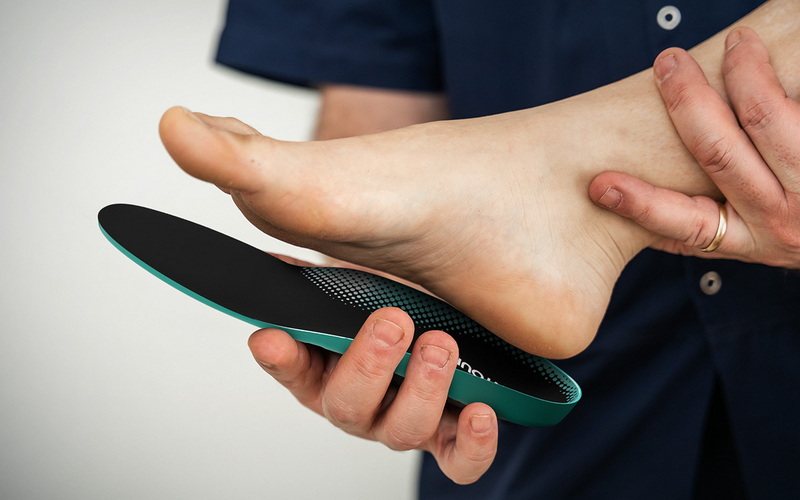
Knowing your arch type is the foundation of using insoles effectively because the same insole can feel very different on flat, neutral, or high arches. When you match insole design to your arch structure, you reduce the risk of discomfort and maximize support.
Flat or low arches tend to roll inward excessively, so they usually need more structured support and a stable heel cup to control motion. Neutral arches often do best with moderate arch support that spreads pressure evenly without feeling too aggressive. High arches usually need a mix of targeted support and extra cushioning to handle impact, because they do not absorb shock naturally as well.
One common method is the “wet test,” where you wet your foot, step on a piece of paper, and examine the footprint shape. A very full imprint suggests a low arch, a moderate imprint with a noticeable curve indicates a neutral arch, and a narrow imprint with a thin connection between heel and forefoot points to a high arch. You can also notice how your shoes wear out; heavy wear on the inside edge often suggests overpronation, while wear on the outer edge can suggest supination.
People with arch issues often report morning heel pain, burning under the arch, or fatigue that increases after standing. Pain can also spread to the ankles, knees, hips, or lower back because poor foot alignment affects the entire kinetic chain. Recognizing these signs early makes it easier to select and use insoles before problems become severe.
The right insole should match your arch type, your shoe style, and your activity level. When these three elements are aligned, you get better comfort and longer‑lasting support.
Orthotic insoles are designed to control motion and hold the arch in a healthier position, making them suitable for flat feet, overpronation, and plantar fasciitis. Cushioned arch supports focus more on comfort and shock absorption while still offering a gentle arch contour. Flat cushion insoles mainly add softness underfoot and are more about comfort than structural correction.
Rigid support offers strong control and is often used when there is significant overpronation or structural deformity. Semi‑rigid support gives a balance between control and flexibility, making it a good starting point for many people. Fully cushioned footbeds with flexible arches are ideal when the primary goal is reducing fatigue rather than correcting mechanics.
High‑volume insoles fit best in deeper footwear like running shoes, hiking boots, and work boots. Medium‑volume designs suit everyday sneakers and many training shoes. Low‑volume insoles or three‑quarter‑length supports are better for dress shoes, loafers, and other slim styles where there is less space.
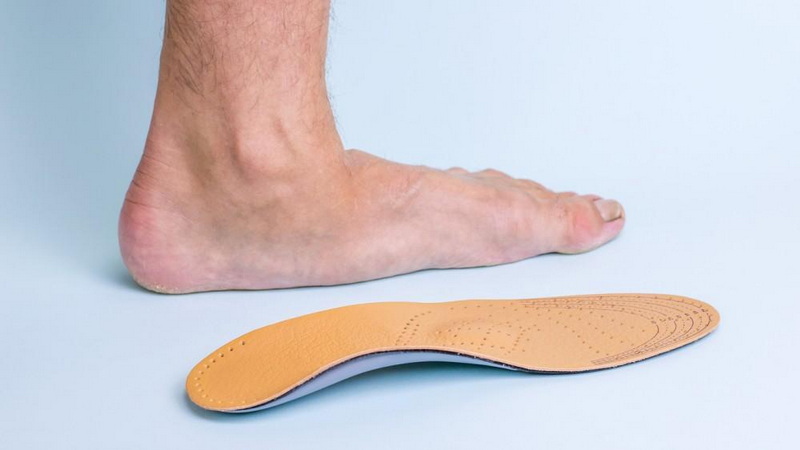
The way you place and adjust your insoles can determine whether they feel supportive or uncomfortable. Follow a clear sequence when inserting them into your shoes.
First, take out the original insole or thin liner from the shoe if it can be removed. This creates enough space for the new insole and prevents the foot from sitting too high inside the shoe. If the original footbed is glued in place and very thin, you can sometimes leave it, as long as the new insole still lies flat.
If the new insole is slightly too long, use the old insole as a template and trim only from the toe area in small increments. After trimming, slide the insole into the shoe and confirm that the edges sit smoothly without curling. If the insole buckles or lifts, take it out and trim a little more from the front.
Place the insole so that the heel sits securely in the heel cup and the highest part of the arch lines up with the natural arch of your foot. The arch should not sit under the ball of the foot or directly under the heel. When standing, you should feel a firm but comfortable lift in the mid‑arch area, not a sharp pressure point.
Lace or fasten the shoe, stand up, and walk several steps on a hard floor. If you feel the arch support too far forward, remove the insole and slide it slightly back; if it feels too close to the heel, move it forward. Small changes of just a few millimeters can significantly change comfort.
Repeat the entire procedure with the other shoe, but do not assume both sides will be identical. Many people have small differences between left and right feet, so you may need tiny position adjustments for each shoe to feel perfectly balanced.
Not all shoes interact with insoles in the same way. Understanding how to adapt your approach for each shoe type helps you stay comfortable across your wardrobe.
Running shoes usually have removable insoles and a flexible forefoot, making them very compatible with full‑length arch supports. When using a firm insole, make sure the shoe can still bend at the ball of the foot so your stride remains natural. For high‑impact activities, look for insoles that combine structured arch support with cushioning under the heel and forefoot.
Work boots and safety shoes often have deeper interiors and stiffer soles, which pair well with thicker or more supportive insoles. When you insert a new insole, check that the toes still have adequate clearance inside the safety cap. People who stand on concrete floors all day often benefit from insoles that add both support for alignment and cushioning for impact.
Dress shoes, loafers, and slim casual styles can be more challenging because of limited space inside. Low‑profile or three‑quarter‑length insoles often work better in these models, as they support the arch without crowding the toes. Another option is to place slim adhesive arch pads under the existing liner to subtly raise the arch.
Some sandals have removable or replaceable footbeds where thin arch supports can be placed. Others allow adhesive pads to be fixed directly onto the footbed under the arch area. In these open designs, correct position and secure adhesion are very important to prevent slipping when you walk.
Even when fitted correctly, new arch support can feel unusual at first. A structured break‑in plan reduces the chance of discomfort and makes adaptation smoother.
Start by wearing the insoles for one to two hours on the first day, then increase by an hour or two per day as long as your feet feel comfortable. During the first week, you can alternate between shoes with and without insoles to allow your muscles and ligaments to adapt. After this period, most users can wear insoles for a full day without problems.
Mild tiredness in the arches, calves, or ankles is common as your posture and gait adjust. However, sharp pain, burning, or numbness are warning signs that either the arch height, rigidity, or position is not suitable for you. In such cases, shorten wear time, adjust positioning, or try a different support level.
You might find that a supportive insole feels good for walking but too aggressive for running at first. It is acceptable to use one pair for daily wear and a more flexible or cushioned pair for sports until your body adapts. Over time, many people can standardize to one style, but there is no problem using different insoles for different tasks.
Regular care keeps insoles hygienic and ensures they keep working as intended. Overused or damaged insoles can lose support and even cause new pain.
After heavy use, especially in hot weather, remove the insoles to let both the shoe and the insole air‑dry. You can usually clean the surface with a soft cloth or sponge and mild soap, then allow them to dry at room temperature. Avoid direct sunlight or heaters, which can deform materials or break down glues.
Check the arch area and heel cup regularly for signs of flattening, cracks, or permanent compression. If the insole feels softer, the arch contour is less noticeable, or your old pain begins to return, it may be a sign that the insole has worn out. Inspect the top cover for peeling edges or holes, which can irritate the skin or cause blisters.
For everyday wear, many users replace insoles every six to twelve months, depending on body weight, intensity of activity, and material quality. People who run frequently or stand all day may need to replace them sooner. Custom or premium insoles can sometimes last longer, but they also require regular checks.
Arch insoles are helpful tools, but they are not a substitute for medical evaluation when serious problems are present. Knowing when to ask for expert advice is part of using them correctly.
If you have diabetes, significant circulation problems, or loss of sensation in the feet, do not use new insoles without guidance from a healthcare professional. Any visible deformity, such as a severe bunion, rigid flatfoot, or collapsed midfoot, also warrants professional evaluation before adding strong arch support. Ignoring these factors could lead to pressure points or skin damage.
If over‑the‑counter insoles and careful fitting do not reduce pain after a consistent trial period, consider a visit to a podiatrist or orthopedic specialist. These professionals can analyze your gait, arch structure, and joint alignment and may recommend custom orthotic insoles. Custom devices are especially useful for complex biomechanical issues or people who have not responded to standard products.
Once your insoles are fitted and broken in, a few small habits can help you get the greatest benefit. These tips are especially useful if you use insoles during long work shifts or sports.
If possible, avoid wearing the same shoes and insoles every single day. Rotating between at least two pairs of shoes allows each pair to dry completely and reduces odor build‑up. You can also maintain two sets of insoles, one for each shoe, to avoid repeated transferring and wear on the edges.
Insoles work best inside shoes that already have a stable base, supportive heel counter, and suitable width. Very worn‑out or overly flexible shoes can reduce the effectiveness of even the best insoles. Whenever possible, pair insoles with quality footwear so both elements support each other.
Using insoles for arches starts with understanding your own arch type and selecting a design that matches both your feet and your footwear. With careful trimming, correct positioning, and a gradual break‑in schedule, arch insoles can improve comfort, alignment, and performance in everyday life and sports. Regular cleaning, inspection, and timely replacement keep them effective, while attention to warning signs and professional advice ensures they remain a safe and helpful part of your foot‑care routine.
You may benefit from arch insoles if you regularly experience arch, heel, or mid‑foot pain, especially after long periods of standing or walking. Visible overpronation, flat or very high arches, and shoes that wear unevenly at the edges are also strong signs that additional support could help.
You can use arch insoles in many shoes, but they work best in models with removable liners and enough depth to accommodate the added thickness. For tight dress shoes or low‑profile sneakers, a thin or three‑quarter‑length insole, or a slim adhesive arch pad, is usually more appropriate.
The lifespan depends on body weight, activity level, and material quality, but many insoles used daily last around six to twelve months. Heavy runners, workers who stand on hard floors, or people with higher body weight may need to replace their insoles more frequently.
For mild aches, fatigue, or general comfort, most healthy adults can safely try over‑the‑counter arch insoles as long as they follow a gradual break‑in schedule. If you have serious pain, a history of foot surgery, diabetes, or significant deformities, you should consult a healthcare professional before relying on insoles.
Temporary muscle fatigue is common at first, but sharp or increasing pain suggests that the arch height or stiffness is not suitable, or the insole is not positioned correctly. Reduce wear time, adjust placement, or try a softer or lower‑profile design, and seek professional advice if discomfort continues.


