
Language
Views: 222 Author: Edvo Publish Time: 2025-12-16 Origin: Site


Content Menu
● Understanding Memory Foam Insoles
● Preparing to Wash Memory Foam Insoles
>> Step 3: Prepare Cleaning Solution
>> Step 4: Spot Test the Cleaner
● Step-by-Step Guide: How to Wash Memory Foam Insoles
>> Step 2: Use Baking Soda for Deep Odor Control
>> Step 4: Pat-Dry with a Towel
● Optional Deep Cleaning Method
● Alternative Cleaning Techniques
● Common Mistakes to Avoid When Washing Memory Foam Insoles
● Benefits of Regularly Washing Memory Foam Insoles
● How to Maintain Clean Memory Foam Insoles Between Washes
● When to Replace Memory Foam Insoles
● Eco-Friendly Cleaning Recommendations
● Expert Tips for Long-Lasting Memory Foam Insoles
● The Science Behind Memory Foam Durability
● Importance of Hygiene for Foot Health
● FAQ About Washing Memory Foam Insoles
>> 1. Can I machine wash memory foam insoles?
>> 2. How often should I wash my memory foam insoles?
>> 3. What if my insoles still smell after cleaning?
>> 4. Can memory foam insoles dry in direct sunlight?
>> 5. Should I use disinfectant spray after washing?
Memory foam insoles have become one of the most comfortable and supportive insole materials available today, particularly popular in sneakers and casual shoes. They provide remarkable shock absorption and contour perfectly to the natural curves of your feet. However, this same softness and flexibility mean they easily absorb sweat, moisture, and odor. Without proper cleaning, they can accumulate bacteria, lose their cushioning, and cause unpleasant smells.
Knowing how to wash insoles of sneakers memory foam properly is essential for personal hygiene and product durability. This article walks you through every step of the cleaning process—from preparation to drying—while explaining how to maintain your memory foam insoles for long-lasting comfort and health.
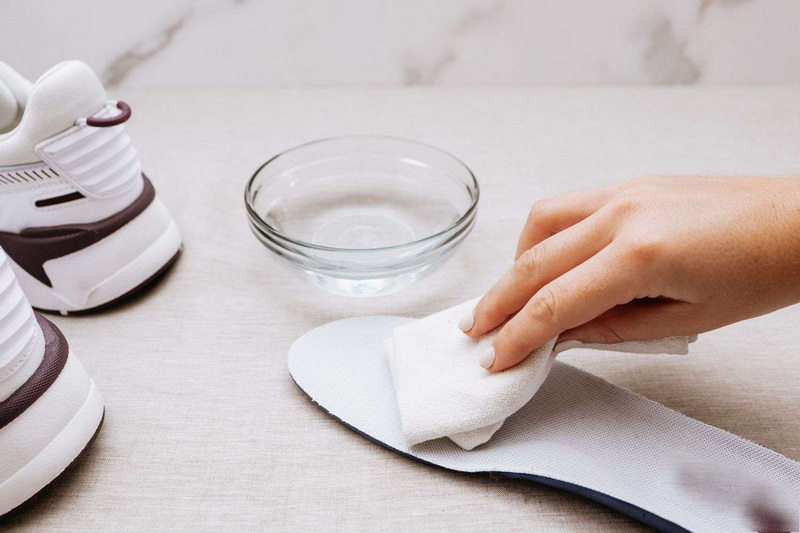
Memory foam is made of polyurethane infused with additional compounds that allow it to adjust to your foot's shape through body heat and pressure. Unlike traditional flat insoles, memory foam provides customized comfort, distributing weight evenly and easing stress on pressure points.
Over time, however, sweat and moisture from your feet penetrate the foam structure. Since memory foam traps air within its cells, it can retain this moisture longer than other materials, making it a breeding ground for bacteria and odor. Dirt and oils also break down the foam, reducing its elasticity. Cleaning and drying them correctly restores effectiveness and prevents long-term damage.
Signs that your memory foam insoles need cleaning include persistent odor, discoloration, loss of cushioning, visible stains, or when your shoes start to smell even after airing.
Before washing, gather your cleaning materials and inspect the insoles for any visible damage. Preparation ensures a smooth cleaning process and helps you avoid mistakes that may harm the foam.
Always remove memory foam insoles gently from your sneakers. If they are glued, loosen them carefully to prevent tearing. Never pull forcefully.
Shake or brush off small stones and dirt particles from both sides. You can use a soft toothbrush or microfiber cloth for areas with texture or grooves.
Use a bowl or basin with lukewarm water and add a few drops of mild detergent or gentle hand soap. The temperature should be comfortable to the touch—not hot—as heat damages the foam's internal structure. Avoid bleach or alcohol-based products.
Before soaking, test your cleaning solution on a small part of the insole. If the color or texture changes, switch to a milder product to avoid damaging the material.
Once you have these steps complete, you can begin washing safely and effectively.
Immerse one insole at a time in your cleaning solution. Use a soft sponge or cloth to clean the top and bottom surfaces carefully. Circular motions help lift surface dirt without scratching the foam. Focus on high-contact zones like the heel and arches.
Baking soda is an excellent natural deodorizer. If your insoles have accumulated sweat odor, sprinkle a small amount before washing or mix a teaspoon into the detergent solution. Massage it gently onto the insole's surface and let it sit for a few minutes before rinsing.
After cleaning, rinse the insoles thoroughly with cool running water to remove all soap residue. Soap left behind can stiffen the foam after drying or irritate your skin. Avoid squeezing or twisting them because excessive pressure can cause cracks and permanent deformation.
Press both sides gently between two clean towels to remove surface moisture. Do not wring or fold the insoles. A towel helps absorb most water before air drying.
Lay the insoles flat on a clean surface at room temperature. The drying area should be well-ventilated, shaded, and away from direct sunlight or heat sources like radiators or dryers. Direct heat can harden the foam and reduce flexibility.
Drying may take up to 24 hours or longer depending on humidity. Wait until the insoles feel completely dry before placing them back in your shoes.
For heavily soiled insoles or insoles with strong odor buildup, consider a deeper cleanse every few months.
1. Mix equal parts of water and white vinegar in a spray bottle.
2. Spray lightly over the soiled areas and wait for 10 minutes.
3. Wipe gently using a damp cloth to neutralize the smell.
4. Follow with mild detergent washing and rinse with clean water.
Vinegar naturally disinfects bacteria and removes tough odors while remaining gentle enough for foam.
If you want to refresh your memory foam insoles between washes, try these low-maintenance techniques.
Sprinkle a generous layer of baking soda onto both sides of the insole and leave overnight. The next day, shake off the powder or brush it away. It absorbs odor and moisture effectively.
Use shoe disinfectant sprays specifically made for foam. Spray lightly and allow to air dry. Avoid chemical-based foot sprays not meant for fabric or foam materials.
For mild smells, place your insoles inside a sealed plastic bag and keep them in the freezer for several hours. The low temperature kills odor-causing bacteria. Let them return to room temperature before use.
Proper drying and care routines significantly extend the life of your memory foam insoles. Since memory foam acts like a sponge, improper drying can leave moisture inside, leading to mildew or odor problems later.
- Always lay insoles horizontally instead of hanging them.
- Flip occasionally to ensure both sides dry evenly.
- Place them near a fan for better airflow.
- Never use dryers, irons, or direct heat.
- Clean your insoles every 2–4 weeks, depending on usage frequency.
- Remove them after heavy workouts or rain to dry separately.
- Store shoes in ventilated areas, not sealed boxes.
- Replace insoles periodically when comfort declines or odor persists.
Consistent care ensures both your shoes and insoles stay fresh, maximizing comfort and hygiene throughout their lifespan.
Even well-intentioned cleaning can go wrong if you're unaware of how delicate memory foam truly is.
Here are frequent errors people make and how to avoid them.
- Machine washing or drying: This breaks down foam cells and warp shape. Always hand wash.
- Using boiling or hot water: Heat ruins foam elasticity and causes hardening.
- Using excessive detergent or bleach: These chemicals strip foam coating and reduce softness.
- Skipping rinsing: Soap residue can irritate your skin and trap odors.
- Storing wet insoles: Moisture encourages bacterial growth that leads to unpleasant smells.
Following safe cleaning methods protects the foam's texture, structure, and cushioning capabilities.
Routine cleaning offers more than just appearance improvement. It enhances performance, hygiene, and comfort.
Washing removes accumulated sweat, bacteria, and fungi that thrive in warm, damp environments. This prevents not only foul smell but also foot infections.
Dust and oils can compact the foam, reducing its softness over time. Washing rejuvenates the foam cells, allowing them to recover their natural bounce.
By removing contaminants, you preserve the structural integrity of the foam, extending its usable life. Clean insoles also protect your sneakers from internal wear.
Freshly cleaned insoles allow sneakers to breathe better, reducing internal humidity and keeping your feet cooler for longer.
Even with proper washing, small daily habits help keep your memory foam insoles long-lasting and odor-free.
1. Use shoe deodorizers like activated charcoal or cedar wood balls when not wearing sneakers.
2. Wear moisture-wicking socks to minimize sweat absorption.
3. Air-dry shoes after exercising or exposure to rain.
4. Alternate footwear to give each pair time to dry naturally.
5. Avoid walking barefoot on insoles, especially if your feet are damp.
Simple behavioral changes can significantly improve hygiene and prolong product life between washes.
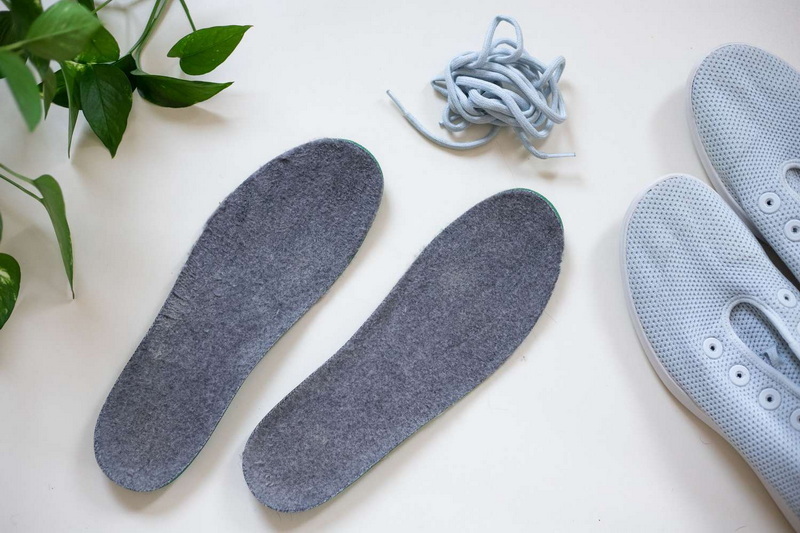
No matter how carefully you wash them, memory foam insoles will eventually wear out because of continuous compression.
Replace your insoles if you notice:
- The foam doesn't rebound after pressing.
- Stains or odors persist even after thorough cleaning.
- Cracks, flattening, or deformation occur.
- Comfort and support feel uneven while walking.
For people who wear sneakers daily or use them for sports, replacing memory foam insoles every six to nine months helps maintain performance and hygiene. Manufacturers often recommend periodic renewal to ensure maximum support and odor control.
Sustainability plays a growing role in footwear care as consumers aim to reduce their environmental impact. Here's how to clean memory foam insoles in an eco-friendly way.
- Choose biodegradable detergents free from ammonia or phosphates.
- Use minimal water by spot-cleaning rather than full soaking.
- Air-dry naturally instead of using electricity-based dryers.
- Consider recycling worn-out insoles or donating old but usable pairs to organizations that refurbish footwear.
Eco-conscious cleaning supports both your comfort and the environment.
Professional insole manufacturers and footwear designers recommend several additional steps for maintaining memory foam material quality.
- Avoid wearing memory foam insoles in shoes exposed to heavy moisture such as hiking boots during rainy seasons.
- Store unused insoles flat and away from direct heat sources.
- Apply a light fabric protector spray approved for foam to add resistance to bacteria and odor.
- Consider custom covers if your insoles are removable; washable covers make cleaning faster and reduce direct wear.
These expert care measures help retain cushioning and support even after continuous use.
The viscoelastic structure of memory foam contains thousands of microscopic air pockets that compress under pressure and return to their original shape when released. This flexibility gives the soft, supportive feeling we associate with premium sneakers.
However, once moisture or oil enters these air gaps, they can collapse, losing bounce and comfort. Washing removes contaminants, allowing the foam cells to restore and retain air flow. Gentle cleaning methods, especially those avoiding heat, help preserve this molecular structure for long-term use.
Proper maintenance therefore isn't just aesthetic—it's fundamental to the physics of the material itself.
Apart from maintaining product integrity, cleaning memory foam insoles directly impacts foot health. Dirty insoles harbor bacteria that may cause athlete's foot, fungal infections, and odor. A clean insole prevents skin irritation and reduces sweat buildup, allowing your feet to breathe and stay dry.
For athletes, this can mean fewer blisters and less fatigue after long activity sessions. For casual wearers, it means consistent comfort throughout the day. Clean footwear directly contributes to better posture, higher confidence, and overall wellbeing.
Learning how to wash insoles of sneakers memory foam is simple but crucial for prolonging comfort, hygiene, and durability. Memory foam thrives when treated with care—avoid machine washing, stick to gentle hand-cleaning, rinse thoroughly, and allow proper air drying.
Clean memory foam insoles enhance your walking comfort, protect against odors, and prevent bacterial growth. Regular maintenance not only revitalizes cushioning but also extends the life of your sneakers. With just a few consistent care habits, you can keep your shoes fresh, supportive, and pleasant every day.
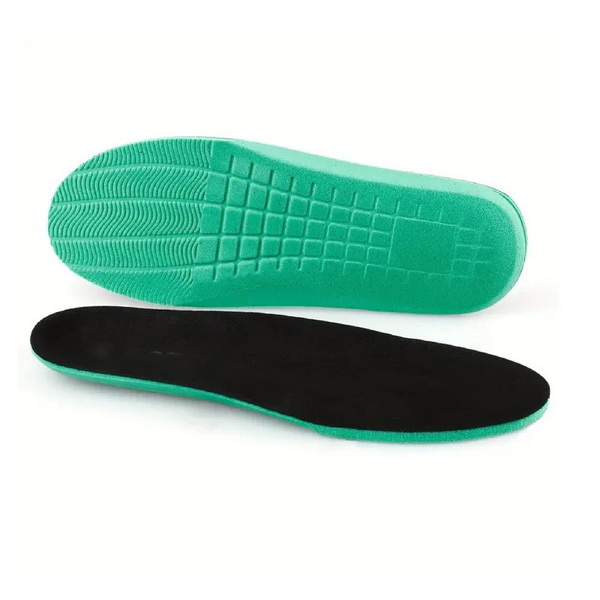
No, always hand wash them. Machine washing damages foam structure and shortens their lifespan. Gentle hand cleaning with mild detergent is best.
For daily sneaker use, wash every two to four weeks. If you wear them occasionally, once every two months is sufficient.
Try applying baking soda overnight or rinsing with diluted vinegar. If odor persists, it might be time to replace them.
Avoid direct sunlight or hot environments. Heat hardens foam and causes cracking. Air-dry indoors with good airflow instead.
Optional but beneficial. Foam-safe disinfectant sprays kill lingering bacteria and leave a fresh scent.


