
Views: 272 Author: 3BU Technology Publish Time: 2026-06-30 Origin: Site


Content Menu
● What Are Shoe Insoles and Why Do They Matter?
● Core Benefits of Using Insoles for Your Shoes
>> Everyday User Benefits of Insoles
>> Health and Performance Improvements
● From Generic Insoles to Professional OEM Solutions
>> The Gap Between Consumer Insoles and OEM‑Level Design
>> 3BU Technology as a Leading OEM Partner
● Comparing the Two Key Concepts
>> Wearer Benefits vs. Brand/OEM Benefits
● Key Technical Features Brands Should Consider
>> Material, Structure and Biomechanics
>> Data‑Driven Design and Testing
● New Expert Insights: How Global Brands Can Build an Insole Strategy
>> Turning Insoles into a Brand Asset (Expert View)
>> Practical Steps for OEM Collaboration
● User Experience: How to Choose the Right Insoles
>> Step‑by‑Step Guide for Individual Users
>> UX Principles Brands Should Apply
● Why Global Brands Choose OEM Insole Manufacturing in China
>> Strategic Advantages of Partnering with 3BU Technology
>> OEM Services for Different Product Lines
● Key Lessons for Users and Brands
● Work with 3BU Technology as Your OEM Insole Partner
● FAQ
Using insoles for your shoes is no longer just about extra cushioning—it is about targeted foot health for individual wearers and strategic product performance for global footwear brands. As both a long‑time insole user and an industry OEM partner, I see shoe insoles as the hidden interface between biomechanics, comfort, and brand value. [insolemaker]
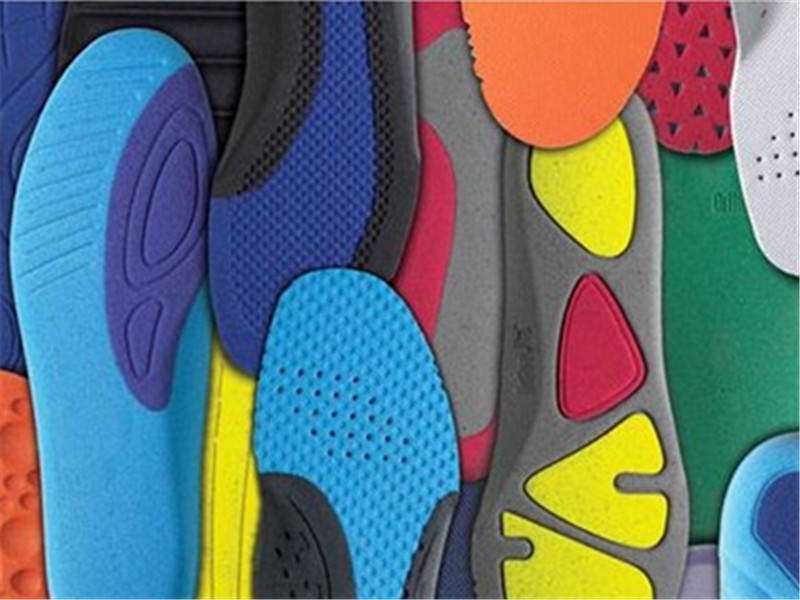
Shoe insoles are removable inserts placed inside footwear to support the arch, stabilize the heel, cushion impact, and improve overall alignment of the lower limb. Clinical evidence shows that arch‑support insoles can significantly reduce pain in common conditions such as plantar fasciitis and metatarsalgia, while also changing foot posture in a measurable way. [pmc.ncbi.nlm.nih]
From real‑world usage, I have seen insoles transform the experience of long hours on hard floors—reducing fatigue, easing knee stress, and helping users keep correct posture throughout the day. For brands, this seemingly small component becomes a key differentiator in comfort, performance, and customer satisfaction. [sidas]
For everyday wearers, insoles for your shoes deliver clear, tangible advantages: [alimed]
- Enhanced arch support to prevent over‑pronation and reduce strain on the plantar fascia. [pmc.ncbi.nlm.nih]
- Shock absorption that protects joints during walking, running, or long standing hours. [alimed]
- Heel and midfoot stabilization that improves balance and reduces ankle rolling. [sidas]
- Pressure redistribution to relieve hotspots under the forefoot and heel, especially for people who stand all day. [sidas]
In my experience working with sport retailers and medical footwear distributors, users are often surprised that a well‑designed insole can be more impactful than switching to a new pair of shoes. [alimed]
Recent clinical studies show that graded arch‑support insoles significantly improve pain scores and functional indexes within four weeks of use in patients with plantar fasciitis and forefoot pain. These improvements include reduced pain interference in daily activities and better midfoot function according to recognized orthopedic scoring systems. [pmc.ncbi.nlm.nih]
For athletes and industrial workers, insoles also contribute to performance consistency—helping maintain stance symmetry, reducing fatigue, and protecting soft tissues from repeated impact. This is why performance brands often treat insoles as part of their equipment strategy, not as an afterthought. [insolemaker]
Most consumers buy off‑the‑shelf insoles with limited customization, even though custom‑molded or professionally engineered designs offer higher efficacy for specific pathologies and use cases. At the same time, brands need insoles that match their shoe last, target market, and positioning—from casual fashion to medical‑grade support. [insolemaker]
This is where specialized insole manufacturers and OEM partners come in. Instead of treating insoles as generic accessories, brands can co‑develop category‑specific insole platforms that support different footwear lines and market segments. [insolemaker]
Founded in Dongguan in 2012, 3BU Technology has grown into a leading insole manufacturer with around 5000㎡ workshop space and more than 100 skilled workers, focused on OEM and ODM solutions for global brands. The company provides R&D and production services for individual insole brands, including well‑known names such as Sidas, Footlogstics and VKTRY, and supports small‑order private label and OEM projects. [insolemaker]
From an industry point of view, this combination of engineering capability, flexible order handling, and international client portfolio is what elevates an insole factory from "supplier" to strategic manufacturing partner. [insolemaker]
The table below summarizes the differences between "insoles for your shoes" (user perspective) and "professional insole manufacturing & OEM" (industry perspective). [insolemaker]
| Dimension | Insoles for Your Shoes (User Focus) | Professional Insole Manufacturing & OEM (Brand Focus) |
|---|---|---|
| Primary goal | Comfort, pain relief, posture improvement (pmc.ncbi.nlm.nih) | Product differentiation, performance, and brand value (insolemaker) |
| Key benefits | Better support, less fatigue, improved alignment (pmc.ncbi.nlm.nih) | Custom design, quality control, scalable production (insolemaker) |
| Customization level | Often limited; off‑the‑shelf sizes and shapes (pmc.ncbi.nlm.nih) | High; tailored to brand, market, and shoe last (insolemaker) |
| Decision driver | Personal comfort, medical advice, user reviews (pmc.ncbi.nlm.nih) | Cost‑performance, technical specs, OEM partner reliability (insolemaker) |
| Typical lifecycle | Replaced when worn out or when pain appears (alimed) | Integrated into long‑term product and category strategy (insolemaker) |
When you unite these two perspectives—user comfort and OEM‑grade design—you create insoles that feel right and perform consistently, backed by industrial processes your brand can rely on. [insolemaker]
From a manufacturing and R&D perspective, material selection and structural design directly define how effective an insole is in real use. [insolemaker]
Important design elements include:
- Foam type and density (EVA, PU, TPU) to balance long‑term cushioning and resilience. [insolemaker]
- Arch geometry (graded support, medial posting) to control pronation and distribute load. [pmc.ncbi.nlm.nih]
- Heel cup depth and stiffness to stabilize the calcaneus and prevent excessive rearfoot motion. [sidas]
- Forefoot padding and metatarsal support to reduce pressure under the ball of the foot. [sidas]
Manufacturers like 3BU use advanced R&D capabilities to match these parameters to specific brand requirements—from lightweight sport insoles to thicker comfort insoles for industrial safety footwear. [insolemaker]
Modern insole development combines laboratory testing with clinical and field feedback. Data points such as navicular height, talo‑navicular angle, and pressure mapping under load help engineers validate whether an insole actually improves foot posture and reduces pain. [alimed]
This is particularly important when brands claim medical or performance benefits—an OEM partner must be able to support these claims with measured outcomes, not just marketing language. [insolemaker]
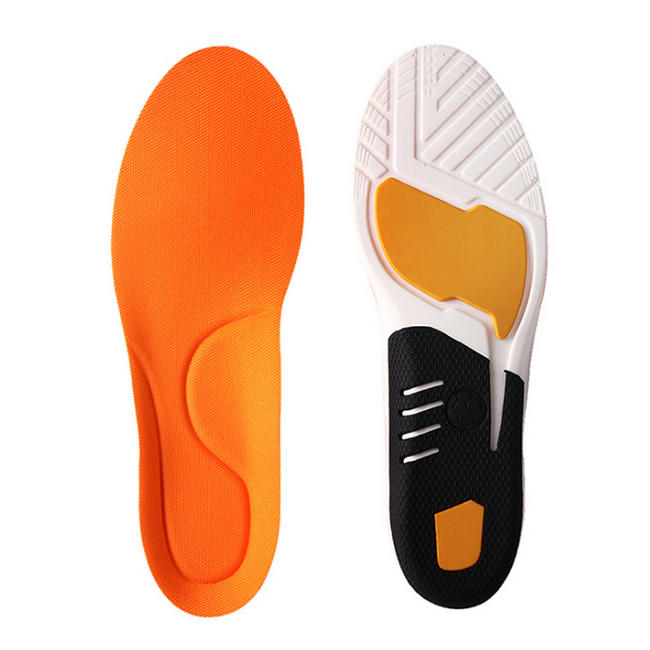
From the standpoint of a B2B marketing strategist and UX‑driven content creator, I recommend treating insoles as a strategic brand asset, not just a cost line in the bill of materials. [insolemaker]
Three high‑impact steps:
1. Define user segments clearly. Separate everyday comfort users, industrial workers, athletes, and medical users; each needs different support profiles and durability standards. [pmc.ncbi.nlm.nih]
2. Create an insole platform roadmap. Align insole designs with footwear categories over a 3‑year horizon, ensuring consistency in comfort and performance across collections. [insolemaker]
3. Integrate OEM partners early. Bring your insole manufacturer into the concept stage so they can optimize materials, tooling, and cost before finalizing designs. [insolemaker]
By shifting insoles into the core product strategy, brands can increase repeat purchase rates and differentiate themselves in crowded footwear markets. [insolemaker]
For brands, wholesalers and producers, working effectively with an OEM insole partner such as 3BU involves: [insolemaker]
- Sharing detailed technical requirements: target shoe types, user profile, expected wearing environment, and any medical or performance claims. [insolemaker]
- Using prototyping rounds to validate fit, feel, and durability before mass production. [insolemaker]
- Starting with small batch orders (which 3BU supports) to test market response and gather user feedback. [insolemaker]
This process reduces risk while ensuring the final insole solution is aligned with both user experience and brand positioning. [insolemaker]
As a long‑term user and content strategist, I recommend a structured approach when choosing insoles for daily use: [alimed]
1. Identify your main issue. Is it heel pain, arch collapse, forefoot pressure or general fatigue?
2. Check your footwear type. Running shoes, safety boots, and dress shoes all need different volume and stiffness.
3. Look for targeted features. Deep heel cup, graded arch, forefoot cushioning, or specific medical indications. [pmc.ncbi.nlm.nih]
4. Test fit and comfort over several days. True evaluation requires walking and standing for normal durations, not just a quick in‑store try‑on. [pmc.ncbi.nlm.nih]
5. Consult professionals for persistent pain. Podiatrists and orthopedic specialists can advise on whether custom or prefabricated insoles are appropriate. [alimed]
By following these steps, users can make more informed decisions and avoid random purchases that fail to address their real needs. [sidas]
For footwear brands and OEM clients, good user experience around insoles includes: [alimed]
- Clear labelling of support level (soft comfort, medium support, high control).
- Visual explanation of pressure relief zones and arch design on packaging or product pages. [sidas]
- Simple sizing guides that explain how insoles interact with different shoe types. [alimed]
When UX content and actual insole design are aligned, customers better understand what they are buying, and trust in the brand grows. [insolemaker]
China has become a central hub for insole manufacturing and OEM services, combining cost‑effective production with growing technical capability. Within this landscape, 3BU Technology stands out for: [insolemaker]
- Specialization in insole R&D and production, rather than generic footwear manufacturing. [insolemaker]
- Experience working with world‑class insole brands and international markets. [insolemaker]
- Ability to provide small‑order OEM & ODM services, ideal for emerging brands and niche product lines. [insolemaker]
For foreign brand owners, wholesalers, and production houses, this means they can leverage Chinese manufacturing scale while still maintaining product quality, customization, and technical depth. [insolemaker]
3BU offers OEM services across multiple insole categories, including PU insoles, EVA foam insoles, arch‑support products, and other specialty designs tailored to different use cases. These solutions cover sport, everyday comfort, and medical‑related support, providing a full portfolio for brands that want to expand quickly. [insolemaker]
Because 3BU also supports free insole design based on client sketches or images, brands can move from concept to manufacturable product without building their own in‑house R&D team. [insolemaker]
For individual users, insoles for your shoes can: [pmc.ncbi.nlm.nih]
- Reduce pain and fatigue.
- Improve alignment and stability.
- Turn ordinary shoes into high‑comfort footwear.
For brands, wholesalers and producers, partnering with an expert OEM manufacturer can: [insolemaker]
- Transform insoles into a strategic product asset.
- Align comfort, performance and cost at scale.
- Accelerate go‑to‑market with professional design and manufacturing support.
If you are a footwear brand owner, wholesaler, or manufacturer looking to upgrade your insole offering, collaborating with 3BU Technology gives you access to: [insolemaker]
- Professional R&D for custom insoles.
- Flexible OEM & ODM services, including small orders.
- Experience serving global, world‑class insole brands. [insolemaker]
Take the next step: define your target user segments and product requirements, then reach out to 3BU to co‑develop an insole solution that strengthens your footwear line and delivers measurable comfort and performance benefits. [insolemaker]
Q1: Are prefabricated insoles effective, or do I need fully custom insoles?
Prefabricated insoles with graded arch support have been shown to significantly reduce pain and improve function in conditions like plantar fasciitis, especially when properly selected and fitted. Custom insoles can offer additional benefits for complex biomechanical problems or specific medical indications. [pmc.ncbi.nlm.nih]
Q2: Which users benefit most from insoles in everyday shoes?
People who stand for long hours, workers in industrial environments, athletes, and individuals with foot pain or flat feet often experience substantial relief and improved comfort with well‑designed insoles. [alimed]
Q3: What should brands look for in an insole OEM partner?
Key factors include specialized insole R&D capability, proven collaboration with international brands, flexible order sizes, and transparency in materials, tooling, and quality control processes. [insolemaker]
Q4: How does material choice influence insole performance?
The choice between EVA, PU, and other materials affects cushioning longevity, resilience, weight and cost; combining the right foam density with structural design is critical to sustaining support over time. [insolemaker]
Q5: Can an OEM manufacturer help with design, or do brands need to provide full technical drawings?
Experienced OEM partners such as 3BU can develop insole designs from sketches or images and refine them through R&D, prototyping, and testing to meet specific brand and market requirements. [insolemaker]
1. National Center for Biotechnology Information – “The Efficacy of Graded Arch Support Insoles in Patients with Plantar Fasciitis and Metatarsalgia” – Peer-reviewed clinical study on graded arch support insoles for foot pain conditions. https://pmc.ncbi.nlm.nih.gov/articles/PMC11686656/
2. AliMed – “The Importance of Shoe Insoles for Foot Health” – Overview of the role of insoles in maintaining foot health and preventing common issues. https://www.alimed.com/blogs/footwear-insoles-and-inserts/the-importance-of-shoe-insoles-for-foot-health
3. Sidas – “5 Good Reasons to Wear Insoles in My Shoes” – Practical benefits of using insoles for comfort, support, and performance. https://www.sidas.com/blogs/news/5-good-reasons-to-wear-insoles-in-my-shoes
4. 3BU Technology – About Us – Company background and expertise in insole manufacturing and OEM services. https://www.insolemaker.com/aboutus.html
5. 3BU Technology – PU Insole OEM Services – Details on polyurethane (PU) insole OEM offerings and production capabilities. https://www.insolemaker.com/pu-insole.html
6. 3BU Technology – Arch Support and EVA Foam Insole Resources – Information on arch support insole manufacturing and EVA foam materials. https://www.insolemaker.com/top-10-arch-support-insole-manufacturers-in-china.html
7. 3BU Technology – EVA Foam Insoles in Japan – Overview of EVA foam insole suppliers and manufacturers in the Japanese market. https://www.insolemaker.com/top-eva-foam-insoles-manufacturers-and-suppliers-in-japan.html


