
Language


Content Menu
● What Are Arch Support Insoles?
● How Arch Support Insoles Work
● Potential Benefits of Arch Support Insoles
>> Improved Posture and Alignment
>> Enhanced Athletic Performance
>> Customization for Specific Needs
● Are Arch Support Insoles Bad? Common Concerns
>> 3. Discomfort or Incorrect Fit
>> 5. Variation in Individual Needs
● How to Choose the Right Arch Support Insole
>> Step 1: Identify Your Arch Type
>> Step 2: Match Support Level
>> Step 3: Consider Activity Level
● Who Should Use Arch Support Insoles?
● When to Avoid Arch Support Insoles
● Additional Considerations: Combining Insoles with Foot Exercises
● The Role of Arch Support Insoles in Different Shoe Types
● Innovations in Arch Support Insoles
● FAQ about Arch Support Insoles
>> 1. How long should I wear arch support insoles each day?
>> 2. Can arch support insoles fix flat feet permanently?
>> 3. Are custom-made arch support insoles better than generic ones?
>> 4. Can arch support insoles help with knee or back pain?
>> 5. How do I clean and maintain arch support insoles?
Arch support insoles are widely used to alleviate foot pain, improve posture, and enhance comfort for people with flat feet, high arches, or other foot conditions. However, some users and experts question whether these insoles might cause more harm than good. This article explores the benefits and potential drawbacks of arch support insoles, aiming to provide a balanced view for those considering their use.
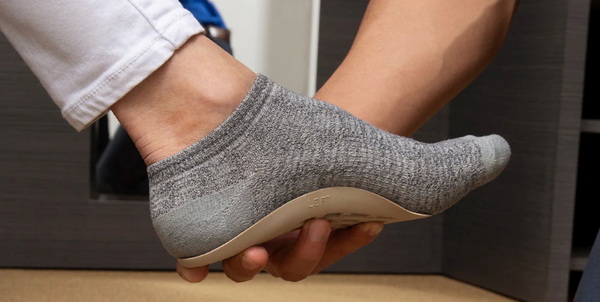
Arch support insoles are specially designed inserts placed inside shoes to support the arch of the foot. They come in different shapes, materials, and stiffness levels to accommodate various foot shapes and needs. By supporting the medial longitudinal arch, they help distribute pressure more evenly across the foot and reduce strain on muscles, ligaments, and joints.
Common materials used in arch support insoles include foam, gel, plastic, and carbon fiber. Many insoles feature contouring that matches the natural arch shape, while others offer adjustable components for customized support.
The primary function of arch support insoles is to realign the foot to a more natural position. This realignment helps:
- Reduce overpronation (excessive inward rolling of the foot)
- Lower the risk of plantar fasciitis by decreasing stress on the plantar fascia ligament
- Improve balance and stability, which benefits gait and posture
- Alleviate pressure points by redistributing weight evenly
These benefits are particularly noticeable for people who spend long hours standing or walking, athletes, and those with foot conditions such as flat feet or fallen arches.
One of the most common reasons people use arch support insoles is to relieve pain caused by foot, ankle, or leg problems. Proper arch support can ease discomfort in conditions such as plantar fasciitis, flat feet, bunions, and tendonitis by improving foot mechanics.
Supporting the arches properly can improve not just foot health but also overall body alignment. This can reduce the risk of developing knee, hip, and lower back pain related to improper foot positioning.
For athletes and active individuals, arch support insoles can provide enhanced shock absorption and stability during physical activities, potentially improving performance and reducing injury risk.
Many arch support insoles are designed to meet specific foot shapes or conditions. Custom orthotic insoles made by podiatrists offer tailored support, while off-the-shelf options cater to common arch types and levels of support.
Despite their popularity, some concerns and misconceptions surround arch support insoles. Let's examine the most frequently discussed issues.
Some critics argue that prolonged use of arch support insoles can cause the foot muscles to weaken over time due to reduced natural use, thus creating dependency.
Closely linked to dependence is the concern that supportive insoles might cause foot muscles, especially those supporting the arch, to atrophy if not exercised properly.
Poorly fitted arch support insoles can cause discomfort or worsen foot problems. An ill-matched arch height or material stiffness can lead to pain or altered gait patterns.
Arch support insoles are often viewed as a remedy for many foot ailments, but they may not address underlying biomechanical issues fully, especially in severe cases which might require medical treatment.
Because every foot is unique, an insole that helps one person might not suit another, leading to mixed results and frustrations.
While there are valid concerns about arch support insoles, many users benefit significantly when these products are chosen and used wisely. Here are recommendations to avoid potential drawbacks:
- Seek professional advice when selecting insoles, especially for chronic foot problems.
- Use arch support insoles as part of an overall foot care routine, including foot-strengthening exercises.
- Gradually increase wear time to allow your body to adapt.
- Choose high-quality insoles that provide proper fit and materials suited to your foot type.
- Monitor your foot health regularly and adjust use as needed.

Choosing the proper arch support insole requires understanding your foot type and specific needs:
You can determine your arch by a simple wet test or consult a professional. The main types are low (flat feet), medium, and high arches.
Different insoles offer varying degrees of firmness and contouring. Flat feet often require firmer support, while high arches benefit from cushioned elasticity.
If you are an athlete or spend a lot of time on your feet, look for insoles with shock absorption and durability.
Whenever possible, test the insoles for comfort and fit inside your shoes during typical activities.
If you experience discomfort after initial use, adjust wear time or consult a podiatrist.
Arch support insoles are especially beneficial for:
- Individuals with flat feet or fallen arches seeking better alignment.
- People suffering from plantar fasciitis or heel pain.
- Athletes requiring enhanced foot stability.
- Workers who stand or walk for prolonged hours.
- Older adults needing extra foot cushioning and support.
Although many benefit, some people should be cautious or avoid arch support insoles without professional guidance:
- Those with severe foot deformities or advanced diabetic foot conditions.
- People experiencing worsened pain or discomfort after using insoles.
- Individuals who have been advised to use custom orthotics instead of over-the-counter products.
To counteract concerns about foot muscle weakening, it is advisable to combine the use of arch support insoles with targeted foot strengthening exercises. Exercises such as toe curls, arch lifts, and heel raises can promote foot muscle endurance and flexibility, reducing the risk of muscle atrophy. A balanced approach ensures that while insoles support the foot's structure, natural muscle function is maintained and developed.
Not all insoles are compatible with every shoe. People should consider the type of footwear before selecting arch support insoles. For example:
- Athletic shoes often provide space and structure to accommodate insoles conveniently.
- Dress shoes or formal footwear may have limited space, requiring slim or specialized insoles.
- Casual shoes might need insoles with more cushioning or shock absorption depending on usage.
The compatibility of the insole with the shoe affects comfort and effectiveness significantly.
Recent advancements have elevated arch support insole technology. Modern insoles incorporate:
- Memory foam for personalized fit and pressure relief
- Breathable materials that reduce moisture and improve hygiene
- Adjustable arch components allowing for customizable support levels
- Anti-microbial treatments to prevent odor and infections
These improvements enhance user comfort and satisfaction, addressing many traditional complaints about insoles.
Arch support insoles are not inherently bad; instead, they are valuable tools for improving foot comfort, health, and stability when selected and used correctly. While concerns about muscle dependency and incorrect fit are valid, these can be mitigated with proper guidance and a comprehensive foot care approach. For most users, arch support insoles offer significant relief from foot pain and enhance daily activities.
Ultimately, whether arch support insoles are good or bad depends on individual circumstances, product quality, and personal adaptation. Consulting a healthcare professional remains the best path to ensure your foot health is maintained safely and effectively.

It is best to start with a few hours daily and gradually increase wear time as your feet adapt to avoid discomfort.
Insoles help manage symptoms but do not permanently alter foot structure. Exercises and medical treatments may be necessary for lasting correction.
Custom insoles are tailored to individual biomechanics and usually provide superior support, but high-quality generic insoles can be effective for many users.
Proper foot alignment can reduce strain on knees and back, so insoles may help alleviate related discomfort, especially when combined with other therapies.
Remove insoles regularly, clean with mild soap and water, and air dry fully before placing them back in your shoes to prevent odor and bacteria buildup.


