
Language
Views: 231 Author: 3BU Technology Publish Time: 2026-07-21 Origin: Site


Content Menu
● How Bacteria Develop in Sports Insoles
● Open-Cell Foam vs Closed-Cell Foam
● Which Foam Resists Bacteria Better?
● Why Moisture Matters So Much
● What Sports Brands Should Choose
>> Choose Open-Cell Foam When:
>> Choose Closed-Cell Foam When:
● OEM Design Factors That Change Performance
● How to Evaluate Materials Before Production
● 3BU Technology OEM Perspective
● FAQ
>> 1. Is open-cell foam more breathable than closed-cell foam?
>> 2. Which foam is better for sweat control?
>> 3. Does closed-cell foam fully stop odor?
>> 4. Can open-cell foam still be used in sports insoles?
>> 5. Which foam is better for humid climates?
>> 6. What is the best structure for OEM sports insoles?
When brands develop sports insoles, comfort is only part of the equation. Hygiene matters just as much, especially in products that sit close to the skin, absorb sweat, and face repeated heat and friction during wear.
The choice between open-cell foam and closed-cell foam affects not only softness and support, but also moisture behavior, drying speed, odor control, and the likelihood of bacterial buildup. For sports footwear, these factors can shape the user experience over time.
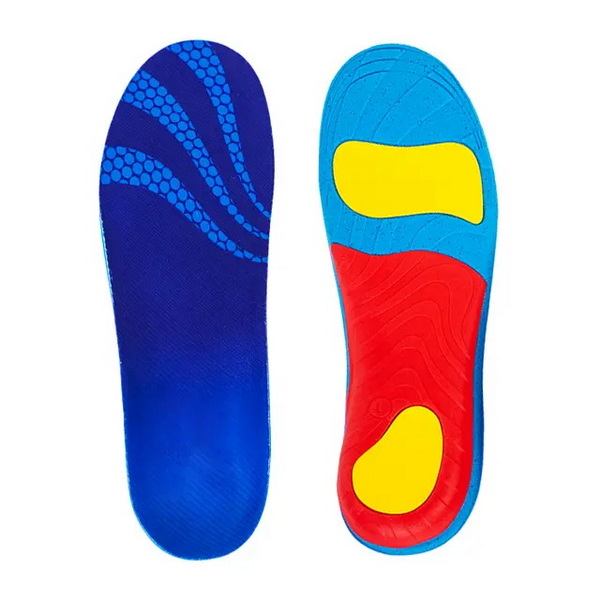
Open-cell foam has a structure made of connected pores. Air can move through it more easily, and moisture can travel into the material more readily than in denser foams.
This structure gives open-cell foam several advantages:
- It feels softer and more breathable.
- It offers a light, comfortable touch.
- It can work well in products where airflow is a priority.
At the same time, open-cell foam can also absorb sweat more easily. If the material stays damp for too long, it may become more favorable for odor and bacterial growth.
Closed-cell foam is made of sealed cells that are not interconnected. This structure helps it resist water penetration and makes it less likely to hold moisture inside.
In sports insoles, closed-cell foam is often preferred for:
- Better resistance to moisture.
- More stable shape retention.
- Lower water absorption.
- Stronger performance in humid or sweaty conditions.
Because sweat cannot enter the structure as easily, closed-cell foam often provides a better foundation for controlling odor and limiting bacteria-related problems.
Bacteria do not grow because a foam is soft or firm. They grow when moisture, warmth, and residue remain in the insole for long periods.
In sports insoles, the main risk factors are:
- Sweat trapped inside the material.
- Slow drying after use.
- Repeated heat from the foot.
- Limited ventilation inside the shoe.
That is why the internal structure of the foam is so important. A material that dries quickly and keeps less moisture inside will usually perform better in real-world hygiene conditions.
| Factor | Open-Cell Foam | Closed-Cell Foam |
|---|---|---|
| Breathability | Higher | Lower |
| Moisture absorption | Higher | Lower |
| Drying speed | Slower when saturated | Faster on the surface |
| Bacteria resistance potential | Moderate in dry use, weaker in wet use | Stronger in sweaty or humid conditions |
| Odor control | Needs additional support | Better baseline performance |
| Cushioning feel | Softer | Firmer and more stable |
| Long-term durability | Good for lighter use | Better for demanding use |
In most sports insole applications, closed-cell foam usually resists bacteria better than open-cell foam. The main reason is simple: it limits the amount of sweat that can enter and stay inside the material.
That does not mean open-cell foam is always the wrong choice. In dry climates, low-intensity activities, or comfort-focused products, it can still perform well. The key is matching the foam type to the use scenario.
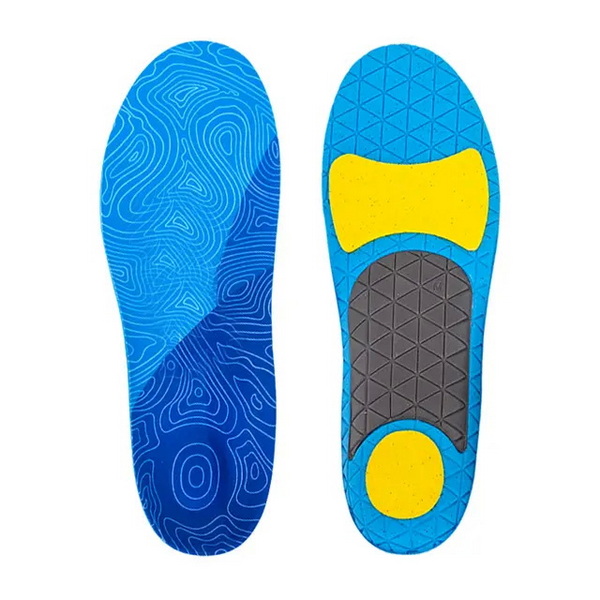
Moisture is the bridge between comfort problems and hygiene problems. When sweat accumulates inside an insole and does not dry quickly, it can create a damp environment where odor and bacterial activity become more likely.
A useful way to think about it:
- More trapped moisture usually means a higher odor risk.
- Faster drying usually means a cleaner internal environment.
- Better airflow usually supports better comfort.
For this reason, foam choice should always be considered together with the full insole design.
Different products need different foam behaviors. There is no universal answer, but there is a practical way to decide.
- Breathability is the main product promise.
- The target user wants a softer feel.
- The product is for lighter activity.
- The footwear will be used in relatively dry conditions.
- Sweat resistance is important.
- The target market is humid.
- The insole will be used for running or training.
- Odor control matters more than a plush feel.
The foam itself is only one part of the final result. In actual production, the full structure of the insole has a major impact on hygiene and comfort.
Important design factors include:
- Top fabric selection.
- Perforation patterns.
- Thickness and density.
- Layer construction.
- Surface treatment.
- Compression recovery behavior.
A well-designed sports insole often combines a stable foam base with a breathable top layer and a structure that helps moisture move away from the foot more efficiently.
Many buyers focus too much on breathability alone. In practice, breathability without moisture control can create new problems. If sweat enters the foam but cannot leave quickly enough, the insole may become less hygienic after repeated use.
The better approach is to design for the actual wearing situation:
- High sweat levels need stronger moisture resistance.
- Humid climates need better drying behavior.
- Longer wear time increases hygiene risk.
- Performance sports need more stable material behavior.
This is why material selection should always follow the real use environment, not just one marketing claim.
Before finalizing a sports insole design, brands should check a few practical points:
1. How much sweat will the user likely produce?
2. How long will the insole be worn each day?
3. Is the target market humid or dry?
4. Is softness or hygiene the higher priority?
5. Will the product include additional odor-control features?
If the answer points toward high sweat, long wear, and humid conditions, closed-cell foam is usually the safer starting point. If the answer points toward light use and a softer feel, open-cell foam may still be suitable.
For sports insole development, the best solution is often not choosing a material in isolation. It is matching the foam structure with the user group, climate, and target performance level.
At 3BU Technology, we help brands build custom insole structures that balance:
- Comfort.
- Moisture handling.
- Odor resistance.
- Long-term wear performance.
For international brands, wholesalers, and manufacturers, this kind of product matching can improve user satisfaction and create a more reliable final product.
If bacteria resistance is the top concern, closed-cell foam usually has the advantage because it helps keep moisture from staying inside the insole. Open-cell foam still has value when breathability and softness are more important, but it needs stronger support from the overall design.
For sports brands, the smartest decision is not simply "open-cell or closed-cell." It is choosing the right structure for the right user, climate, and performance goal.
Contact 3BU Technology to develop custom sports insoles with the right foam structure for your brand, your market, and your performance goals.
Yes. Open-cell foam generally allows more airflow because its pores are interconnected.
Closed-cell foam is usually better because it absorbs less moisture.
No. It helps reduce the moisture conditions that cause odor, but full odor control depends on the whole insole design.
Yes. It works well when breathability and softness matter more than moisture resistance.
Closed-cell foam is usually the better choice for humid climates.
A balanced structure often works best: moisture-resistant foam, breathable top fabric, and a design that supports drying.
1. [Atamieva – Closed Cell vs Open Cell Foam: Which Is Right for You?]
2. [Tiger Foam – Open Cell vs. Closed Cell Foam: Which Should I Choose?]
3. [Polytech – Open vs. Closed Cell Foam: Understanding Permeability]
4. [JBC Technologies – Open Cell vs. Closed Cell Foam: Keys to Making the Right Selection]
5. [Insite Insoles – Molded Open Cell Foam Vs Closed Cell Foam Insoles]
6. [De Gruyter – Evaluation of Functional Insoles for Protective Footwear Under Simulated Use Conditions]
7. [Loughborough University Repository – Dynamic Evaluation and Comparative Analysis of Foam Materials]
8. [Microban – Innovative Open Cell Spray Foam Antimicrobial Technology]


