
Views: 222 Author: 3BU Technology Publish Time: 2026-05-21 Origin: Site


Open-cell and closed-cell EVA each manage moisture very differently in tropical climates, and the "better" choice depends on whether you prioritize breathability or waterproof protection for your end users. [profoam]
For brands selling into Southeast Asia, South America, or other hot and humid regions, choosing between open-cell EVA inserts and closed-cell EVA inserts is no longer a minor material decision—it directly shapes comfort, odor control, and product lifespan. As a manufacturer like 3BU Technology that supplies OEM EVA insoles globally, you must balance breathability, sweat absorption, and water resistance based on your target wearer and use case. In this guide, we will compare open-cell vs closed-cell EVA in depth, then translate that into clear sourcing recommendations for tropical markets. [evaglory]

EVA (ethylene-vinyl acetate) is a lightweight, cushioning foam used widely in midsoles and insoles because it combines softness, resilience, and cost-efficiency. Foam structure is defined by thousands of tiny "cells," which can either be interconnected (open-cell) or completely sealed (closed-cell). [foamcreations]
- Open-cell foam: Cells connect like a sponge, allowing air and moisture to move through the structure. [profoam]
- Closed-cell foam: Cells are sealed, making the material denser, more rigid, and naturally water resistant. [foamcreations]
Although most commercial EVA foams are technically closed-cell, process adjustments, blending, or perforation can create open-cell–like breathability in insole applications. [evaglory]
In hot, humid regions, feet sweat more and shoes rarely dry completely between wears, which increases skin maceration, odor, and risk of fungal infection. Open-cell structures behave like a breathable sponge: [sciencedirect]
- They absorb sweat and spread it through the foam, helping reduce wet spots on the skin in the short term. [profoam]
- They allow airflow through the insert, supporting evaporation when the shoe is off or when upper materials are also breathable. [advancedsealsprayfoam]
- If drying is poor, retained moisture can increase odor and bacteria growth inside the shoe over time. [foamcreations]
One study on ventilated insoles showed that improved airflow and moisture transport significantly reduced relative humidity at the foot–insole interface during walking, which directly supports comfort in warm conditions. [sciencedirect]
Closed-cell EVA behaves more like a waterproof barrier than a sponge. [foamcreations]
- Cells are sealed, so water and humidity cannot penetrate deeply into the foam. [foamcreations]
- Closed-cell EVA can be essentially 100% waterproof and highly resistant to moisture, chemicals, and bacterial growth within the foam structure. [foamcreations]
- Sweat stays mainly on the surface or in top cover layers, making the insert easier to wipe clean and more hygienic in multi-user or rental footwear. [foamcreations]
However, the same barrier effect that protects the foam can also trap sweat at the skin surface if top covers and upper materials do not promote evaporation. [advancedsealsprayfoam]
Tropical climates combine high temperatures with high ambient humidity, so evaporation is naturally slower. That means moisture management is less about "absolute waterproofing" and more about how efficiently the system moves sweat away from the skin and out of the shoe. [pmc.ncbi.nlm.nih]
Key user pain points in tropical markets include: [grandviewresearch]
- Constant dampness around the forefoot and heel
- Increased blister risk due to softened skin
- Persistent odor and microbial growth
- Slower drying times between wears
From a UX perspective, users in these regions tend to favor insoles that feel dry, breathable, and less sticky after long walks in hot conditions, especially for everyday and athletic footwear. [pmc.ncbi.nlm.nih]
Factor (Tropical Use) | Open-Cell EVA Inserts | Closed-Cell EVA Inserts |
|---|---|---|
Initial sweat absorption at foot surface | Higher, sponge-like absorption helps reduce wet spots early in wear | Lower, sweat tends to stay on top cover or skin foamcreations |
Breathability & airflow | Better, supports water vapor transport when combined with breathable covers | Lower inside foam; relies on perforation and upper vents foamcreations |
Water resistance (rain, puddles, washing) | Poorer, foam can soak and take longer to dry | Excellent, foam is essentially waterproof and easy to wipe dry foamcreations |
Odor/microbe risk inside foam | Higher if not dried fully between wears | Lower inside foam; smoother surfaces are easier to clean foamcreations |
Long-term feel in all-day sweat | Feels softer and more ventilated but can get soggy in extreme humidity | Feels more stable and less saturated but can feel clammy without ventilation foamcreations |
In short, open-cell EVA is stronger on breathability and short-term moisture buffering, while closed-cell EVA is stronger on waterproofing, hygiene, and durability. [sciencedirect]
For brands targeting users who walk long distances or spend most of the day on foot in the heat, the perceived breathability of open-cell or open-cell–like EVA often wins. [pmc.ncbi.nlm.nih]
Open-cell EVA is especially suitable for:
- Running and training shoes used in hot, humid environments where sweat load is high and shoes can dry overnight. [sciencedirect]
- Everyday lifestyle sneakers where comfort and softness are more important than water resistance. [grandviewresearch]
- Ventilated safety or work footwear that integrates mesh uppers and vent ports to support airflow across the insert. [pmc.ncbi.nlm.nih]
From an expert sourcing angle, pairing open-cell EVA with a moisture-wicking textile top cover and a perforated design can materially improve microclimate comfort under the foot. [sciencedirect]
Closed-cell EVA shines in tropical use cases where users face external moisture, not only sweat. [advancedsealsprayfoam]
Closed-cell EVA is ideal for:
- Outdoor work boots used in muddy, wet, or rainy conditions that require fast cleaning and minimal water uptake. [evaglory]
- Sandals and watersports footwear where the insole frequently contacts water and must remain structurally stable. [foamcreations]
- Rental, shared, or occupational shoes (e.g., hospitality, healthcare) where hygiene and easy disinfection are critical. [foamcreations]
For these applications, brands can combine closed-cell EVA with anti-slip, antimicrobial top covers to reduce surface sweat pooling while maintaining waterproof performance. [evaglory]
From a manufacturing standpoint, the strongest moisture management results in tropical climates usually come from hybrid constructions, not from choosing one foam type alone. [evaglory]
Effective combinations include:
- Closed-cell EVA base + open-cell or textile top layer
- Closed-cell layer adds structural support and waterproof stability. [foamcreations]
- Top layer (open-cell foam or moisture-wicking fabric) absorbs sweat and supports evaporation. [sciencedirect]
- Perforated closed-cell EVA + mesh upper
- Strategically placed perforations allow vertical air channels without fully sacrificing water resistance. [pmc.ncbi.nlm.nih]
- Dual-density EVA systems
- Softer, more ventilated forefoot for breathability and firmer heel with closed-cell emphasis for stability and hygiene. [pmc.ncbi.nlm.nih]
As an OEM supplier, 3BU Technology can tune density, thickness, perforation patterns, and lamination to match the climate profile and footwear category specified by your clients. [insolemaker]
To meet E-E-A-T expectations and deliver real-world value, brands should validate moisture management with repeatable tests, not just lab claims. [sciencedirect]
Here is a simple, field-ready testing framework:
1. Controlled treadmill test
- Have participants walk for 30–60 minutes at a steady pace in a climate-controlled room simulating tropical conditions (e.g., 30 °C with high humidity). [sciencedirect]
2. Measure in-shoe humidity and temperature
- Use in-shoe sensors to track relative humidity at the heel and forefoot with both open-cell and closed-cell EVA prototypes. [sciencedirect]
3. Drying time assessment
- After walking, remove footwear and record how long each insert type takes to reach a comfortable dryness level in ambient conditions. [pmc.ncbi.nlm.nih]
4. User comfort surveys
- Collect feedback on perceived wetness, odor, and skin condition after repeated wear over several days. [pmc.ncbi.nlm.nih]
Aligning these tests with your sourcing decisions helps you document evidence-based recommendations for different tropical markets and applications. [pmc.ncbi.nlm.nih]
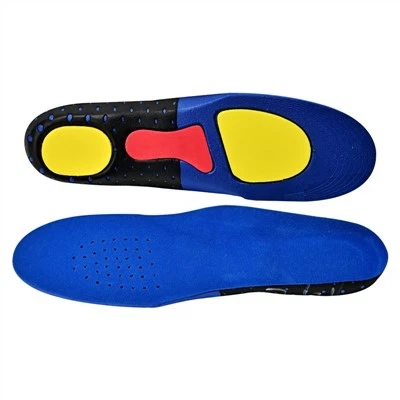
Recent insole market reports show that foam-based insoles hold the largest share of the global market, reflecting strong demand for cushioned, lightweight solutions. Foam insoles, including EVA-based constructions, accounted for over a third of the market in 2024, driven by sports, outdoor, and everyday footwear segments. [grandviewresearch]
In tropical markets specifically, brands are differentiating more on comfort and hygiene claims, including "quick-dry," "anti-odor," and "breathable insole" messaging. This context favors suppliers who can offer materially different moisture performance between open-cell and closed-cell EVA lines, backed by test data. [grandviewresearch]
As a leading EVA insole manufacturer in China, 3BU Technology already appears among top foam insole suppliers for international brands, which reinforces its manufacturing credibility. For tropical customers, you can strengthen your positioning by offering two clearly branded moisture management platforms: [insolemaker]
- "Tropical Breathable EVA Series"
- Open-cell or hybrid EVA inserts optimized for moisture buffering and airflow in athletic and lifestyle footwear. [evaglory]
- "Tropical Shield EVA Series"
- Closed-cell EVA inserts with hydrophobic, antimicrobial covers for wet environments and high-hygiene use cases. [evaglory]
Framing your portfolio like this helps international buyers instantly match your insert types to their target climates and distribution channels. [insolemaker]
Even in B2B, your buyers care about how clearly they can explain your products to their own customers. Based on the technical differences above, UX-focused copy for tropical end users can be as straightforward as: [grandviewresearch]
- For open-cell EVA-based inserts:
- "Designed for hot, humid days with breathable cushioning that helps your feet feel fresher longer." [profoam]
- For closed-cell EVA-based inserts:
- "Built for wet, messy conditions with waterproof support that is easy to clean and quick to dry." [advancedsealsprayfoam]
Add simple icons (breathability, water droplet, quick-dry, antibacterial) to help non-technical users understand the benefits at a glance. [grandviewresearch]
Use concise scenarios in your marketing materials to anchor user decisions:
- "If your customers commute and walk in hot city streets, choose our breathable EVA series." [sciencedirect]
- "If your customers work outdoors in wet sites or coastal areas, choose our waterproof EVA series." [advancedsealsprayfoam]
Scenario-driven UX copy helps distributors and retailers in tropical markets recommend the right insert family faster and more confidently. [grandviewresearch]
There is no single winner for all situations, but you can make clear application-driven choices:
- Choose open-cell or hybrid EVA inserts when:
- Your users need maximum breathability and sweat buffering (running, everyday sneakers, ventilated work shoes). [pmc.ncbi.nlm.nih]
- Shoes can dry overnight and are not heavily exposed to rain or immersion. [sciencedirect]
- Choose closed-cell EVA inserts when:
- Your users face frequent water exposure, mud, or cleaning (construction, agriculture, watersports, rental footwear). [advancedsealsprayfoam]
- Hygiene, easy cleaning, and structural stability are more important than maximum airflow. [foamcreations]
For many tropical lines, the most competitive solution is a hybrid construction—closed-cell EVA for durability and waterproofing, topped with breathable layers for moisture buffering at the skin interface. As an OEM partner, 3BU Technology can engineer insert constructions that precisely match climate, channel, and brand positioning requirements. [evaglory]
If you are developing footwear for hot and humid markets, you do not have to choose blindly between open-cell and closed-cell EVA. Partner with 3BU Technology to co-design tropical climate–optimized insoles that balance moisture management, comfort, and durability for your specific use cases. [insolemaker]
Share your target user profiles, key markets, and performance claims (e.g., "quick dry," "anti-odor," "waterproof"), and our engineering team can propose validated insert constructions—including lab and field testing protocols—to support your next product launch. [insolemaker]
1. Are EVA insoles generally good for tropical climates?
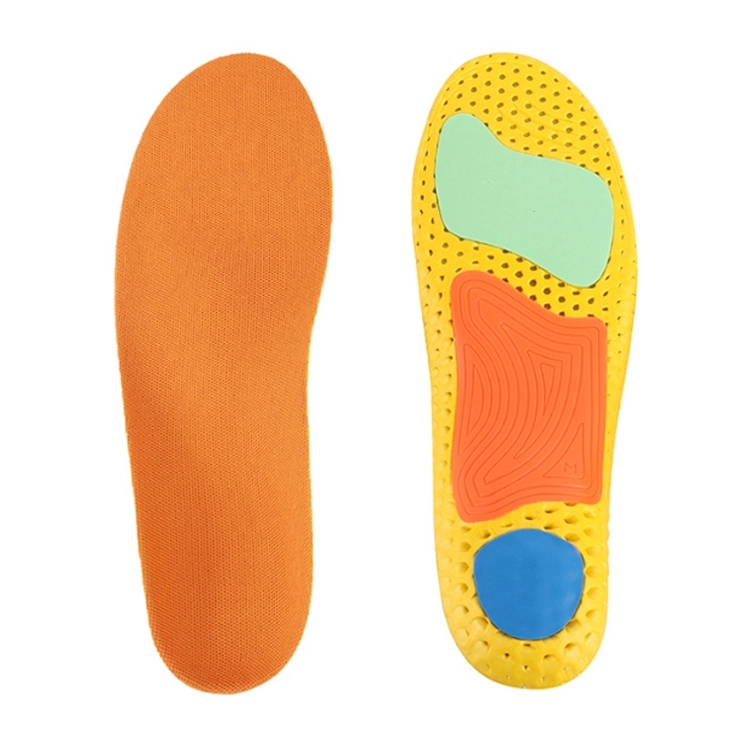
EVA is lightweight and cushioning, which supports comfort in hot weather, but moisture performance depends heavily on whether the construction uses more open-cell, closed-cell, or hybrid layers. [evaglory]
2. Do open-cell EVA inserts smell worse over time in humid environments?
They can if they are not dried properly between wears, because the foam can retain sweat, which encourages odor and microbial growth. Using antimicrobial covers and ventilation helps mitigate this. [profoam]
3. Can closed-cell EVA still feel breathable in a hot, humid climate?
On its own, closed-cell EVA is less breathable, but perforations, moisture-wicking top covers, and breathable uppers can significantly improve perceived breathability for tropical users. [pmc.ncbi.nlm.nih]
4. How often should tropical users replace EVA insoles?
Replacement frequency depends on use intensity, but in hot and humid conditions with heavy sweating, many users benefit from replacing insoles every few months to maintain cushioning, hygiene, and odor control. [jcinsoles]
5. What is the best EVA insert type for waterproof sandals in tropical resorts?
Closed-cell EVA is usually preferred because it is waterproof, resists moisture absorption, and remains easy to clean and dry between uses. [advancedsealsprayfoam]
1. ProFoam. "Closed-Cell vs. Open-Cell Spray Foam: Which one is best?" 2025. [Link] [profoam]
2. Evaglory. "Custom Insole Foam Solutions for Every Footwear Type." [Link] [evaglory]
3. Grand View Research. "Shoe Insoles Market Size And Share | Industry Report, 2033." [Link] [grandviewresearch]
4. Insolemaker (3BU). "Top 10 EVA Insole Manufacturers in China - 3BU." [Link] [insolemaker]
5. Advanced Seal. "Open Cell Vs Closed Cell Foam: Which Wins in 2026?" 2026. [Link] [advancedsealsprayfoam]
6. ScienceDirect. "Effects of textile-fabricated insole on foot skin temperature and relative humidity during walking." [Link] [sciencedirect]
7. PMC. "Towards Customized Footwear with Improved Comfort." 2021. [Link] [pmc.ncbi.nlm.nih]
8. Insolemaker (3BU). "Top 10 Foam Inner Soles Manufacturers in China - 3BU." [Link] [insolemaker]
9. Foam Creations. "What is the difference between closed-cell EVA foam and open-cell foam?" 2023. [Link] [foamcreations]
10. JC Insoles. "EVA Foam in Shoes: What It Is & Pros and Cons." 2025. [Link] [jcinsoles]


