
Language
Views: 292 Author: 3BU Technology Publish Time: 2026-07-02 Origin: Site


Content Menu
● Understanding Plantar Fasciitis and Why Inserts Matter
● Two Core Solutions: Over-the-Counter Inserts vs OEM Custom Insoles
● How OTC Plantar Fasciitis Shoe Inserts Work
● How OEM Plantar Fasciitis Insoles from 3BU Technology Differ
● Side-by-Side Comparison: Retail Inserts vs OEM Insoles
● Latest Market Data and Trends in Plantar Fasciitis Insoles
● Practical Selection Framework: From User Pain to Product Specs
● Expert Design Insights: What Makes an OEM Plantar Fasciitis Insole "Best"?
● Real-World Use Cases: How Brands Deploy OEM Plantar Fasciitis Insoles
● Implementation Guide: Steps for Brands to Launch OEM Plantar Fasciitis Insoles
● Why OEM Custom Insoles Are a Strategic Upgrade for Global Buyers
● Call to Action: How 3BU Technology Can Support Your Next Insole Line
● FAQ: Plantar Fasciitis Inserts and OEM Insoles
Living with plantar fasciitis changes the way you walk, work, and even how long you can stand with confidence. As someone who has spent years both managing my own heel pain and working with international footwear brands on insole design, I have seen first-hand how the best shoe inserts for plantar fasciitis can transform daily comfort—and how OEM custom insoles from manufacturers like 3BU Technology take that relief to a higher, brand-ready level. This article compares these two core solutions from both a user and industry expert perspective, helping brands, wholesalers, and producers choose the right path for performance and profitability. [dealmoon]
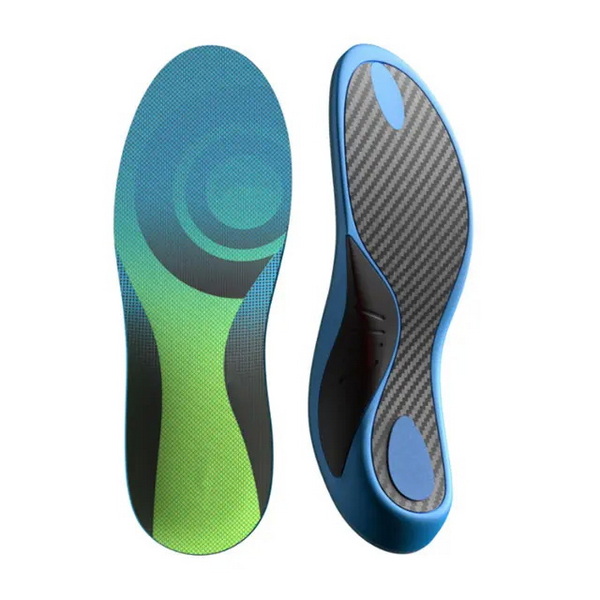
Plantar fasciitis is one of the most common causes of heel pain globally, affecting millions of workers, runners, and everyday users who spend long hours on their feet. The condition is driven by inflammation of the plantar fascia, the thick band of tissue that supports the foot's arch and absorbs shock with every step. When that tissue is overloaded—through prolonged standing, high-impact activity, or inadequate footwear—micro-tears and chronic pain follow. [lpinformation.com]
For end users, shoe inserts are often the first line of defense. They add targeted arch support, heel cushioning, and motion control inside existing footwear, making pain management possible without changing every pair of shoes. For brands, these same inserts are a powerful product category: they sit at the intersection of comfort, performance, and medical-grade support, and directly influence customer loyalty and repeat purchases. [alibaba]
To maximize both user outcomes and commercial results, manufacturers and brands generally consider two main strategies. [dealmoon]
- Over-the-counter (OTC) plantar fasciitis shoe inserts
Pre-made insoles designed for the general population, sold under retail brands or sports/comfort labels. [dealmoon]
- OEM custom insoles from specialized manufacturers (e.g., 3BU Technology)
Brand-specific, often geometry- or material-customized insoles developed and produced under OEM contracts for international brands, wholesalers, and producers. [chinese.alibaba]
From a user perspective, both can help relieve pain. From a B2B and manufacturing perspective, the choice affects margin, positioning, and product lifecycle. [chinese.alibaba]
OTC plantar fasciitis inserts focus on three biomechanical goals: [alibaba]
- Arch support
Designed to reduce tension on the plantar fascia by lifting and stabilizing the medial arch. [dealmoon]
- Heel cushioning and deep heel cup
A structured, often U-shaped heel cup improves shock absorption and aligns the heel bone to reduce over-pronation. [isun3d]
- Pressure redistribution
Foam, gel, or EVA layers spread impact across the foot, reducing peak pressure on the heel and midfoot. [chinese.alibaba]
For individual users, the benefits are clear: less morning heel pain, improved comfort during long standing or walking, and better tolerance for work and sports. However, OTC inserts typically offer generalized sizing and support, which may not fully match specific foot morphologies or industry requirements. [lpinformation.com]
OEM plantar fasciitis insoles go beyond generic "best insert" lists by optimizing the product for specific markets, footwear categories, and user scenarios. Manufacturers like 3BU Technology work directly with foreign brands, wholesalers, and producers to engineer custom insoles that integrate seamlessly into their product lines. [chinese.alibaba]
Key differentiators include: [isun3d]
- Tailored arch geometry
OEM insoles can be built around *defined arch profiles* (flat feet, normal arch, high arch), improving biomechanical accuracy compared with general retail inserts. [chinese.alibaba]
- Application-specific design
Designs can target work boots, running shoes, safety footwear, or daily comfort shoes, each with different stress patterns and regulatory requirements. [medicalexpo.com]
- Material engineering
From antimicrobial open-cell foam inspired by industry leaders to 3D-printed structures with variable hardness, OEM partners can fine-tune cushioning, rebound, and durability. [ortholite]
- Brand-ready customization
Logos, color schemes, packaging, and even QR-based digital instructions can be incorporated to reinforce brand identity while delivering medical-grade comfort. [chinese.alibaba]
For global buyers, OEM insoles are not just a component—they are a strategic lever to differentiate footwear, improve customer satisfaction, and build a repeatable comfort story across collections. [medicalexpo.com]
| Aspect | Retail plantar fasciitis inserts | OEM plantar fasciitis insoles (3BU Technology) |
|---|---|---|
| Primary user | Individual consumers seeking immediate pain relief (dealmoon) | Brands, wholesalers, and footwear producers (chinese.alibaba) |
| Fit approach | Standard sizes, general arch profiles (dealmoon) | Tuned to target foot types and shoe categories (chinese.alibaba) |
| Design flexibility | Limited to existing models and SKUs (dealmoon) | Fully customizable geometry, thickness, and hardness (chinese.alibaba) |
| Material options | Foam, gel, EVA, basic textiles (dealmoon) | Advanced foams, 3D-printed structures, specialized covers (ortholite) |
| Branding | Insert brand visible to end user (dealmoon) | Buyer's brand or private label, full OEM integration (chinese.alibaba) |
| Volume | Sold piece-by-piece in retail (dealmoon) | Produced in bulk for global distribution (chinese.alibaba) |
| Long-term value | Helps one user manage pain (dealmoon) | Helps entire product line stand out for comfort and support (lpinformation.com) |
Recent global reports show that plantar fasciitis orthotic insoles are experiencing steady growth through 2030, driven by aging populations, increased standing time in service jobs, and the rise of performance footwear. At the same time, marketplaces such as Alibaba and specialized medical platforms list hundreds of orthopedic plantar fasciitis insoles, highlighting intense competition and rising buyer sophistication. [alibaba]
This market context creates clear opportunities for manufacturers like 3BU Technology: buyers are actively searching for differentiated insoles that combine clinical performance, industrial scalability, and private-label potential. By aligning product development with these trends—especially in arch support, heel stability, and lightweight cushioning—OEM partners can secure long-term contracts and premium positioning. [ortholite]
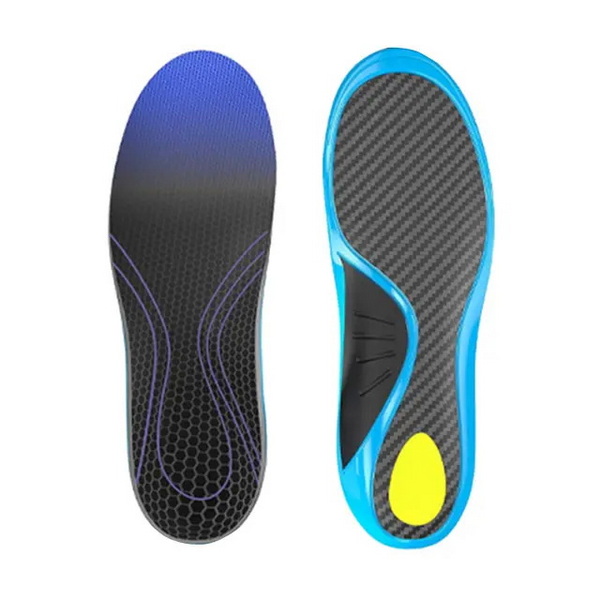
From a personal perspective, choosing the best shoe inserts for plantar fasciitis often starts with simple questions: [dealmoon]
1. Where does the pain peak—heel, arch, or forefoot?
2. How long are daily standing or walking periods?
3. What footwear is primarily used—running shoes, work boots, dress shoes?
For brands and OEM buyers, the same questions become technical specifications: [chinese.alibaba]
- Required arch height and stiffness for the target user profile
- Minimum heel cup depth and geometry for stability
- Acceptable durometer (hardness) range for mid-layer and top cover materials
- Regulatory or industry-specific constraints (for example, slip-resistance in industrial footwear)
By translating user pain points into measurable design parameters, companies like 3BU Technology can co-create plantar fasciitis insoles that perform reliably across thousands of pairs, not just for one individual. [medicalexpo.com]
From an industry expert standpoint, an insole that truly qualifies as "best" for plantar fasciitis must be evaluated across three axes: biomechanics, materials, and durability. [lpinformation.com]
- Biomechanics
A well-engineered insole offers structured arch support, a stable heel platform, and controlled flexibility in the midfoot, minimizing strain on the plantar fascia. [isun3d]
- Materials
Multi-layer constructions combining shock-absorbent EVA, resilient foams, and breathable top fabrics reduce impact while maintaining shape over time. [ortholite]
- Durability and consistency
In an OEM context, each batch must maintain consistent thickness, density, and return rate, ensuring that every pair of shoes delivers the same comfort story. [chinese.alibaba]
3BU Technology, as a leading Chinese insole manufacturer serving foreign brands via OEM, operates at the intersection of these three axes, focusing on OEM-friendly plantar fasciitis insoles that can be integrated into diverse product lines from athletic shoes to safety boots. [chinese.alibaba]
In practice, global brands and wholesalers use OEM plantar fasciitis insoles in several high-value scenarios. [medicalexpo.com]
- Comfort-focused lifestyle footwear
Everyday sneakers and casual shoes incorporate arch-support insoles to differentiate from commodity models and encourage repeat purchases. [lpinformation.com]
- Work and safety footwear
Boots designed for warehouse, logistics, or construction workers rely on heel cups and arch support to reduce fatigue and injury risk during long shifts. [isun3d]
- Sports and performance shoes
Running and training shoes integrate OEM insoles to balance shock absorption and energy return, serving both performance demands and plantar fasciitis prevention. [chinese.alibaba]
For each scenario, OEM manufacturers like 3BU Technology adjust geometry, materials, and branding elements to match the buyer's positioning while maintaining a consistent biomechanical foundation for plantar fasciitis relief. [chinese.alibaba]
For foreign brands, wholesalers, and producers, transitioning from generic inserts to OEM plantar fasciitis insoles can follow a clear, structured process. [chinese.alibaba]
1. Define target user profiles
Identify whether you are serving workers, runners, or general consumers, and specify typical use durations and pain patterns. [medicalexpo.com]
2. Set performance criteria
Establish required levels of arch support, heel stability, cushioning, and durability based on positioning (entry-level comfort vs premium orthopedic). [lpinformation.com]
3. Collaborate on design with OEM manufacturer
Work with partners such as 3BU Technology to prototype arch shapes, heel cup geometry, and multi-layer constructions aligned with your brand promise. [isun3d]
4. Run user trials and refine
Test sample insoles with target users to validate fit, comfort, and pain relief before committing to full-scale production. [medicalexpo.com]
5. Integrate branding and packaging
Finalize visual elements, usage instructions, and marketing claims to ensure a coherent story from box to in-shoe experience. [chinese.alibaba]
By following this path, brands can move beyond selling a single "best insert" and instead deliver entire product lines engineered for plantar fasciitis relief. [lpinformation.com]
From a user's perspective, the best shoe inserts for plantar fasciitis are those that reduce pain quickly and reliably. From a brand's perspective, the best solution is one that also supports long-term positioning and margin. [dealmoon]
OEM custom insoles from 3BU Technology provide: [chinese.alibaba]
- Consistent comfort across entire collections, not just individual purchases
- Deeper brand differentiation, with pain relief written into the product architecture
- Scalable sourcing, backed by a manufacturing partner experienced in plantar fasciitis and orthopedic inserts
For global brands, wholesalers, and producers, aligning with a specialized OEM insole manufacturer transforms plantar fasciitis support from a standalone accessory into a core product feature. [chinese.alibaba]
If you are a foreign brand, wholesaler, or producer evaluating the best shoe inserts for plantar fasciitis for your customers, partnering with an experienced OEM manufacturer is the most direct path to a scalable solution. [dealmoon]
3BU Technology can help you: [chinese.alibaba]
- Define biomechanical requirements for plantar fasciitis support in your footwear range
- Design and produce OEM plantar fasciitis insoles tailored to your target markets
- Integrate branding, packaging, and technical documentation that reinforce your comfort story
For your next collection, consider making plantar fasciitis relief a central design principle rather than an optional add-on—and leverage OEM expertise to bring that principle to life across every pair. [medicalexpo.com]
Q1: Are OEM plantar fasciitis insoles suitable for all shoe types?
A1: OEM insoles can be engineered for different footwear categories, including sports, casual, and safety shoes, with geometry and materials adapted for each use case. [isun3d]
Q2: Do OEM insoles offer better pain relief than generic inserts?
A2: When designed around specific user profiles and footwear categories, OEM insoles can provide more consistent arch support and heel stability than general retail inserts. [chinese.alibaba]
Q3: How long do plantar fasciitis insoles typically last in daily use?
A3: Durability depends on materials and usage intensity, but well-engineered insoles can maintain supportive performance over extended periods in everyday and work environments. [ortholite]
Q4: Can brands customize the look and feel of OEM plantar fasciitis insoles?
A4: Yes, OEM manufacturers allow customization of colors, logos, top fabrics, and even packaging to match brand identity while retaining functional performance. [chinese.alibaba]
Q5: What initial information should a brand provide when starting an OEM insole project?
A5: Brands should share target user profiles, shoe categories, desired comfort level, and any regulatory or market-specific requirements to guide design and material selection. [chinese.alibaba]
1. [Best Shoe Inserts for Plantar Fasciitis – Aline Insoles]
2. [Global Plantar Fasciitis Orthotic Insoles Growth Trends 2024–2030 – LP Information]
3. [Orthopedic Insoles for Shoes Plantar Fasciitis – Alibaba]
4. [Plantar Fasciitis Orthopedic Insoles and Arch Support Inserts – Alibaba (Chinese)]
5. [High Arch Support Orthotic Insoles for Plantar Fasciitis – Alibaba]
6. [Ortholite – About Us]
7. [3D Printed Insoles Series – iSun3D]
8. [Plantar Fasciitis Orthopedic Production Insoles – Alibaba (Chinese)]
9. [High Arch Support Insoles for Overpronation and Flat Feet – Alibaba]


