
Language
Views: 222 Author: Edvo Publish Time: 2025-12-16 Origin: Site


Content Menu
● Understanding Memory Foam Insoles
>> Key Benefits
>> Limitations
● Memory Foam Insoles vs. Orthotics
● Should You Remove Memory Foam Insoles Before Wearing Orthotics?
>> 2. Avoiding Excess Pressure
>> 4. Extending Footwear Longevity
● When Can You Keep Both Insoles?
● How to Properly Install Orthotics in Your Shoes
● Choosing the Right Footwear for Orthotics
● Caring for Memory Foam and Orthotics
● How Materials Affect Comfort and Performance
● Expert Advice: When in Doubt, Ask a Professional
● The Role of OEM Insole Manufacturers
● FAQ
>> 1. Can I wear both memory foam and orthotics together?
>> 2. What if my shoes feel too tight after inserting orthotics?
>> 3. How long do orthotics typically last?
>> 4. Is it normal for orthotics to feel uncomfortable at first?
>> 5. How can manufacturers customize OEM memory foam insoles?
When people invest in quality footwear, comfort and support are usually among the top priorities. Memory foam insoles have become extremely popular because they offer a soft, form-fitting feel that adapts to the unique contours of each person's feet. Orthotics, on the other hand, are designed to provide precise biomechanical correction and support for people who experience foot pain or postural imbalances. But when combining these two — memory foam insoles and orthotics — a common question arises: Should I remove memory foam insoles when wearing orthotics?
The short answer is usually yes, but the reasoning depends on how your shoes are built, what kind of support your feet require, and how orthotics function compared to ordinary cushioning insoles. Below, we explore everything you need to know before deciding whether to remove your memory foam insoles or keep them under your orthotics.
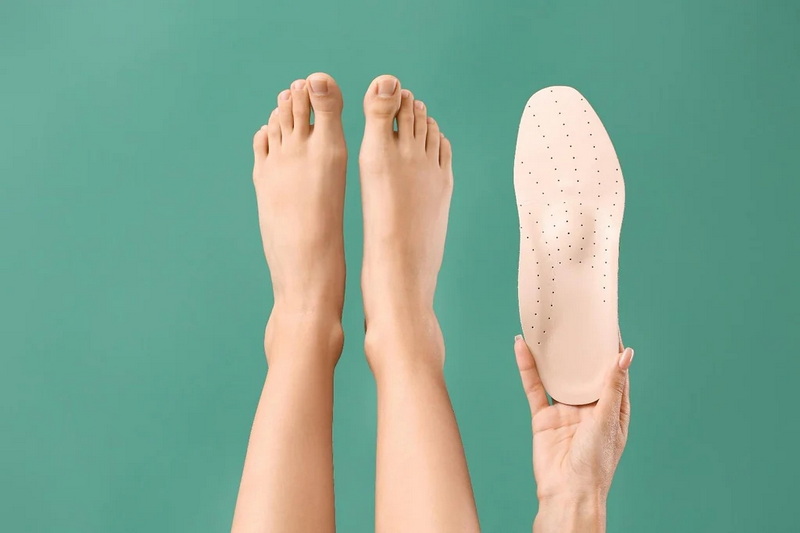
Memory foam was originally developed by NASA for spacecraft seating to improve cushioning and shock absorption. Today, the same material has become a key component in footwear comfort. Memory foam insoles are made from viscoelastic polyurethane that molds under pressure and heat, allowing them to adapt precisely to your foot's shape.
- Enhanced comfort: Memory foam creates a soft and personalized fit that feels gentle on the feet.
- Shock absorption: It helps absorb repetitive impact, especially useful for walking, standing, or low-impact exercise.
- Reduced pressure: The insoles distribute body weight evenly to prevent soreness in pressure points such as the heel and ball of the foot.
- Affordability: Compared with custom orthotics, memory foam insoles are relatively inexpensive and widely available.
Despite their comfort advantages, memory foam insoles have a few limitations. They focus on cushioning rather than correction, meaning they will not fix structural foot issues like flat feet or pronation. In addition, memory foam tends to wear out faster than higher-density materials, losing shape and support after several months of consistent use. This degradation can reduce stability, especially for people who rely on precise foot positioning.
Orthotics are more advanced than regular insoles. They are specially designed devices used to align and support your feet and ankles. Podiatrists or medical professionals may prescribe custom orthotics to treat chronic foot pain, balance problems, or gait abnormalities.
- Structural support: By targeting areas like the arch, heel, or forefoot, orthotics help the foot maintain proper alignment.
- Correction of abnormalities: They address problems such as overpronation, supination, flat feet, or high arches.
- Pain management: Orthotics relieve discomfort caused by plantar fasciitis, heel spurs, shin splints, and joint strain.
- Postural improvement: Proper foot alignment improves posture and can prevent pain in the knees, hips, and lower back.
Orthotics may be made from firm materials such as thermoplastic, carbon fiber, or medical-grade EVA, combining rigidity with controlled flexibility. Unlike soft foam insoles, they are designed not just for comfort but for biomechanical precision.
Both memory foam and orthotics improve comfort, but they do so in very different ways. Understanding the distinction helps you decide which is better for your needs — or whether using both makes sense.
| Feature | Memory Foam Insole | Orthotic |
|---|---|---|
| Primary Purpose | Comfort cushioning | Alignment and correction |
| Material Type | Soft viscoelastic foam | Firm TPU, carbon fiber, or medical EVA |
| Customization | Generic or standard fit | Custom-molded or semi-custom |
| Support Function | Minimal arch support | Targeted biomechanical correction |
| Durability | Lasts 3–6 months | Lasts 1–3 years |
| Medical Purpose | No | Designed for medical or orthopedic use |
In simple terms, memory foam acts like a soft bed, while orthotics function like a stable foundation. If you try to layer one on top of the other without enough space, the result may be instability or poor posture correction.
In most situations, yes — you should remove memory foam insoles when using orthotics. Here's why this is almost always the best choice:
Orthotics must sit directly on the shoe's insole platform to ensure firm contact and alignment. When placed on memory foam, they lose that stable connection, which compromises their corrective purpose.
Layering memory foam and orthotics increases the volume inside the shoe. This can squeeze your feet, restrict circulation, or create discomfort around the toes and top of the foot.
Orthotics are designed to distribute pressure evenly. Memory foam, being soft and compressible, introduces uneven resistance and can tilt your orthotics slightly, causing misalignment.
A double insole setup can stretch your shoes unnecessarily. Over time, this deforms the shoe's interior and reduces both comfort and durability, particularly in athletic shoes or work boots.
While removing the memory foam insole is generally best, there are exceptions where layering can work — if done carefully.
- Shoes with extra depth or removable liners: Some shoes are built with deep interiors that can comfortably accommodate both insoles without restricting space.
- Partial or heel-only orthotics: If your orthotics only support the heel or arch, placing them on top of thin memory foam may offer extra cushioning without disrupting alignment.
- Medical advice or specific foot comfort needs: Some people, particularly those with sensitive soles or neuropathic pain, may find the added softness useful under medical guidance.
- Casual daily use: When wearing non-performance shoes and walking short distances, a combination can work if it feels balanced and natural.
Before combining insoles, test them for a few minutes each day to check whether your feet feel stable and evenly supported. If discomfort or tightness appears, remove one layer immediately.
Installing orthotics correctly is critical to achieving the intended support. Follow these steps for optimal performance:
1. Remove the existing insoles. Take out the factory or memory foam insole completely.
2. Inspect the shoe interior. It should be flat and free of wrinkles or uneven surfaces.
3. Insert the orthotic slowly. Make sure it fits tightly against the heel cup and lies flat through the toe area.
4. Test standing balance. Your feet should feel level and supported without wobbling.
5. Wear for short periods initially. Let your feet adjust by wearing orthotics for about 1–2 hours per day, gradually increasing usage.
6. Check for discomfort. If any sharp pressure points or tightness appear, re-check the fit or consult a professional.
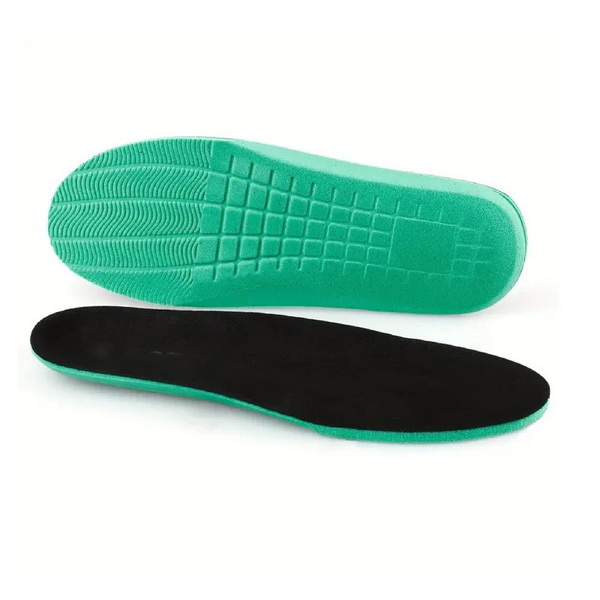
Many people unknowingly use orthotics incorrectly due to simple misunderstandings. Here are some common mistakes:
- Layering additional insoles unnecessarily. This compromises fit and performance.
- Using old or compressed shoes. Even well-fitted orthotics perform poorly in damaged footwear.
- Ignoring break-in time. Orthotics may feel unusual at first; don't expect instant comfort.
- Trimming incorrectly. Always follow manufacturer guidelines before cutting orthotics to size.
- Neglecting upkeep. Dirt, moisture, and heat can deform orthotic materials over time.
Not all shoes are compatible with orthotics. Selecting the right footwear ensures you take full advantage of the support they offer.
- Removable Insoles: Opt for shoes with removable factory insoles, allowing easy replacement with your orthotics.
- Proper Depth: Deep shoes provide enough space to maintain comfort even with supportive inserts.
- Firm Heel Counters: A sturdy heel section stabilizes your orthotic and prevents shifting.
- Flat Base Construction: A flat platform ensures even weight distribution and avoids tilting your orthotic.
- Breathable Upper: Leather or mesh materials help regulate moisture and temperature, keeping your feet dry.
These details matter most for people with orthotic needs, as an unsuitable shoe can offset the benefits of even the most advanced inserts.
Proper maintenance extends the lifespan and effectiveness of both memory foam insoles and orthotics.
- Remove them from the shoe periodically to air out and prevent odors.
- Spot clean using mild soap and cold water — avoid soaking.
- Allow them to dry completely before reinserting.
- Replace them every 3–6 months or once they stop springing back after compression.
- Clean with a damp cloth, not a washing machine.
- Check for cracks, warped areas, or excessive wear every few months.
- Do not expose them to high heat, which can deform plastic or EVA structures.
- Consult your podiatrist or orthotic supplier for re-covering or adjustment services if the material wears unevenly.
The interaction between orthotics and insoles largely depends on the materials used. Memory foam, EVA, gel, and PU (polyurethane) each have unique properties.
- Memory foam offers adaptive cushioning but limited structural support.
- EVA foam balances lightness and firmness, making it popular for sports applications.
- Gel layers provide targeted shock absorption in the heel zone.
- TPU (thermoplastic urethane) is denser and flexible, used in performance insoles with higher durability.
Orthotics usually incorporate firmer materials, while insoles lean toward comfort materials. Combining both can work only if the footwear design allows proper stability.
Even though general guidance applies to most users, personal factors such as arch height, gait type, and foot condition heavily influence the best insole setup. A podiatrist or orthopedic specialist can analyze your foot structure through gait analysis or pressure mapping to recommend suitable orthotics or alternative insoles.
For individuals with mild discomfort, commercial-grade memory foam insoles might be sufficient. For chronic pain or structural issues, orthotics designed by professionals remain the most reliable choice.
As a leading Chinese insole manufacturer, we emphasize that understanding end-user needs is crucial when producing OEM or private-label insoles. Our clients — from international footwear brands to sports shoe factories — often combine both comfort and medical-grade features into hybrid insoles.
Manufacturers can tailor insole thickness, density, arch height, and shape depending on customer requirements. By integrating sustainable materials and ergonomic design, we ensure every insole supports natural motion while maintaining consistent quality across high-volume production.
So, should you remove memory foam insoles when wearing orthotics? In most cases, yes. Orthotics are engineered to provide precise biomechanical correction, which requires a stable surface inside the shoe. Keeping the memory foam insole beneath often raises your foot too high, compresses the fit, and reduces alignment accuracy.
However, exceptions exist: if your shoes have sufficient depth, or your orthotics only cover partial areas of the foot, a thin cushioning layer might enhance comfort. The key is balance — ensuring support without losing stability. For the best long-term results, consult a foot specialist, invest in properly fitted footwear, and replace worn-out insoles regularly.
Healthy, supported feet can transform your walking experience — making every step lighter and more confident.
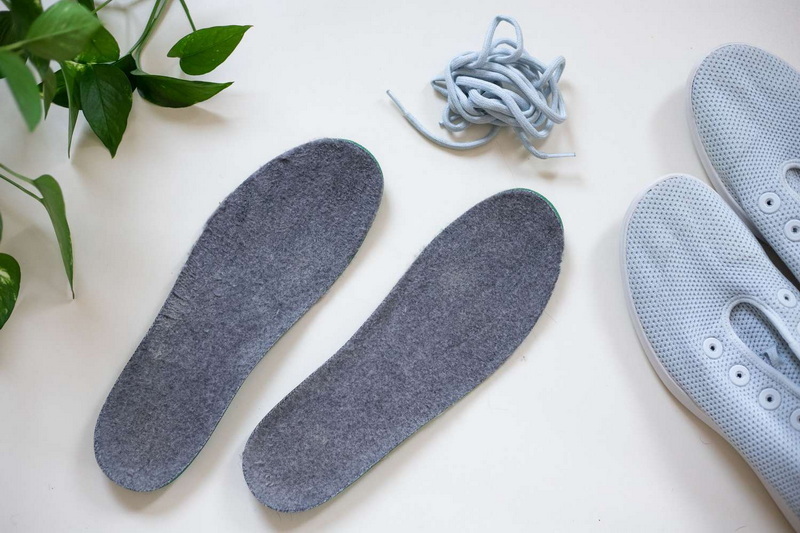
You can, but only if your shoes have enough room and the arrangement feels stable. Otherwise, it's best to remove the memory foam insole for proper alignment.
Try removing the original insoles entirely or switching to footwear with deeper interiors. Tight shoes can reduce circulation and cause pain over time.
High-quality orthotics can last between one and three years, depending on usage frequency, body weight, and activity level.
Yes. Your body is adjusting to corrected alignment. Wear them gradually for several hours each day until comfort increases.
Manufacturers can adjust thickness, density, contour, and material layering based on client needs — for example, combining memory foam with gel or EVA for better durability and cushioning.


