
Language
Views: 222 Author: Edvo Publish Time: 2025-11-23 Origin: Site


Content Menu
● The Rising Demand for Polyurethane Insoles
● Why Major Brands Choose Chinese Polyurethane Insoles Manufacturers
● Applications of Polyurethane Insoles in Footwear
● Understanding the Polyurethane Insole Production Process
>> 5. Finishing and Quality Control
● How to Successfully Collaborate with Chinese Polyurethane Insoles Manufacturers
● Top 10 Polyurethane Insoles Manufacturers in China
>> 1. Jinjiang Shangchen Footwear Accessories Co., Ltd.
>> 2. Guangzhou Dreamstep Insoles Co., Ltd.
>> 3. Wenzhou Comfort Material Co., Ltd.
>> 4. Quanzhou SoftCare Footwear Supplies Co., Ltd.
>> 5. Dongguan StepMax Polyurethane Products Co., Ltd.
>> 6. Putian CloudFeet Factory
>> 7. Xiamen FoamPro Polymer Technology Co., Ltd.
>> 8. Suzhou HealFit Technology Co., Ltd.
>> 9. Dongguan ComfortWalk Manufacturing Co., Ltd.
>> 10. Zhejiang PowerFoam Materials Co., Ltd.
● Latest Technologies Driving Polyurethane Insole Manufacturing
● Sustainability Initiatives and Eco-Friendly PU Insole Options
● OEM Customization Capabilities You Should Expect
● Future Trends in Polyurethane Insoles Manufacturing
● How to Select the Best Polyurethane Insoles Manufacturer for Your Needs
● FAQ
>> 1. What sets polyurethane insoles apart from EVA or rubber?
>> 2. Can I customize every aspect of my PU insole order with Chinese manufacturers?
>> 3. How do leading Chinese factories assure quality in PU insole production?
>> 4. Are sustainable or recyclable PU insole options available?
>> 5. What is the typical order process for international customers?
In today's global footwear sector, polyurethane insoles manufacturers in China play a pivotal role in advancing comfort, durability, and innovation in shoe design. Polyurethane (PU) insoles offer excellent shock absorption, flexibility, and lightweight support, making them the material of choice across athletic, safety, and casual shoes. As international footwear brands and wholesalers compete for market share, selecting a reliable Chinese PU insole partner is now a mission-critical business decision.
This in-depth article explores the top 10 polyurethane insoles manufacturers in China who combine craftsmanship, technology, and international OEM/ODM service. It also demystifies the PU insole production process, provides actionable guidance for working with Chinese factories, and highlights market trends reshaping the industry.

Footwear innovation has evolved rapidly, with polyurethane insoles manufacturers at the forefront of performance upgrades. Compared to traditional EVA or latex insoles, PU insoles retain shape, resist compression, and offer lasting resilience. These qualities boost value for brands targeting athletes, workers, or anyone prioritizing foot health.
Key advantages include:
- Superior cushioning and rebound: Polyurethane foam disperses impact and returns to shape faster than conventional foams.
- Moisture management: Open-cell PU structures absorb sweat and accelerate evaporation, keeping feet dry.
- Planar stability: Ergonomic design and stable density offer arch support, reducing fatigue and injury risk.
- Longevity: PU is more durable than single-use materials, helping manufacturers reduce returns and complaints.
Chinese polyurethane insoles manufacturers stand out for their blend of technical innovation, operational flexibility, and cost advantage. Several factors contribute to China's dominance as a global PU insole supplier:
- Mature manufacturing ecosystem: China boasts the world's largest supply chain for foam chemicals, molds, and injection equipment.
- Customization capabilities: Factories cater to precise insole specifications, from 3D-foot scanning to multi-color branding and antimicrobial treatments.
- Scalable capacity: Whether you need 1,000 pairs for a niche boutique or 1 million pairs for a multinational launch, Chinese factories can scale production quickly.
- Export readiness: Decades of exporting to the US, EU, and global markets ensure reliable logistics, clear documentation, and bilingual after-sales service.
PU insoles have become a fundamental component for diverse shoe designs:
- Sports and running shoes: Lightweight, responsive cushioning maximizes energy return.
- Occupational and safety footwear: Shock-absorbing and anti-fatigue insoles minimize strain for workers who stand for long hours.
- Orthopedic and medical shoes: Custom-molded PU insoles support foot alignment, aiding patients with plantar fasciitis, diabetes, or flat feet.
- Fashion and dress footwear: Thin-profile, odor-resistant insoles improve comfort without adding weight or altering aesthetics.
To appreciate why China leads in the industry, it's valuable to understand PU insole manufacturing:
The production process starts by blending two main raw components: polyol and isocyanate. Additives—including catalysts, colorants, and antimicrobial agents—are mixed to achieve desired density, resilience, and appearance.
Next, automated equipment precisely blends A (polyol) and B (isocyanate) materials just before being poured or injected into a mold. Ensuring homogeneous mixing is key, as it affects foam quality, density, and structural stability.
For PU insoles, most manufacturers use low or high-pressure casting, sometimes followed by injection foaming. The blended material is poured into customized molds lined with fabric or mesh, which bonds to the PU during foaming. After initial chemical reaction, the PU expands and develops cell structure, filling the mold shape within a few minutes.
Once fully expanded and set, the mold cools and the insole is removed. Automated demolding systems improve efficiency and minimize product deformation.
Insoles are trimmed, edge-smoothed, and subjected to mechanical and chemical testing for compression set, rebound, breathability, and colorfastness. Branding, size stamping, and packaging are finalized before export.
Cutting-edge manufacturers employ CAD-based mold design and CNC machining for precise insole shapes. Many also conduct wear simulations and biomechanical tests to optimize insole longevity and comfort.
Establishing a seamless partnership with a polyurethane insoles manufacturer in China can give your business a vital advantage. Here's how to ensure success:
- Define your requirements: Provide detailed drawings, dimensions, PU density, and performance expectations.
- Test with small MOQ: Most Chinese factories allow low minimum order quantities for sampling. Use these to test quality and fit.
- Sample validation: Approve pre-production samples for material, logo, and packaging before mass production.
- Regular communication: Work with factories offering bilingual sales and engineering teams to avoid technical misunderstandings.
- Monitor certifications: Require compliance with global standards (REACH, RoHS, CE, ISO9001) to ensure safe and exportable insoles.
- Negotiate logistics: Discuss shipping routes, lead times, and Incoterms upfront to avoid costly delays.
A leader in PU insole R&D and export, Shangchen provides full OEM/ODM solutions for sports, medical, and industrial footwear brands. Signature technologies include PU + gel hybrids, rapid prototyping, and antimicrobial surface treatments.
Dreamstep boasts international certifications and exports to Europe, Australia, and the Americas. Specializes in high-rebound PU foam and custom-branded molds, with an emphasis on sports and orthotic insoles.
Comfort's strength lies in mass-producing fashionable, eco-friendly PU insoles. They pioneer water-based adhesives and efficient surface lamination for premium dress shoes.
SoftCare stands out for biomechanical design support, multi-layer PU/EVA composites, and large monthly capacity. Its insoles pass stringent European quality standards for medical and athletic use.
Focusing on precision injection techniques, StepMax creates dual-color and memory PU foam insoles, supplying clients from the safety, military, and hiking shoe sectors.
Environmentally conscious, CloudFeet integrates recycled PU and antimicrobial finishes for sports and fashion brands. Known for breathable, arch-supporting insoles.
FoamPro's in-house lab develops custom PU compounds for running, walking, and industrial use. Their lightweight and resilient insoles are backed by dynamic biomechanical testing.
HealFit targets the orthopedic and medical market segment with certified medical-grade insoles, focusing on biomechanical accuracy for diabetic and supportive footwear.
This manufacturer excels at blending PU with latex, EVA, and emerging biodegradable foams. Their advanced automation yields consistent, customizable insoles at scale.
With large-scale PU chemistry R&D and in-house technical support, PowerFoam serves mass-market international buyers needing reliable quality and timely delivery.
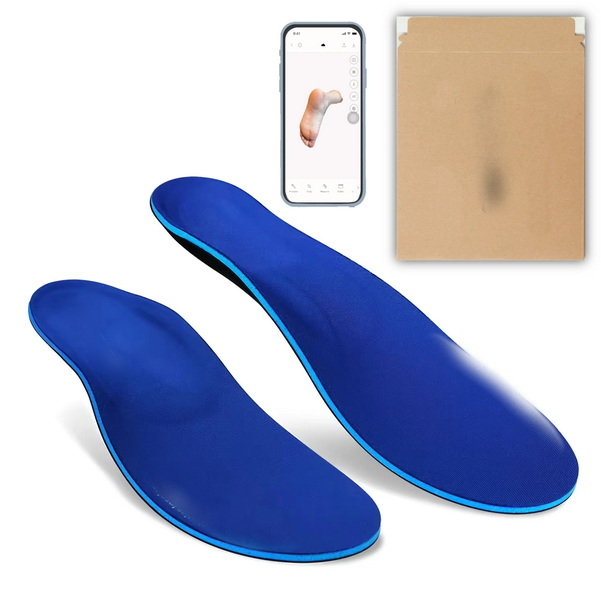
Leading Chinese factories integrate state-of-the-art technologies:
- CAD/CAM design: Computer-aided design software for automated mold and fit accuracy.
- 3D scanning: Digital foot scanning to create anatomically contoured insoles.
- Advanced CNC machining: Precision mold cutting ensures repeatability in mass production.
- Hybrid foam formulations: Combining PU with memory gel, rubber, or carbon fiber for tailored resilience and weight.
- Smart insole systems: Although still emerging, some manufacturers offer sensor-embedded prototypes that analyze foot pressure and motion for sports and medical applications.
Environmental responsibility is now a core focus among top manufacturers:
- Bio-based PU: Research into plant-based and biodegradable PU helps reduce reliance on petroleum-derived materials.
- Non-toxic adhesives: Water-based glues replace harmful solvents, improving both product safety and factory conditions.
- Recycling systems: Some factories reclaim PU offcuts for use in new insoles, cutting waste and cost.
- Life cycle assessments: Forward-thinking suppliers assess product impact from raw material to disposal, offering carbon footprint data to buyers.
To remain competitive, most Chinese polyurethane insoles manufacturers provide a spectrum of customization:
- Logo and branding: Embossed, debossed, or color-printed logos available on heel or forefoot.
- Color options: Dual-density foams, full-color printing, and custom pantone matching.
- Material specification: Buyers can choose among soft, medium, or high-density PU, or combine with gel inserts, bamboo charcoal for deodorization, and more.
- Shape and support: Anatomical shapes, metatarsal pads, or heel cups for tailored orthopedic functionality.
- Surface finishing: Textiles, mesh, cork, or antimicrobial films can be laminated over PU for a premium feel.
- Packaging: Personalized boxes, bags, or eco-packaging for retail-ready presentation.
Several trends point to where the industry is heading:
- Mass customization: 3D-printed and scanned custom insoles are making bespoke footwear accessible at scale.
- Digital supply chains: Cloud-based order management and digital proofing systems minimize miscommunication and allow real-time tracking.
- Sustainable chemistry: Continued research into recyclable and lower-impact PU foams is expected to drive widespread adoption of “green” insoles.
- Integrated wearables: Collaboration between insole factories and health tech brands is spawning sensor-equipped smart insoles for sports analytics and medical diagnostics.
When approaching Chinese manufacturers, consider:
- Factory visits: When possible, on-site inspections help verify claims of capacity, quality controls, and working conditions.
- Sample and batch tests: Order pre-production samples and request batch quality test reports.
- Responsive communication: A manufacturer with dedicated project managers will handle custom orders and urgent timeline changes smoothly.
- Reputation and track record: Seek out companies with strong references, long export history, and transparent terms.
Chinese polyurethane insoles manufacturers combine decades of technical innovation, scalable production power, and flexible OEM/ODM solutions for global brands, wholesalers, and startups. The ten leading companies outlined above represent the vanguard of comfort, customization, and value in the global marketplace. Whether your brand targets performance athletes, industrial workers, or fashion-forward consumers, choosing an expert PU insole partner from China ensures you receive products that meet rigorous comfort, durability, and eco-friendly expectations—all with reliable support and global logistics.
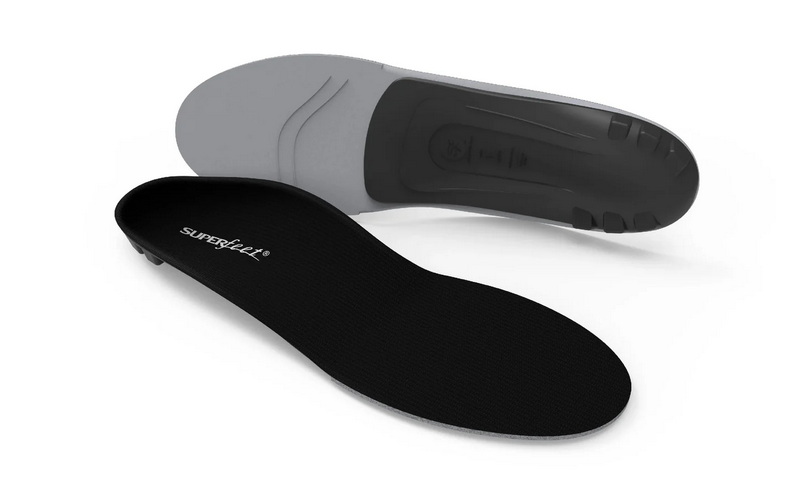
Polyurethane insoles provide greater durability, consistent rebound, and do not compress as quickly as EVA. They offer superior shock absorption and adaptability, making them ideal for athletic, industrial, and orthopedic footwear.
Yes. From mold design, density, and color to branding, surface finish, and packaging, reputable Chinese factories enable near-total customization to match your brand's vision and functional requirements.
Top-tier manufacturers invest in CAD/CAM design, CNC mold making, international quality certifications (ISO, REACH, ROHS), and comprehensive physical property testing to ensure consistently high standards and safety.
Yes. Many advanced factories now develop bio-based and recyclable PU foams, use water-based adhesives, and implement waste recycling processes to support environmental goals.
Buyers usually start with requirement discussions, receive molded samples, confirm specifications and logos, then move to bulk production. Factories handle global logistics, customs, and after-sales support for smooth international transactions.


