
Views: 222 Author: Edvo Publish Time: 2026-01-20 Origin: Site


Content Menu
● Rising Demand for Athletic Insoles in North America
● What Makes a Strong Athletic Insole Partner?
>> Advanced Material Engineering
>> Biomechanically Informed Design
>> Certification and Quality Systems
>> OEM / ODM Development Capability
● Leading Athletic Insoles Manufacturers and Suppliers in America
>> Dr. Scholl's Performance and Sports Lines
>> Implus Corporation (Sof Sole and Other Brands)
>> Powerstep (Stable Step, LLC)
>> Currex
● The Strategic Role of Chinese OEM Athletic Insole Factories
● How a Chinese OEM Partner Supports American Brands
● Key Criteria When Choosing Athletic Insoles Manufacturers and Suppliers
● Future Trends Shaping the Athletic Insole Industry
>> Smart and Connected Insoles
>> Sustainable and Recyclable Materials
>> 3D Printing and Mass Customization
● How Brands Can Leverage American and Chinese Partners Together
● FAQ About Athletic Insoles and OEM Cooperation
>> 1. What are the main benefits of using athletic insoles in sports footwear?
>> 3. What information should buyers prepare before contacting an insole OEM factory?
>> 4. How long does it typically take to develop a new athletic insole with an OEM supplier?
>> 5. What testing and certifications are important for athletic insoles?
Athletic performance is influenced not only by footwear design but also by the quality of the insole inside each shoe. As more consumers embrace running, training, and outdoor sports, demand for high‑performance insoles has grown rapidly across North America and worldwide. Athletic insoles now play a strategic role in product differentiation for global footwear and sportswear brands.
This article introduces leading Athletic Insoles Manufacturers and Suppliers in America, explains how they collaborate with international brands, and shows how OEM partners—especially from China—help scale production globally. It is designed for brand owners, wholesalers, and producers seeking reliable insole partners for long‑term cooperation.

North America has become one of the most dynamic markets for athletic and orthotic insoles, driven by sports participation, fitness culture, and increased awareness of foot health. Consumers are willing to invest in premium insoles that relieve pain, enhance comfort, and improve athletic performance.
Several market research reports show that the foot orthotic and shoe insole market is on track to reach multi‑billion‑dollar levels globally by 2030, with North America contributing a significant share of value growth. Athletic segments—running, court sports, outdoor, and training—are among the strongest drivers of this expansion, as brands compete to offer better cushioning, stability, and biomechanical support.
Not all Athletic Insoles Manufacturers and Suppliers offer the same level of capability. When international brands search for a long‑term partner, they usually focus on several core strengths.
Leading manufacturers constantly experiment with new compounds to deliver higher energy return, lighter weight, and better durability. Typical material systems include:
- EVA foams with different densities for targeted cushioning
- PU and gel materials for shock absorption and rebound
- Memory foam for personalized comfort and pressure distribution
- TPU and carbon inserts for arch stability and motion control
By tuning hardness, thickness, and layering, manufacturers can design insoles for specific sports, body weights, and usage environments.
Top manufacturers work closely with podiatrists, sports medicine specialists, and biomechanics experts. They use motion‑capture data, pressure mapping, and 3D foot scans to optimize:
- Arch contour and heel cup depth
- Forefoot flexibility and toe‑off dynamics
- Medial–lateral stability to manage over‑pronation or supination
This approach allows Athletic Insoles Manufacturers and Suppliers to provide products that not only feel soft but also guide the foot into more efficient movement patterns.
Global brands expect their insole partners to operate under strict quality control frameworks. Common expectations include:
- ISO 9001 or similar quality management systems
- Compliance with REACH and other chemical safety regulations
- Traceability of raw materials and production batches
- Consistent testing for compression set, abrasion, hardness, and bonding
These systems ensure that every production run remains consistent across large volumes.
In today's competitive footwear market, brands rarely want “off‑the‑shelf” insoles. Instead, they seek custom solutions that match their brand positioning. Strong OEM/ODM partners can:
- Develop exclusive shapes and foam recipes
- Integrate logos, patterns, or colors aligned with brand identity
- Provide customized packaging and labeling for different markets
- Offer fast sampling cycles and small‑batch trial production
This combination of engineering, compliance, and customization capability defines successful Athletic Insoles Manufacturers and Suppliers.
Below is an overview of key insole companies with strong presence in the U.S. market. Many of them sell under their own brands while also collaborating with other labels through OEM or private‑label projects.
Superfeet is widely recognized as one of the pioneers in premium insole design in North America. The company built its reputation through insoles that combine supportive heel cups with firm arch structures, helping improve alignment and reduce fatigue during sports and daily activities.
For athletic applications, Superfeet provides models optimized for running, hiking, court sports, and skiing. Its insoles are frequently recommended by specialty running stores and healthcare professionals. In addition to retail products, Superfeet's engineering know‑how makes it an attractive partner for brands that want to integrate similar support concepts into their own footwear ranges.
Dr. Scholl's is one of the most familiar names in foot‑care products. Its athletic and performance insole series are designed to bring mass‑market accessibility to sports‑focused comfort technologies. The brand combines soft gel cushioning with flexible support structures and moisture‑management top cloths.
From a B2B perspective, Dr. Scholl's demonstrates how powerful a trusted consumer brand can be when paired with efficient large‑scale manufacturing. While many of its products are sold directly to consumers in pharmacies and supermarkets, the brand's technology and design concepts often influence the broader strategies used by other Athletic Insoles Manufacturers and Suppliers.
Spenco has a strong medical and sports heritage, offering insoles that bridge the gap between comfort and rehabilitation. Its products often focus on reducing hot spots, friction, and pressure points—benefits that are particularly important for runners and people recovering from injuries.
Spenco's insoles typically use multi‑layer cushioning structures with advanced top fabrics for moisture and blister control. For sports brands, Spenco's approach shows how medical insight can translate into value‑added athletic products that appeal to both performance‑driven and comfort‑seeking users.
Implus is a global accessories group that operates multiple brands, with Sof Sole being its flagship insole line for athletics. Sof Sole insoles cover a wide range of use cases: impact‑protection models for high‑impact sports, lightweight variants for minimal footwear, and orthotic‑style designs with enhanced arch support.
With manufacturing bases in both the U.S. and Asia, Implus demonstrates how large‑scale Athletic Insoles Manufacturers and Suppliers combine global sourcing, centralized R&D, and regional distribution to serve international shoe brands and retailers.
Powerstep focuses heavily on orthotic‑grade insoles that appeal to athletes who require more structured support. Its insoles often feature semi‑rigid arch shells, deep heel cups, and dual‑density foams to balance comfort with control.
The company works closely with healthcare professionals, which strengthens its credibility in both medical and performance markets. For brands targeting runners with plantar fasciitis, flat feet, or over‑pronation, Powerstep‑style designs offer a strong reference point.
Currex positions itself as a data‑driven insole specialist. It uses extensive gait analysis and athletic testing to design insoles tuned for specific sports such as running, soccer, and hockey. Instead of a single “universal” insole, Currex offers different profiles that account for foot type and movement pattern.
For performance‑driven brands, Currex's approach highlights how modern Athletic Insoles Manufacturers and Suppliers can use data, sensors, and biomechanics research to create more targeted, higher‑value products.
Aetrex is known for combining footwear products with advanced digital fitting solutions. Its in‑store and clinic‑based scanning systems allow detailed measurement of foot length, width, arch height, and pressure distribution. This data then guides the selection or customization of appropriate insoles.
In the context of OEM cooperation, Aetrex illustrates how digital tools can help brands enhance consumer experience. A brand that partners with a factory capable of similar scanning and customization can offer premium, personalized athletic insoles to differentiate itself in crowded markets.
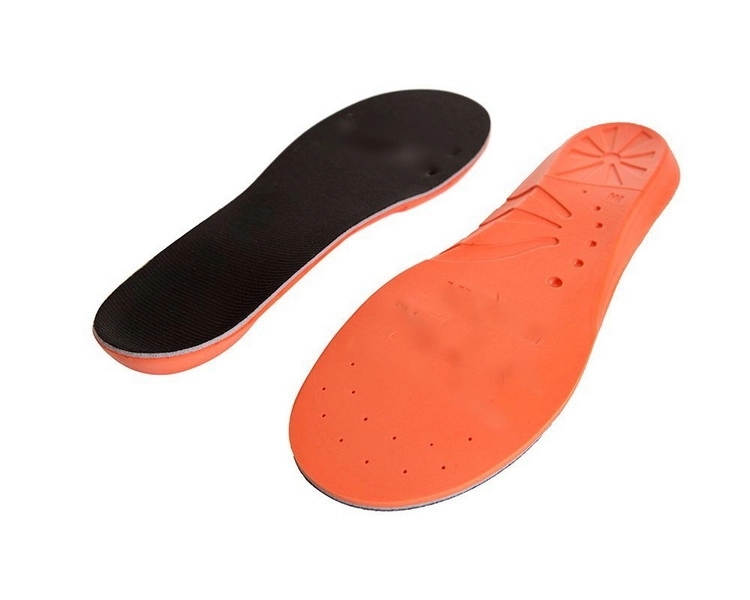
Although many leading brands and R&D centers are based in North America, global production capacity increasingly depends on high‑quality OEM suppliers in Asia—especially in China. Modern Chinese factories have moved far beyond basic foam cutting and now compete directly with international Athletic Insoles Manufacturers and Suppliers in innovation and quality.
Key advantages of Chinese OEM insole factories include:
- Large‑scale capacity for EVA, PU, rubber, and hybrid materials
- In‑house mold design, CNC machining, and automated lamination lines
- Experience with international brand audits and compliance processes
- Competitive cost structures that allow attractive margins for importers
For American and European brands, partnering with a capable Chinese OEM factory can dramatically shorten development cycles and support rapid product diversification.
As a leading insole factory in China, a manufacturer can provide complete support from concept to mass production for international buyers seeking Athletic Insoles Manufacturers and Suppliers. Typical cooperation steps include:
1. Requirement collection
Brands share sport type (running, training, basketball, hiking, etc.), target price, target markets, and branding requirements.
2. Material and structure proposal
The factory's engineering team recommends foam combinations, gel inserts, shank or TPU support pieces, and fabric options based on required performance.
3. 3D design and mold development
CAD models and 3D insole shapes are created to match specified shoe lasts or generic foot profiles. CNC machines then produce precise molds.
4. Prototype sampling
Sample insoles are produced for fit testing, wear trials, and lab performance tests such as compression set, fatigue resistance, slip resistance, and odor control.
5. Branding and packaging
Logos can be added by screen printing, heat transfer, embossing, or laser engraving. Custom packaging—cards, blister packs, or polybags—is developed according to each brand's retail strategy.
6. Mass production and logistics
Once the sample is approved, the factory begins mass production, conducts 100% visual checks and random performance tests, then ships goods via sea, air, or rail according to buyer preferences.
This end‑to‑end process helps brands that lack in‑house production capabilities still offer professional‑grade insoles under their own labels.
To successfully choose between domestic American companies and overseas OEM partners, buyers should evaluate several critical dimensions. Below is a simple reference framework:
- Technical capability
Check experience in athletic categories, the variety of foam and support materials, and the ability to design sport‑specific structures.
- R&D and sampling speed
Fast prototype turnaround enables brands to respond quickly to market trends and feedback from athletes.
- Quality management and compliance
Confirm whether the factory holds quality certifications, follows restricted substances lists, and performs regular testing.
- Cost and scalability
Balance unit price with expected volumes, seasonality, and forecasted growth. Large Athletic Insoles Manufacturers and Suppliers can handle rapid volume increases.
- Communication and service
A responsive engineering and sales team is essential for resolving technical questions, making design adjustments, and handling after‑sales issues.
By carefully benchmarking these factors, a brand can build a stable supply chain that supports long‑term product planning.
The next decade will bring significant changes to how athletic insoles are designed, produced, and marketed. Several trends are especially important for brands and sourcing managers.
Sensor‑embedded insoles capable of tracking steps, impact forces, and gait patterns are gradually moving from niche products to more mainstream uses. As electronic components become thinner and more flexible, Athletic Insoles Manufacturers and Suppliers will increasingly integrate:
- Pressure sensors to monitor landing patterns
- Accelerometers to measure impact and acceleration
- Wireless modules that synchronize data with mobile apps
These features open new opportunities for coaching, injury prevention, and personalized training plans.
Environmental responsibility is no longer optional. Many brands now require insoles that use:
- Recycled EVA or PU content
- Bio‑based foams derived from plant oils
- Water‑based adhesives and eco‑friendly dyes
- Recyclable packaging materials
Factories that invest in sustainable material sourcing and cleaner processes will be better positioned to win long‑term contracts with global sports brands.
3D printing is already being used in high‑end sports footwear, and insoles are a natural extension. For very demanding athletes or for medical applications, 3D‑printed insoles can deliver fully customized support based on detailed foot scans.
While mass‑market insoles will still rely mainly on molded foams for cost reasons, some Athletic Insoles Manufacturers and Suppliers are exploring hybrid models in which base structures are molded, but certain zones or accessories are 3D‑printed for extra support or cushioning. This hybrid approach balances personalization with scalability.
For many growing brands, the most effective strategy is not to choose between American or Chinese suppliers, but to combine their strengths in a hybrid sourcing model.
A common approach is:
- Use American partners for high‑end, concept‑driven or clinically focused product lines where proximity to key markets and direct collaboration with experts is essential.
- Use Chinese OEM factories for large‑volume, price‑sensitive lines or for rapid rollout of new styles across multiple regions.
By managing both pipelines in parallel, brands can cover different price points and distribution channels while ensuring continuity of supply. Coordinated design specifications, shared testing standards, and transparent communication help align quality across all Athletic Insoles Manufacturers and Suppliers involved.
America hosts some of the world's most influential Athletic Insoles Manufacturers and Suppliers, recognized for strong research capabilities, medical cooperation, and consumer brand power. Companies such as Superfeet, Dr. Scholl's, Spenco, Implus, Powerstep, Currex, and Aetrex have shaped expectations for performance, comfort, and support in sports insoles.
At the same time, high‑quality Chinese OEM factories have become crucial partners for global brands that need reliable, scalable production, advanced materials, and competitive pricing. By combining American innovation with Chinese manufacturing efficiency, brands can create full product ranges that meet different market segments and performance requirements.
For footwear brands, distributors, and private‑label owners, the key is to understand each partner's strengths, evaluate technical and service capabilities carefully, and build long‑term relationships based on transparency and continuous improvement. With the right mix of Athletic Insoles Manufacturers and Suppliers, it becomes possible to deliver insoles that enhance comfort, protect foot health, and raise athletic performance for customers around the world.
Contact us to get more information!
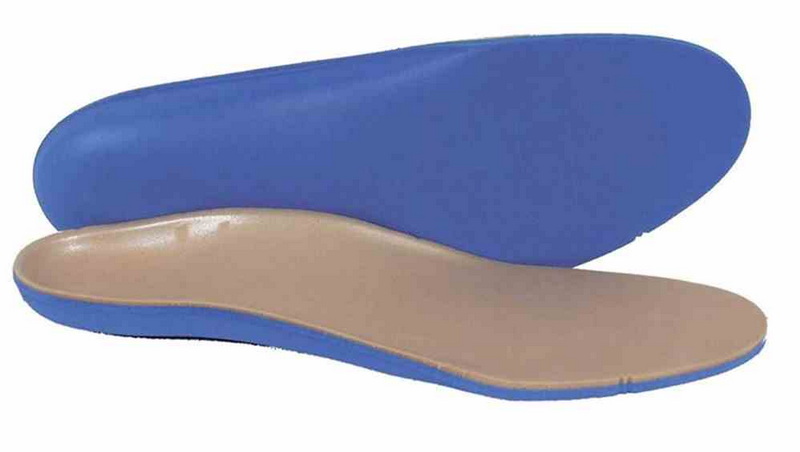
Athletic insoles increase cushioning, reduce impact forces on joints, and improve overall comfort during running, training, and sports. They can also enhance stability and alignment, helping minimize the risk of overuse injuries. For brands, better insoles transform standard shoes into higher‑value performance products without completely changing the shoe construction.
American manufacturers often provide strong R&D, branding support, and close cooperation with medical or sports science experts. Chinese OEM factories usually offer large‑scale capacity, fast lead times, and competitive pricing. Many successful brands work with both—using American partners for flagship or niche lines, and Chinese partners for volume production and broader market coverage.
Before approaching an OEM factory, buyers should prepare target sports categories, shoe types, expected annual volume, target price range, preferred materials, key functions (such as shock absorption, arch support, or anti‑odor), and branding requirements. Clear specifications allow Athletic Insoles Manufacturers and Suppliers to respond faster with accurate design proposals and quotations.
Development time depends on complexity, but a typical project might include one to two weeks for initial design and material proposals, two to four weeks for sample production and testing, and another two to four weeks for adjustments and final approval. After confirmation, mass production and shipment windows are added. Planning a few months ahead ensures smoother launches.
Common tests include compression set, hardness, abrasion resistance, bonding strength, and color fastness, as well as antimicrobial and odor‑control evaluations if relevant. Many buyers also require compliance with chemical regulations such as REACH and adherence to internal restricted substances lists. Working with Athletic Insoles Manufacturers and Suppliers that already operate under certified quality systems reduces risk and speeds up approvals.
1. https://www.fortunebusinessinsights.com/u-s-foot-orthotic-insoles-market-107664
2. https://www.kbvresearch.com/shoe-insoles-market/
3. https://www.grandviewresearch.com/industry-analysis/shoe-insoles-market-report
4. https://www.maximizemarketresearch.com/market-report/casual-and-sports-insoles-market/84772/
5. https://finance.yahoo.com/news/global-foot-orthotic-insoles-market-025200287.html
6. https://www.grandviewresearch.com/horizon/outlook/shoe-insoles-market/north-america
7. https://trakkr.ai/rankings/industry/insoles
8. https://www.insolemaker.com/top-10-athletic-insoles-manufacturers-in-china.html


