
Views: 222 Author: Edvo Publish Time: 2026-01-26 Origin: Site


Content Menu
● The Expanding Canadian Athletic Insole Market
● What Sets Canadian Manufacturers Apart
>> 2. Strong OEM/ODM Capabilities
>> 3. Research into Biomechanics
>> 4. Commitment to Sustainability
● Top Athletic Insoles Manufacturers and Suppliers in Canada
>> 3. SoleActive Performance Systems
>> 4. OrthoLite Canada (Regional Hub)
● Cross-Border Collaboration: Canada and China's OEM Partnership Advantage
● Core Material Technologies Used in Athletic Insoles
>> EVA (Ethylene Vinyl Acetate)
>> Memory Foam
>> Carbon Fiber and Composite Plates
● Choosing the Right Athletic Insoles Supplier
● Market Evolution and Emerging Trends
>> Smart and Sensor-Based Insoles
>> Sustainable and Circular Production
>> 3D Printing in Custom Insoles
>> Expansion of Private Label Solutions
● Opportunities for Global Buyers
● Frequently Asked Questions (FAQ)
>> 1. What are the key advantages of Canadian Athletic Insoles Manufacturers and Suppliers?
>> 2. Can I order private-label or OEM athletic insoles from Canada?
>> 3. How do sustainable insole materials compare to traditional foams?
>> 4. What is the role of China-based manufacturers in supplying Canadian-designed insoles?
>> 5. How should buyers evaluate a potential insole supplier before committing?
Canada is becoming a key player in the global footwear components market, particularly in high-performance insoles tailored for athletic and lifestyle applications. From biomechanics-driven innovations to eco-friendly designs, Canadian Athletic Insoles Manufacturers and Suppliers offer world-class quality to both domestic and international brands. With increasing interest from sportswear companies, orthotic specialists, and outdoor gear producers, the Canadian market stands out for combining advanced technology, sustainability, and custom manufacturing expertise.
This article provides a comprehensive overview of Canada's top athletic insole manufacturers, the materials and innovations driving the industry, and how global buyers—especially those seeking OEM solutions—can leverage Canadian design excellence and efficient Asian production partnerships.
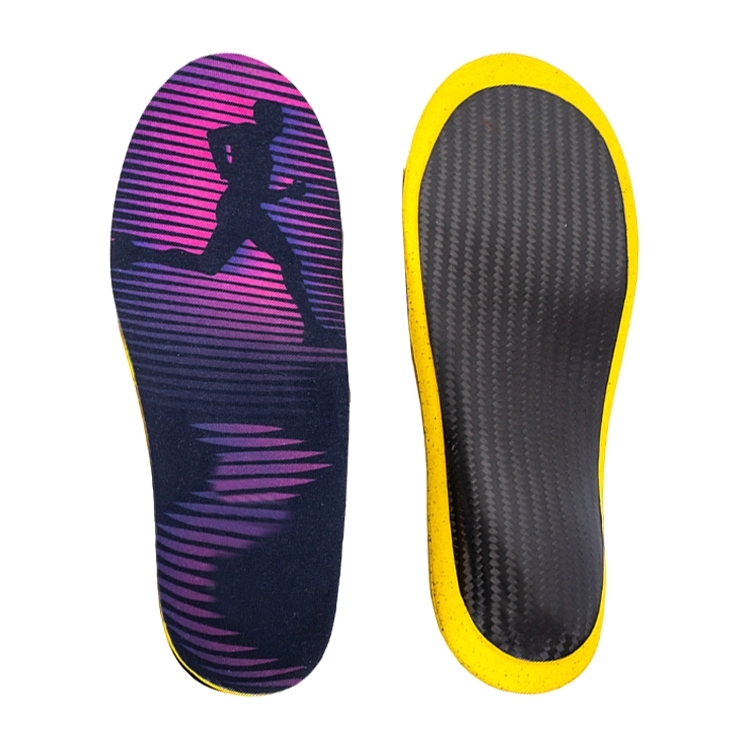
In recent years, Canada's athletic insole industry has evolved from a niche supplier network into a thriving ecosystem serving global brands. Several market forces are fueling this growth:
- Rising sports participation. Canadians are increasingly engaged in running, hiking, and fitness activities, boosting demand for ergonomic insoles.
- Health and wellness trends. Consumers now view footwear comfort as integral to daily health, not just athletic performance.
- Demand for sustainability. Environmentally responsible materials are quickly replacing petroleum-based foams.
- Export potential. Canadian excellence in design and material innovation makes its manufacturers preferred partners for international brands.
This rise positions Canadian Athletic Insoles Manufacturers and Suppliers as strategic leaders in producing comfortable, durable, and environmentally conscious products.
Canadian factories operate with high-compliance quality systems and CNC-enabled production lines that guarantee precision cutting, lamination, and pressure calibration. These advanced methods minimize waste while achieving tight dimensional tolerance for mass production.
Many Canadian companies serve under OEM agreements, allowing global brands to white-label insoles according to proprietary designs. From logo embossing to customized density mapping, suppliers can tailor materials for specific applications such as trail running, skiing, or occupational footwear.
Canada collaborates extensively with sports research institutions and podiatry experts. Many manufacturers integrate gait analysis, 3D modeling, and wear simulation testing to enhance insole ergonomics. This approach ensures maximum energy efficiency, comfort, and performance across diverse sports conditions.
Canadian manufacturers lead in sustainable production by developing insoles from recycled EVA foam, cork granules, bio-based polyurethane, and compostable polymers. Carbon footprint reduction and water-based adhesives are increasingly standard across facilities.
Below are some of the standout companies known for innovation, production capacity, and market influence in the Canadian insole sector.
Location: Vancouver, BC
Main Products: Moldable cork insoles, performance series, orthotic inserts
SOLE has become synonymous with sustainable footcare. Its patented moldable insoles are heat-adaptable, allowing users to achieve a custom fit at home. Besides retail lines, SOLE offers OEM partnerships to eco-conscious brands seeking recyclable, high-performance comfort solutions. Their unique cork composition provides anti-odor properties and high rebound performance for sports footwear.
Location: Coquitlam, BC
Main Products: Pro-grade orthotics, athletic insoles, supportive footbeds
As one of the world's most recognized names in foot support, Superfeet's Canadian branch is known for integrating podiatric science into product design. Their factory operations emphasize precision molding and pressure-point optimization. The brand's certified carbon-neutral practices and use of recycled packaging appeal strongly to brands with sustainability mandates.
Location: Montreal, QC
Main Products: Sports-specific insoles, dynamic shock-absorption foams
SoleActive leads the field in material innovation, specializing in multi-density layered foams that offer cushioning, ventilation, and stability. Their insoles are popular among running shoe and athletic gear manufacturers that prioritize lightweight resilience. The company's partnership with Canadian sports medicine institutions ensures its designs meet biomechanical performance standards for both professional athletes and daily users.
Location: Ontario
Main Products: Open-cell PU foam insoles, moisture-control footbeds
OrthoLite is globally renowned for its proprietary open-cell foam technology. Its Canadian operations support regional assembly, R&D, and customization for footwear brands. The breathable design improves sweat management and long-lasting comfort, suitable for hiking, training, and competitive sports shoes. OrthoLite products are also compatible with brands seeking circular material solutions through recycling initiatives.
Location: Toronto, ON
Main Products: OEM athletic insoles, arch supports, orthopedic inserts
VivaFoot Technologies blends Canadian engineering with scalable production systems suitable for international distribution. Its modular design concept allows multiple performance levels—comfort, cushioning, and rebound—within one product family. For brands entering new markets, VivaFoot's flexible OEM services provide complete assistance from prototype to mass production.
Location: Calgary, AB
Main Products: Biomechanical sports rehabilitation insoles
Pediform Labs occupies a niche between sports medicine and footwear technology. It produces insoles for medical recovery, postural correction, and athletic injury prevention. Pediform's collaborations with orthotics specialists and physiotherapists have produced advanced insoles that improve load distribution and reduce overpronation during motion.
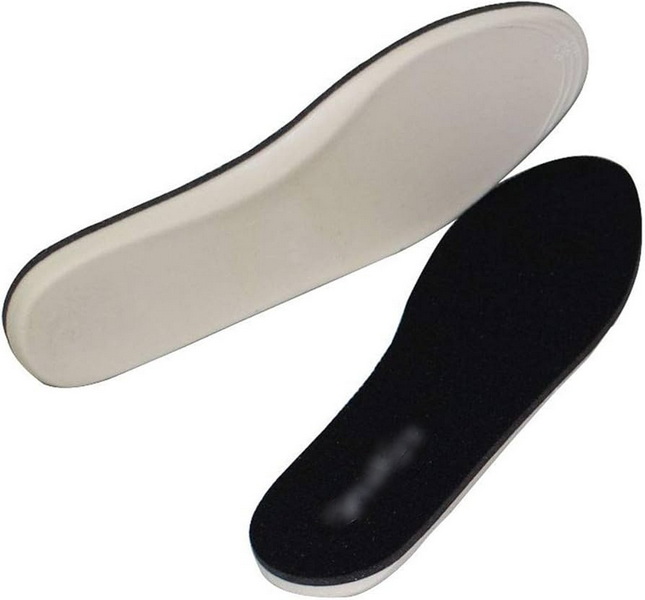
While Canada excels at product development and innovation, China remains the world's hub for efficient large-scale production. Many Canadian footwear companies outsource manufacturing to established Chinese ODM and OEM suppliers to meet global volume and cost demands.
Our company—one of China's leading athletic insole manufacturers—partners with international brands seeking reliable OEM services. We specialize in producing high-quality athletic insoles for running, basketball, golf, and everyday comfort applications.
- Comprehensive material portfolio (EVA, PU, Memory Foam, Gel, TPU).
- Advanced lamination and heat-molding lines supporting monthly capacity over one million pairs.
- Professional R&D team developing ergonomic construction and sports-specific designs.
- Sustainable production with RoHS, ISO 9001, and REACH certifications.
- Flexible packaging and private-label printing for global buyers.
This international synergy—Canadian design combined with Chinese cost-effective production—creates an ideal global supply structure. Canadian companies maintain research and branding excellence, while Chinese OEM partners deliver precision manufacturing and timely global distribution.
This lightweight foam provides shock absorption and flexibility. EVA insoles are common in running, training, and lifestyle shoes, making them a favorite among Athletic Insoles Manufacturers and Suppliers for mass production.
PU offers superior resilience and energy return. It maintains shape under high pressure, perfect for prolonged physical activity and higher-performance footwear.
Designed for cushioning and comfort, memory foam adapts to the foot's shape and ensures a personalized fit, making it valuable for multi-purpose insoles and after-market inserts.
Gel technology is widely used for impact zones like heels and forefeet. It offers instant pressure relief, helping athletes minimize fatigue and improve shock distribution.
Used in high-end insoles, carbon fiber layers add responsiveness and propulsion during intense sports activities. These lightweight structures enhance speed-oriented shoes without adding unnecessary mass.
As an eco-friendly alternative, cork integrates elasticity, antimicrobial properties, and renewable appeal. Canadian suppliers such as SOLE have perfected cork-based footbeds that rival synthetic foams in comfort and durability.
Global buyers evaluating Athletic Insoles Manufacturers and Suppliers should pay close attention to several key selection factors:
1. Product Portfolio Compatibility – Ensure material options and performance grades match your market requirements.
2. OEM Customization Capacity – Determine whether the supplier can modify design, color, packaging, and branding.
3. Compliance and Certification – Prioritize manufacturers holding relevant global certificates such as ISO, SGS, REACH, or CE.
4. R&D and Innovation Strength – Suppliers with testing labs and biomechanical data often produce longer-lasting insoles.
5. Supply Chain Efficiency – For international cooperation, ensure clear logistics management and export documentation experience.
6. Communication and After-Sales Service – Transparent communication fosters faster turnaround and issue resolution.
Buying from reputable Athletic Insoles Manufacturers and Suppliers ensures long-term quality control, cost effectiveness, and competitive differentiation.
The athletic insole industry continues to undergo rapid transformation, integrating digital tools and sustainable innovation.
Canadian technology startups and global research institutes are experimenting with embedded sensors that track gait, posture, and calorie burn. These smart insoles mark a promising future for wearable sports analytics.
Eco-friendly materials—like algae-based foams, recycled PET fibers, and biodegradable adhesives—are revolutionizing modern insoles. This development aligns with the global movement toward carbon-neutral and circular product lifecycles.
Additive manufacturing has made fully customizable insoles accessible at scale. Canadian and Chinese manufacturers now use 3D scanning and digital modeling to produce individualized molds that enhance fit and performance.
More footwear brands integrate orthopedic insights into athletic insole design, focusing on realigned pressure zones, arch support, and energy transfer optimization. This elevates everyday comfort to professional-grade performance standards.
Private-label footwear businesses increasingly rely on turnkey OEM suppliers to offer branded insoles under their lines. Manufacturers who can combine R&D, marketing adaptability, and quick lead times are gaining a competitive edge.
International buyers and sportswear brands can leverage the Canadian manufacturing network for design expertise while sourcing from Asia or North America for volume production. This dual approach ensures:
- Consistent Quality Control: Designs engineered in Canada meet global durability standards.
- Flexible Pricing Models: With OEM support from China, brands can scale production cost-effectively.
- Faster Product Development: Shared R&D communication across continents shortens lead time.
- Market Adaptability: The ability to customize product lines for various regions and climates expands brand relevance.
This model exemplifies globalized production synergy, leveraging each region's strengths to create premium, affordable, and sustainable athletic insoles.
The Canadian athletic insole industry reflects a powerful combination of innovation, craftsmanship, and environmental responsibility. Whether through SOLE's eco-materials, Superfeet's biomechanical precision, or SoleActive's high-performance foams, Canada's manufacturers are redefining footwear comfort. With expanding global demand, these Athletic Insoles Manufacturers and Suppliers continue to drive progress through R&D investment and sustainable practices.
When paired with leading Chinese OEM factories capable of large-scale production, Canadian firms and international clients can achieve unprecedented efficiency and market reach. This collaboration ensures top-tier products with optimized cost structures and reduced environmental footprints. As sports participation and wellness trends intensify worldwide, the future of athletic insoles will depend on continued cross-border innovation and partnership.
Contact us to get more information!
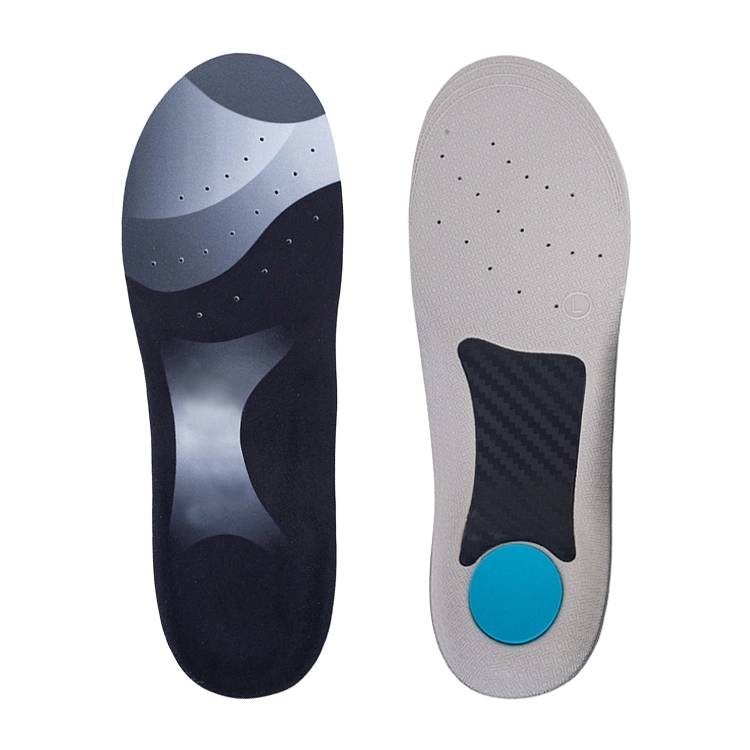
Canadian manufacturers combine biomechanics research, sustainable materials, and customizable OEM services. Their focus on design precision and environmental responsibility makes them reliable partners for global footwear brands.
Yes. Most major suppliers such as VivaFoot and SOLE offer OEM and private-label partnerships, allowing international buyers to customize branding, product features, and packaging.
Eco-materials like cork and recycled EVA provide longer durability and lower environmental impact without sacrificing cushioning or rebound performance. They also appeal to the growing eco-conscious consumer segment.
Chinese manufacturers often handle large-scale OEM production using designs developed in Canada. This cooperation merges Canadian quality standards with competitive production costs and global distribution networks.
Request material samples, review certification documents, and assess production capabilities. Reliable suppliers should provide prototype testing and transparent communication before mass orders.


