
Views: 222 Author: Edvo Publish Time: 2026-01-26 Origin: Site


Content Menu
● The Growing Demand for Athletic Insoles in Japan
● Key Features of Japanese Athletic Insole Manufacturing
● Leading Athletic Insoles Manufacturers and Suppliers in Japan
● Technological Innovation in Japanese Insole Production
>> Advanced Manufacturing Techniques
● Focus on Sustainability and Eco-Friendly Materials
● OEM and ODM Services in Japan's Insole Industry
>> What OEM and ODM Services Offer:
● Comparing Japan with Other Asian OEM Hubs
● Export Opportunities and Global Reach
● How to Choose the Right Japanese Insole Supplier
● Japan's Role in the Future of Sports Performance Insoles
● FAQ
>> 1. What distinguishes Japanese athletic insole manufacturers from others in Asia?
>> 2. Do Japanese athletic insoles manufacturers provide OEM and custom designs?
>> 3. Which materials are commonly used in Japanese athletic insoles production?
>> 4. How can foreign buyers find and contact Japanese insoles suppliers?
>> 5. Why should brands choose Japanese OEM suppliers for performance insoles?
Japan is widely known for its exceptional craftsmanship and precision in manufacturing — from automobiles to electronics and athletic footwear accessories. The country's focus on quality and functionality extends to its athletic insoles manufacturers and suppliers, whose advanced technology and design philosophy have shaped global trends in performance footwear.
For brands, wholesalers, and shoe producers seeking OEM partners, Japanese factories remain a benchmark for comfort innovation, sustainable materials, and manufacturing excellence. This article explores the leading athletic insoles suppliers in Japan, their unique strengths, production processes, and export potential — offering insights for global buyers looking to collaborate with trustworthy partners.
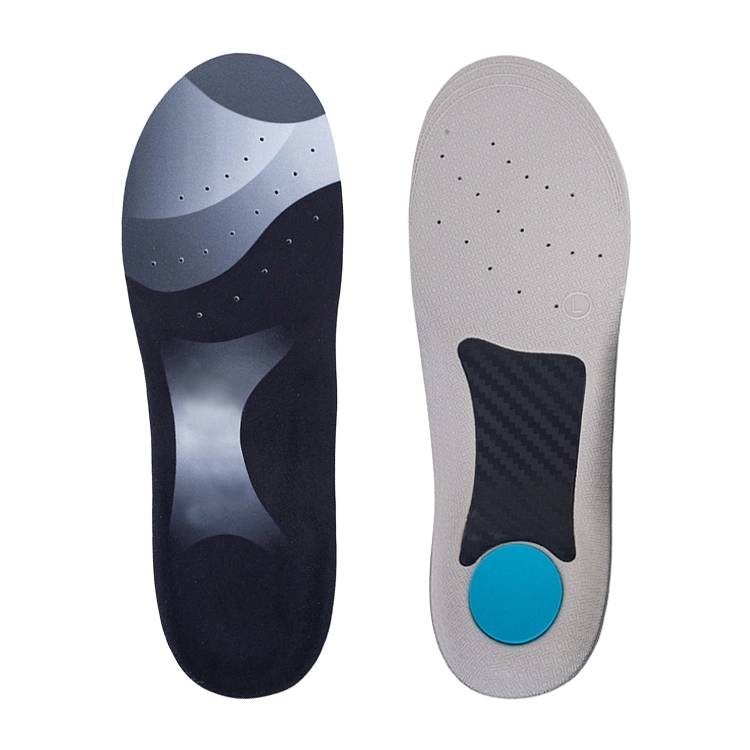
In the last decade, the global sports footwear market has undergone major transformation. Consumers now demand more than stylish designs — they seek insoles that offer superior cushioning, stability, arch support, and breathability. In Japan, this shift has inspired a wave of technological advancement and customization in the insole manufacturing industry.
Japanese consumers are also highly aware of posture, biomechanics, and injury prevention, driving domestic demand for specialized products. As a result, athletic insoles manufacturers and suppliers have invested heavily in research and development to create insoles that optimize performance for running, basketball, tennis, hiking, and cycling.
Moreover, Japan's strict quality assurance culture means its factories often produce OEM and ODM insoles that meet or exceed international standards, making them ideal suppliers for global sports brands.
What makes Japan stand out in the athletic insole market is not just manufacturing precision but a combination of design, technology, and sustainability. The characteristics that distinguish Japanese insole factories include:
- Biomechanical precision: Japanese brands commonly use advanced pressure mapping systems and foot analysis tools.
- Material diversity: Manufacturers source lightweight EVA foam, PU, silicone, and gel polymers, often developed through in-house R&D.
- Long-lasting quality: Insoles are designed with durability in mind, maintaining form and function even after prolonged athletic activity.
- Environmentally conscious production: Many companies integrate biodegradable or recycled materials into production lines.
- Ergonomic customization: Through OEM programs, buyers can request specific contours, densities, and textures to match brand identity.
These characteristics position Japan as a high-value sourcing destination for sports brands targeting both the professional and consumer segments.
Asics is among Japan's most globally respected sports footwear names. The company's athletic insoles integrate its proprietary GEL™ technology, which absorbs shock and reduces stress on key pressure points.
Asics collaborates with international OEM partners, offering custom insole production integrated into sports footwear lines. Their in-house testing facilities ensure the products conform to international safety and biomechanical standards.
Mizuno has a strong legacy in sports innovation. Known for its performance-oriented footwear, the company's insole division produces high-durability and highly elastic support systems for both professionals and enthusiasts.
Mizuno's production plants utilize advanced molding techniques that merge breathability, flexibility, and optimal pressure distribution — making it a trusted OEM supplier for various global athletic brands.
A leader in vibration-absorbing materials, Sorbothane Japan manufactures insoles favored in running, hiking, and rehabilitation markets. The brand's proprietary polymer material disperses impact energy evenly, providing enhanced support and cushioning.
Its continuous innovation and quality testing make Sorbothane a preferred partner among athletic insoles manufacturers and suppliers for brands seeking technical excellence.
Sidas Japan is well-known for custom-molded and thermoformable insoles, ideal for specialized sports such as skiing and cycling. The company's Japanese division combines local production quality with global design philosophy.
Under its OEM program, Sidas Japan assists shoe brands in developing tailored insoles that balance comfort, performance, and durability — serving both athletic and medical markets.
Focused on ergonomic and orthopedic solutions, Arch Support Japan offers products designed for motion control, arch alignment, and fatigue reduction.
The company collaborates closely with physiotherapists and athletics institutes, ensuring that every design promotes natural movement while providing sufficient structural support. Their OEM service is flexible, accommodating small-batch custom orders for niche sports brands.
Technological evolution plays a central role in the growth of Japan's athletic insole industry. Manufacturers are heavily investing in advanced processes such as 3D printing, digital foot scanning, and pressure mapping, allowing for precision insole geometry.
- 3D foot modeling: Used to develop anatomically correct insoles.
- Laser cutting systems: Offer exact material shaping for comfort optimization.
- Automated injection molding: Ensures high consistency across mass production.
- Smart material integration: Some insoles now include embedded sensors for gait tracking and pressure monitoring.
These advancements enable Japanese athletic insoles manufacturers and suppliers to deliver not only consistent quality but also deeply personalized products that align with each user's biomechanics.
Japan's commitment to sustainability extends to its footwear component production. Manufacturers are pioneering eco-conscious materials to reduce carbon emission and waste.
Examples include:
- Bio-based EVA foam derived from renewable plant sources.
- Recycled PU mixtures that maintain high elasticity without compromising quality.
- Water-based adhesives that eliminate toxic emissions during assembly.
- Compostable packaging options for export markets emphasizing green branding.
Factories now aim to meet both domestic and international certifications such as ISO 14001 and REACH compliance, giving brands the assurance that their products align with global environmental standards.
Japan's insole industry is particularly known for its OEM and ODM flexibility — offering services that cater to specific brand needs, from concept design to packaging.
- OEM (Original Equipment Manufacturing): Brands provide design parameters, while the manufacturer handles production.
- ODM (Original Design Manufacturing): Suppliers create full insole designs which foreign buyers can customize and brand.
Japanese athletic insoles manufacturers and suppliers deliver these services with unmatched precision. Design engineers collaborate with client brands to modify density, elasticity, and curvature, ensuring the finished product aligns with athletic performance goals.
Additionally, because Japan's manufacturing industry values consistency, many factories provide digital tracking of production workflows — offering transparency that foreign clients often find invaluable.
Asia is home to multiple footwear production centers — notably China, Vietnam, and Indonesia. While these countries provide high output at lower costs, Japan differentiates itself through specialization, quality, and innovation.
| Feature | Japan | China | Vietnam |
|---|---|---|---|
| Quality Control | Highest standard, strict testing | Medium to high | Medium |
| Material Innovation | Advanced eco-materials | Cost-driven | Growing |
| Production Volume | Medium-scale | Large-scale | Large-scale |
| Customization Level | Very high | Moderate | Moderate |
| OEM/ODM Experience | Extensive | Extensive | Emerging |
For brands targeting the premium market — especially performance and orthotic footwear niches — partnering with Japanese suppliers ensures superior consistency and advanced design capabilities.
Japan's athletic insoles manufacturers and suppliers export to markets across North America, Europe, and the Middle East. The export success of this industry is supported by:
- Strategic logistics ports like Yokohama and Kobe for international shipping.
- Efficient supply chain management with traceable raw materials.
- Multilingual export support, with documentation commonly available in English.
- Compliance with international standards, facilitating import approvals in developed markets.
Foreign buyers often select Japanese OEMs not only for product quality but also for reliability, punctual delivery, and cooperative communication throughout the partnership lifecycle.
Selecting the appropriate manufacturing partner depends on your brand's unique needs. Consider the following criteria when evaluating potential Japanese suppliers:
1. Experience in OEM collaborations: Review their export history with foreign brands.
2. Material expertise: Ensure the supplier offers your preferred EVA, PU, or gel composites.
3. Production capacity and scale: Match your demand level with their monthly manufacturing ability.
4. Testing and certification: Look for quality assurance supported by ISO or CE compliance.
5. Design flexibility: Assess whether the factory can customize shapes, colors, or packaging.
Building long-term partnerships with reputable athletic insoles manufacturers and suppliers ensures not only consistent quality but also innovation aligned with your brand's growth.
The global athletic insole market is expected to grow rapidly due to the rise in sports participation and health-conscious lifestyles. Japanese manufacturers are poised to remain leaders in this evolution through:
- Integration of smart technology (e.g., pressure sensors, heat mapping).
- Hybrid design systems combining orthotic and athletic features.
- Custom 3D-printed insoles designed from mobile foot scanning apps.
- Collaborations with international performance brands to co-develop next-generation insoles.
This synergy between tradition and technology continues to define Japan's contribution to the global footwear industry, placing its factories among the world's most innovative athletic insoles manufacturers and suppliers.
Japan's dominance in the athletic insole industry stems from its culture of precision, quality, and innovation. From major corporations such as Asics and Mizuno to specialized OEM plants producing highly customized inserts, Japanese manufacturers consistently deliver superior performance and comfort.
Global sports brands looking for dependable OEM and ODM partners can rely on Japanese factories to provide flexibility, sustainability, and advanced design expertise. The combination of cutting-edge material technology, customization capability, and eco-friendly processes ensures that Japan remains at the forefront of the athletic insoles manufacturers and suppliers market for years to come.
Contact us to get more information!
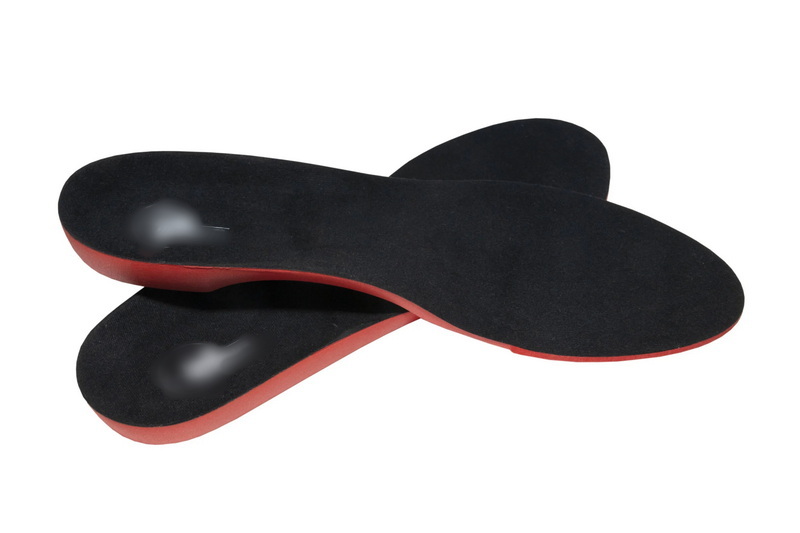
Japanese manufacturers emphasize innovation, precision, and sustainability. Their focus on detail, advanced materials, and ergonomic design ensures maximum comfort and durability compared to lower-cost competitors.
Yes. Most manufacturers offer both OEM and ODM services, enabling foreign brands to create customized designs, choose materials, and control branding and packaging.
Typical materials include high-density EVA foam, PU, gel polymers, carbon fiber reinforcements, and breathable fabrics. Many factories now use biodegradable or recycled options.
Buyers can search through Japanese B2B directories, attend footwear expos like Tokyo Shoes Expo, or work with local sourcing agencies that connect global importers with reliable factories.
Japanese OEMs combine innovation, premium-quality materials, and impeccable consistency. They are ideal for brands seeking to position themselves in the high-end sports and orthopedic footwear market.


