
Views: 222 Author: Edvo Publish Time: 2025-10-18 Origin: Site


Content Menu
>> What is EVA?
>> Key Advantages of EVA Insoles
● Why the French Footwear Market Prefers EVA Insoles
● Key Features of EVA Insole Manufacturing
● Top EVA Insole Manufacturers and Suppliers in France
>> 1. SIDAS
>> 2. Podiatech
● The Role of Chinese OEM EVA Insole Manufacturers
>> Benefits of Partnering with Chinese EVA Insole Manufacturers
● Selecting the Right EVA Insole Partner
● Market Trends in the EVA Insole Industry
● How French and Chinese Collaboration Shapes the Future
● FAQs
>> 1. What is the lifespan of an EVA insole?
>> 2. Are EVA insoles recyclable or eco-friendly?
>> 3. Can EVA insoles be customized with brand logos or unique colors?
>> 4. What comfort benefits do EVA insoles provide compared to PU insoles?
>> 5. How can I start working with a Chinese OEM EVA insole manufacturer?
The European footwear market is constantly evolving, driven by innovations in material science, sustainability goals, and consumer demand for enhanced comfort. Among the most indispensable components of modern shoes are EVA insoles, made from ethylene vinyl acetate—a polymer that delivers impressive cushioning, flexibility, and resilience. In France, a number of manufacturers have developed advanced production capabilities, offering premium-quality products to both domestic and international brands. This article explores the top EVA insole manufacturers and suppliers in France, outlines their strengths, and explains how collaborating with Chinese OEM partners can expand your brand's global footprint.
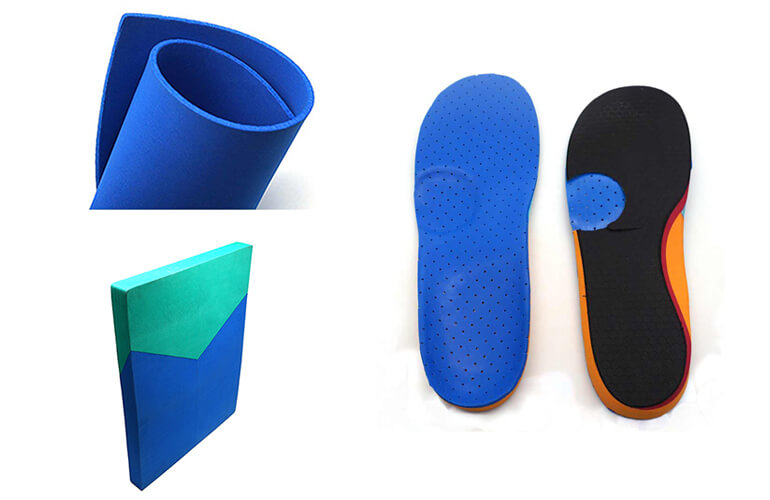
EVA, short for Ethylene Vinyl Acetate, is a highly flexible foam-like material widely used in the footwear industry. It is valued for its soft texture, resistance to stress-cracking, and lightweight nature. EVA can be molded into different densities and structures, providing various levels of support and comfort tailored to diverse footwear applications.
- High Cushioning Capacity: The micro-cellular structure in EVA provides an excellent shock-absorbing system for prolonged comfort.
- Resilience and Durability: EVA material maintains its shape after long wear, reducing deformation.
- Water and Sweat Resistance: Its closed-cell composition prevents moisture absorption, making it hygienic and easy to clean.
- Customizable Design: EVA can be textured, perforated, or coated with antimicrobial surfaces to improve user experience.
- Temperature Resistance: EVA maintains stability in both high and low temperatures, making it suitable for different climates.
These properties make EVA insoles essential in sports footwear, orthopedic designs, fashion shoes, and work boots.
France is home to some of the world's most revered footwear brands, known for their artistry, craftsmanship, and focus on foot health. The adoption of EVA insoles within the French footwear sector has risen because they combine performance with sustainability. Many French footwear companies have recognized that well-designed insoles not only enhance comfort but also reduce product returns, boost customer loyalty, and support eco-conscious branding.
The French footwear market also values technological innovation. With 3D design, foot scanning, and orthopedic modeling becoming mainstream, EVA insole manufacturers and suppliers in France are using advanced methods to tailor products for different customer needs.
Moreover, France's sustainability policies have encouraged manufacturers to develop eco-friendly EVA formulations, including recycled EVA foam and bio-based copolymers. This trend aligns perfectly with Europe's broader green manufacturing initiatives.
The manufacturing of EVA insoles involves several specialized stages that require precision and technical skill. The leading French and Chinese manufacturers apply advanced technologies such as:
- CAD Design and 3D Modeling: Enables precise digital simulations of foot arch structure and insole pressure distribution.
- Thermoforming: A common technique to mold EVA foam into ergonomic shapes.
- Die Cutting and CNC Trimming: Ensures close tolerances and shape uniformity.
- Dual-Density Foam Construction: Combines soft and firm zones to support different foot regions.
- Surface Coating: Mesh fabrics or leather overlays improve breathability and grip.
- Quality Testing: Includes compression, fatigue, and rebound tests for long-term performance evaluation.
These features ensure that EVA insoles meet both comfort standards and production efficiency benchmarks required by global footwear brands.
Located in Voiron, France, SIDAS is one of Europe's most iconic insole brands. With decades of experience, it offers high-performance insoles for both casual and professional athletes. SIDAS specializes in custom-molded EVA insoles and uses 3D technology to ensure personalized fit. Their customer base stretches across Europe and Asia, serving leading sportswear and orthopedic brands.
A division of the SIDAS Group, Podiatech focuses on medical and therapeutic insoles. Their EVA-based products are often used by podiatrists and clinics for custom orthotics. Podiatech's modular insole systems allow practitioners to heat-mold and adjust each pair to fit individual patients, offering exceptional comfort for long-term use.
With headquarters in Lyon, WETOUCH France has developed a reputation for engineering advanced EVA insoles using antibacterial and anti-odor technology. The company offers OEM and ODM services, providing solutions for footwear brands seeking to expand in both retail and private-label markets.
Based in Paris, Thermoform Medical specializes in healthcare and ergonomic footwear solutions. Their production lines focus on thermoformed EVA insoles that combine arch support with customized surface materials. Their flexible design capabilities make them an ideal partner for brands requiring anatomical and orthopedic customization.
Noene France, located in Toulouse, integrates shock absorption technology with EVA foam to create hybrid insoles that enhance stability and energy return. Their insoles are widely used in athletic and protective footwear segments.
While France excels in product design and craftsmanship, Chinese OEM EVA insole manufacturers offer unmatched scalability, affordability, and technical flexibility. Many European companies now rely on long-term collaborations with Chinese producers to maintain competitive pricing while ensuring consistent quality.
1. Cost Efficiency: Manufacturing in China can reduce production expenses by up to 40% compared to domestic production in Europe.
2. Large Production Capacity: Chinese manufacturers have dedicated EVA molding lines and can accommodate both small and bulk orders.
3. Technical Expertise: Many Chinese factories are equipped with high-precision CNC machinery and computerized molding systems.
4. OEM and ODM Services: Includes private labeling, mold customization, packaging design, and product testing support.
5. Global Logistics Efficiency: Export professionals ensure timely delivery across Europe, North America, and Asia.
By outsourcing large-scale production to China while keeping R&D and marketing efforts in France, footwear brands gain a sustainable manufacturing strategy that balances cost, quality, and innovation.
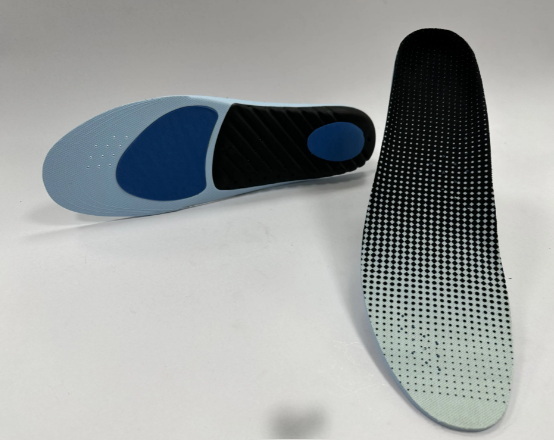
When selecting a reliable EVA insole supplier, companies must evaluate several key factors beyond price.
- Material Grade: High-quality EVA foam should be odorless, resilient, and non-toxic.
- Design Flexibility: Ability to produce customized shapes, densities, and coatings.
- Quality Control: Verify inspection protocols at every stage—from raw material mixing to final packaging.
- R&D Collaboration: Choose manufacturers that offer engineering support and technical documentation.
- Sustainability Practices: Assess whether the supplier uses recycled materials or eco-friendly technologies.
- Customer Service: Effective communication and logistics coordination are crucial for long-term cooperation.
A supplier that meets all these parameters strengthens a footwear brand's capability to deliver comfort-driven products globally.
The global EVA insole market is expected to grow steadily in the coming decade. Innovations in biomechanics, orthopedic health awareness, and sustainable foam materials continue to shape the industry landscape.
- Green EVA and Recycled Foam: An increasing number of manufacturers are adopting biodegradable and eco-certified materials.
- Smart Insoles: Integration of sensors for gait analysis and activity tracking.
- 3D Printing: Accelerates prototyping and enables precise customization.
- Hybrid Insoles: Combining EVA foam with gel or TPU inserts for superior shock absorption.
- Mass Customization: Digital foot scanning and automated mold adjustment are turning personalization into a commercial norm.
France, with its combination of artisanal craft and technological innovation, remains a dynamic hub for these developments.
The partnership between French and Chinese producers represents the best of two worlds: French expertise in footwear design and ergonomics, and Chinese efficiency in mass production. Together, they create a global value chain capable of meeting rising demands for comfort, durability, and affordability.
For example, a French brand may develop a new orthopedic design using 3D modeling technology, then collaborate with a Chinese manufacturer to produce high volumes with precise material specifications. This synergy not only minimizes lead times but also ensures consistent quality for international customers.
Such hybrid partnerships lay the foundation for a more balanced, sustainable, and globally integrated footwear supply chain.
France continues to be a leading destination for high-quality EVA insole manufacturers and suppliers, blending design excellence with biomechanical innovation. French companies like SIDAS, Podiatech, and Thermoform Medical have established strong global reputations for excellence, comfort, and durability. Yet, by partnering strategically with Chinese OEM manufacturers, these brands can optimize production efficiency without compromising quality.
As the international footwear market evolves, EVA insoles will remain central to comfort and brand differentiation. Whether you are a footwear designer, importer, or distributor, choosing the right EVA insole manufacturer and supplier—in France or China—will allow your brand to excel in both performance and sustainability.
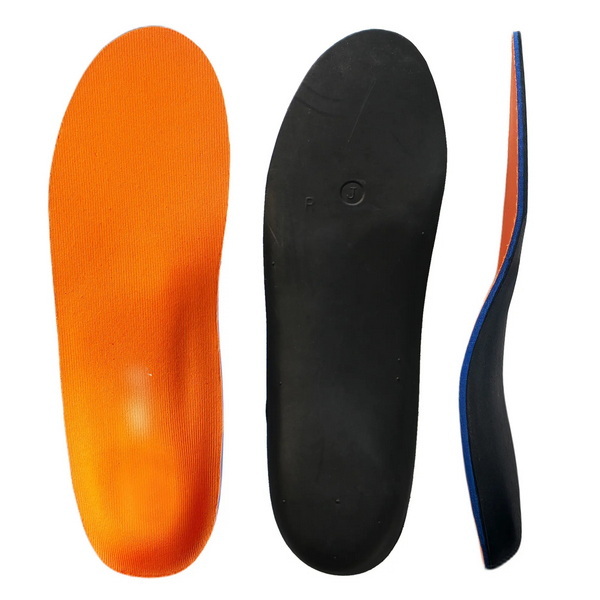
A high-quality EVA insole typically lasts between 6 to 12 months, depending on usage frequency, activity type, and shoe design.
Yes, many manufacturers now produce recyclable EVA insoles using eco-based foam or partial recycled content to reduce environmental impact.
Absolutely. OEM manufacturers offer heat embossing, screen printing, and color customization options for branding purposes.
EVA insoles are lighter, more flexible, and provide better initial cushioning. PU insoles, on the other hand, offer higher durability but less rebound comfort.
Begin by sharing your design specifications, order volume, and sample requests. Reliable Chinese suppliers typically provide full OEM/ODM service, including prototype development and packaging design.


