
Language
Views: 222 Author: Edvo Publish Time: 2025-11-24 Origin: Site


Content Menu
● Introduction: Why Foam Insoles Matter
● The Australian Foam Insole Landscape
● Product Types Offered by Foam Insole Manufacturers And Suppliers
>> Sports and Performance Foam Insoles
>> Everyday Comfort Foam Insoles
>> Orthotic and Medical Foam Insoles
● Core Materials Used by Foam Insole Manufacturers And Suppliers
>> EVA Foam
>> Hybrid and Eco‑Friendly Materials
● Manufacturing Capabilities in Australia
● OEM and Private Label Services
● Quality Control and Certifications
● Sustainability and Environmental Responsibility
● Logistics, Lead Times, and Supply Chain Support
● How Overseas Buyers Can Collaborate Effectively
>> 1. Define clear specifications
>> 2. Share branding and packaging guidelines
>> 4. Align on compliance and testing
>> 5. Establish long‑term volume plans
● The Role of Innovation in Foam Insole Manufacturing
● Positioning Australian Foam Insoles in Global Markets
● FAQ
>> 1. Why should brands choose Australian Foam Insole Manufacturers And Suppliers?
>> 2. What customization options are available for OEM foam insoles?
>> 3. Can Australian foam insole suppliers support medical or orthotic products?
>> 4. How do lead times and minimum order quantities usually work?
>> 5. Are sustainable or eco‑friendly foam insole options available?
Foam insoles have become an essential component in modern footwear, providing cushioning, shock absorption, and tailored support for a wide range of users, from athletes to workers on their feet all day. For brands and wholesalers, choosing the right Foam Insole Manufacturers And Suppliers is the key to launching successful footwear or accessory lines. Australia has developed a strong reputation in this segment, combining technical know‑how, material innovation, and strict quality standards.
For international buyers looking for reliable OEM partners, Australian Foam Insole Manufacturers And Suppliers offer an attractive balance of performance, sustainability, and consistent supply. By understanding the landscape of this industry, and how to evaluate and collaborate with leading factories, brands can secure long‑term, profitable partnerships.
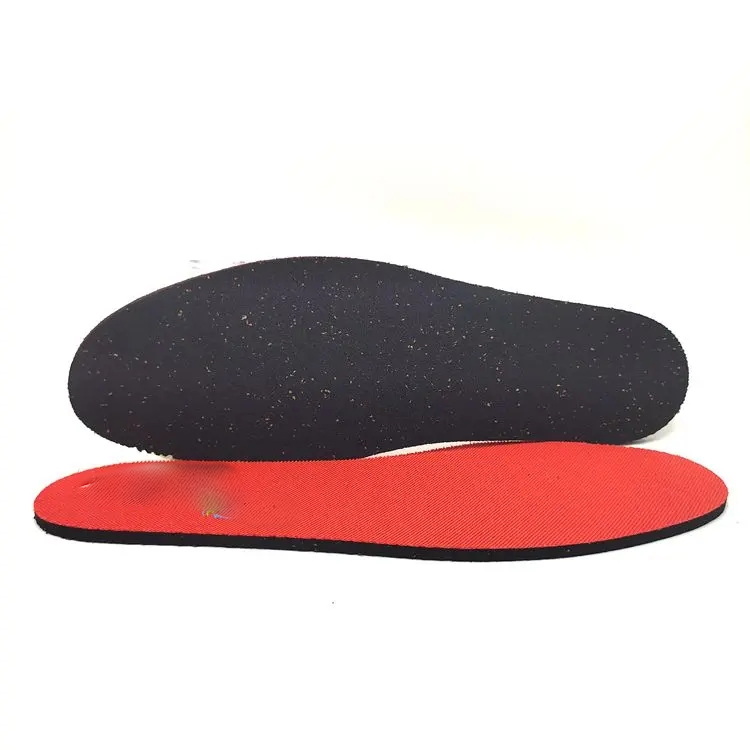
Australia's footwear and orthotic sector has matured into a specialized ecosystem of manufacturers, material suppliers, and design experts. Foam Insole Manufacturers And Suppliers in Australia typically focus on EVA, PU, memory foam, and hybrid constructions tailored to specific applications. Many factories serve both domestic shoe brands and overseas OEM clients, especially in sports, outdoor, medical, and workwear segments.
Australian companies often integrate biomechanical research and podiatry insights into their foam insole lines. This results in products that not only feel comfortable, but also support healthy gait patterns, pressure distribution, and long‑term foot wellness. For overseas brands, partnering with such Foam Insole Manufacturers And Suppliers means tapping into a ready‑made foundation of technical and medical expertise without building it in‑house.
Many Australian Foam Insole Manufacturers And Suppliers specialize in high‑energy sports markets such as running, football, basketball, tennis, and hiking. These products often feature:
- Multi‑density EVA or PU foam zones for targeted cushioning and rebound.
- Forefoot and heel shock‑absorbing pads to minimize impact.
- Anatomical arch support profiles to stabilize the foot during lateral movement.
- Breathable top covers and perforations to manage heat and moisture.
Such insoles are engineered to complement athletic footwear, helping athletes enhance performance while reducing fatigue and injury risk.
Another major category for Foam Insole Manufacturers And Suppliers is casual and lifestyle comfort insoles. These are widely used in sneakers, flats, dress shoes, and work shoes, offering:
- Soft, plush foam layers for day‑long comfort.
- Slim profiles that fit into a wide variety of shoe styles.
- Odor‑control treatments and moisture‑wicking fabrics.
- Universal shapes suitable for retail replacement insole programs.
For retail chains and private label customers, these insoles are ideal for mass‑market distribution with competitive pricing and high repeat purchase potential.
Australia has a strong orthotic industry, and many Foam Insole Manufacturers And Suppliers support clinical and medical distributors with advanced products. Typical features include:
- Corrective arch profiles for flat feet, overpronation, or high arches.
- Metatarsal pads, heel cups, and deep heel cradles for targeted relief.
- EVA or specialized medical‑grade foams tuned to specific hardness levels.
- Options for diabetic, arthritic, and sensitive‑foot patients.
These insoles can be supplied as off‑the‑shelf medical products or as semi‑custom bases that podiatrists and clinics further modify and grind to fit individual patients.
Material choice is a central competence of Foam Insole Manufacturers And Suppliers, directly affecting comfort, durability, and pricing.
Ethylene‑vinyl acetate (EVA) is one of the most common materials due to its light weight and good resilience. It can be produced in different densities and hardnesses, allowing manufacturers to design insoles that range from soft comfort layers to firmer support bases. EVA is also easy to cut, grind, and heat‑mould, making it ideal for both mass production and custom orthotics.
Polyurethane (PU) foams, including memory foam variants, provide a softer, more luxurious feel that slowly conforms to the wearer's foot. Many Foam Insole Manufacturers And Suppliers in Australia combine PU or memory foam top layers with denser EVA bases to balance plush comfort and structural support. Memory foam options are popular in premium lifestyle and travel footwear.
Sustainability is becoming a key differentiator for Foam Insole Manufacturers And Suppliers. Some factories increasingly adopt:
- Recycled EVA content to reduce virgin polymer usage.
- Plant‑based or bio‑based foam systems.
- Natural additives such as bamboo charcoal for odor control.
- Water‑blown foams to minimize the use of harmful blowing agents.
These innovations allow brands to market more environmentally responsible footwear without sacrificing comfort and performance.
Australian Foam Insole Manufacturers And Suppliers operate with a mix of automated machinery and skilled manual finishing, depending on the product segment.
Typical capabilities include:
- Sheet cutting and die‑cutting of EVA or PU blocks for standard shapes.
- CNC milling of EVA blocks for precision orthotic shells and customized contours.
- PU injection or pouring processes to create complex 3D foam structures.
- Heat‑moulding and vacuum forming over anatomical lasts.
- Lamination of multiple foam layers and top covers using advanced adhesives or flame lamination techniques.
The combination of modern manufacturing lines and tight quality control allows these Foam Insole Manufacturers And Suppliers to deliver consistent batches, essential for large retail or brand programs.
For foreign brands, wholesalers, and other manufacturers, OEM support is one of the main reasons to work with Foam Insole Manufacturers And Suppliers in Australia. Typical OEM and private label services include:
- Product design and 3D modeling based on the buyer's target market and budget.
- Material selection guidance, including foam type, hardness, and thickness.
- Sample development and iterative prototyping until the final design is approved.
- Custom branding on insoles (printing, embossing, labels) and packaging.
- Integration of the buyer's barcodes, instructions, and marketing messages.
The goal of these Foam Insole Manufacturers And Suppliers is to serve as a one‑stop solution: from initial concept through to retail‑ready products delivered to distribution centers or even drop‑shipped globally.
Reputable Foam Insole Manufacturers And Suppliers in Australia emphasize traceability and compliance. Quality assurance measures often include:
- Incoming inspection of foam sheets, chemicals, textiles, and adhesives.
- In‑process checks on density, hardness, thickness, and dimensional accuracy.
- Wear and fatigue testing to simulate long‑term use under load.
- Adhesion testing of laminated layers and top covers.
- Final inspection for appearance, labeling, and packaging.
Many suppliers align their management systems with ISO standards and comply with international chemical safety regulations. For medical and orthotic products, additional medical‑grade standards may be followed to support hospital or clinic use and associated regulatory filings.
Sustainability has moved from a niche concern to a mainstream requirement for many global footwear brands. Progressive Foam Insole Manufacturers And Suppliers in Australia respond by:
- Introducing recyclable or partially recycled foam materials.
- Reducing solvent‑based adhesives in favor of water‑based or hot‑melt systems.
- Improving energy efficiency and waste management in factories.
- Offering biodegradable or reduced‑plastic packaging options.
Brands sourcing from such suppliers can promote lower environmental impact across their product lines, strengthening their reputation among eco‑conscious consumers.
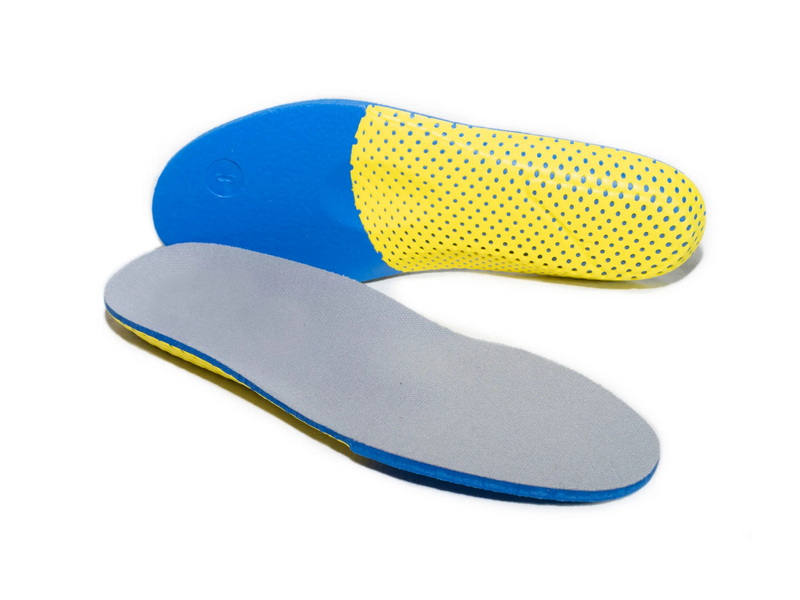
Effective cooperation with Foam Insole Manufacturers And Suppliers depends on realistic lead times and clear logistics planning. Australian suppliers commonly:
- Work from forecast‑based schedules to pre‑plan raw material purchasing.
- Offer typical lead times of several weeks from order confirmation to shipment, depending on complexity and volume.
- Provide flexible shipment arrangements, such as sea freight for large orders and air freight for urgent replenishments.
- Assist with export documentation, labeling requirements, and customs paperwork.
For overseas buyers, the stability and predictability of Australian operations can be a major advantage, supporting smoother inventory planning and fewer stock‑outs.
To get the most from partnerships with Foam Insole Manufacturers And Suppliers, international brands and wholesalers should adopt a structured approach.
Key steps include:
Outline target markets, shoe categories, price ranges, and performance requirements before opening discussions with suppliers. With this information, Foam Insole Manufacturers And Suppliers can recommend suitable materials, constructions, and design features.
Provide logos, color schemes, typography rules, and packaging concepts early. This allows the supplier's design or engineering teams to integrate brand identity into the insole and its packaging.
Most Foam Insole Manufacturers And Suppliers propose a standard sampling workflow: initial concept samples, fit and comfort testing, revision samples, and pre‑production samples. Building these stages into the project timeline improves final outcomes.
If the products will be sold in markets with specific regulations, such as the EU or North America, communicate relevant testing and labeling requirements. Suppliers can then prepare to meet these standards from the start.
Since foam insole production relies on raw material contracts and capacity planning, long‑term forecasts and framework agreements help suppliers secure stable pricing and allocate sufficient production slots.
Innovation is a major driver for Foam Insole Manufacturers And Suppliers that want to stay ahead of global competition. Today's R&D efforts focus on several directions:
1. Ergonomic design
Using digital foot scans, pressure mapping, and CAD tools to optimize the shape of insoles for different demographics and activity levels.
2. Advanced foam formulations
Experimenting with blends that improve rebound, durability, temperature stability, and resistance to compression‑set, all while reducing weight.
3. Smart features
Integrating sensor technologies and modular components to monitor steps, pressure, or posture, paving the way for future “smart insole” categories.
4. Antimicrobial and odor control
Developing foams and fabric covers with built‑in antimicrobial properties to keep shoes fresher for longer, particularly important for sports and work footwear.
Brands that align with innovative Foam Insole Manufacturers And Suppliers can capitalize on these trends, releasing updated product lines that command higher margins and consumer loyalty.
When marketing products made by Australian Foam Insole Manufacturers And Suppliers, brands can emphasize several selling points:
- High standards of safety, material quality, and workmanship.
- A reputation for honest communication and reliable delivery.
- Technical and medical collaboration with experts in biomechanics and podiatry.
- Integration of sustainable materials and processes.
These attributes make Australian‑made foam insoles good candidates for premium and mid‑to‑high‑end market segments. Whether sold under a global sports brand, a regional retail chain, or a specialist orthotic label, insoles from strong Foam Insole Manufacturers And Suppliers can serve as a clear competitive advantage.
Foam Insole Manufacturers And Suppliers in Australia form a mature, technically capable, and increasingly sustainable industry that serves both domestic and global markets. With strengths in EVA, PU, memory foam, orthotic design, and OEM customization, these suppliers can help brands and wholesalers launch differentiated product lines across sports, lifestyle, and medical categories. By carefully defining requirements, aligning on quality and compliance, and building long‑term relationships, overseas buyers can benefit from stable supply, consistent performance, and innovative foam insole solutions. For any company seeking reliable OEM partners in the footwear supply chain, Australia's Foam Insole Manufacturers And Suppliers deserve serious consideration.
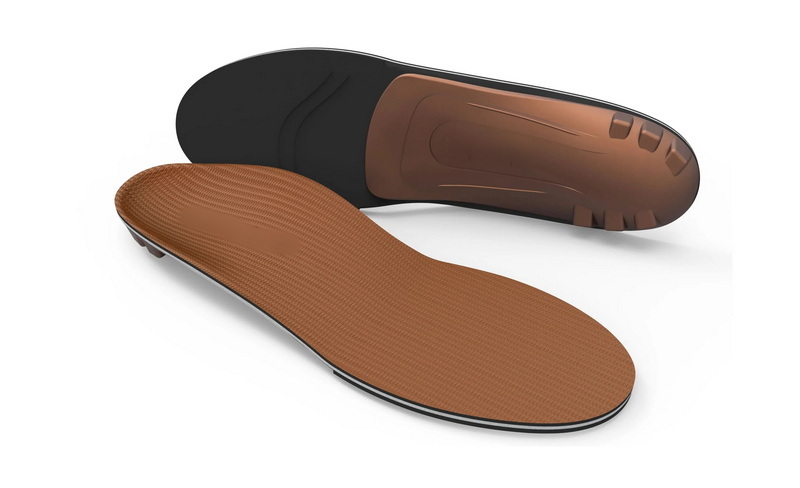
Australian Foam Insole Manufacturers And Suppliers are known for combining high material standards, advanced manufacturing processes, and reliable communication. This combination delivers consistent quality and stable long‑term cooperation for brands and wholesalers worldwide.
Typical customization from Foam Insole Manufacturers And Suppliers includes selecting foam types and hardness levels, creating unique shapes and thickness profiles, adding logos and brand colors, and designing retail‑ready packaging. Buyers can tailor both performance and appearance to match their target markets.
Yes. Many Foam Insole Manufacturers And Suppliers either specialize in orthotic products or cooperate closely with clinics and podiatrists. They can supply medical‑grade EVA shells, corrective arch profiles, and other features suitable for clinical use, often in compliance with relevant standards.
Lead times vary by season and complexity, but most Foam Insole Manufacturers And Suppliers operate on a lead time of several weeks for bulk orders after sample approval. Minimum order quantities depend on the level of customization and materials used, but are usually structured to keep production efficient and pricing competitive.
An increasing number of Foam Insole Manufacturers And Suppliers now offer recycled EVA content, water‑blown foams, and more sustainable packaging. Brands seeking to reduce environmental impact can work with suppliers to specify eco‑focused materials and highlight these benefits in their marketing.


