
Language
Views: 222 Author: Edvo Publish Time: 2025-11-24 Origin: Site


Content Menu
● The German Foam Insole Industry: An Overview
● Core Advantages of German Foam Insole Manufacturing
● Leading Foam Insole Manufacturers and Suppliers in Germany
>> Wm. S. Merz Orthopädie Technik
>> MyFit GmbH
● Technological Innovations in German Insole Production
● Customization, OEM, and Private Label Solutions
● Sustainability Leadership and Environmental Responsibility
● Export Trends and Market Reach
● Application Areas of German Foam Insoles
● Overcoming Industry Challenges
● Collaboration Between German Brands and Chinese OEMs
● Future Trends: Personalization and AI Integration
● Strategic Benefits For International Buyers
● FAQ: Foam Insole Manufacturers And Suppliers in Germany
>> 1. What foam technologies are commonly used in German insole manufacturing?
>> 2. Can German suppliers create custom foam insoles for specific sports or medical needs?
>> 3. Are German foam insole factories focused on sustainability?
>> 4. How do German insoles differ from those made elsewhere?
>> 5. What export options are available for international brands?
Germany's footwear component industry is synonymous with precision engineering and innovative technology. In particular, German Foam Insole Manufacturers and Suppliers are renowned for pioneering comfort, performance, and sustainability in shoe design. As demand increases for orthotic support, sports functionality, and environmentally conscious materials, German suppliers set new international benchmarks through research, quality control, and adaptive processes.
This article presents a comprehensive overview of the leading Top Foam Insole Manufacturers and Suppliers in Germany, revealing the unique technologies, market reach, and collaborative efforts that position Germany at the forefront of the global insole industry.

Germany's reputation for engineering excellence extends from the automotive sector to the niche domain of foam insole production. Over decades, local manufacturers have integrated cutting-edge techniques, including smart manufacturing, robot-assisted manipulation, and sustainable raw material sourcing. The industry services not only major domestic footwear brands but also exports innovative insoles to Europe, North America, and Asia.
As more brands prioritize wellness and ergonomics, Foam Insole Manufacturers and Suppliers in Germany are responding with advanced polyurethane foams, memory foam integration, and custom orthotic solutions.
Choosing German foam insoles means investing in high standards, intelligent design, and environmental responsibility. Key advantages include:
- Rigorous quality control meeting EU safety and performance standards
- Advanced ergonomic design based on biomechanical studies
- Innovative use of PU, EVA, and bio-based materials for variable density and shock absorption
- Commitment to sustainability through waste recycling, renewable resources, and closed-loop production
- Robust R&D infrastructure enabling rapid prototyping and custom OEM development
German manufacturers collaborate with research institutes and global partners to frequently improve comfort, durability, and environmental footprint.
Pedag International is recognized worldwide for its expertise in anatomical foam insoles, orthotic supports, and environmentally friendly footbeds. Their products combine breathable foams, antimicrobial finishes, and superior cushioning, with rigorous testing for foot health and durability. Pedag serves medical distributors and major footwear brands, offering regular lines and OEM foam insole production.
BNS International specializes in polyurethane and polyethylene foam insole manufacturing, targeting both sportswear and orthotic providers. Their custom-engineered insoles provide optimal pressure distribution and durability, supported by state-of-the-art manufacturing plants. BNS works closely with global brands to deliver tailored foam insoles for premium and volume markets.
Sidas Deutschland, an arm of the global Sidas Group, is a trailblazer in personalized and sports-specific foam insole technology. Leveraging innovative thermoforming and 3D scanning, Sidas develops insoles offering dynamic stability and fatigue reduction for athletes. Their German facility is a test bed for adaptable foam strengths and responsive cushioning systems.
With over a century of history, Merz Orthopädie Technik provides medical-grade foam insoles essential to diabetic care and post-orthopedic rehabilitation. Using precision CNC foam shaping and eco-friendly adhesives, Merz delivers insoles for hospital use and export, often custom crafting orders for clinics across Europe.
MyFit GmbH stands out for its research into smart-fit memory foam insole solutions. Their products use multi-density foam and memory polymers to gradually adapt to each wearer's foot profile. Serving casual, sport, and professional shoe manufacturers, MyFit offers private label and OEM services to international partners.
Germany's foam insole industry is undergoing a remarkable technological transformation:
- Digital Workflow and 3D Scanning: Modern facilities use high-resolution 3D foot scanning to create accurate digital models. These allow truly personalized foam insole design, minimizing manual error and accelerating production timelines.
- Selective Laser Sintering (SLS) 3D Printing: Advanced manufacturers are utilizing SLS 3D printing to create durable, lightweight foam components with custom hardness zones. SLS printing ensures less waste and perfect reproducibility for orthotic applications.
- Injection Molding and Direct Soling: Injection molding enables manufacturers to bond foam insoles directly to shoe soles or uppers. This method improves durability, waterproof characteristics, and design flexibility and has become the industry norm for athletic and work boots.
- Robotic Automation: High-volume facilities integrate robotic arms for foam pouring, mold manipulation, and quality inspection, reducing labor dependency and boosting consistency.
- Sustainable Materials Innovation: German suppliers lead in developing bio-based polyurethane, recycled EVA foam, and hybrid structures that combine natural rubber with high-resilience polymers. Some use castor oil-based PU, delivering eco-friendly alternatives that meet strict regulations.
These advancements translate into higher comfort, longer lifespan, and reduced environmental impact—key qualities demanded by global buyers.
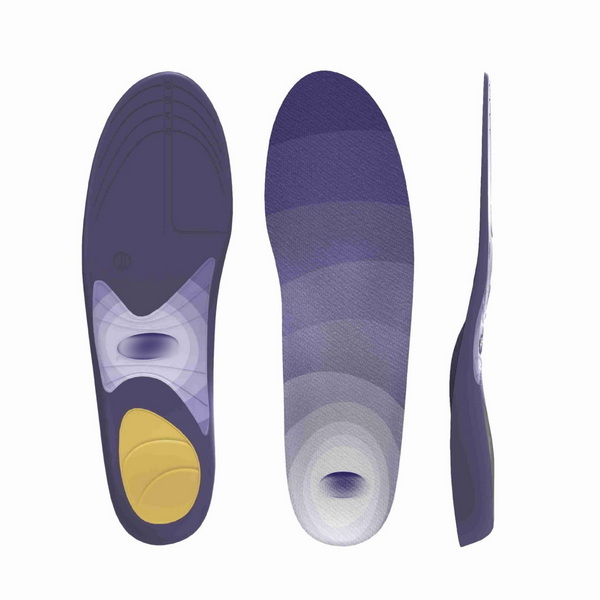
International brands increasingly turn to German *Foam Insole Manufacturers and Suppliers* for personalized OEM offerings. Manufacturers can produce insoles in custom densities, shapes, and surface finishes, matching brand requirements and end-user needs. OEM solutions include:
- Branded logos, packaging, and corporate color schemes
- Bespoke ergonomic formulations for targeted arch support or pressure relief
- Differentiated foam hardness for specific sports or occupational use
German factories often collaborate with Asian production partners—including leading Chinese OEM providers—to scale volume orders while safeguarding design and performance quality.
Sustainability is a pillar in German foam insole manufacturing. Initiatives include:
- Utilizing renewable and recyclable materials, like castor oil-based PU and recycled EVA
- Implementing circular workflows where foam offcuts and waste are reprocessed into new insoles
- Reducing water and energy consumption via digitized process control
- Supporting eco-certifications and carbon-neutral packaging
End brands benefit from these efforts with products that appeal to environmentally conscious customers and meet strict market regulations.
German foam insole exports have expanded steadily throughout Europe, North America, and beyond. Because German-made insoles are synonymous with trust and advanced engineering, international suppliers and brands rely on the country's manufacturers for consistent quality.
Increasingly, German and Asian OEM collaborations combine European design and compliance with Asian-scale manufacturing. This synergy delivers both high-value bespoke insoles and cost-efficient bulk production, meeting the needs of global e-commerce, sportswear, and medical device markets.
Manufacturers service a broad spectrum of uses:
- Performance sports: Insoles engineered for runners, hikers, soccer players, and cyclists, enhancing foot stability and energy return.
- Medical orthotics: Specialized foam insoles for diabetic patients, post-surgical recovery, and plantar fasciitis relief.
- Fashion and casual shoes: Breathable, lightweight foams improve everyday wear comfort and style.
- Industrial and safety boots: Shock-absorbing, chemical-resistant foams protect workers through prolonged use.
- Children's and senior care footwear: Ergonomically designed insoles accommodate developmental and orthopedic needs.
Custom foam formulations, thicknesses, and textures allow manufacturers to address any segment of the footwear market.
German foam insole suppliers face a dynamic set of challenges:
- Handling rising material and energy costs
- Sourcing reliable, sustainable raw materials
- Meeting rapidly changing design trends in global footwear
- Competing with low-cost imports while maintaining high standards
Strategic investments in automation, digitalization, and supplier partnerships help overcome these obstacles and ensure continued global competitiveness.
An increasing share of German design-centric insole brands partner with Chinese OEM manufacturers for bulk production and advanced material processing. These partnerships offer:
- Cost efficiency with scale optimization
- Access to high-precision molding and foam casting technologies
- Fast lead times and flexible volumes for global launches
Leading Chinese insole factories maintain strict process controls and audits led by German quality engineers, ensuring every exported product achieves benchmark performance.
Emerging trends shaping the next decade of German foam insole production include:
- AI-powered foot scanning: Algorithms analyze 3D scans to recommend personalized insole specifications, linking biomechanics with material science.
- End-to-end digitalization: From consumer foot data collection to automated design and finished insole fulfillment, digital workflows eliminate manual bottlenecks.
- 4D printing technology: Research labs are exploring adaptive foams produced via 4D printing—delivering insoles that respond actively to body heat and movement.
Germany's willingness to invest in R&D ensures the foam insole sector will remain at the forefront of comfort, sustainability, and performance innovation.
When sourcing from *Foam Insole Manufacturers and Suppliers* in Germany, international brands receive:
- Reliable quality backed by stringent EU standards and independent lab testing
- Advanced ergonomic designs informed by medical and athletic research
- Eco-friendly products supporting global sustainability commitments
- Flexible collaboration and quick adaptation to new trends
- Transparent partnership models for OEM, ODM, and private label requirements
Brand reputation, end-user loyalty, and regulatory compliance all benefit from these strategic choices.
Germany's Foam Insole Manufacturers and Suppliers serve as global exemplars of comfort engineering, material science, and sustainability. The country's industry couples tradition with pioneering R&D, delivering advanced insoles for sports, medical, industrial, and fashion footwear segments. Through strategic partnerships, agile production, and eco-conscious initiatives, German brands—and their OEM partners—provide international buyers a competitive edge in the ever-evolving footwear component market.
For brands seeking reliability, innovation, and customization in foam insole sourcing, Germany remains a premier destination.
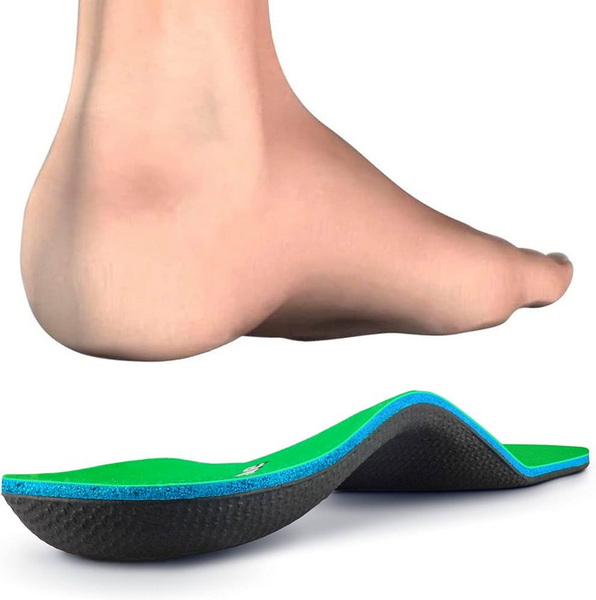
German manufacturers use polyurethane (PU), ethylene-vinyl acetate (EVA), memory foam, and increasingly bio-based and recycled foam formulas for enhanced performance.
Yes. German suppliers offer tailored OEM solutions, including multi-density foams, targeted cushioning, and special orthotic shapes to address diverse consumer requirements.
Most German factories prioritize sustainable practices—using renewable materials, recycling production waste, and minimizing environmental impact wherever possible.
German insoles typically feature superior ergonomic design, rigorous quality control, advanced material mixing, and compliance with EU regulations—resulting in greater durability and foot health benefits.
German Foam Insole Manufacturers and Suppliers export worldwide and often provide OEM and private label services, combining local innovation with global manufacturing partnerships.


