
Views: 222 Author: Edvo Publish Time: 2025-11-24 Origin: Site


Content Menu
● Overview of Portugal's Foam Insole Industry
● Common Foam Materials Used in Insoles
>> EVA Foam
>> Memory Foam
>> Latex Foam and Natural Foams
● Key Advantages of Portuguese Foam Insole Manufacturers
● Leading Types of Portuguese Foam Insole Producers
>> 1. Sports and Performance Insole Specialists
>> 2. Safety and Industrial Footwear Component Suppliers
>> 3. Orthopedic and Comfort Insole Makers
>> 4. Fashion and Lifestyle Footwear Insole Producers
● OEM and Private Label Capabilities
● Manufacturing Processes and Quality Control
● Focus on Sustainability and Eco-Friendly Solutions
● Collaboration with Global Footwear Brands
● How to Evaluate and Select a Portuguese Foam Insole Supplier
● Opportunities for Chinese Brands to Cooperate with Portuguese Suppliers
● Future Trends in Foam Insole Manufacturing in Portugal
● FAQ – Foam Insole Manufacturers And Suppliers in Portugal
>> 1. Why choose Foam Insole Manufacturers And Suppliers in Portugal instead of other regions?
>> 2. What types of foam insoles can Portuguese manufacturers provide?
>> 3. Do Portuguese Foam Insole Manufacturers And Suppliers offer OEM and private label services?
>> 4. How do Portuguese manufacturers address environmental concerns in foam insole production?
Foam insoles are a core component in modern footwear, providing cushioning, stability, and support for a wide range of applications from high-performance athletic shoes to everyday casual and safety footwear. Portugal has developed a strong reputation in the European footwear supply chain, with a specialized ecosystem of Foam Insole Manufacturers And Suppliers that work closely with global brands, wholesalers, and OEM partners.
Portugal's footwear cluster is known for its mix of traditional craftsmanship, advanced machinery, and a strong focus on sustainability, making it a prime sourcing destination for high-quality foam insoles. For buyers seeking reliable Foam Insole Manufacturers And Suppliers, Portuguese producers offer competitive pricing, flexible customization, and strict quality control that meet the demands of international markets.
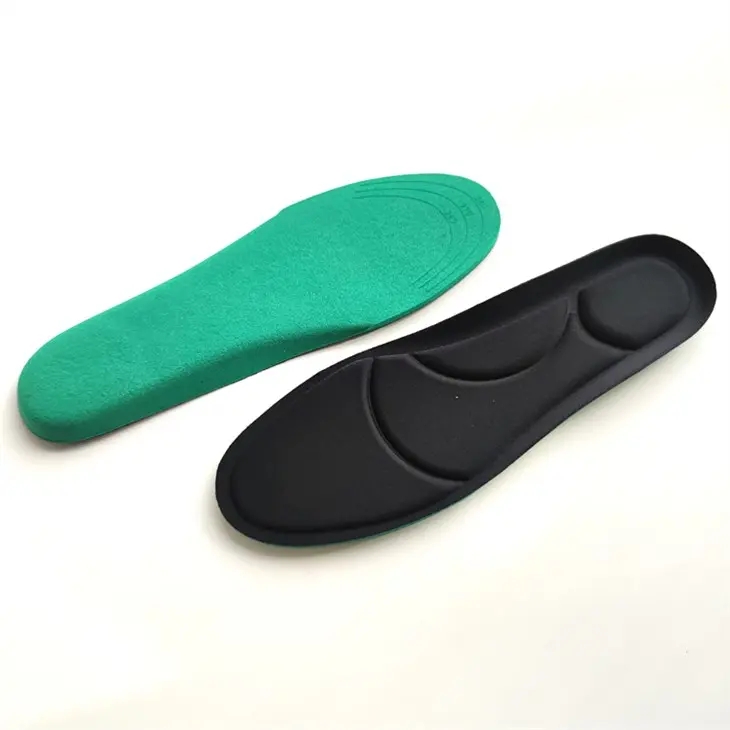
Portugal's footwear industry has long been an export-oriented sector, and foam insole production is one of its most dynamic segments. Local Foam Insole Manufacturers And Suppliers serve global sports brands, fashion labels, safety footwear producers, and orthopedic companies that demand consistent comfort and performance.
The country's manufacturing base is concentrated in footwear regions such as Felgueiras, Guimarães, and surrounding industrial zones, where component factories work seamlessly with shoe assemblers. Foam insole producers benefit from this integrated environment, allowing for close collaboration, rapid prototyping, and fast response to market trends.
Portuguese Foam Insole Manufacturers And Suppliers typically offer a wide range of insole types, including flat insoles, contoured anatomical insoles, heel-cup designs, full-length athletic insoles, and specialized industrial or safety insoles. Their flexibility and technical know-how enable them to adapt designs for different shoe categories and end users.
EVA (Ethylene Vinyl Acetate) is one of the most widely used materials among Foam Insole Manufacturers And Suppliers. It is prized for its lightweight nature, shock absorption, and flexibility. EVA insoles are especially popular in running shoes, casual sneakers, and children's footwear where comfort and low weight are crucial.
Because EVA is easy to mold and cut, Portuguese factories can design insoles in various hardness levels (shore A hardness), thicknesses, and color combinations. Many manufacturers also blend EVA with other compounds or use laminated structures to improve durability and energy return.
PU foam is known for its superior cushioning and long-lasting resilience. Many Portuguese Foam Insole Manufacturers And Suppliers use polyurethane for mid- to high-end footwear where comfort over long wearing periods is essential, such as work footwear, orthopedic shoes, and premium lifestyle sneakers.
PU foam insoles can be produced in different densities to balance softness and support. Closed-cell and open-cell structures are used depending on whether the brand requires more breathability, water resistance, or durability. PU can also be combined with gel or latex layers to create hybrid comfort systems.
Memory foam is often used for insoles that emphasize personalized comfort and pressure relief. When compressed, memory foam slowly returns to its original shape, contouring around the wearer's foot. Foam Insole Manufacturers And Suppliers in Portugal frequently incorporate memory foam top layers in insoles for casual and comfort footwear collections.
These insoles are ideal for customers with sensitive feet or those who spend long hours standing. Some factories offer memory foam combined with stabilizing EVA or PU base layers, ensuring that the insole retains structure and does not collapse under prolonged use.
To meet increasing sustainability demands, some Portuguese suppliers integrate latex foam or bio-based foams derived from natural sources. These materials can offer good breathability, elasticity, and a more environmentally friendly profile than traditional petrochemical-based foams.
Foam Insole Manufacturers And Suppliers that focus on eco-conscious products may use a mix of natural latex, plant-based fillers, or regenerated foam blends, enabling brands to market greener footwear collections while maintaining high comfort levels.
Portugal's Foam Insole Manufacturers And Suppliers provide several competitive advantages for international buyers:
- Strong technical expertise in foam processing and insole design.
- Proximity to major European markets, reducing lead times and logistics complexity.
- A culture of craftsmanship combined with modern industrial processes.
- Ability to integrate sustainability into materials and production methods.
These strengths enable Portuguese suppliers to deliver not only standard insoles but also highly customized solutions aligned with brand identities and consumer expectations.
In Portugal, foam insole producers can broadly be grouped into several categories based on their specialization and target markets. Understanding these groups helps buyers identify which Foam Insole Manufacturers And Suppliers best match their needs.
Some companies focus on high-performance insoles for running shoes, hiking boots, and training footwear. They work closely with sports brands to develop insoles that maximize energy return, reduce impact forces, and provide stability during rapid movements.
These manufacturers often use advanced PU foams, EVA blends, and multi-layer constructions. They may also incorporate heel pads, forefoot cushioning zones, and arch supports designed via biomechanical studies. Their expertise is ideal for brands positioned in athletic and outdoor segments.
Another important group of Foam Insole Manufacturers And Suppliers in Portugal serves the safety and industrial footwear sector. These producers supply insoles for shoes and boots that must meet strict standards for anti-fatigue performance, slip resistance (when combined with appropriate outsoles), and protection in demanding environments.
They develop insoles that maintain cushioning under heavy loads, resist compression set, and provide temperature regulation inside safety shoes. Many of these manufacturers are well-versed in relevant European regulations for safety footwear components.
Orthopedic insole producers in Portugal design insoles with anatomical shaping and targeted support zones for the arch, heel, and metatarsal areas. These Foam Insole Manufacturers And Suppliers often work with podiatrists or orthopedic experts to create insoles that help relieve pain and improve posture.
Their insoles may incorporate memory foam, PU with special densities, or molded EVA with defined arch contours. They are suitable for comfort footwear brands, medical footwear, and specialized retail insoles sold as standalone accessories.
Many Portuguese factories supply foam insoles to fashion and lifestyle shoe brands. In this segment, style, thin profiles, and integration with leather linings are crucial. Foam Insole Manufacturers And Suppliers here focus on providing comfortable insoles that do not compromise shoe aesthetics.
These insoles may combine thin EVA or PU foam layers with textile or leather covers. They often use perforations for ventilation and may integrate branding elements such as embossed logos or printed patterns.
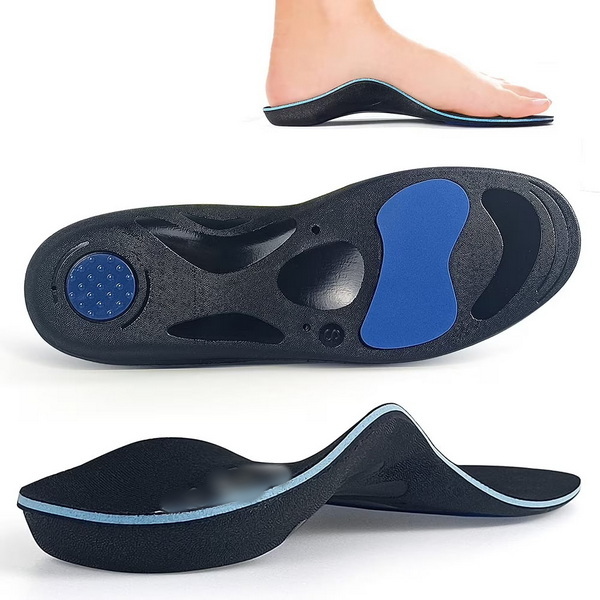
Portugal is particularly attractive for international brands seeking OEM and private label solutions. Foam Insole Manufacturers And Suppliers offer comprehensive services that cover the full product development cycle. Typical OEM capabilities include:
- Custom pattern design and mold development for insoles tailored to each shoe last.
- Material selection and optimization according to target price and performance level.
- Branding options such as logo embossing, silk-screen printing, or woven labels.
- Customized cover materials including mesh, microfiber, leather, or moisture-wicking textiles.
Factories generally accept technical drawings or CAD files from clients and will create samples for fit-testing in prototype shoes. Once designs are approved, mass production can begin with consistent quality controls. This makes Portugal a convenient base for brands that want to outsource component production while maintaining tight control over product performance.
The combination of automated machinery and skilled workers is a hallmark of Portuguese insole production. Foam Insole Manufacturers And Suppliers commonly use processes such as die-cutting, CNC cutting, thermoforming, and injection molding (for PU and some EVA applications).
Key steps in typical foam insole manufacturing include:
1. Foam Sheet Production or Sourcing – Using raw materials such as EVA granules, PU systems, or latex to produce foam sheets or blocks, or sourcing them from trusted foam suppliers.
2. Cutting and Shaping – Cutting insoles to size with precision tools; for complex shapes or variable thickness profiles, CNC or laser-guided equipment is often used.
3. Molding and Forming – Thermoforming, compression molding, or injection molding shapes the insoles to coincide with the contours of shoe lasts or desired ergonomic designs.
4. Lamination and Cover Application – Applying upper layers such as mesh, fabric, or leather using adhesives and presses to bond them securely to foam bases.
5. Finishing Operations – Trimming edges, perforating for airflow, embossing logos, and performing visual inspections to ensure consistency.
Quality control teams typically check density, hardness, rebound resilience, thickness uniformity, bonding strength, and dimensional accuracy. Many Foam Insole Manufacturers And Suppliers follow international quality standards and maintain traceability for material batches to assure product reliability.
Sustainability is a central theme in Portugal's footwear component sector. Foam Insole Manufacturers And Suppliers are increasingly adopting environmentally conscious practices to meet the expectations of global brands and end consumers.
Typical sustainable strategies include:
- Using recycled EVA and PU foam, where foam scraps from production lines are collected, processed, and reincorporated into new insole materials.
- Developing bio-based or partially bio-based foams that reduce reliance on fossil resources.
- Applying water-based adhesives instead of solvent-based options to minimize volatile organic compound emissions.
- Implementing energy-efficient machinery and optimizing production layouts to reduce waste.
These efforts allow brands that partner with Portuguese foam insole producers to strengthen their sustainability claims, especially when combined with eco-friendly packaging and transparent supply chain documentation.
Many Portuguese Foam Insole Manufacturers And Suppliers have long-standing partnerships with international shoe brands from Europe, North America, and Asia. These collaborations go beyond simple component supply and often involve co-development of new comfort technologies and insole systems.
Examples of collaboration models include:
- Co-branded insoles where the insole technology brand is visible inside the shoe, adding perceived value.
- Joint R&D projects to develop specialized insoles for particular sports, climatic conditions, or medical needs.
- Exclusive insole designs reserved for a single brand or product line, providing differentiation in the marketplace.
Because of Portugal's strong logistics connections—by sea, air, and road—these suppliers can efficiently serve global distribution centers, ensuring that finished shoes equipped with Portuguese-made foam insoles reach consumers quickly.
For buyers seeking to work with Foam Insole Manufacturers And Suppliers in Portugal, a structured evaluation process helps ensure the right partner is chosen. Important steps include:
1. Define Technical Requirements
Brands should clearly outline the type of shoe, target user, and performance expectations. This may cover cushioning level, arch support, breathability, anti-bacterial properties, and durability targets.
2. Assess Material and Design Capabilities
Check whether the supplier can work with the desired foam types (EVA, PU, memory foam, latex, or eco-foam) and can design insoles with specific contours, thickness gradients, or multi-density zones.
3. Request Samples and Prototype Batches
Before placing large orders, obtain samples for testing in actual shoes. Evaluate comfort, fit, compression set, odor resistance, and any special features like moisture management.
4. Review Quality Standards and Certifications
Prefer factories that maintain robust quality management systems and can document their processes. This is especially critical for safety footwear and orthopedic applications.
5. Check Communication and Service
Effective communication in English or other relevant languages is essential. The best Foam Insole Manufacturers And Suppliers are responsive, transparent about lead times, and willing to collaborate on problem-solving.
6. Compare Pricing and Logistics
While cost is a key factor, buyers should weigh it against consistency, innovation, and the supplier's ability to handle growing volumes. Also consider logistics solutions, shipping options, and delivery reliability.
For Chinese footwear brands, importers, or component traders, cooperation with Portuguese Foam Insole Manufacturers And Suppliers can be mutually beneficial. Portugal offers design and sustainability advantages that can complement the cost-efficiency and scale of Chinese production systems.
Chinese brands can:
- Source high-end foam insoles from Portugal for their premium product lines, enhancing brand image in Europe and North America.
- Collaborate on environmentally friendly insole solutions to meet regulations and consumer expectations in Western markets.
- Leverage Portuguese design and development expertise while focusing local resources on final assembly and distribution.
Such cross-border cooperation also supports diversification of supply chains, reducing over-dependence on a single production region and helping brands respond more flexibly to global market changes.
The future of Portuguese Foam Insole Manufacturers And Suppliers is closely tied to innovation, digitalization, and sustainability. Several trends are likely to shape the next generation of insoles:
- Smart and Sensor-Integrated Insoles
Research and pilot projects are exploring insoles embedded with sensors to track steps, pressure distribution, and gait. Portuguese component makers with strong R&D links could participate in such developments.
- Advanced Bio-Based and Recycled Foams
As material science progresses, more bio-based raw materials and high-performance recyclates will be used, reducing the carbon footprint without sacrificing comfort.
- Customization Through Digital Tools
3D foot scanning, parametric insole design, and digital prototyping will make it easier for Foam Insole Manufacturers And Suppliers to deliver semi-custom or fully customized insoles at scale.
- Closer Integration with Footwear Brands
Component suppliers and final shoe brands will work more closely from the early design phase, ensuring that insole design, outsole design, and upper construction are harmonized for performance and aesthetics.
These trends will help keep Portuguese producers competitive and attractive as long-term partners for sourcing foam insoles.
Portugal has established itself as an important center for the development and production of high-quality foam insoles. With a rich footwear heritage, strong technical capabilities, and a focus on innovation and sustainability, Portuguese Foam Insole Manufacturers And Suppliers are well-positioned to serve global brands, wholesalers, and OEM clients.
By providing a wide range of foam materials, sophisticated manufacturing processes, and flexible OEM/private label services, these manufacturers offer reliable solutions for sports, safety, orthopedic, and fashion footwear. Buyers who carefully evaluate technical capabilities, sustainability practices, and service quality can build successful long-term partnerships with Portuguese foam insole producers. For companies seeking to upgrade the comfort and value of their footwear collections, collaborating with professional Foam Insole Manufacturers And Suppliers in Portugal is a strategic move that aligns quality, performance, and environmental responsibility.
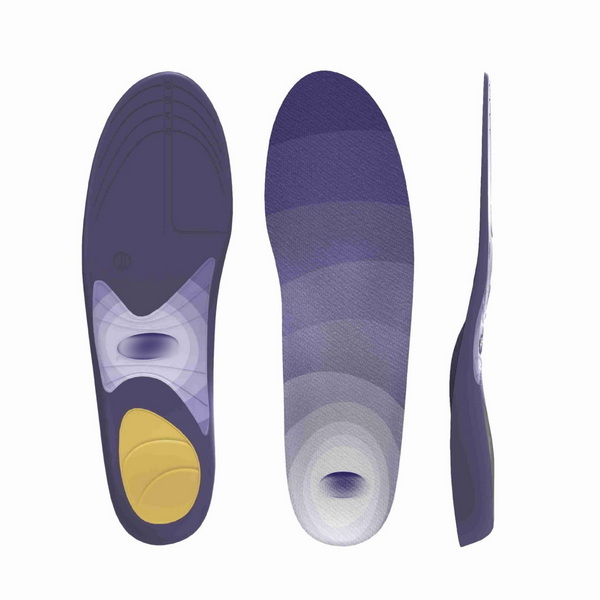
Portuguese suppliers combine European craftsmanship with modern production technologies, offering high quality, consistent performance, and competitive lead times. They also place a strong emphasis on sustainability, which is increasingly important for global brands. Working with Portugal can enhance brand image and reduce logistical risks when serving European and nearby markets.
They can produce EVA insoles, PU insoles, memory foam insoles, latex and natural foam insoles, as well as hybrid constructions that combine multiple materials. Many factories also offer anatomical and orthopedic insoles, high-performance sports insoles, and thin, fashion-focused insoles to match different footwear categories.
Yes, OEM and private label production is one of their main strengths. Manufacturers can customize foam density, shape, cover materials, coloring, and branding elements such as logos and printed graphics. They typically provide sampling, prototype support, and full-scale production tailored to each customer's specifications.
Many factories use recycled foams, develop bio-based or partially bio-based foam materials, and switch to water-based adhesives to reduce emissions. They also implement energy-efficient processes and optimize material usage to cut waste. This enables brands to market shoes with more sustainable comfort components and comply with stricter environmental regulations.
Overseas brands can begin by defining their technical requirements and contacting suppliers with a clear project brief, including shoe type, target market, and performance needs. The next steps typically involve exchanging technical drawings, receiving material and insole samples for testing, and negotiating pricing, lead times, and minimum order quantities. Once samples are approved, long-term cooperation can be built through regular communication, forecast sharing, and joint development of new insole concepts.


