
Views: 222 Author: Edvo Publish Time: 2025-12-03 Origin: Site


Content Menu
● Why Europe Leads In Heated Insoles
● Main Types Of Heated Insole Products
● Representative European Heated Insole Brands
>> Therm-ic
>> Sidas
>> Thermo Soles
>> Chili-feet
>> BERTSCHAT
● Technology Trends Among Heated Insole Manufacturers And Suppliers
● Market Demand And Growth Outlook
● Role Of E‑Commerce For Heated Insole Manufacturers And Suppliers
● OEM And Private Label Opportunities
● How European Buyers Evaluate Heated Insole Manufacturers And Suppliers
● Comparing European Brands And OEM-Focused Suppliers
● How To Select The Right Heated Insole Partner
● Positioning As A Chinese OEM Partner For Europe
● FAQ
>> 1. What are the main applications of heated insoles?
>> 2. How do heated insoles differ from ordinary insoles?
>> 3. What should brands check before choosing Heated Insole Manufacturers And Suppliers?
>> 4. Are all heated insoles rechargeable?
>> 5. Can one heated insole supplier serve multiple regions such as Europe and North America?
Heated insole technology has evolved from a niche accessory for skiers into a mainstream comfort and performance solution for winter sports, commuting, industrial work, and health-related applications. In Europe, the demand for warm, dry, and protected feet is driven by long winters, strong outdoor cultures, and increasingly mobile workforces. For brands, wholesalers, and footwear manufacturers, understanding the landscape of Heated Insole Manufacturers And Suppliers in Europe is now essential for product planning, sourcing, and OEM cooperation.
This article provides a structured overview of leading European players, key technologies, and sourcing strategies, while also explaining how overseas OEM factories can support European brands with cost‑effective and customized heated insole solutions. The focus is on practical insights that help decision makers choose the right Heated Insole Manufacturers And Suppliers for different market segments and price levels.

Europe combines several factors that make it a natural hub for heated insole innovation and consumption. Long and cold winters in regions such as Scandinavia, the Alps, Eastern Europe, and parts of Central Europe create a constant need for warmth solutions in footwear. At the same time, winter sports such as skiing, snowboarding, and mountaineering are well established, and outdoor lifestyles are widely embraced.
Another key driver is the region's strict regulatory and quality environment. European safety, environmental, and consumer protection rules push Heated Insole Manufacturers And Suppliers to adopt safe batteries, tested electronic components, and compliant materials. This raises entry barriers but also strengthens trust among retailers and consumers, which benefits serious, long‑term suppliers.
Across Europe, most Heated Insole Manufacturers And Suppliers deliver products within a few major technical categories. Understanding these types helps brands and buyers position their ranges correctly.
- Integrated battery heated insoles: Rechargeable batteries are embedded within the insole, with on‑board controls or remote switches. These are popular for everyday use and winter commuting.
- External battery or cabled systems: Heating elements sit in the insole, while batteries mount on the ankle, boot, or external pack. This format is common in ski boots and demanding outdoor activities where longer run‑time is needed.
- Disposable or air‑activated insole warmers: Thin, single‑use warmers that fit into any shoe and generate heat through exothermic reactions. They complement rechargeable solutions and serve price‑sensitive or occasional users.
- Hybrid comfort‑and‑warmth insoles: Some insoles combine advanced insulation foams, reflective layers, and mild heating to enhance warmth without excessive power consumption.
Each approach has different implications for comfort, price, and after‑sales service, so brands often collaborate with Heated Insole Manufacturers And Suppliers that specialize in one or two categories.
Several European brands are widely recognized by retailers and consumers for their heated insole ranges. While many operate primarily as brands and technology developers rather than pure factories, they are important benchmarks when assessing technical standards and end‑user expectations.
Therm-ic is closely associated with ski‑boot and winter sports heating systems. Its product ecosystem includes heated insoles, socks, gloves, and other body‑warming solutions, often designed for demanding alpine conditions. The company emphasizes ergonomics, stable heat distribution, and reliable battery systems, which sets a high technical bar for Heated Insole Manufacturers And Suppliers that wish to serve premium sports markets.
Sidas is a long‑standing foot‑comfort specialist, known for insoles, socks, protectors, and custom fitting technologies. In its portfolio, heated insoles serve both sports and everyday use, with an emphasis on comfort, pressure distribution, and compatibility with custom footbeds. For many retailers and clinics, Sidas shows how Heated Insole Manufacturers And Suppliers can integrate heating technology into broader foot‑care and performance ecosystems.
Thermo Soles focuses on fully integrated, wire‑free, rechargeable heated insoles designed for everyday users who want simple warmth without complex setups. Products typically highlight easy charging, user‑friendly control, and anatomic shapes suitable for casual footwear. This brand illustrates the consumer‑centric side of Heated Insole Manufacturers And Suppliers, where convenience and simplicity are as important as technical specifications.
Chili-feet positions itself with a “manufactured in Germany, Austria, Switzerland” message and emphasizes local production and sustainability. This resonates strongly with consumers who value short supply chains and eco‑conscious manufacturing. For importers and private labels, chili-feet demonstrates how Heated Insole Manufacturers And Suppliers can differentiate through regional production and responsible sourcing, beyond pure technical performance.
BERTSCHAT offers heated insoles and other heated wearables, often marketed through e‑commerce channels across Europe. Its limited‑edition USB‑C rechargeable insoles show how modern Heated Insole Manufacturers And Suppliers can combine contemporary electronics standards with strong online branding and direct‑to‑consumer strategies. This model is attractive for buyers seeking fast‑moving consumer products and digital‑first marketing.
The Heat Company is known for hand and foot warmers, including in‑shoe insole warmers that deliver several hours of heat. Although these are not rechargeable electronic insoles, they occupy the same shelf space and serve similar needs. As a result, they influence what consumers expect from the category as a whole. Other Heated Insole Manufacturers And Suppliers must consider these expectations when designing run‑time, comfort, and price points.
Modern Heated Insole Manufacturers And Suppliers increasingly operate at the intersection of electronics, materials science, and biomechanics. Several important trends are shaping product development:
- Enhanced battery safety: Protected lithium‑ion or lithium‑polymer cells, over‑current and over‑temperature protection, and robust charging solutions reduce risk and support compliance with EU standards.
- Smart control features: Multi‑level heat settings, remote controls, and, in higher‑end models, smartphone apps allow users to fine‑tune comfort and manage battery life more effectively.
- Advanced materials: Breathable, cushioning foams, moisture‑wicking fabrics, and sometimes aerogel or reflective layers help maintain warmth while keeping feet dry and comfortable.
- Slim and ergonomic designs: Heated Insole Manufacturers And Suppliers continually work to reduce thickness, improve arch support, and ensure compatibility with ski boots, work boots, and urban footwear.
These innovations require coordinated development between brand owners, designers, electronics engineers, and insole technicians, especially for OEM and ODM projects.
The heated insole segment sits within the broader insole and foot‑comfort market, which has been expanding thanks to higher participation in outdoor sports, increasing interest in health and wellness, and growth in e‑commerce. Global market studies suggest that heated insoles form a rapidly growing niche, supported by double‑digit annual growth in rechargeable categories. Europe typically ranks as the second‑largest regional market, after North America, for rechargeable heated insoles, reflecting its cold climate and strong spending power.
Within Europe itself, Germany, France, the United Kingdom, Italy, Spain, and the Nordic countries are often listed among the most important markets. In these regions, consumers are prepared to pay more for advanced features, brand reputation, and sustainable materials. For Heated Insole Manufacturers And Suppliers, this translates into opportunities at both premium and mid‑range price levels, provided that safety, comfort, and design standards are met.
Distribution channels for heated insoles are changing quickly. Online stores, marketplaces, and brand‑direct websites now account for a large portion of sales. Customers rely heavily on product images, technical descriptions, size guides, and user reviews to make purchasing decisions.
For Heated Insole Manufacturers And Suppliers, this shift has several practical consequences:
- Packaging and branding must communicate clear benefits, technical specs, and use scenarios.
- Consistent quality and low defect rates are crucial, because negative reviews quickly affect visibility and conversion rates.
- OEM customers may request ready‑to‑ship packaging and barcode systems optimized for online fulfillment centers.
Offline channels—such as ski shops, outdoor retailers, pharmacies, and specialty foot‑care stores—remain important, especially in Europe where many consumers still prefer expert advice when buying technical winter gear. Successful Heated Insole Manufacturers And Suppliers support both online and offline partners with tailored marketing and training materials.
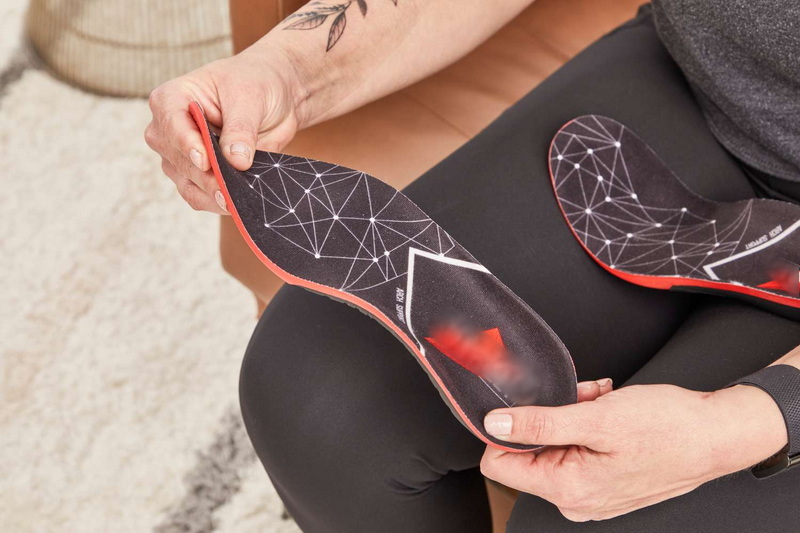
Although many leading European brands maintain their own design and product management teams, larger‑scale production is frequently handled by OEM and ODM partners, particularly in Asia. Chinese factories, in particular, have become central to the global supply chain for heated insoles, thanks to:
- Integrated electronics and battery supply chains.
- Experienced insole and footwear component manufacturing clusters.
- Competitive labor and overhead costs.
- Strong experience with international standards and audits.
For European buyers, cooperating with overseas Heated Insole Manufacturers And Suppliers can deliver competitive pricing and high flexibility in design and customization. Typical OEM services include custom footbed shapes, choice of foams and fabrics, bespoke heating layouts, branded packaging, and tailored accessories such as chargers and remote controls.
When selecting partners, European brands and wholesalers follow structured evaluation processes. Key criteria often include:
- Compliance and certifications: CE marking, RoHS and other chemical or electrical safety standards are basic requirements for electronic heated insoles sold in Europe.
- Quality management: Buyers look for robust incoming material checks, in‑process inspections, and final functional tests (heat output, temperature uniformity, battery performance).
- Engineering and R&D support: Many brands favor Heated Insole Manufacturers And Suppliers capable of jointly developing new models, improving ergonomics, and solving application‑specific problems.
- Communication and project management: Clear timelines, transparent quotations, and fast responses to technical questions are essential for smooth cooperation.
- Long‑term reliability: Stable supply, predictable lead times, and consistent quality over multiple seasons build trust and reduce the need to re‑source products.
Suppliers that invest in these areas position themselves as strategic partners rather than simple component vendors.
To clarify the roles and strengths of each player in the value chain, the table below compares typical European heated insole brands with OEM‑oriented Heated Insole Manufacturers And Suppliers.
| Aspect | European heated insole brands | OEM-focused Heated Insole Manufacturers And Suppliers |
|---|---|---|
| Main strength | Strong brand equity, local market insight, and marketing power. | Efficient mass production, engineering support, and cost control. |
| Core activities | Product concept, design, performance targets, sales channels, and after‑sales service. | Tooling, materials sourcing, assembly, quality control, and logistics. |
| Customization depth | Limited to options such as color, logo, and accessories for standard ranges. | Deep customization of insole shape, structure, electronics, firmware, and packaging. |
| Cost position | Higher retail prices due to marketing, distribution, and European overheads. | More competitive ex‑factory prices suitable for private labels and volume buyers. |
| Geographic base | Typically located in European countries with strong winter sports and outdoor markets. | Often based in China and other Asian manufacturing hubs serving global buyers. |
Many successful brands combine both sides: they rely on European design and brand strength while partnering with capable OEM Heated Insole Manufacturers And Suppliers to deliver consistent quality at scale.
For brands, importers, and footwear manufacturers, choosing the right Heated Insole Manufacturers And Suppliers requires a structured sourcing process. A typical approach includes:
1. Define clear product requirements
- Target end user (skiers, workers, commuters, medical patients, etc.).
- Desired heat levels, run‑time, charging method, and temperature control options.
- Comfort goals such as cushioning, arch support, and moisture management.
2. Shortlist potential suppliers
- Identify European brands and OEM factories that already supply similar market segments.
- Check references, product catalogs, and any visible certifications.
3. Request prototypes and testing
- Order sample sets from multiple Heated Insole Manufacturers And Suppliers.
- Test them in real‑world conditions for comfort, heating behavior, battery life, fit in footwear, and user experience.
4. Audit quality and compliance
- Review documentation for safety, chemical compliance, and reliability testing.
- For larger projects, conduct on‑site or virtual factory audits focused on process control and traceability.
5. Align on commercial terms and service
- Confirm minimum order quantities, lead times, warranty terms, and after‑sales support.
- Discuss long‑term roadmaps for new models, cost optimization, and technological upgrades.
This systematic method reduces the risk of product failures and supports sustainable cooperation with chosen Heated Insole Manufacturers And Suppliers.
For a professional Chinese insole factory, Europe offers strong potential in both branded and private‑label heated insole projects. By focusing on OEM collaboration, a supplier can complement European brands rather than compete with them directly. Key strengths to highlight to European buyers include:
- Experience in footbed design, cushioning, arch support, and material selection for different footwear categories.
- Integrated production capabilities covering cutting, molding, lamination, sewing, electronics assembly, and packaging.
- Custom engineering services to help clients translate concepts into production‑ready heated insoles that fit both technical and regulatory requirements.
- Flexible order quantities, from pilot runs for new collections to large‑scale seasonal production for established brands.
By aligning technical capabilities with European expectations on safety, comfort, and sustainability, Chinese Heated Insole Manufacturers And Suppliers can become long‑term strategic partners for European brands, wholesalers, and footwear manufacturers.
Europe has developed a mature ecosystem of brands, retailers, and specialist Heated Insole Manufacturers And Suppliers, driven by cold climates, strong winter sports cultures, and demanding consumers. Well‑known European brands set high standards for comfort, safety, and design, while OEM‑oriented factories—especially in Asia—provide the mass‑production capacity and customization services needed to bring new heated insole concepts to market at competitive costs.
For international brands, wholesalers, and footwear producers, the most effective strategy is to benchmark leading European products, then form close partnerships with capable Heated Insole Manufacturers And Suppliers that can deliver compliant, high‑performance, and distinctive heated insole solutions for their target markets. A structured sourcing and testing process, combined with a focus on long‑term collaboration, helps ensure that each new heated insole line meets both commercial and technical goals.
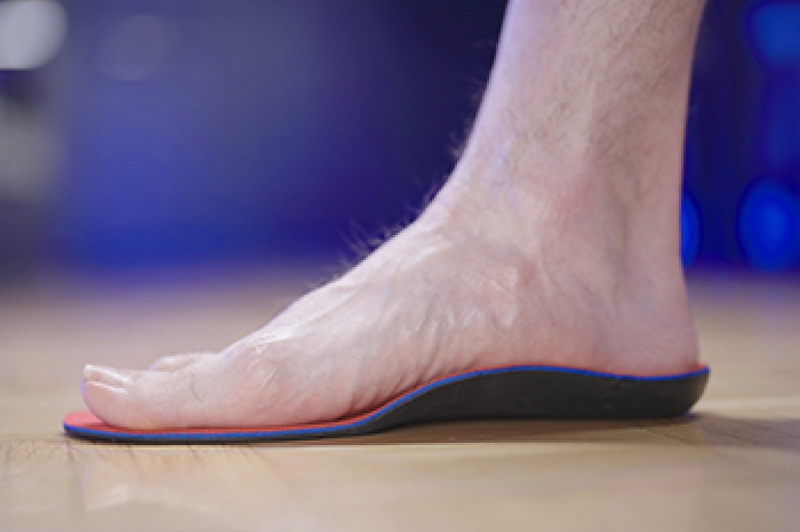
Heated insoles are widely used in ski and snowboard boots, hiking and mountaineering footwear, hunting and fishing boots, and work safety shoes for cold environments. They are also adopted in everyday winter footwear and in certain health and wellness applications where gentle foot warmth supports comfort and circulation.
Ordinary insoles focus on cushioning, support, and fit, while heated insoles add integrated heating elements, power sources, and control systems. High‑quality Heated Insole Manufacturers And Suppliers design products that still provide good biomechanics and breathability while delivering controllable warmth and safe battery performance.
Brands should review certifications, test reports, and technical documentation to ensure regulatory compliance in target markets. They should also evaluate engineering support, sample quality, communication efficiency, and the supplier's experience with OEM or private‑label heated insole projects.
No. Rechargeable heated insoles use batteries and can be charged many times, making them suitable for frequent use and higher performance requirements. There are also air‑activated or disposable insole warmers that generate heat once and are then discarded; these are convenient for occasional use but not designed for long‑term reuse.
Yes, many experienced Heated Insole Manufacturers And Suppliers design products to meet regulatory frameworks in several regions, including Europe and North America. However, brands still need to confirm that specific models, labels, and documents match the legal requirements of each country or region where the heated insoles will be sold.


