
Language
Views: 222 Author: Edvo Publish Time: 2025-12-25 Origin: Site


Content Menu
● Understanding Orthotic Insoles
>> The Purpose and Function of Orthotic Insoles
● Why the Orthotic Insole Market Is Expanding
● Key Factors in Choosing Orthotic Insole Manufacturers and Suppliers
● Leading Orthotic Insole Manufacturers in America
>> SOLE Canada (Serving the North American Market)
● Emerging Orthotic Insole Suppliers in the U.S.
● The Growing Role of Chinese OEM Orthotic Insole Manufacturers
● Innovation Trends in Orthotic Insole Manufacturing
>> Smart Insoles with Integrated Sensors
>> Sustainable and Eco-Friendly Materials
>> 3D Printing and Rapid Customization
>> Enhanced Comfort Engineering
● Choosing the Right OEM and Private-Label Partner
● Market Outlook for Orthotic Insoles in America
● FAQ
>> 1. What makes orthotic insoles different from regular shoe inserts?
>> 2. Can orthotic insoles prevent foot or leg pain?
>> 3. How can I find trustworthy Orthotic Insole Manufacturers and Suppliers?
>> 4. What are common materials used in orthotic insole manufacturing?
>> 5. Do Orthotic Insole Manufacturers offer OEM and private-label services?
The orthotic insole market in America has seen significant growth in recent years. With an increasing focus on foot health, posture correction, and ergonomic design, the demand for scientifically designed insoles continues to rise. These insoles not only improve comfort and alignment but also play a major role in preventing injuries and improving athletic performance.
For international brands, distributors, and healthcare providers, finding trustworthy Orthotic Insole Manufacturers and Suppliers in America can be a key factor in ensuring consistent product quality and long-term success. This comprehensive guide explores the top manufacturers, emerging suppliers, innovation trends, and essential criteria for selecting the right partner for your orthotic insole needs.
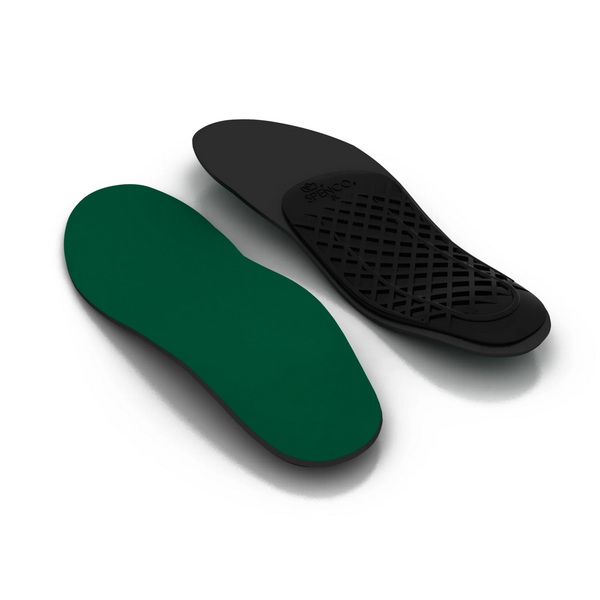
Orthotic insoles are structured inserts designed to correct biomechanical issues and support the foot's natural arch. They are often prescribed for conditions like flat feet, plantar fasciitis, overpronation, or chronic foot pain. A quality orthotic insole distributes pressure evenly across the foot, improving comfort during standing, walking, or sports activities.
Professional Orthotic Insole Manufacturers and Suppliers combine clinical insights with advanced material engineering. Their product designs often integrate physiotherapy concepts and mechanical balance to prevent the strain that leads to knee, hip, or lower back pain.
Orthotic insoles generally fall into several categories:
- Custom Orthotic Insoles: Individually designed using 3D foot scans or impressions, providing tailored support and exact fit.
- Prefabricated Orthotic Insoles: Mass-produced but available in multiple sizes and support levels, suitable for general retail sales.
- Sports Insoles: Engineered for shock absorption, stability, and flexibility to meet athletic performance needs.
- Medical or Therapeutic Insoles: Developed under podiatric supervision for patients with specific medical conditions.
Leading Orthotic Insole Manufacturers and Suppliers often produce all of these variants through advanced R&D and automated production technologies.
The global awareness of musculoskeletal health has caused rapid expansion in the orthotic insole industry. Growing urban lifestyles, increased standing hours, and aging populations have led to chronic foot problems becoming more common. The rise of e-commerce and direct-to-consumer sales channels also makes orthotic insoles more accessible.
Health experts note that nearly one in three adults experiences chronic foot pain during their lifetime. For athletes, even minor misalignment in foot posture can lead to major performance drops or injuries. This has led both professionals and the general public to turn toward reliable Orthotic Insole Manufacturers and Suppliers for preventive and corrective solutions.
Additionally, technological advancement such as digital measurement, smart wearables, and biomechanical analysis has redefined insole manufacturing standards. American and global suppliers are now developing insoles that combine data tracking with functional comfort.
Finding a dependable supplier requires more than just comparing prices. When evaluating Orthotic Insole Manufacturers and Suppliers, businesses should consider the following core aspects:
1. Material Innovation: Medical-grade EVA, PU, gel, TPU, and cork materials provide long-term durability and stability.
2. Product Customization: A qualified factory can design different support grades for various target users—runners, workers, or orthopedic patients.
3. R&D Expertise: A robust research and engineering team helps refine product textures, arch configurations, and ventilation systems.
4. Certifications and Compliance: Reputable suppliers hold certifications such as ISO, CE, or FDA to guarantee product safety and consistent standards.
5. After-Sales Support: A professional response system for client service, replacement, and continued development collaboration signifies a mature supplier network.
Selecting Orthotic Insole Manufacturers and Suppliers with transparent communication, flexible collaboration, and verified reliability is essential for any international sourcing project.
Superfeet has earned a strong global reputation for scientifically designed insoles. Based in Ferndale, Washington, the company partners with leading sports brands and healthcare professionals. Their products emphasize biomechanical precision and eco-friendly production. Superfeet's range covers athletic, medical, and casual use categories, each optimized for comfort, balance, and posture correction.
Powerstep, founded by a podiatrist, merges clinical precision with commercial production. Their orthotic insoles are among the most prescribed by U.S. foot specialists. The company provides OEM partnerships, making it a popular choice for footwear brands that prioritize U.S.-made quality. Powerstep's semi-rigid designs and cushioning technologies offer reliable performance in daily and athletic use.
Spenco, established in Texas, integrates rehabilitation science with comfort technology. Their insoles use layered shock absorption systems and temperature-regulating materials. Over the years, Spenco has built a robust international reputation among Orthotic Insole Manufacturers and Suppliers catering to both retail stores and healthcare facilities.
Aetrex's innovation distinguishes it from competitors. The firm incorporates 3D foot scanning and artificial intelligence to produce personalized orthotic solutions. Their “Albert 2” digital system offers biometric accuracy for customized fitting. This integration of data-driven precision and ergonomic craftsmanship positions Aetrex as one of the most technologically advanced insole manufacturers worldwide.
Although based in Canada, SOLE plays a vital role in the American market. The brand blends sustainability with technology by using recycled corks and plant-based foams. Their extensive North American network ensures timely distribution, making them a trusted option for environmentally conscious buyers and ethical retailers seeking reliable Orthotic Insole Suppliers.

While established players dominate the field, numerous emerging suppliers have entered the orthotic insole space offering digital customization, affordable pricing, and subscription-based personal services. Examples include:
- UpStep: Crafting fully customized orthotics from online orders using professional podiatric assessment.
- Dr. Scholl's Custom Fit: Offering accessible, kiosk-based scanning options in retail stores.
- Protalus: A design-focused brand emphasizing improved posture and joint alignment through patented angles.
- Wiivv (FitMyFoot): Specializing in 3D-printed insoles designed through mobile scanning applications.
These suppliers highlight the U.S. market's push toward personalization and accessibility. They also collaborate with global Orthotic Insole Manufacturers and Suppliers to lower costs and expand production flexibility.
Many American and European brands now partner with Chinese factories for large-volume production. China's Orthotic Insole Manufacturers and Suppliers offer advanced manufacturing techniques, extensive material libraries, and mature export systems. These OEM factories produce not only bulk standard insoles but also private-label and custom-order designs that meet U.S. and EU standards.
Their strengths include:
- Integration of 3D printing, CNC cutting, and automated lamination.
- Strict material inspection to ensure lightweight yet durable structures.
- Flexible MOQ (Minimum Order Quantity) policies for small to large-sized brands.
- Experience in global logistics management, allowing competitive pricing with fast delivery.
This combination of affordability and precision makes Chinese partners invaluable to international businesses seeking scalable growth.
The industry's technological evolution is expanding quickly, reshaping how Orthotic Insole Manufacturers and Suppliers design, produce, and distribute their products. Major innovation areas include the following:
Today's advanced insole prototypes contain embedded pressure sensors and Bluetooth modules to record gait, movement balance, and load distribution. These smart insoles assist professionals in diagnosing foot-related health issues and help athletes optimize training performance. Manufacturers are blending medical research with wearable technology to produce real-time data-driven orthotic solutions.
As customers demand green alternatives, manufacturers are transitioning to biodegradable, recycled, and renewable components. Cork composites, sugarcane-based EVA, and TPU from recycled ocean plastic are emerging as eco-conscious material options. American Orthotic Insole Manufacturers and Suppliers are at the forefront of this sustainability movement, aligning market innovation with environmental responsibility.
3D printing allows instant customization based on a user's foot geometry. Manufacturers now design and print orthotic insoles within hours instead of days, optimizing for both precision and sustainability. This digital integration significantly reduces waste, simplifies prototyping, and facilitates mass customization for global footwear brands.
Modern orthotic insole design emphasizes multilayer cushioning systems, anti-slip bases, antimicrobial coatings, and breathability innovation. These incremental improvements create noticeable enhancements in long-term comfort and user satisfaction.
For brands planning to introduce or expand a line of orthotic insoles, working with experienced Orthotic Insole Manufacturers and Suppliers is key. Before finalizing partnerships, evaluate the following criteria:
- Sample Testing and Certification: Always request multiple prototypes. Quality checking at early stages prevents large-scale production issues.
- Communication Efficiency: Timely discussions and updates between both sides ensure smoother product development.
- Design Confidentiality: Reliable factories should protect intellectual property when customizing molds or patterns.
- Production Scalability: A strong supplier offers consistent output whether you need thousands or hundreds of thousands of pairs monthly.
- Post-Sales Service: Ongoing technical support ensures better long-term cooperation.
Forming strategic partnerships with both American and Chinese suppliers often offers the most balanced combination of innovation, volume production, and price efficiency.
The American orthotic insole market is expected to rise significantly in the coming decade. As more consumers take preventive health seriously, insoles are no longer seen as accessories but as essential wellness products. Major retailers and sportswear brands are expanding their orthotic categories, and even fashion brands are incorporating ergonomic comfort designs.
Health professionals predict continual collaboration between medical research institutions and commercial Orthotic Insole Manufacturers and Suppliers, resulting in insoles that not only correct but also intelligently monitor foot mechanics. The convergence of technology, sustainability, and customization defines the future landscape of the global orthotic insole industry.
The U.S. orthotic insole industry continues to evolve as science and consumer awareness advance. Leading companies such as Superfeet, Aetrex, Powerstep, and Spenco have established high-quality standards that blend biomechanics with comfort engineering. Meanwhile, rising startups and international OEM factories, particularly Chinese partners, are reshaping the industry through competitive pricing, innovation, and large-scale production flexibility.
Whether your business focuses on retail distribution, medical supply, or branded product development, collaborating with reliable Orthotic Insole Manufacturers and Suppliers ensures long-term success. The future of orthotic insoles lies in smart technology, sustainable materials, and global manufacturing synergy that delivers customized comfort for every foot.
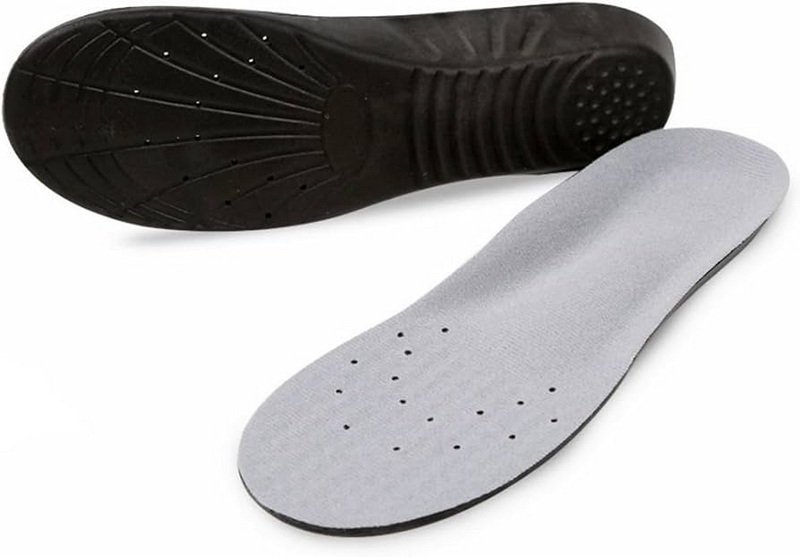
Orthotic insoles are medically engineered to correct posture, improve alignment, and distribute foot pressure evenly. Regular insoles mainly provide cushioning without biomechanical benefits.
Yes. By correcting alignment and supporting arches, orthotics reduce stress on joints, ankles, and knees, effectively preventing discomfort and chronic pain.
Research supplier certifications, production capabilities, and client reviews. Request product samples, and assess communication efficiency for OEM or wholesale collaborations.
Manufacturers frequently use EVA foam, gel, TPU, cork, and carbon fiber-reinforced composites for durability, flexibility, and moisture management.
Yes. Many American and Asian factories provide OEM and ODM options, allowing brands to customize shape, structure, logo, and packaging under their private label.


