
Language
Views: 222 Author: Edvo Publish Time: 2025-12-31 Origin: Site


Content Menu
● Understanding the Orthotic Insole Industry in Germany
● Why Germany Leads in Orthotic Insole Manufacturing
>> Precision Engineering and Anatomical Design
>> Advanced Material Innovation
>> Sustainable Manufacturing Practices
>> Collaboration with Healthcare Professionals
>> OEM and Private Label Advantages
● Top Orthotic Insole Manufacturers and Suppliers in Germany
>> Bort GmbH
>> Fersenschuh Orthopädie-Technik GmbH
>> Pedag International (Scheuble & Gößner GmbH)
● Expanding Industry Trends Among German Orthotic Insole Suppliers
>> Integration of Digital Technologies
>> Growing Market for Preventive Footcare
>> Sustainability and Eco-Friendly Materials
>> Expanding E-commerce and Direct-to-Consumer Channels
● Partnering with German Manufacturers for OEM Solutions
● Key Benefits of Choosing German Orthotic Insole Suppliers
● Industry Outlook: The Future of Orthotic Insole Manufacturing
● FAQs
>> 1. What differentiates German orthotic insole manufacturers from others?
>> 2. Can I order private-label orthotic insoles from Germany?
>> 3. Are German orthotic insoles eco-friendly?
>> 4. How do German manufacturers ensure consistent product quality?
>> 5. Are German orthotic insoles suitable for both medical and athletic use?
Germany has long been recognized as a global leader in precision engineering, healthcare innovation, and sustainable manufacturing. Within the medical and footwear industry, orthotic insole manufacturers and suppliers in Germany have earned an exceptional reputation for delivering comfort, support, and biomechanical efficiency. Their products are trusted by athletes, medical professionals, and everyday consumers seeking improved posture, pain relief, and long-term foot health.
Whether you're a brand looking for OEM services or a distributor sourcing premium orthotic insoles, understanding the German market gives you direct access to some of the most advanced technologies and sustainable production methods available in the world today.
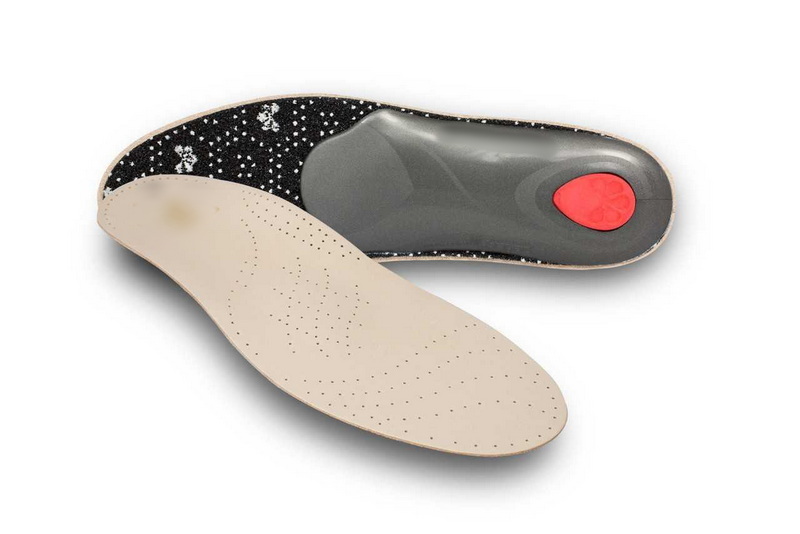
Orthotic insoles, also known as orthopedic insoles or shoe inserts, are custom or semi-custom footbeds designed to correct posture, alleviate pain, and improve motion efficiency. These insoles help align the foot properly, reducing strain on joints such as the ankle, knee, and lower back.
Germany's orthotic insole sector operates at the intersection of medical research, biomechanics, and material science. The country's legacy of orthopedic excellence, combined with strict product quality standards, makes German-made insoles highly desirable worldwide. Beyond healthcare, the industry has expanded into sports, fashion footwear, and occupational health applications.
Modern consumers increasingly seek orthotic solutions that merge comfort with sustainability, stimulating innovation among German manufacturers. The combination of ergonomic design and eco-friendly materials has become a core competitive advantage for the country's leading suppliers.
Germany has a long history of combining craftsmanship with mechanical precision. Orthotic insole manufacturers and suppliers in Germany use sophisticated technologies such as 3D foot scanning, digital gait analysis, and computer-aided orthotic modeling to ensure each insole perfectly fits natural foot contours.
These technologically advanced tools make German insoles highly effective for both corrective and preventive applications. Whether the goal is to support athletes' performance or provide comfort for diabetics, custom fitting remains at the heart of production.
Material selection strongly influences insole performance. German manufacturers utilize lightweight EVA foams, antibacterial textiles, recycled rubber, and gel composites that provide flexibility and long-term durability.
Medical-grade silicone and memory foam components are often combined to create multi-layer structures that optimize stability, reduce fatigue, and absorb shock. Many suppliers also experiment with bio-based or plant-derived foams to minimize environmental impact without compromising quality.
Sustainability has become a pillar of German industrial culture. Leading manufacturers integrate eco-friendly processes such as low-emission molding, water-based adhesives, and biodegradable packaging.
Several suppliers hold ISO 14001 environmental management certifications, reflecting nationwide efforts to support the circular economy. For overseas buyers, this commitment enhances brand value while meeting international expectations for green sourcing.
German manufacturers often collaborate closely with medical experts, orthopedic surgeons, and universities to refine product designs. This medical involvement ensures that every orthotic insole supports natural alignment and complements clinical treatments for conditions such as plantar fasciitis, pronation, and metatarsalgia.
Many German orthotic insole manufacturers and suppliers provide OEM and ODM services to companies worldwide. This enables footwear brands and importers to customize products with proprietary designs, logos, packaging, and material preferences. German manufacturers excel in developing full private-label product lines tailored to different target markets—from medical clinics to sports retailers.
Bauerfeind AG is one of Germany's most reputed medical product companies. Known for its orthopedic expertise and medical research partnerships, Bauerfeind produces insoles that are clinically tested and certified under European medical regulations.
Their product range includes dynamic foot orthoses, sport-specific support systems, and custom insole workshops. Each insole is built to improve stability while enhancing overall lower body alignment.
Sidas Germany merges innovation and comfort with precision 3D manufacturing. Their insoles serve athletes, professionals, and individuals needing orthopedic correction. Using advanced foot molding technology, Sidas provides both off-the-shelf and bespoke orthotic solutions.
The brand's ability to provide personalized OEM production makes it a preferred partner for global sports and footwear brands that demand flexibility and consistency in large-scale orders.
VIONIC integrates podiatric science into lifestyle products. Their orthotic insoles are based on medical-grade arch support structures designed by podiatrists. Germany's VIONIC division ensures European consumers access scientifically validated insoles that blend style with structural correction. These insoles are particularly renowned for long-term relief from heel pain and flat-foot-related issues.
For decades, Bort GmbH has specialized in orthopedic aids and rehabilitation devices. Their orthotic insoles reflect their medical expertise, providing high stability and targeted cushioning. Bort's products are suitable for post-surgery recovery, arthritis treatment, and long-term care programs.
With extensive export experience, Bort serves hospitals, clinics, and distributors across Europe and Asia, ensuring a consistent standard of German-made quality.
This company stands at the intersection of tradition and technology. Fersenschuh Orthopädie-Technik GmbH manufactures and customizes orthotic insoles for individual and institutional clients. Using 3D laser foot analysis and handcrafted finishing, their products deliver exceptional precision.
Their strong OEM and collaboration capabilities enable global buyers to commission tailor-made insole solutions under their own brands.
An industry pioneer, Pedag International exports millions of pairs annually and operates in more than 80 countries. Their orthotic insoles cover diverse markets—from casual fashion insoles to medically certified orthotics. Pedag focuses heavily on sustainability, producing biodegradable insoles and eco-certified packaging materials. For wholesale and OEM clients, Pedag's flexible production system ensures efficient scalability.
Orthomove designs high-performance insoles suited for physically active lifestyles. Their focus on biomechanical enhancement makes them a top choice among athletes. Each product is engineered to deliver shock absorption, stability, and energy return.
This brand exemplifies Germany's commitment to merging sport science with orthopedic insight, offering OEM customization programs for global sportswear companies.
Medi's orthotic division produces insoles specifically designed for medical and diabetic users. The brand's medical-grade materials and unique compression technologies help enhance circulation while offering cushioned support. Medi's global network includes clinics, distributors, and e-commerce platforms, making it a vital link between healthcare professionals and consumer markets.
The digitalization of healthcare manufacturing has significantly transformed how orthotic insoles are designed and distributed. Many German manufacturers implement 3D printing to create lightweight, personalized solutions. Pressure-mapping sensors and virtual fitting systems help identify precise biomechanical needs, reducing trial-and-error during fitting sessions.
This seamless integration of digital tools promotes accuracy, reduces waste, and enhances the efficiency of custom-manufacturing systems, ensuring buyers receive consistently high-quality products.
A global awareness of foot health has pushed orthotic insoles from niche medical accessories to mainstream wellness products. Consumers are purchasing orthotic insoles to prevent discomfort caused by long working hours, heavy physical activity, or improper footwear.
German companies, with their medical background, now produce hybrid insoles suitable for daily wearers, combining orthotic support with aesthetic designs for fashion and smart shoe concepts.
Sustainability continues to drive innovation. Manufacturers experiment with renewable sources such as cork, sugarcane-derived EVA, and recycled ocean plastics. These eco-materials meet both consumer expectations and environmental regulations, strengthening Germany's global reputation for responsible manufacturing.
Today's customers demand fast, tailor-made solutions accessible online. German orthotic manufacturers have adapted with digital ordering systems, allowing clinics and consumers to upload foot scan data directly for customized production. This efficiency shortens lead times and supports international buyers seeking convenient import arrangements.
For international enterprises—whether footwear brands, orthopedic retailers, or healthcare institutions—partnering with orthotic insole manufacturers and suppliers in Germany presents clear strategic advantages.
A typical collaboration process includes:
1. Concept Consultation – Buyers present brand goals, product descriptions, or problem statements.
2. Technical Design – German teams develop CAD prototypes and digital renderings based on performance or medical requirements.
3. Material Optimization – Materials such as EVA, PU, gel, carbon fiber, or latex are selected to achieve target durability and comfort levels.
4. Sampling and Testing – Functional prototypes undergo biomechanical tests for compression, heat resistance, and ergonomic performance.
5. Mass Production and Branding – After approval, manufacturers scale production with customized packaging, private labeling, and logistic coordination.
This robust cooperation model ensures transparency and innovation throughout the OEM supply chain. Most German exporters maintain multilingual communication teams to support global partners efficiently.
Working with orthotic insole manufacturers and suppliers in Germany provides numerous advantages for international clients:
- Superior Craftsmanship: German-made insoles demonstrate excellent structural integrity and durability.
- Compliance with Global Standards: Certifications such as ISO and CE guarantee safety and precision.
- Customization Service: OEM and private labeling options support brand differentiation.
- Sustainability: Eco-friendly production aligns with modern CSR principles.
- Reliable Export Logistics: Germany's central European location ensures fast global distribution and minimal transport risk.
By combining science, design, and environmental ethics, German manufacturers offer unmatched reliability for international business collaborations.
The global orthotic insole industry continues to expand, fueled by urbanization, aging populations, and a growing focus on ergonomic comfort. German companies are expected to lead technological and sustainable transformation across this sector.
Future innovations will likely include:
- Smart insoles embedded with pressure sensors for real-time posture monitoring.
- Fully recyclable insoles made from circular materials.
- Cloud-based digital fitting systems for remote patient service.
- Collaborative manufacturing with healthcare startups to integrate custom-fit orthoses into wearable medical technology.
Germany's unique industrial structure and precise engineering culture position its manufacturers to shape the global standard for quality orthotics.
Germany stands as a benchmark for excellence in orthopedic and medical manufacturing. Its orthotic insole manufacturers and suppliers combine medical knowledge, engineering expertise, and environmental responsibility to deliver products trusted across continents. From global athletes to clinical patients, millions of users rely on German-made insoles to enhance comfort, stability, and overall well-being.
For international buyers, sourcing from Germany means guaranteeing performance consistency, ethical production, and world-class design. The future of orthotic innovation will be driven by a blend of personalized data, sustainable materials, and collaboration—areas where German manufacturers already lead the world.

German manufacturers integrate medical biomechanics, digital design, and sustainable materials. Their unique combination of technical expertise and healthcare partnership sets them apart from global competitors.
Yes. Many suppliers specialize in OEM and ODM services, allowing global brands to develop private-label orthotic products tailored to their market needs.
Most German manufacturers prioritize sustainability, using recyclable, biodegradable, and plant-based materials, ensuring minimal environmental impact throughout production.
They operate under certifications such as ISO 13485 or CE, utilize automated quality control systems, and frequently conduct durability, moisture, and stress testing.
Yes. Manufacturers design specialized collections for clinical use, everyday wear, and sports performance, ensuring each pair delivers optimized stability and comfort.


