
Views: 222 Author: Edvo Publish Time: 2025-12-25 Origin: Site


Content Menu
● Understanding Orthotic Insoles: Health Meets Innovation
● Market Overview: UK Orthotic Insole Industry Landscape
● Top Orthotic Insole Manufacturers And Suppliers in UK
>> 8. DuPont Sustainable Solutions (UK Division)
● Material Technology and Design Trends
● The Role of Chinese OEM Manufacturers in UK Supply Chains
● Industry Trends and Business Opportunities
● How to Choose the Right Orthotic Insole Supplier
● Distribution Channels and Export Strategies
● FAQs About Orthotic Insole Manufacturers And Suppliers
>> 1. What makes UK orthotic insole manufacturers stand out globally?
>> 2. Can Chinese OEM manufacturers produce the same quality as UK factories?
>> 3. How do I choose between custom-made and pre-fabricated insoles?
>> 4. What is the typical MOQ (Minimum Order Quantity) for OEM orthotic insoles?
>> 5. Are sustainable orthotic insoles available from UK suppliers?
Orthotic insoles are no longer niche accessories limited to medical or orthopedic markets—they have become mainstream health products that bridge medical science, sports technology, and consumer comfort. With the growing awareness of posture correction and biomechanical support, orthotic insole manufacturers and suppliers in the UK have gained a global reputation for high precision, advanced materials, and reliable OEM partnerships.
This article explores the leading UK suppliers in the orthotic insole industry, highlights their manufacturing strengths, examines material innovations, and discusses how global buyers—especially footwear and health brands—can collaborate effectively with trusted OEM and ODM partners.

Orthotic insoles are engineered inserts placed inside shoes to improve foot alignment and body balance. They help alleviate discomfort caused by flat feet, plantar fasciitis, overpronation, and joint strain. Beyond medical use, they are increasingly integrated into sports shoes, work boots, and casual footwear to enhance comfort and reduce fatigue from daily walking or running.
A well-designed orthotic insole combines biomechanical correction with ergonomic comfort. Unlike regular insoles, orthotics distribute body pressure evenly and align the lower limbs properly, reducing strain on the knees, hips, and spine.
The UK industry stands out because of its fusion of biomedical research, CAD/CAM technology, and high-grade materials. This alignment of science and production capability allows British manufacturers to deliver orthopedic-grade solutions at both professional and retail scales.
Common features of modern orthotic insoles include:
- 3D arch support and flexible heel cups for posture correction.
- Breathable and antimicrobial fabric layers for hygiene maintenance.
- Custom-fit contouring based on digital foot scanning.
- Shock absorption using EVA or PU foam layers.
- Reinforced support zones for high-impact sports performance.
The UK orthotic industry is built on decades of medical and engineering expertise. Leading companies collaborate with doctors, podiatrists, athletes, and design engineers to develop insoles tailored to diverse needs—from clinical rehabilitation to sportswear.
As orthopedic awareness increases globally, more brands are investing in foot health technologies. Medical institutions, rehabilitation centers, and retailers are driving a consistent rise in demand. Meanwhile, personalized insole production via digital modeling and 3D printing has become a strategic focus for many British manufacturers.
Key market segments include:
- Healthcare and clinical orthotics designed for medical treatment.
- Sports performance insoles that enhance endurance and reduce fatigue.
- Work footwear insoles providing ergonomic support for long-hour workers.
- Retail-ready and lifestyle comfort insoles catering to everyday consumers.
With export-oriented manufacturing, many orthotic insole manufacturers and suppliers in the UK have expanded their presence in Europe, North America, and Asia, offering both ready-made and OEM customization services.
Located in Liverpool, Algeos has been one of the pioneers in orthopedic and podiatric solutions for decades. The company is known for integrating clinical insights with automated machinery and innovative materials. Its product range includes orthotic blanks, custom molded insoles, and specialized podiatry equipment. Algeos also partners with clinics and universities to research better biomechanical materials.
Based in Doncaster, Healthy Step is a leader in evidence-based design. The company's insoles are developed in collaboration with orthopedic professionals to ensure medical accuracy. Their signature lines target plantar fasciitis and heel pain while maintaining comfort for everyday wear. Healthy Step's focus on clinical validation gives it a strong reputation among medical practitioners.
Headquartered in Nottingham, Orthotics UK provides fully customized orthotic solutions for both NHS institutions and private healthcare providers. The company combines foot scanning technology and CNC manufacturing for precise fitting. Their production process emphasizes both durability and biomechanical performance, offering tailor-made solutions for different walking patterns.
Although based in Ireland, Firefly Orthoses maintains a broad presence within the UK. The company designs and manufactures premium orthoses for podiatrists, sports clinics, and physiotherapy centers. Their products stand out for meticulous craftsmanship, modern digital modeling, and sustainable materials compatible with high-performance inserts.
Located in Croydon, D30 is renowned for its patented polymer technology that absorbs and dissipates shock. D30 materials are found in high-impact applications including motorcycling gear, military boots, and sports footwear. The brand continuously expands its presence in orthotic insoles with solutions that blend flexibility and protection into lightweight molds.
Footbalance specializes in dynamic custom-fit insoles for sports and retail customers. Its London-based store and distribution system implement 3D scanning and heat-molding services that instantly fit insoles to an individual's foot shape. The brand appeals to retailers seeking to offer professional custom fitting as part of their service.
With manufacturing facilities in Chesterfield, Talarmade supplies comprehensive orthopedic solutions including insoles, braces, and supports. The company is a trusted name among UK hospitals, offering CE-certified products and personalized orthotic systems. Their models are developed under strict medical supervision to ensure consistent quality and biomechanical reliability.
Bristol-based DuPont focuses on material science that benefits the orthotic industry. Though not a direct footwear manufacturer, its advanced polymers and moisture-control fabrics form the foundation of many modern orthotic products. Their contribution underscores the importance of material innovation in shaping the quality of insoles globally.
Material science defines the performance and durability of orthotic insoles. British companies are at the forefront of producing multi-layered insoles using advanced composites. The materials combine shock absorption, ventilation, and structural rigidity.
Popular materials include:
- EVA (Ethylene Vinyl Acetate): A flexible foam known for cushion and rebound.
- PU (Polyurethane): Used for heavy-duty designs requiring long-lasting, firm support.
- Gel and Silicone: Offer targeted pressure relief for heel and metatarsal regions.
- Carbon Fiber: Ensures rigidity while maintaining a lightweight profile.
- Natural Cork: Provides eco-friendly comfort and temperature regulation.
- TPU and Memory Foam: Adaptable to personalized foot contours for dynamic fit.
British R&D teams are also exploring biodegradable materials and smart orthotic technology, integrating micro-sensors into insoles to track gait patterns, posture, and performance data. Sustainability has become a defining theme—many manufacturers now aim to use up to 60% recycled content in their products.
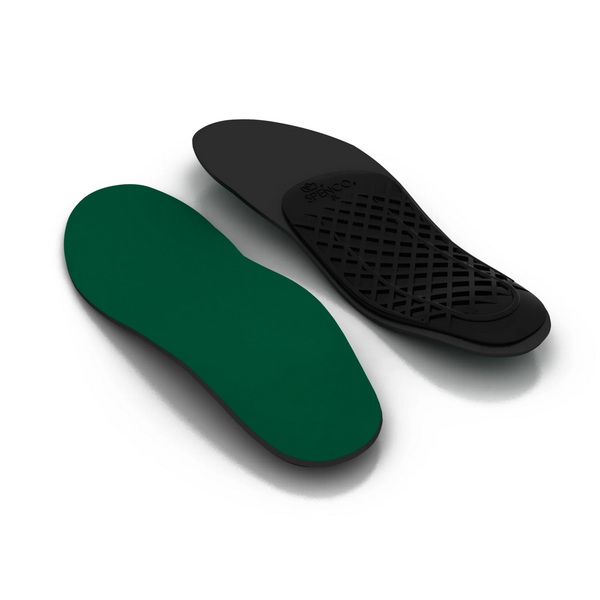
While the UK excels in design and clinical precision, large-scale production often relies on global outsourcing. Chinese OEM and ODM manufacturers play an essential role by providing efficient, high-volume production that meets international standards.
Leading Chinese companies, such as [Your Company Name], collaborate with British and European distributors to deliver:
- OEM and private label production tailored to each brand's identity.
- Wide choice of materials including EVA, PU, gel, cork, and bamboo fiber.
- In-house R&D support for material optimization and ergonomic testing.
- Scalable production lines suitable for international distribution.
This partnership model benefits both sides—UK brands retain design control and certification credibility, while Chinese factories ensure cost-effective, timely fulfillment of bulk orders. Together, they support the global orthotic market's shift toward accessibility and affordability.
The growing orthotic insole sector reflects global lifestyle and healthcare changes. Rising foot-related conditions, aging populations, and expanding sports participation all contribute to sustained growth. Here are some prominent trends shaping the future:
1. Personalized fitting through AI and digital scanning.
Modern systems use pressure-mapping and gait data to produce exact-fit orthoses.
2. Sustainability initiatives across production chains.
Manufacturers are switching to recyclable materials and energy-efficient operations.
3. Smart insoles integrating wearable technology.
Sensors are being used to monitor athletic performance and foot health in real time.
4. Cross-industry collaborations.
Joint ventures between material innovators and orthopedic designers are accelerating product innovation.
5. Customization as a consumer expectation.
Retailers now view personal fit as a brand differentiator, investing in versatile OEM models.
For importers, distributors, and brand companies, the combination of UK innovation and Chinese production capacity remains a winning strategy in today's competitive market.
When choosing among orthotic insole manufacturers and suppliers in the UK, buyers should evaluate potential partners through both technical and business perspectives.
- Certifications and Compliance: Ensure suppliers follow ISO, CE, or medical-grade standards.
- Production Capacity: Evaluate their ability to scale from samples to mass production.
- R&D Strength: Choose companies that actively develop new ergonomic designs.
- Customization Service: Confirm flexibility for private label and packaging options.
- After-Sales Support: Prefer long-term partners offering responsive communication and quality assurance.
Establishing strong technical alignment during the design stage helps avoid revisions or defects later in production. Companies should also verify export experience to confirm familiarity with customs and logistics processes in their target regions.
UK orthotic suppliers employ diversified strategies to reach both B2B and B2C markets. Some maintain direct partnerships with retailers and clinics, while others sell through international distributors. E-commerce has also become a key growth channel, allowing niche medical or lifestyle brands to reach global customers efficiently.
Manufacturers with sustainable supply chains and reliable export documentation gain a competitive advantage in international trade. Many UK companies also participate in international medical exhibitions and sports expos to showcase innovations, reinforcing the UK's status as a trusted destination for orthotic insole manufacturers and suppliers.
For exporters outside the UK, collaborating with British brands enhances reputation and product value—especially when health compliance and ergonomic quality are primary selling points.
The United Kingdom remains a powerhouse in orthotic design and healthcare-oriented manufacturing. Its combination of technical expertise, strong R&D, and medical partnerships creates high-quality, performance-driven insoles trusted worldwide. For foreign buyers, working with orthotic insole manufacturers and suppliers in the UK offers premium product quality, brand credibility, and innovation-driven design.
Global brands can maximize their potential by building hybrid production strategies: leveraging the UK's design excellence and biomechanical research while entrusting large-scale OEM production to certified Chinese manufacturers. This integrated approach ensures affordable, sustainable, and superior orthotic products for a global consumer base increasingly focused on comfort, health, and performance.

They combine decades of podiatric research with cutting-edge design and material technology. Their products meet strict medical-grade standards and are widely trusted by healthcare professionals and footwear brands worldwide.
Yes. Advanced Chinese factories now operate with modern CNC systems, eco-friendly materials, and international certifications. When guided by UK design specifications, they can deliver equivalent product performance for large-scale orders.
Custom insoles offer a perfect anatomical fit for medical or professional needs, while pre-fabricated models suit everyday users seeking comfort at lower costs. Most UK and Chinese suppliers offer both options under OEM contracts.
It varies by supplier but typically ranges from 1,000 to 3,000 pairs. Many UK manufacturers accept smaller trial orders for new brands, while Chinese factories often accommodate larger production runs.
Yes. Many UK manufacturers and material suppliers now specialize in eco-friendly insoles made from cork, bamboo charcoal, and recycled polymers, minimizing carbon footprint without compromising comfort or durability.


