
Language
Views: 222 Author: Edvo Publish Time: 2026-01-17 Origin: Site


Content Menu
● Understanding PU Insoles and Their Advantages
● The Canadian PU Insole Industry Landscape
● Leading PU Insole Manufacturers and Suppliers in Canada
>> 2. SoleTech Footwear Components
>> 4. Kintec Footwear Components
>> 5. Dr. Reardon Footcare Solutions
● Collaboration Between Canadian and Chinese PU Insole Manufacturers
● Quality Control Standards in PU Insole Manufacturing
>> Lamination and Cover Fabric Integration
>> Final Inspection and Packaging
● Choosing the Right PU Insole Manufacturer or Supplier
>> Production Scale and Capabilities
>> Technical Expertise and OEM/ODM Experience
>> Compliance and Documentation
● Emerging Market Trends in PU Insole Manufacturing
● OEM Opportunities for Global Footwear Brands
● Challenges Facing PU Insole Manufacturers and Suppliers
● FAQ
>> 1. What are PU insoles made of?
>> 2. Are PU insoles suitable for all types of footwear?
>> 3. How do PU insoles compare to gel or EVA insoles?
>> 4. Can I customize PU insoles with my brand design?
>> 5. What sustainability practices exist in PU insole manufacturing?
PU (polyurethane) insoles have become one of the most essential components in today's footwear industry. From sports sneakers to orthopedic shoes, they deliver the perfect balance of comfort, durability, and support. As the footwear market continues to expand, demand for high-quality PU insoles has grown rapidly across Canada and around the world.
For global brands, wholesalers, and OEM partners, identifying top-tier PU Insole Manufacturers and Suppliers in Canada is not just about sourcing components—it's about finding reliable business partners who can meet evolving consumer expectations while upholding rigorous quality and performance standards.

PU, short for polyurethane, is a foam material renowned for its resilience, cushioning, and adaptability. Compared with EVA and latex alternatives, PU provides more stable comfort over extended use. Its ability to maintain shape and flexibility makes it highly suitable for footwear that demands consistent performance under daily stress.
- Enhanced Comfort: PU insoles conform to the shape of the foot, reducing pressure points and providing consistent cushioning throughout the day.
- Long-Term Durability: Even after months of wear, PU retains its structural integrity and shock absorption capability.
- Moisture Resistance: Many PU formulations offer anti-bacterial and moisture-wicking features that improve breathability.
- Energy Return: PU's elasticity allows for efficient energy return, reducing fatigue in sports and work environments.
- Custom Adaptability: Manufacturers can adjust the hardness, rebound, and thickness levels of PU to fit specific shoe designs or foot conditions.
Because of these unique properties, PU insoles have become the preferred choice in categories such as running shoes, work boots, hiking footwear, orthopedic shoes, and safety footwear.
Canada's footwear sector is smaller in production capacity compared to global manufacturing giants, but it excels in innovation, material science, and eco-conscious development. Canadian manufacturers focus on blending advanced engineering with sustainable design.
Key characteristics of the Canadian PU insole market include:
- Heavy investment in research and development for greener material options.
- Integration of 3D scanning, pressure mapping, and biometric data in custom insole design.
- Collaboration between medical footcare companies and performance footwear brands.
- Ethical and sustainable supply chain management, emphasizing quality over scale.
This unique approach has positioned Canadian PU insole suppliers as reliable partners for international brands seeking superior craftsmanship and design precision.
Below are some notable names recognized for delivering exceptional PU insole technology, whether for sports, orthopedic, or everyday footwear applications.
Based in Ontario, OrthoLite is a global leader in PU foam production and innovation. The company provides eco-friendly insoles formulated from a mix of recycled and bio-based polyurethane. Their products are engineered for optimal breathability and long-lasting comfort—perfect for athletic and lifestyle footwear. OrthoLite's success in the Canadian market lies in its ability to balance environmental responsibility with uncompromising performance.
Operating from British Columbia, SoleTech specializes in high-performance PU insole manufacturing serving outdoor, safety, and hiking footwear brands. They have advanced in developing dual-density polyurethane insoles that combine firm structural layers for support and soft upper layers for comfort. With their strong OEM and private-label capabilities, SoleTech remains a trusted partner to Canadian and international shoe brands alike.
Footlogix Laboratories in Toronto bridges medical science and footwear production. They develop PU insoles that support podiatric correction and orthopedic alignment. Their insoles are widely used in therapeutic footwear for conditions like plantar fasciitis and diabetic foot relief. Footlogix's research-driven process and adherence to clinical standards set them apart in the global PU insole manufacturers and suppliers market.
Headquartered in Vancouver, Kintec offers customized PU insole solutions shaped by computerized foot mapping and ergonomic analysis. Their insoles are precision-made for runners, cyclists, and professionals requiring specialized support. The company's biomechanical engineering team collaborates with physiotherapists and footwear designers to continually refine foam density and structure.
Located in Quebec, Dr. Reardon Footcare Solutions serves brands focused on comfort and affordability. They provide PU insole designs for mass-market shoes, private labels, and online DTC footwear retailers. Their production emphasizes weight reduction and odor resistance while maintaining softness and strength, serving a wide range of brand specifications.
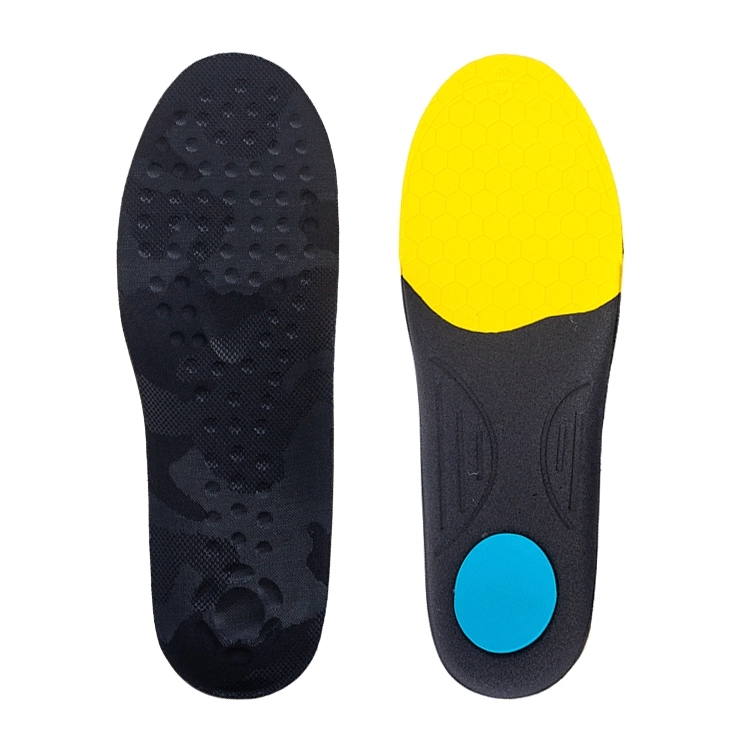
While Canada excels in R&D, design innovation, and brand development, production scalability often depends on international collaboration—particularly with Chinese PU insole manufacturers and suppliers. Through well-established OEM partnerships, Chinese factories offer large-scale production capacity, competitive pricing, and rapid turnaround without compromising quality.
Chinese OEM manufacturers typically provide:
- Diverse material options: single-density, dual-density, recycled PU foam, and gel-PU hybrids.
- Custom branding: logo printing, embossing, and personalized surface materials such as fabric or mesh.
- Rapid prototyping: quick development cycles from sample to mass production.
- Flexible batch sizes: suitable for small startups or large international labels.
- Global logistics: timely delivery across North America, Europe, and Asia.
Many leading Chinese manufacturers comply with international standards such as ISO9001, REACH, and RoHS. This alignment ensures that Canadian partners maintain their commitment to quality, sustainability, and safety. By joining forces, both sides achieve mutual benefits—Canadian design expertise and Chinese manufacturing efficiency combine to build strong, competitive footwear product lines in global markets.
High-quality PU insoles require meticulous control at every stage of production. Whether produced in Canada or China, consistent quality assurance ensures durability and comfort.
Manufacturers test the density, compression resilience, and tear strength of polyurethane foam. These tests confirm that every batch meets mechanical property requirements before molding begins.
Advanced CNC-machined molds are used to ensure uniform thickness and shape for every insole. Dimensional precision guarantees even pressure distribution inside the shoe.
Many insoles combine polyurethane foam with breathable fabrics, anti-slip surfaces, or antibacterial materials. Proper lamination extends the insole's lifespan and comfort level.
Each batch undergoes flex tests, shock absorption checks, and fatigue resistance evaluations to verify performance under different conditions.
Finished products go through visual inspection, labeling, and quality marking before being packed for shipment. This final step ensures brand consistency and customer satisfaction.
When selecting the right partner, Canadian brands and importers should consider several crucial aspects beyond pricing.
Choose PU insole manufacturers and suppliers who can handle your projected order volume without compromising lead time or quality. Efficient production planning guarantees business continuity.
If your products target niche or performance markets, ensure your supplier can tailor PU density, fabric type, and structural design according to your specifications.
Suppliers with OEM experience understand brand differentiation. They can integrate features such as anti-odor additives, ergonomic arch support, and logo embossing to align with your product vision.
Top suppliers always provide international testing reports and safety certifications. Documentation transparency protects your business reputation in global markets.
Reliable vendors should offer responsive communication channels, timely updates, and after-sales support. A strong customer relationship helps prevent production delays and misunderstandings.
The PU insole industry is moving toward more sustainable, intelligent, and user-centric innovations. Key trends shaping the future include:
- Sustainable Foam Development: R&D focuses on creating biodegradable and partially bio-based polyurethane materials that reduce environmental impact.
- Smart Insole Technology: Integration of pressure sensors and data chips turns footwear into health-tracking devices capable of monitoring gait, step count, and posture.
- Orthopedic Personalization: AI-based sizing and 3D printing allow for personalized orthopedic correction insoles manufactured on demand.
- Lightweight Yet Durable Formulations: Manufacturers are developing microcellular polyurethane with superior air permeability and lower density for enhanced comfort.
- Hybrid Material Compositions: Combining PU with cork, bamboo fiber, or gel layers achieves optimal balance between elasticity and sustainability.
These trends will redefine how PU insole manufacturers and suppliers operate within Canada's competitive footwear landscape, paving the way for smarter, greener, and more ergonomic footwear experiences.
The global market increasingly depends on OEM partnerships for cost control and flexibility. For Canadian companies looking to expand their product lines, cooperating with overseas producers offers many possibilities:
- Private Label Production: Factories provide white-label PU insoles that can be branded under the buyer's logo.
- Design-to-Production Services: Overseas manufacturers often assist in design adjustments, CAD modeling, and mold creation.
- Global Distribution Efficiency: Partnering with high-capacity manufacturers ensures stable inventory and competitive lead times.
By establishing long-term cooperation with a professional PU Insole Manufacturer and Supplier, Canadian businesses can diversify products, reduce expenses, and reach a broader international customer base.
Despite strong market potential, several challenges remain in the sector:
- Rising raw material costs influence PU foam pricing and supply stability.
- Global shipping disruptions sometimes impact order lead times.
- Sustainability requirements increase R&D expenses for eco-friendly PU formulations.
- Consumer expectations for lightweight, breathable, and smart insoles drive constant innovation.
Forward-looking Canadian companies must therefore adopt flexible sourcing strategies and maintain close partnerships with overseas factories to stay competitive.
Canada has established itself as an influential player in the global footwear components market, emphasizing high-performance design, technical innovation, and sustainable production. The country's PU insole manufacturers and suppliers are recognized for their commitment to comfort and engineering precision—serving both domestic and international footwear brands.
At the same time, partnerships with Chinese OEM manufacturers enhance production efficiency and scalability. This collaboration enables Canadian and global brands alike to enjoy premium quality at competitive costs. For footwear companies seeking to expand their product offerings, build private labels, or develop unique designs, working with experienced PU insole suppliers ensures long-term business growth and superior product performance.
From eco-friendly formulations to biomechanically engineered designs, the future of PU insoles lies in innovation and collaboration across continents. The synergy between Canadian expertise and Asian production capability will continue to define the next generation of comfortable, durable, and sustainable footwear.
Contact us to get more information!
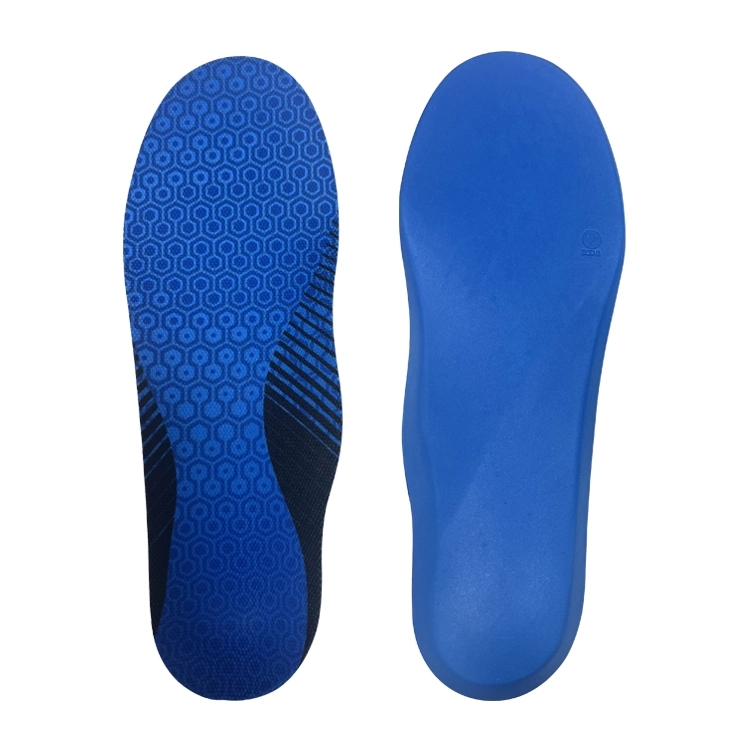
PU insoles are made from polyurethane foam—a flexible, resilient material known for its superior cushioning, shock absorption, and long-lasting comfort.
Yes. PU insoles are widely used in athletic shoes, work boots, sandals, orthopedic shoes, and everyday footwear due to their adaptability and comfort.
PU insoles often outlast gel or EVA insoles in durability and resilience. They deliver balanced softness and structure, while gel focuses on targeted cushioning and EVA offers lightweight flexibility.
Definitely. Most PU Insole Manufacturers and Suppliers offer OEM/ODM customization, including logo printing, thickness adjustment, surface materials, and packaging options.
Many Canadian and Chinese suppliers now use recycled PU, water-based adhesives, and energy-efficient production processes to reduce environmental impact while maintaining high product quality.


