
Views: 222 Author: Edvo Publish Time: 2026-01-17 Origin: Site


Content Menu
● Understanding the Importance of PU Insoles
● What Makes Japan's PU Insole Industry Stand Out
>> 1. Advanced Material Science
>> 2. Refined Manufacturing Processes
>> 3. Quality Certification and Testing
● Leading PU Insole Manufacturers And Suppliers in Japan
● Key OEM and ODM Strengths of Japanese PU Insole Manufacturers
● Industrial and Commercial Applications of PU Insoles
>> Sports Performance Footwear
>> Leisure and Fashion Footwear
>> Orthopedic and Medical Insoles
● Innovations in Japanese PU Insole Manufacturing
● Collaborating with Japanese PU Insole Manufacturers
● Supply Chain and Export Advantages
● The Future of PU Insole Manufacturing in Japan
● FAQs about PU Insole Manufacturers And Suppliers
>> 1. What advantages do Japanese PU insole manufacturers offer over others?
>> 2. Can overseas footwear brands get private-label PU insoles from Japan?
>> 3. How do Japanese PU insoles compare with EVA or latex insoles?
>> 4. Are Japanese PU insoles suitable for medical and orthopedic use?
>> 5. What should buyers consider when selecting a PU insole supplier in Japan?
As comfort, performance, and sustainability redefine the global footwear industry, Japan continues to set high standards for precision engineering and material innovation. Among all footwear components, PU insoles have become a defining feature of quality shoes worldwide. Known for their exceptional cushioning, flexible form, and durability, PU (polyurethane) insoles help create comfortable, long-lasting footwear across sports, fashion, orthopedic, and industrial markets.
Today, Japan's PU insole manufacturers and suppliers are recognized internationally for their research-driven designs, sustainable manufacturing, and commitment to ergonomic comfort. This article explores Japan's leading PU insole producers, their strengths, and how brands can successfully collaborate through OEM and ODM partnerships.

Polyurethane, or PU, is a versatile synthetic material known for its elasticity, toughness, and resilience. Compared to other materials like EVA, latex, or memory foam, PU offers a perfect balance between softness and structural integrity. For manufacturers, the adaptability of PU makes it ideal for producing insoles that resist compression, absorb shock, and maintain shape even after extended wear.
- Superior Cushioning: PU foam distributes pressure evenly across the foot, reducing fatigue and improving comfort.
- Durability: Unlike EVA, PU foam maintains its original form for a longer time and resists cracking or flattening.
- Breathability and Moisture Management: Many Japanese producers treat their PU insoles with antimicrobial and moisture-wicking coatings to ensure hygiene.
- Eco-friendly Production: Recyclable and low-VOC PU systems are becoming the new norm among responsible manufacturers.
Thanks to these qualities, PU insoles are now essential components in premium footwear, delivering comfort and performance across global markets.
The Japanese footwear supply chain is built on technological precision and an uncompromising approach to quality. PU insole manufacturers and suppliers in Japan have developed distinct advantages through decades of innovation.
Japan has invested heavily in polymer development, allowing PU formulations to be fine-tuned for specific properties such as rebound elasticity, density, and softness. Many Japanese R&D teams use molecular-level adjustments to enhance cushioning or adjust thermal characteristics.
From micro-cell foaming to computer-aided precision molding, Japanese factories use state-of-the-art machinery to create uniform, defect-free insoles. This ensures every pair of insoles maintains consistency in performance and design.
Most PU insole suppliers in Japan operate under ISO, JIS, or RoHS compliance systems. They implement advanced testing for odor resistance, compression recovery, slip resistance, and temperature stability—all crucial for reliable footwear performance.
Japanese business culture emphasizes partnership and attention to detail. Their commitment to co-creation makes them ideal for OEM/ODM projects where international clients require flexibility and brand integration.
Asics, a name synonymous with athletic innovation, is one of the pioneers in advanced PU insole development. Their insoles combine PU foam cushioning with gel pad reinforcement to enhance shock absorption and energy return. Asics also supports OEM manufacturing for performance footwear brands seeking high-caliber insoles designed through extensive biomechanical analysis.
Bimbo Japan serves as both a PU insole manufacturer and supplier, producing materials for European, American, and Asian brands. Their expertise in density-controlled PU molding enables precise performance customization for work shoes, sports footwear, and safety gear. The company offers comprehensive OEM and ODM manufacturing services tailored to each client's unique needs.
Although Toray primarily manufactures polyurethane raw materials rather than finished insoles, it plays a foundational role in Japan's insole ecosystem. The company develops eco-friendly PU polymers that are lightweight, flexible, and durable—key ingredients for top-tier PU insoles used by OEM footwear producers across Japan.
Known for their proprietary material “YAMALITE,” Yamamoto Kogyo integrates advanced PU foams into insoles that prioritize both comfort and safety. Their products are widely used in category-leading safety shoes, military boots, and trail sneakers. With their high-energy return technology, these insoles help workers and athletes maintain comfort during prolonged activity.
Hitoe is a specialist in orthopedic and medical-grade PU insoles. Their designs are based on clinical studies and motion analysis data to ensure optimal foot support and posture correction. Hitoe's manufacturing system allows extensive OEM flexibility, offering branding, packaging, and material customization based on medical or sports specifications.
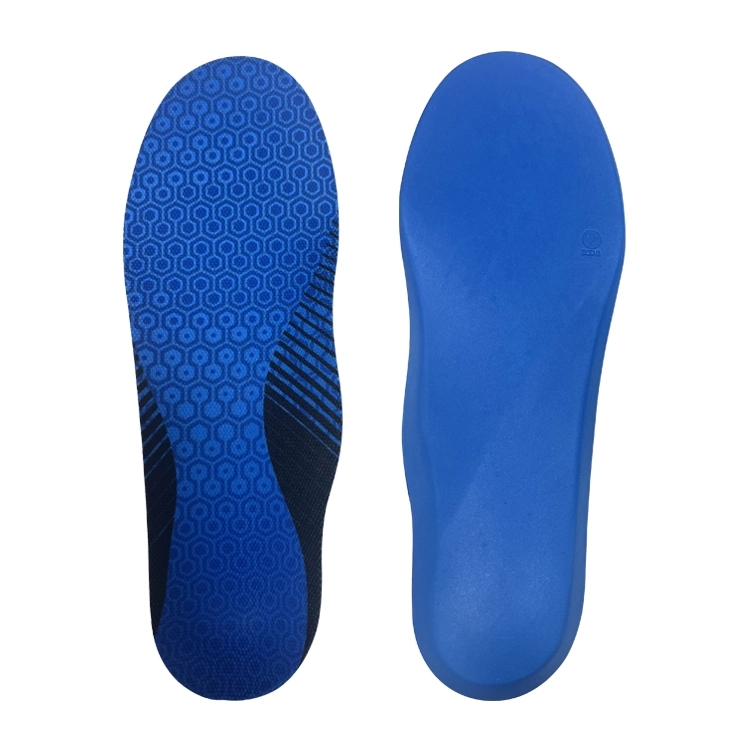
With decades of export experience, Japanese suppliers understand global brand requirements and compliance needs. Their OEM and ODM systems offer full-service manufacturing solutions, including:
- Material selection guidance based on target markets (sports, casual, or orthotic).
- Custom PU blending to achieve specific hardness and rebound rates.
- Branding services, such as laser-engraved logos and unique packaging options.
- Consistent production output for large-scale or seasonal orders.
- Concept-to-production design featuring 3D CAD modeling.
- Prototype testing using motion tracking and pressure mapping.
- Innovation-driven materials like breathable PU mesh layers or carbon-infused foam.
- Technical consultation for global footwear adaptation and design integration.
Japanese PU insole suppliers excel at strategic collaborations, ensuring that overseas buyers receive not only products but also technological and design support.
The versatility of polyurethane has led to its widespread application in footwear manufacturing. Some of the major areas where Japanese PU insoles are most commonly used include:
Running, hiking, and tennis shoes frequently use PU insoles due to their superior shock absorption and energy rebound. Japanese formulations often combine PU with gel layers or recycled foam for enhanced athletic performance.
PU's durability and pressure resistance make it perfect for heavy-duty environments. In safety boots and industrial shoes, these insoles provide long-term cushioning that minimizes foot strain during extended shifts.
Casual shoe brands prefer Japanese-made PU insoles for their softness and improved ventilation. These insoles help balance comfort with stylish design, aligning well with global fashion trends emphasizing comfortwear.
Many Japanese manufacturers produce PU insoles used for foot posture correction, plantar fasciitis relief, and rehabilitation support. The adaptability of PU foam enables precise correction angles and biomechanical alignment assistance.
The innovation landscape in Japan's insole production continues to thrive through continuous technological evolution, integrating science and sustainability.
- Smart Insoles: Several companies are developing PU-based insoles embedded with sensors to track pressure points, gait analysis, and physical performance.
- Eco-Conscious Production: Japan is a leader in the transition toward water-based PU systems and plant-derived polyols that reduce environmental impact.
- High-Precision Automation: Robotic molding systems ensure minimal material waste, faster output, and consistent thickness accuracy.
- Customized Comfort Technology: Smart molds and adaptive foam technology enable personalized insoles for individual customers based on digital foot scans.
These advancements ensure that Japanese PU insole manufacturers and suppliers remain competitive and continue supplying world-class comfort materials to global partners.
Building a long-term partnership with a Japanese factory involves thoughtful planning and communication. International brands looking for reliable PU insole suppliers should focus on these key steps:
1. Initial Research and Vetting: Identify companies through trade fairs such as the Japan Shoe Expo or through networks like JETRO and Asia-Pacific supplier directories.
2. Sampling and Testing: Request PU insole samples to evaluate the feel, density, and response under typical use conditions.
3. Technical Discussions: Define the required performance indicators—such as energy return, compression rating, or moisture control properties.
4. OEM Contract Negotiation: Establish clear terms for pricing, production schedules, branding, and intellectual property.
5. Quality Assurance: Japanese suppliers often provide digital traceability and quality certifications, adding credibility to long-term collaborations.
Clear communication and mutual trust are central to successful cooperation, especially when working across cultural and language differences. Most manufacturers now employ English-speaking account managers to streamline the process.
Japan's strategic location, combined with its strong shipping infrastructure, makes it an ideal hub for exporting PU insoles to global markets. The country's ports in Osaka, Yokohama, and Kobe facilitate efficient logistics handling, ensuring timely delivery to clients in North America, Europe, and Southeast Asia.
Other export advantages include:
- Stable Supply Chains: Reliable raw material procurement from domestic industries such as Toray and Asahi Kasei.
- Low Defect Rates: Japan's manufacturing defect percentage is significantly lower compared to many competing markets.
- Traceability and Compliance: Transparent documentation helps international buyers meet import standards easily.
These logistical strengths enhance Japan's reputation as one of the most trustworthy regions for footwear component sourcing.
Looking ahead, the next chapter of PU insole manufacturing and supply in Japan will revolve around digital integration and sustainability. Manufacturers are exploring how AI-driven analytics and predictive modeling can improve foot ergonomics. Bio-based PU blends and recycling initiatives will continue gaining traction, catering to global brands committed to green production standards.
The fusion of digital design, sustainable materials, and user-centric testing will further elevate Japan's leadership in the global insole supply chain. As footwear buyers demand greater comfort and longevity, Japanese PU insole producers are poised to remain indispensable partners in the ever-evolving footwear landscape.
Japan's PU insole manufacturers and suppliers embody a perfect harmony of comfort engineering, sustainability, and craftsmanship. From athletic shoes to medical orthotics, Japanese PU insoles set global benchmarks for quality and innovation. Their OEM and ODM capabilities give brands the tools to differentiate through superior comfort solutions, while their commitment to eco-friendly and high-precision manufacturing ensures sustainable growth. Partnering with a Japanese PU insole manufacturer is not just a business decision—it's an investment in quality, reliability, and long-term brand value.
Contact us to get more information!
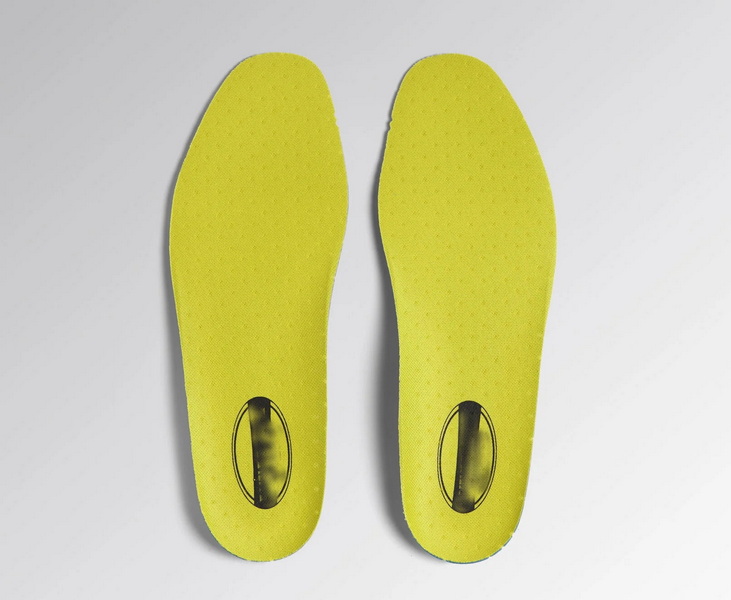
Japanese manufacturers excel in precision manufacturing, quality consistency, and material innovations. Their technology-driven approach ensures better performance, while eco-friendly production supports global sustainability goals.
Yes. Most PU insole suppliers in Japan provide OEM services with customizable branding, design, and packaging options, making them ideal for private label programs.
PU insoles offer superior cushioning durability and rebound resilience. They resist flattening and degradation longer than EVA or latex, ensuring extended comfort and support.
Absolutely. Many manufacturers produce medical-grade PU insoles with pressure relief zones, arch support, and antibacterial coatings for healthcare and rehabilitation use.
Buyers should evaluate production capacity, OEM experience, technical certifications, and material sourcing transparency. Always request product samples and confirm performance metrics before finalizing large orders.


