
Language
Views: 222 Author: Edvo Publish Time: 2026-02-01 Origin: Site


Content Menu
● The Importance of Sports Insoles in Modern Footwear
● Market Overview: Why Canada Stands Out
● Top Sports Insoles Manufacturers and Suppliers in Canada
>> Sidas Canada
>> SOLE Canada
>> Local Orthopedic Insole Makers
● Collaboration Between Canadian Brands and Chinese OEM Manufacturers
● What Defines a Quality Sports Insole
● The Role of Chinese OEM Services in Expanding Canadian Supply
● Emerging Trends Shaping the Canadian Sports Insoles Market
● Selecting the Right Sports Insole Supplier
● Sustainability: The Future Standard in Sports Insoles
● Challenges Faced by Manufacturers and Suppliers
● Future Outlook for the Canadian Sports Insole Industry
● FAQs About Sports Insoles Manufacturers and Suppliers
>> 1. What materials are most commonly used in sports insoles?
>> 2. How do OEM manufacturers from China benefit Canadian brands?
>> 3. Can sports insoles improve athletic performance?
>> 4. Are sustainable insoles durable compared to traditional ones?
>> 5. What should a company look for in a reliable insole supplier?
The sports insole industry has evolved rapidly over the past decade, driven by growing awareness of foot health, advanced sports performance technologies, and the rising pursuit of comfort in everyday footwear. Canada, known for its active lifestyle and outdoor culture, has become a thriving hub for both local sports insoles manufacturers and suppliers and international OEM partners.
From high-performance athletes to casual fitness enthusiasts, Canadian consumers demand insoles that deliver stability, cushioning, and durability in diverse conditions—from icy ski slopes to summer running trails. Behind this growing market is a network of designers, manufacturers, and global suppliers committed to innovation and ergonomic science.
This article explores the leading sports insoles manufacturers and suppliers in Canada, key market trends, and how collaboration with Chinese OEM producers supports the country's growing demand for premium and sustainable sports insoles.
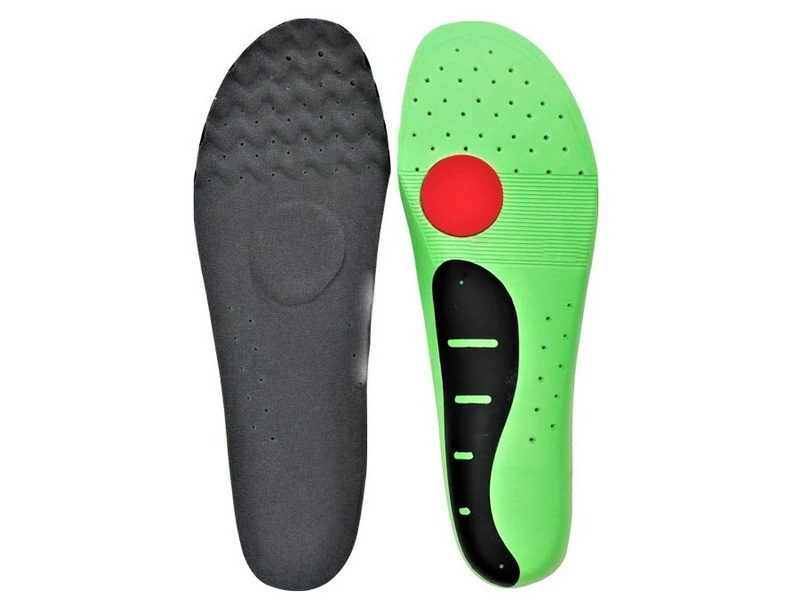
Sports insoles are no longer optional accessories; they have become a core component of performance footwear across multiple disciplines. The right insole can improve athletic output, reduce risk of injury, and extend the life of athletic shoes.
In Canada, where outdoor sports and fitness activities play a central role in daily life, the demand for high-quality insoles continues to soar. Whether for marathon running, hiking in the Rockies, or hockey training, the perfect insole provides a critical balance between comfort, posture correction, and energy efficiency.
Advanced insoles are designed using specialized materials and 3D contour mapping to distribute foot pressure evenly. Many now feature antimicrobial layers, advanced aeration systems, and specialized arch zones to improve circulation and breathability. The combination of comfort and biomechanical precision explains why so many footwear brands rely on professional insole suppliers to enhance product quality and customer satisfaction.
Canada's market for sports insoles has seen remarkable growth, and several unique factors contribute to this success:
1. Active Population: More than 70% of Canadians engage in some form of regular physical activity, which naturally increases the need for sports-oriented footwear accessories.
2. Harsh Climate Conditions: The Canadian winter demands insoles that provide insulation, moisture resistance, and slip prevention—driving innovation in material technology.
3. Healthcare Awareness: Orthopedic and podiatric health awareness campaigns have encouraged more consumers to invest in ergonomic and corrective insoles.
4. Eco-Conscious Consumption: Sustainability trends encourage sports insoles manufacturers and suppliers to embrace eco-friendly foams, cork, and recycled polymers.
5. E-commerce Expansion: Online marketplaces allow niche insole brands and global suppliers to reach Canadian consumers directly, fueling imports and OEM collaborations.
As a result, the country has become both a strong consumer base and a manufacturer-friendly environment for innovation.
Canada is home to numerous well-established and emerging companies focused on performance and comfort footwear. Below are some leading brands and producers recognized for their innovation, quality, and market influence.
Sidas is a global leader in custom sports insole technology with a strong presence in Canada. They specialize in tailor-made insoles using heat-moldable and 3D-printing techniques. Trusted by professional athletes, Sidas Canada emphasizes personalized comfort for sports like skiing, running, and cycling.
Superfeet is perhaps the most recognized name among sports insoles manufacturers and suppliers in North America. Their insoles feature medical-grade arch contours, advanced shock absorption, and moisture-wicking topsheets. The brand's strong presence in Canadian retail and sports stores makes them a top choice for durability and balance.
SOLE, founded in Vancouver, combines sustainability and innovation. They utilize cork-based and recycled-material insoles that can be customized via heat molding to shape perfectly to the wearer's foot. Their focus on eco-friendly production aligns with Canada's growing sustainability standards.
Footlogix began as a professional footcare company but has expanded into performance-oriented insoles. Their products integrate wellness science and sports comfort design, appealing to both athletes and consumers who seek preventive footcare in daily use.
In Ontario, Alberta, and British Columbia, numerous local workshops specialize in handcrafted orthopedic insoles. These small-scale producers collaborate with health professionals, providing custom therapeutic insoles to clinics and sports stores. Their craftsmanship complements mass-produced models by focusing on medical precision and local expertise.
While Canadian brands are highly respected for design and innovation, many rely on strategic partnerships with Chinese OEM insole manufacturers to handle large-scale production, cost optimization, and material innovation.
China is known for its world-class production capacity in the insole industry, supported by:
- Advanced EVA foam and PU gel molding facilities
- Stringent international quality control certifications (ISO, CE)
- Experience with custom branding, packaging, and logo embossing
- Broad access to diverse materials such as memory foam, latex, and environmentally friendly composites
- Precision engineering technologies, including CAD design and 3D printing
For Canadian brands, these collaborations enable flexible sourcing, shorter turnaround times, and brand-specific customization—all essential elements in today's competitive market. OEM partners from China adapt to Canadian regulations, temperature-resistance standards, and ergonomic demands, ensuring results that align with local preferences.
When comparing sports insoles manufacturers and suppliers, several performance indicators set industry leaders apart:
- Material Integrity: Premium materials such as memory foam, high-density EVA, and gel inserts hold their shape under stress.
- Biomechanical Precision: Proper arch support and heel stabilization prevent injury and enhance athletic efficiency.
- Customization Options: Leading factories offer tailored arch types, sizing ranges, and moisture-control features.
- Durability Testing: Resilience under long-term compression and temperature variation ensures lasting comfort.
- Eco-Responsibility: Environmentally conscious producers incorporate recycled content, biodegradable materials, and renewable resources into production.
These factors not only build consumer trust but also create long-lasting business relationships between OEM suppliers and global brands.
As a professional Chinese OEM insole manufacturer, we provide complete design-to-delivery solutions for international clients, including established Canadian brands and startups aiming to scale.
Our OEM and ODM services cover every stage:
- Concept development and 3D modeling
- Custom mold and tooling design
- Private labeling with brand-specific packaging
- Material sourcing (EVA, PU, latex, cork, TPU gel, bio-based foam)
- Pre-shipment inspection and quality assurance
This approach ensures global clients can seamlessly integrate new product lines without heavy investment in manufacturing infrastructure. For Canadian footwear companies, partnering with a proven Chinese supplier allows faster product launches and portfolio diversification, strengthening competitiveness in local and export markets.
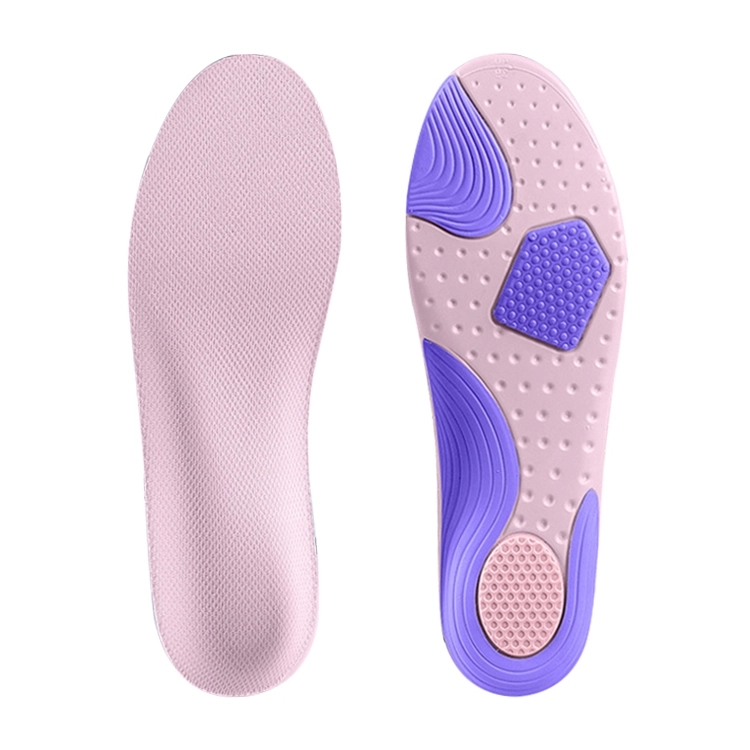
The Canadian insole market continues to evolve with technological advancement and sustainability priorities. Some of the most notable trends include:
1. Smart Insoles: Integration of sensors that monitor gait, impact pressure, balance, and energy transfer for real-time performance data.
2. Sustainable Materials: Recycled rubber, bamboo fiber, cork composites, and bio-based foams are increasingly used in manufacturing.
3. Medical Collaboration: Partnerships between orthotic labs and sports insole brands are driving innovation in posture correction technologies.
4. 3D Custom Manufacturing: Additive manufacturing allows customized insoles to be produced with precision for individual users or professional athletes.
5. Hybrid Comfort Systems: Combination of gel cushioning, air pockets, and biomechanical alignment supports all-terrain training in Canada's varied environment.
These innovations highlight how sports insoles manufacturers and suppliers are continually adapting to scientific progress and consumer lifestyle changes.
Choosing a supplier is a strategic step that determines product success. To identify a trustworthy manufacturer or OEM partner, brands should evaluate:
1. Production Capacity: Ensure the manufacturer can scale production without compromising quality.
2. Research & Development Support: Strong R&D centers can deliver innovation quickly and align with brand values.
3. Certification and Compliance: Look for ISO, REACH, and ROHS certifications to verify material safety and production standards.
4. Communication and Logistics: Clear communication channels and efficient shipping reduce project risk and delivery delays.
5. After-Sales Support: A good supplier provides long-term technical assistance, warranty management, and continuous material improvement.
Collaborating with the right supplier creates synergy—combining Canadian creativity with international manufacturing strength.
Environmental consciousness is now a defining quality for many sports insoles manufacturers and suppliers. Consumers expect ethical practices and eco-friendly materials, which drives the industry toward more sustainable production.
Insoles made from bio-based foams, cork composites, and recycled polymers not only reduce waste but also maintain durability and flexibility. Companies like SOLE lead this sustainable shift, while OEM factories in Asia increasingly adopt green manufacturing processes: waterless dyeing, recyclable packaging, and solar-powered operations.
Sustainability has moved beyond marketing—it is now an essential part of the value proposition for any insole brand competing in Canada's premium sports market.
Despite rapid growth, the industry still faces critical challenges that require constant adaptation:
- Price Competition: Balancing low-cost production with high-quality materials remains difficult.
- Supply Chain Volatility: Fluctuations in raw material costs and global logistics affect delivery schedules.
- Technology Access: Smaller local producers sometimes struggle to invest in the advanced equipment needed for innovation.
- Custom Regulations: Import and material safety standards can differ between regions, requiring compliance expertise.
- Market Saturation: Increasing competition from overseas brands pushes local manufacturers to find distinct value propositions.
Addressing these challenges through strategic planning and collaborations helps sustain business growth and consumer trust.
The forecast for Canada's sports insole market is promising, bolstered by continued investment in technology, fitness culture, and sustainability. Analysts predict that the market will maintain steady growth through 2030 as consumers show greater interest in personalized footwear experiences and biomechanical health.
Partnerships between local brands and global OEM manufacturers—especially Chinese factories offering superior cost-efficiency and customization—will play a vital role in expanding Canadian supply chains. Brands that integrate design innovation with functional comfort will hold a competitive edge.
As technology advances, we can expect to see smart insoles evolving into fitness trackers, posture monitoring devices, and personalized performance enhancers. The boundaries between medical orthotics and athletic footwear will continue to blur, defining a new era of intelligent sport accessories.
With its active population, advanced design capabilities, and eco-friendly culture, Canada has developed into a leading hub for sports insole innovation. Local brands, specialized orthopedic producers, and international OEM partners collectively strengthen the market through creativity and precision.
Collaboration between sports insoles manufacturers and suppliers in Canada and expert OEM factories in China ensures that consumers enjoy advanced comfort, consistent quality, and competitive pricing. As technology and sustainability define the next chapter of footwear evolution, the insole industry is poised to become more dynamic, data-driven, and customer-oriented than ever before.
Contact us to get more information!
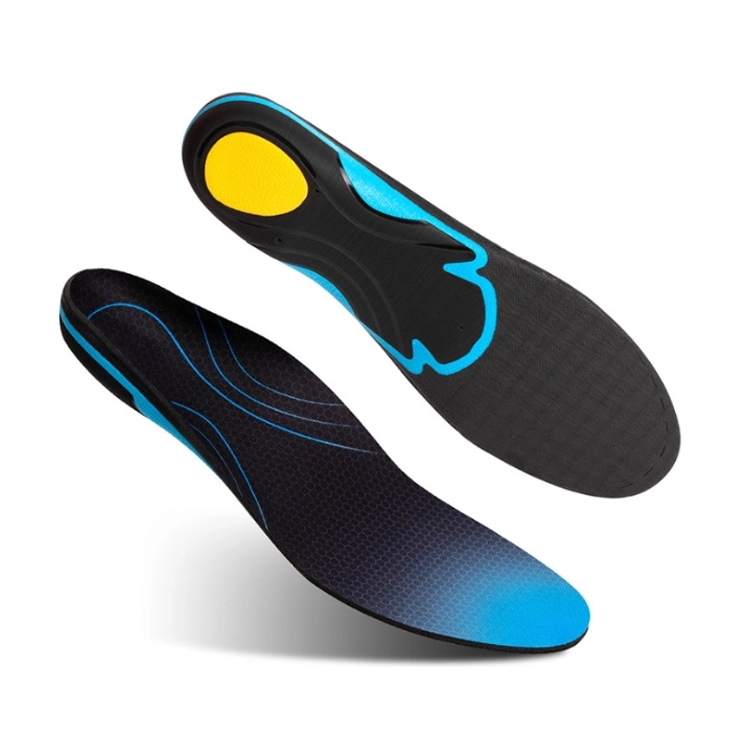
High-quality insoles typically use EVA foam, PU gel, memory foam, or cork composites for superior support, flexibility, and shock absorption. Modern eco-friendly variants include recycled foams and bio-based compounds.
Chinese OEMs provide customized insole production, private labeling, flexible batch sizes, and advanced material engineering at competitive prices—helping Canadian brands expand quickly with lower operational costs.
Yes. Properly designed insoles enhance energy transfer, stabilize foot alignment, and reduce fatigue, allowing athletes to train longer and more efficiently while lowering injury risks.
Absolutely. Modern eco-friendly materials, such as cork and bio-based foams, not only reduce environmental impact but also offer strong structural integrity and long-term resilience.
Key factors include quality control systems, production flexibility, certification compliance, and transparent communication. Suppliers with proven OEM experience in sports and orthopedic products are typically the most reliable.


