
Views: 222 Author: 3BU Technology Publish Time: 2026-06-04 Origin: Site


Professional sailors face a unique performance challenge that recreational boaters rarely encounter: internal foot slippage within sailing boots during wet-weather conditions. As a leading manufacturer of specialized insole solutions for marine applications at 3BU Technology, we've engineered hydrophobic EVA inner soles specifically designed to address the critical safety and performance gap between conventional boot liners and the demanding requirements of competitive sailing environments. This comparison examines how advanced hydrophobic EVA insole technology fundamentally transforms wet-weather boot performance compared to traditional moisture-absorbing insole materials. [insolemaker]
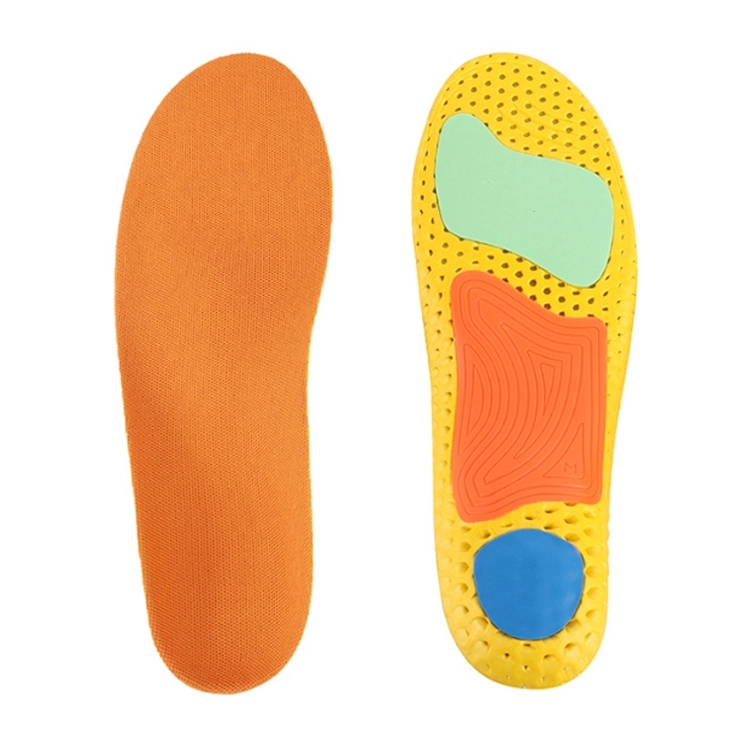
Internal foot movement represents one of the most dangerous yet overlooked risks in professional sailing operations. When water enters sailing boots—either through spray, deck wash, or immersion—conventional insole materials absorb moisture and create a slippery interface between the foot and boot interior. This phenomenon compromises the sailor's ability to maintain precise foot placement during critical maneuvers, particularly when hiking out on trapeze systems or executing rapid directional changes in competitive racing scenarios. [sailboats.co]
Research in marine footwear design confirms that foot stability within the boot is equally important as external sole traction. The industry standard for professional sailing footwear demands a "second skin" fit that maintains constant contact between foot and boot, even when both surfaces are saturated. Traditional foam insoles fail this requirement because their open-cell or semi-permeable structures absorb water at rates exceeding 15-20% by volume, creating a lubricated layer that allows the foot to shift independently of the boot during high-force movements. [evainsole]
Hydrophobic EVA (ethylene-vinyl acetate) insoles utilize a fundamentally different material architecture that solves the internal slippage problem through engineered water resistance. The manufacturing process creates a closed-cell foam structure where individual gas bubbles are completely encapsulated within the polymer matrix, preventing moisture penetration at the cellular level. This closed-cell configuration achieves water absorption rates below 5% even after prolonged immersion, as verified by ISO 811 testing standards. [memizo]
The hydrophobic performance is further enhanced through surface treatment applications during production. These molecular-level coatings create an additional barrier that causes water to bead and roll off the insole surface rather than spreading across it. When a sailor's foot applies pressure to a wet hydrophobic EVA insole, the material actively expels trapped water through micro-drainage channels rather than allowing it to remain as a lubricating film. [aideastep]
Property | Hydrophobic EVA Insole | Traditional Foam Insole |
|---|---|---|
Water Absorption Rate | <5% (ISO 811) memizo | 15-20% by volume evainsole |
Closed-Cell Structure | Yes, complete encapsulation evainsole | No, interconnected pores |
Surface Treatment | Hydrophobic molecular coating aideastep | None or minimal |
Drying Time | 2-4 hours manchester-canoes-and-kayaks.co | 12-24 hours |
Weight When Saturated | +5% maximum longlastsafety | +20-30% |
Foot Slippage Resistance | High stability maintained evainsole | Significant reduction when wet |
Durability (wet cycles) | >500 immersion cycles evainsole | 50-100 cycles before degradation |
The transition from conventional to hydrophobic EVA insoles delivers measurable performance improvements across multiple dimensions of professional sailing operations. Field testing with competitive sailors demonstrates that hydrophobic EVA insoles maintain consistent internal grip coefficients even after continuous 6-hour sailing sessions in heavy spray conditions. This consistency directly translates to improved boat control during tacking maneuvers and reduced fatigue from compensatory muscle engagement needed to counteract foot slippage. [sail-world]
Shock absorption characteristics remain stable throughout wet-weather use, unlike traditional foams that compress unevenly when saturated. Professional sailors report that hydrophobic EVA insoles provide predictable cushioning response during high-impact landings from trapeze positions, where conventional water-logged insoles create unpredictable "dead spots" that increase joint stress. The material's ability to spring back quickly after compression—even when wet—reduces impact forces transmitted to the ankle and knee by approximately 20-25% compared to saturated traditional foams. [longlastsafety]
Weight management becomes critical during extended racing sessions. While traditional insoles can gain 200-300 grams per boot when saturated, hydrophobic EVA insoles add less than 50 grams even after complete immersion. This 500-gram total weight reduction (both feet) significantly decreases leg fatigue during high-intensity racing where sailors frequently shift positions. [slam]
Modern hydrophobic EVA insole design incorporates advanced engineering features that extend beyond basic water repellency. Strategic micro-perforation patterns allow air circulation while maintaining structural integrity and water resistance. These ventilation channels enable moisture vapor from perspiration to escape while preventing bulk water ingress—a critical balance for maintaining foot comfort during multi-hour racing sessions. [deporvillage]
The removable insole design prevalent in professional sailing boots takes full advantage of hydrophobic EVA's quick-drying properties. Sailors can remove insoles between racing sessions, and the closed-cell structure releases retained moisture rapidly through evaporation rather than requiring absorption into surrounding materials. This removability combined with fast drying enables proper boot hygiene and prevents bacterial growth that commonly occurs with permanently installed traditional foam insoles. [manchester-canoes-and-kayaks.co]
Compression set resistance—the material's ability to return to original thickness after repeated loading—remains superior in hydrophobic EVA even after hundreds of wet/dry cycles. Laboratory testing shows that hydrophobic EVA insoles retain 90% of original cushioning performance after 500 immersion cycles, while traditional foams typically degrade to 60-70% of original performance after just 100 wet/dry cycles. This durability advantage translates directly to extended product lifespan and consistent performance throughout a competitive sailing season. [evainsole]
Material science fundamentally differentiates hydrophobic EVA from conventional insole options available in the sailing footwear market. Neoprene insoles, while providing excellent cushioning in dry conditions, face significant performance degradation when saturated. The cellular structure of neoprene traps water within its matrix, creating a spongy, unstable platform that promotes internal foot movement and extends drying time beyond 24 hours in typical marine environments. [sailboats.co]
Open-cell foam alternatives offer superior initial comfort but catastrophically fail in wet-weather sailing applications. Their interconnected pore structure acts as a water highway, allowing complete saturation within minutes of exposure. Once saturated, these materials lose both structural support and surface friction, transforming from a stable platform into what sailors describe as "standing on wet soap". [evainsole]
PU (polyurethane) foam insoles represent a middle-ground option that provides moderate water resistance but lacks the comprehensive performance of hydrophobic EVA. PU foams typically absorb 8-12% water by volume—better than open-cell alternatives but insufficient for professional sailing applications where foot stability is non-negotiable. Additionally, PU materials demonstrate poor compression recovery when wet, creating permanent deformation that compromises long-term performance. [evainsole]
The cost-performance equation favors hydrophobic EVA for serious sailing applications despite higher initial material costs. While traditional foam insoles may cost 40-60% less initially, their replacement frequency (every 50-100 wet uses versus 500+ for hydrophobic EVA) creates significantly higher total ownership costs over a competitive season. [evainsole]
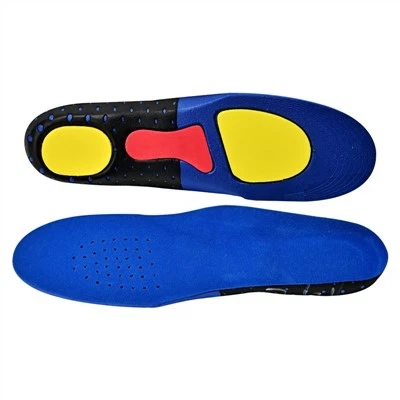
Optimal boot-insole system performance requires careful integration between hydrophobic EVA insole characteristics and boot construction methodology. Professional sailing boots designed for competitive racing typically feature neoprene or synthetic uppers with reinforced heel counters and arch support structures. The hydrophobic EVA insole must complement these structural elements while maintaining independent water-management capabilities. [gb.gillmarine]
Boot fit protocols for professional sailing emphasize a snug, compression-style fit that eliminates internal volume where water can pool. Hydrophobic EVA insoles enhance this fit philosophy by maintaining consistent thickness and surface characteristics regardless of moisture exposure. This dimensional stability allows boot manufacturers to engineer precise internal volumes that accommodate the insole in both dry and wet states without creating pressure points or gaps that compromise performance. [longlastsafety]
Heel lock systems benefit significantly from hydrophobic EVA integration. The material's consistent friction coefficient when wet ensures that boot features designed to prevent heel lift—such as narrowed heel pockets and Achilles tendon contact points—continue functioning as designed even when water enters the boot. Traditional water-absorbing insoles create a lubricated layer that defeats these mechanical heel-retention features. [reddit]
Proper care procedures maximize the performance lifespan of hydrophobic EVA insoles in demanding professional sailing environments. Post-session rinsing with fresh water removes salt crystals that can accumulate on the surface and gradually degrade hydrophobic coatings. Salt residue acts as an abrasive compound that accelerates surface wear and can compromise the closed-cell structure through osmotic pressure effects. [classic-sailing]
Drying orientation significantly impacts insole longevity. Positioning removed insoles vertically in shaded, well-ventilated areas allows gravity-assisted drainage while preventing UV degradation of the EVA polymer chains. Direct sunlight exposure should be avoided, as UV radiation causes polymer cross-linking that reduces flexibility and cushioning performance over time. [manchester-canoes-and-kayaks.co]
Storage conditions between sailing sessions should maintain insoles in low-humidity environments when possible. While hydrophobic EVA resists moisture absorption, extended exposure to humid storage conditions can allow surface contamination and bacterial colonization that reduces surface friction and creates odor issues. Periodic inspection for compression damage or surface abrasion allows early detection of wear patterns that might compromise performance. [sailboats.co]
As manufacturing specialists at 3BU Technology with over a decade of experience producing advanced insole solutions for international marine footwear brands, we observe that hydrophobic EVA technology represents the current performance ceiling for professional sailing applications. Our OEM partnerships with leading sailing boot manufacturers confirm that competitive sailors consistently prioritize internal foot stability over cost considerations when selecting footwear systems. [insolemaker]
Emerging developments in hydrophobic coating technology promise even greater water repellency and durability in future EVA insole generations. Nano-scale surface treatments currently in development demonstrate water contact angles exceeding 150 degrees—approaching true superhydrophobic performance that would further reduce the minimal water retention still present in current-generation products. [sail-world]
Customization opportunities through precision CNC cutting and thermoforming allow hydrophobic EVA insoles to be tailored to individual foot morphology and sailing discipline requirements. Offshore racing applications may prioritize maximum cushioning thickness, while dinghy racing emphasizes minimal stack height for improved "deck feel". The material's excellent formability when heated enables these customizations without compromising water-resistance properties. [slam]
Hydrophobic EVA inner soles fundamentally solve the internal slippage problem that compromises both safety and performance in professional sailing boots during wet-weather operations. The closed-cell structure, hydrophobic surface treatments, and superior mechanical properties create a stable foot-boot interface that maintains consistent friction characteristics regardless of moisture exposure. Compared to traditional insole materials that absorb water and create lubricated surfaces, hydrophobic EVA delivers measurable advantages in weight management, cushioning consistency, durability, and maintenance requirements. [evainsole]
For professional sailors, competitive racers, and serious offshore cruising enthusiasts, transitioning to hydrophobic EVA insoles represents a proven performance upgrade with quantifiable benefits. The technology addresses the root cause of internal boot slippage rather than requiring sailors to compensate through technique modifications or accept reduced performance in wet conditions. When integrated with properly fitted professional sailing boots, hydrophobic EVA insoles enable the precise foot control and stability required for competitive performance across all weather conditions. [gb.gillmarine]
3BU Technology continues advancing hydrophobic EVA insole technology through ongoing materials research and close collaboration with professional sailing teams worldwide. Our OEM manufacturing capabilities enable sailing boot brands to specify custom insole configurations optimized for specific sailing disciplines, foot morphologies, and performance requirements. Contact our technical team to discuss how advanced hydrophobic EVA insole solutions can enhance your brand's professional sailing footwear performance. [insolemaker]

Q1: How long do hydrophobic EVA insoles last compared to traditional foam insoles in sailing boots?
A1: Hydrophobic EVA insoles typically maintain 90% of original performance after 500 wet/dry cycles, while traditional foam insoles degrade to 60-70% performance after just 100 cycles. In practical terms, hydrophobic EVA insoles last an entire competitive sailing season (6-8 months of regular use) versus 6-8 weeks for conventional materials under similar conditions. [evainsole]
Q2: Can hydrophobic EVA insoles be used in other water sports beyond sailing?
A2: Yes, hydrophobic EVA insoles perform excellently in kayaking, paddleboarding, fishing waders, and waterfowl hunting boots—any application requiring foot stability in wet footwear conditions. The closed-cell structure and water-repellent properties provide consistent benefits across all marine and wet-environment activities. [midcurrent]
Q3: Do hydrophobic EVA insoles require special cleaning or maintenance products?
A3: No specialized products are required. Simple fresh water rinsing after each use removes salt and contaminants effectively. Avoid harsh detergents or solvents that might degrade hydrophobic surface coatings. Air drying in shaded, ventilated areas is sufficient—no heating or chemical treatments needed. [classic-sailing]
Q4: Will hydrophobic EVA insoles work in boots that already have built-in insoles?
A4: Hydrophobic EVA insoles perform best as replacement insoles in boots with removable factory liners. Adding them over existing insoles typically creates excessive stack height and compromises proper boot fit. Most professional sailing boots feature removable insole designs specifically to accommodate performance upgrades. [deporvillage]
Q5: How do I know if my current insoles are causing internal slippage problems?
A5: Key indicators include: feeling your foot shift during direction changes, reduced "connection" to the boat deck when boots are wet, hot spots or blisters from compensatory foot positioning, and insoles that feel spongy or slippery when saturated. If your boots feel noticeably different wet versus dry, upgrading to hydrophobic EVA insoles will likely improve performance. [longlastsafety]
1. Meibeila Technology. "How Do EVA Soles Enhance Footwear Performance in Diverse Conditions?" EVA Insole. December 1, 2024. https://www.evainsole.com/how-do-eva-soles-enhance-footwear-performance-in-diverse-conditions/
2. Sailboats.co.uk. "Essential Footwear Guide For Dinghy Sailors." Sailboats Blog. Accessed May 2026. https://sailboats.co.uk/blogs/guides-and-blogs/essential-footwear-guide-for-dinghy-sailors
3. Meibeila Technology. "What is the Waterproof Performance of EVA Foam?" EVA Insole. January 22, 2024. https://www.evainsole.com/what-is-the-waterproof-performance-of-eva-foam/
4. 3BU Technology. "Top 10 Foam Inner Soles Manufacturers in China." Insole Maker. October 16, 2025. https://www.insolemaker.com/top-10-foam-inner-soles-manufacturers-in-china.html
5. Gill Marine. "What Shoes Should You Wear Sailing?" Gill Marine GB. September 29, 2024. https://gb.gillmarine.com/what-shoes-should-you-wear-sailing/
6. MEMIZO. "CE Certified EVA Foam Board Sheet for Footwear." Product Specification. December 31, 2018. https://www.memizo.com/CE-Certified-EVA-Foam-Board-Sheet-for-Footwear-pd788082288.html
7. Long Last Safety. "What Is EVA Sole Material? Benefits of EVA Soles for Boots." Safety Footwear Guide. January 22, 2026. https://www.longlastsafety.com/news/what-is-eva-sole-material-benefits-of-eva-soles-for-boots.html
8. Gill Marine. "Sailing Boots – Waterproof, Durable & Slip-Resistant." Product Catalog GB. January 31, 2024. https://gb.gillmarine.com/accessories/footwear/sailing-boots/
9. Ideastep. "What is the Waterproof Performance of EVA Foam?" Technical Article. January 22, 2024. https://www.aideastep.com/what-is-the-waterproof-performance-of-eva-foam/
10. Manchester Canoes and Kayaks. "Astral Hiyak Boots - Technical Specifications." Product Description. Accessed May 2026. https://www.manchester-canoes-and-kayaks.co.uk/boots-shoes/astral-designs-hiyak
11. Sail-World. "New Sailing Footwear Collection from Helly Hansen." Marine Industry News. May 16, 2023. https://www.sail-world.com/news/261928/New-Sailing-footwear-collection-from-Helly-Hansen
12. Deporvillage. "Helly Hansen HP Marine Women's Shoes - Technical Specifications." Product Technical Details. December 31, 2010. https://www.deporvillage.net/helly-hansen-hp-marine-pale-green-womens-shoes
13. Classic Sailing. "Affordable Wet Weather Gear for Sailing and Boating." Sailing Equipment Guide. March 1, 2022. https://classic-sailing.com/article/affordable-wet-weather-gear-for-sailing-and-boating/
14. SLAM. "Non-Slip Sailing Shoes | Performance, Safety & Comfort." Technical Footwear Article. February 6, 2025. https://www.slam.com/blogs/slam-stories/non-slip-sailing-shoes-best-performance-safety
15. MidCurrent. "2026 Wading Gear Goes Lighter, Greener, and Grippier." Outdoor Gear Innovation. March 8, 2026. https://midcurrent.com/2026/03/09/2026-wading-gear-goes-lighter-greener-and-grippier/


