


Content Menu
● How Memory Foam Insoles Work
● Key Benefits of Memory Foam Insoles
>> Personalized Comfort and Fit
>> Support for Posture and Alignment
>> Versatile Comfort for Different Users
● Types of Memory Foam Insoles
>> Full-Length Memory Foam Insoles
>> Three-Quarter Length Insoles
>> Gel-Infused Memory Foam Insoles
>> Orthopedic and Arch-Support Memory Foam Insoles
● Memory Foam vs Other Insole Materials
● Common Applications in Footwear
>> Casual and Fashion Footwear
>> Orthopedic and Medical Footwear
>> OEM and Private Label Projects
● How to Choose the Right Memory Foam Insole
>> Consider Shoe Type and Space
>> Match Your Foot Shape and Arch Type
>> Look for Breathability and Hygiene Features
>> Evaluate Durability and Replacement Cycle
● Proper Use, Care, and Maintenance
● Comfort, Performance, and User Experience
● Sustainability and Material Innovation
● Working With a Professional OEM Memory Foam Insole Manufacturer
● FAQ
>> 1. How long do memory foam insoles usually last?
>> 2. Can memory foam insoles help with foot pain?
>> 3. Are memory foam insoles suitable for sports and running?
>> 4. Do memory foam insoles make shoes too tight?
>> 5. Can memory foam insoles be customized for brands and wholesalers?
Memory foam insoles have become one of the most popular comfort upgrades in modern footwear. From casual sneakers to professional work boots, more brands are adding memory foam insoles to improve cushioning and support. For consumers, they offer a simple way to transform an ordinary pair of shoes into a more comfortable, supportive, and personalized fit.
This article explains what memory foam insoles are, how they work, their key benefits, types, applications, and how to choose and care for them. It is written especially for international brands, wholesalers, and footwear manufacturers who want to better understand this material for OEM or private label projects.
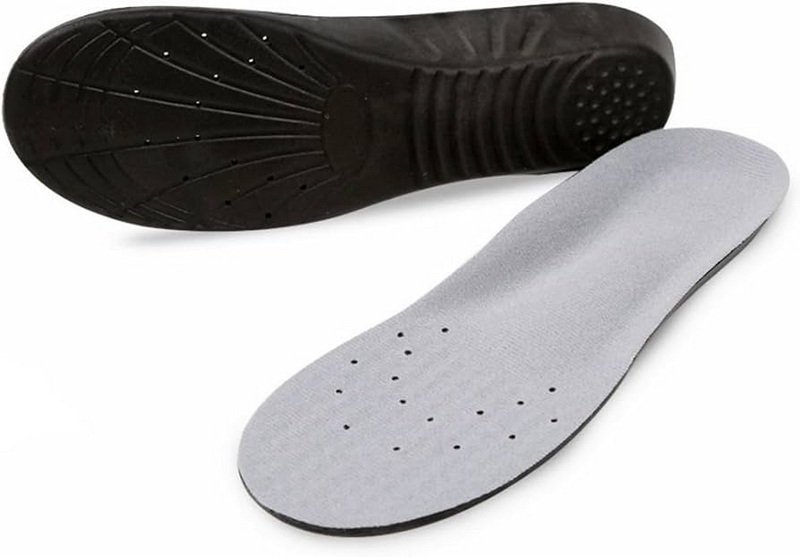
Memory foam, often called viscoelastic foam, is a type of polyurethane foam created to respond to both heat and pressure. When you step on memory foam, the material slowly compresses and molds itself around the unique shape of your foot. When you remove the pressure, the foam gradually returns to its original form.
This slow response and “memory” effect come from its special open-cell structure. The cells deform under weight, then recover when the load is gone. The result is a material that offers deep cushioning, contouring comfort, and very efficient pressure distribution.
Because of these characteristics, memory foam is widely used not only in insoles, but also in mattresses, pillows, seat cushions, and protective padding. In footwear, it provides a soft, supportive platform that adapts to the user's foot and movement patterns.
When you place your foot on a memory foam insole, three main reactions occur at the same time.
First, the foam reacts to body heat. As it warms slightly, it softens and becomes more pliable. Second, the foam responds to pressure from your body weight, compressing more under heavier areas such as the heel and forefoot. Third, the foam's cells gradually adjust to create an even contact surface between your foot and the insole.
This combination produces a custom-like fit. Instead of your foot adapting to a hard, flat surface, the surface adapts to your foot. This reduces concentrated pressure points and spreads weight more evenly across the entire plantar area. With each step, the foam compresses and rebounds, absorbing part of the impact before it travels up to the ankles, knees, hips, and lower back.
Many advanced memory foam insoles also include:
- A top fabric layer for moisture wicking and skin comfort
- A breathable or perforated structure for better airflow
- An additional stabilizing base layer to prevent excessive collapse
Together, these layers create a balance between softness, support, and durability.
One of the biggest advantages of memory foam insoles is personalized comfort. Because the foam molds to the contours of your feet, each user experiences a slightly different, customized feel. This is especially important for people whose feet are not perfectly symmetrical or who have unique shapes, such as wider forefeet or narrow heels.
Over a short break-in period, the insoles adapt to your footprint. This close contact helps reduce friction in certain areas, which can lower the risk of hotspots and blisters.
Many people experience localized pain in the heel, ball of the foot, or arch due to long hours of standing or walking. Memory foam insoles help spread pressure across a larger surface area, reducing the intensity at any single point. This can bring noticeable relief for users who feel pressure in specific zones when wearing standard insoles.
By redistributing load, memory foam can also help minimize discomfort in users who have mild foot alignment issues or uneven weight bearing patterns.
Every step generates impact forces that travel through the foot and up the leg. Over time, these repeated shocks can lead to fatigue and discomfort. Memory foam insoles work as a shock absorber, compressing under force and then slowly returning to shape. This softness helps to reduce the stress transmitted to joints and soft tissues.
For people who walk on hard surfaces, such as concrete factory floors or city pavements, this extra shock absorption can significantly improve overall comfort at the end of the day.
While memory foam itself is soft and cushioning, it still contributes to better posture and alignment when designed correctly. By filling the gaps under your foot and supporting the arch region more evenly, the foam helps your feet maintain a more natural position inside the shoe.
When the feet are positioned correctly, the ankles, knees, hips, and spine are more likely to stay aligned during walking and standing. Over time, this may reduce general fatigue and certain types of strain that come from poor posture.
Memory foam insoles are suitable for a wide range of users, including:
- Office workers who sit and stand throughout the day
- Warehouse and factory workers on hard floors
- Retail staff and hospitality employees who stand for long shifts
- Students and commuters who walk long distances
- Casual exercisers who want more comfort in walking or light running shoes
This versatility makes them an attractive option for brands designing footwear for broad target groups.
Memory foam insoles are available in many structures and configurations. Choosing the right type can greatly influence the final comfort experience.
Full-length insoles extend from heel to toe and are designed to completely replace the original insoles in the shoe. They are very popular in sports shoes, casual sneakers, hiking shoes, and work boots. Full-length designs provide uniform cushioning under the entire foot, making them ideal for users who want all-around comfort.
Three-quarter insoles cover the heel and arch but stop before the toes. They are helpful when there is limited space in the front of the shoe, such as in dress shoes, formal leather shoes, or narrow fashion footwear. These insoles focus on stability and heel cushioning while leaving more room for the toes.
Some memory foam designs target only the heel area. Heel cups and pads offer extra cushioning under the heel bone, which is useful for people who experience heel soreness or who stand on hard surfaces for many hours. These can be added to many shoe types without significantly affecting fit.
Gel-infused memory foam combines the contouring features of memory foam with the cooling and responsive properties of gel. Small gel particles or layers are added into or beneath the foam to improve temperature regulation and resilience. This design aims to prevent overheating and maintain a more stable feel over time.
These insoles integrate memory foam with shaped arch structures or firmer support frames. They are intended for users with foot conditions like mild flat feet, overpronation, or plantar fasciitis. The memory foam offers surface comfort, while the internal structure provides more targeted support in the arch and heel areas.

To better understand the strengths of memory foam insoles, it is useful to compare them with common alternatives such as standard foam, gel, and leather.
- Traditional foam insoles are usually lighter and firmer but do not contour as closely to the foot.
- Gel insoles provide excellent shock absorption and a springy feel, but they may be heavier and less adaptive in shape.
- EVA insoles are durable and supportive, popular in sports footwear, but can feel harder underfoot compared to memory foam.
- Leather insoles are breathable and long lasting, making them suitable for dress shoes, yet they typically offer less cushioning.
Many modern products use a hybrid structure. For example, a memory foam top layer for comfort can be combined with a firm EVA or rubber base for stability and longevity. This layered construction allows brands to fine-tune the balance between softness, support, and durability according to their target customers.
Memory foam insoles can be integrated into almost every category of footwear.
In running shoes, walking shoes, and training footwear, memory foam insoles are used to reduce impact, improve comfort, and support light to moderate activities. While professional athletes sometimes prefer firmer, more responsive insoles, many everyday users enjoy the soft, cushioned feel that memory foam provides during casual sports and fitness routines.
In industrial, construction, and warehouse environments, workers often stand and walk on hard surfaces for extended periods. Memory foam insoles in safety boots and work shoes can help relieve foot fatigue and joint strain, contributing to better comfort over long shifts. When combined with anti-slip outsoles and protective toe caps, they form part of a comprehensive comfort and safety system.
Lifestyle sneakers, loafers, and casual shoes frequently use memory foam insoles as a selling point. Brands emphasize the immediate step-in comfort and “cloud-like” feel to appeal to consumers who value comfort in daily life. For fashion footwear, three-quarter or slim memory foam insoles are often adopted so they do not compromise the shoe's appearance or interior space.
In medical and orthopedic shoes, memory foam is used to reduce pressure on sensitive areas, such as in cases of diabetes-related foot problems or chronic pain. These insoles are often combined with specialized shapes, heel cups, and arch supports to achieve both comfort and corrective functions.
Many international footwear brands and importers cooperate with experienced manufacturers to develop custom memory foam insoles. In OEM projects, buyers can specify foam density, thickness, hardness, surface fabric, and additional features such as anti-bacterial treatment or deodorizing technology. This level of customization helps align the insole with the brand's comfort philosophy and market positioning.
Selecting suitable memory foam insoles involves balancing comfort, fit, and performance requirements.
Different shoes have different interior volumes. Running shoes usually offer more room for thicker insoles, while dress shoes and low-profile sneakers may require thinner or partial-length versions. Before choosing, check how much space is available. An insole that is too thick can make the shoe feel tight and uncomfortable.
People have different arch types: low, medium, and high. Some memory foam insoles are flat and focus mainly on cushioning, while others incorporate built-in arch shapes. If you have a low arch or flat foot, a design with moderate arch support may help maintain better alignment. If you have a high arch, you may need a slightly deeper contour to fill the gap under your midfoot.
Not all memory foam feels the same. Softer foam provides a plush, sinking sensation, ideal for light activities and casual wear. Denser foam offers more support and resilience, better for heavier users or more demanding work environments. When developing OEM products, brands often test several densities to find the best balance for their target customers.
Because memory foam can hold heat, it is important to choose insoles with breathable designs. Ventilation holes, mesh fabric covers, moisture-wicking textiles, and anti-odor treatments can all improve the user experience. These features help keep feet drier and fresher, especially in warm climates or during extended wear.
Even high-quality memory foam will compress gradually with long-term use. When selecting insoles or designing a product line, consider the expected replacement period. For everyday users, a lifespan of several months of regular wear is reasonable. Clear guidance on replacement intervals helps customers maintain consistent comfort and support.
Correct use and simple maintenance can extend the functional life of memory foam insoles.
First, ensure a proper fit. When installing full-length insoles, many products provide cutting guides so users can trim the edges to match their shoe size. Cutting should be done carefully, a little at a time, to avoid removing too much material.
Second, practice regular airing. After daily wear, it is a good habit to remove the insoles from the shoes to let them dry naturally at room temperature. This reduces moisture buildup and helps prevent unpleasant odors.
Third, clean them gently when necessary. Hand wash the surface with mild soap and lukewarm water, then rinse and squeeze out excess water without twisting. Lay them flat to air dry. Avoid using washing machines, dryers, or direct sunlight, because high heat may damage the foam structure.
Finally, observe changes in thickness and comfort. If the insoles no longer rebound well, feel overly flat, or show visible damage, it is time to replace them to maintain the intended level of cushioning and support.
From the user's perspective, the real value of memory foam insoles lies in daily comfort and fatigue reduction. Many people report that shoes with memory foam feel softer on first step-in and more forgiving over long days. They notice less soreness in the heel and forefoot and feel that their footwear is more enjoyable to wear for longer periods.
For brands and wholesalers, this positive experience often translates into better reviews, lower return rates due to comfort issues, and stronger customer loyalty. When the insole design is matched correctly with the shoe style and target user, memory foam becomes a powerful differentiator in a competitive market.
As environmental awareness grows, more companies pay attention to the sustainability of insole materials. Traditional memory foam is based on petrochemical components, but newer approaches include partially bio-based polyols, recycled content, and more efficient production processes that reduce waste.
Eco-conscious brands can work with manufacturers to explore memory foam formulations that incorporate renewable resources or recycled materials while maintaining key performance features. In addition, using durable, high-quality insoles that last longer also contributes to reduced product waste over time.
For international buyers, asking suppliers about material certifications, quality management systems, and environmental standards is an important step in building a responsible supply chain.
For foreign brands, wholesalers, and shoe producers, cooperating with a professional memory foam insole manufacturer brings several advantages. Experienced suppliers can:
- Recommend suitable foam densities and structures according to your market and price level
- Provide sampling and testing support during product development
- Customize shapes, surface fabrics, colors, and branding elements
- Implement strict quality control to ensure consistency between batches
- Offer flexible order quantities and packaging options for different channels
A reliable partner helps shorten development cycles, control costs, and maintain high comfort standards across your entire footwear portfolio.
Memory foam insoles have become a core comfort feature in modern footwear, thanks to their ability to contour to the foot, absorb shock, and relieve pressure. By adapting to each user's unique shape, they deliver a more personalized and enjoyable wearing experience than many traditional insole materials.
For consumers, memory foam insoles can make long days of standing, walking, or light activity much more comfortable. For brands, wholesalers, and manufacturers, they represent a valuable tool to upgrade product lines, increase customer satisfaction, and build a strong comfort-focused reputation.
When carefully chosen, correctly designed, and properly maintained, memory foam insoles can significantly enhance the performance and perceived value of almost any type of shoe.
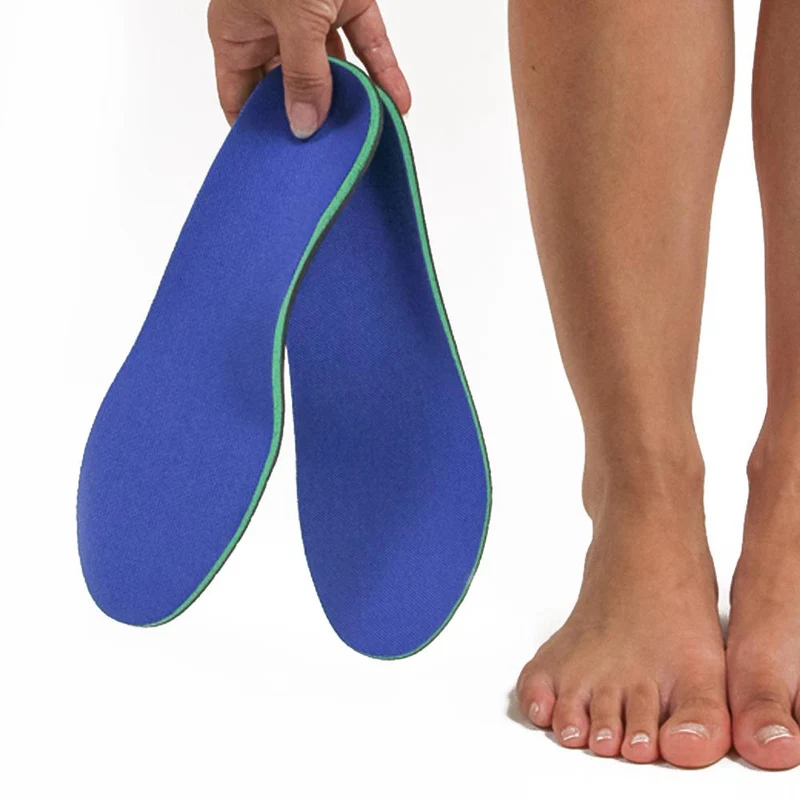
In normal daily use, quality memory foam insoles generally last several months before noticeable compression occurs. The exact lifespan depends on body weight, activity level, shoe type, and care. When they feel flat, offer less cushioning, or show cracks, they should be replaced to maintain comfort and support.
Memory foam insoles can help reduce discomfort caused by pressure and impact by distributing weight more evenly across the foot. Many users with tired feet, mild heel pain, or general soreness feel better with this type of cushioning. However, serious or persistent foot problems should always be evaluated by a medical professional.
Memory foam insoles are suitable for walking, light jogging, and general fitness activities, especially for users who prioritize softness and comfort. For high-performance running or intense sports, some athletes prefer firmer, more responsive insoles. The best choice depends on personal preference, running style, and training intensity.
If the insole is too thick for the shoe, it can reduce internal space and make the fit feel tight. To avoid this, choose a thickness that matches the shoe design and remove the original insole before inserting the new one. Three-quarter designs and slim versions are helpful for low-profile or narrow shoes.
Yes. Professional manufacturers can customize memory foam insoles according to brand requirements. Custom options include shape, size range, thickness, foam density, surface fabric, color, logo printing, and packaging. This allows international brands, wholesalers, and shoe factories to integrate unique comfort features into their own product lines.


