


Content Menu
● Understanding Orthotic Insoles
● The Science Behind Orthotic Insoles
>> 2. Prefabricated Orthotic Insoles
>> 4. Diabetic Orthotic Insoles
>> 5. Work and Safety Orthotic Insoles
● Materials Used in Orthotic Insoles
● Benefits of Orthotic Insoles
>> 3. Enhanced Athletic Performance
● Choosing the Right Orthotic Insoles
● Orthotic Insoles Manufacturing and OEM Services
● Future Trends in Orthotic Insoles
>> 1. What are orthotic insoles used for?
>> 2. Can orthotic insoles fit into any type of shoe?
>> 3. How often should orthotic insoles be replaced?
>> 4. Are orthotic insoles only for people with foot problems?
>> 5. How can I tell if I need orthotic insoles?
Orthotic insoles are specially designed shoe inserts that provide biomechanical support, posture correction, and long-lasting comfort to the feet. They go beyond ordinary cushioning insoles by addressing specific foot alignment problems and redistributing weight more efficiently. As modern lifestyles demand more from our bodies—walking, running, and standing for long hours—orthotic insoles have become essential for maintaining foot health and preventing chronic pain.
As a professional orthotic insole manufacturer based in China, we supply OEM and ODM orthotic insoles to international footwear brands, wholesalers, and distributors around the world. This article explains everything you need to know about orthotic insoles—their science, types, materials, benefits, and how to choose the right pair.
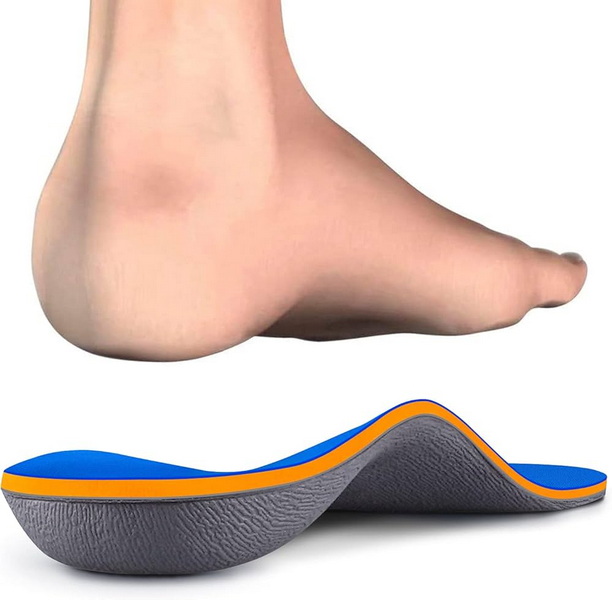
An orthotic insole is a supportive insert placed inside a shoe to improve foot alignment and reduce strain caused by irregular biomechanics. Unlike regular insoles, which are mainly designed for softness or comfort, orthotic insoles focus on function. They help to stabilize the heel, support the arch, and control the motion of the foot during walking or running.
Orthotic insoles can benefit people suffering from conditions such as flat feet, plantar fasciitis, overpronation, heel pain, and even knee or back discomfort. When the feet are correctly aligned, the whole musculoskeletal chain—from ankles to hips—functions more efficiently. This makes orthotic insoles valuable not only for medical correction but also for enhancing daily comfort.
Orthotic insoles are developed using biomechanics—the science of how human movement affects muscles, joints, and bones. When the foot becomes imbalanced, excessive stress is transmitted upward, leading to aches and fatigue across the legs, hips, and spine. Orthotic insoles help restore balance by redistributing pressure points and improving stability.
They control two common gait issues:
- Overpronation: When the foot rolls inward excessively while walking.
- Supination: When the foot rolls outward, putting extra pressure on the outer edge.
By correcting these patterns, orthotic insoles prevent injuries such as shin splints, Achilles tendonitis, and plantar fasciitis. This scientific approach to foot support explains why athletes, workers, and even office professionals benefit from wearing orthotic insoles daily.
There is no one-size-fits-all solution; orthotic insoles come in various types to meet specific performance or medical needs.
These are individually made based on digital scans or molds of a person's feet. Medical professionals design them to correct unique structural problems, making them ideal for chronic conditions or anatomical deformities. Custom orthotics may cost more but provide the highest level of precision and comfort.
Prefabricated or off-the-shelf orthotic insoles are mass-produced in standard sizes. They offer reliable support at affordable prices and can be used for light arch problems or everyday wear. Many OEM orthotic insole factories in China specialize in producing prefabricated models for international footwear brands.
Sports orthotic insoles are designed for athletes or active individuals. They feature enhanced shock absorption, arch stabilization, and energy return to improve performance while preventing injuries caused by repetitive stress.
These insoles are crafted for people with diabetes who experience reduced foot sensitivity or neuropathy. They focus on reducing pressure points, moisture buildup, and friction to prevent ulcers or skin irritation.
For employees who stand for long hours, such as factory workers or healthcare professionals, these insoles provide anti-fatigue cushioning and durable support. They also enhance balance and reduce lower back pain.
The performance of an orthotic insole largely depends on its materials. Manufacturers use a variety of high-quality materials to achieve optimal comfort, flexibility, and resilience.
- EVA Foam (Ethylene Vinyl Acetate): Lightweight and excellent for shock absorption, commonly used for sports and everyday insoles.
- PU Foam (Polyurethane): More resilient and long-lasting, ideal for work footwear needing consistent support.
- Gel: Provides additional cushioning for the heel and forefoot, minimizing impact stress.
- Carbon Fiber or Rigid Plastic: Used in corrective orthotics requiring stability and strength.
- Memory Foam: Adapts to the user's foot shape, delivering personalized support.
- Leather or Fabric Cover: Enhances comfort, breathability, and odor control for extended use.
Modern orthotic insole manufacturers often combine multiple materials for layered structures that balance flexibility, breathability, and correction.
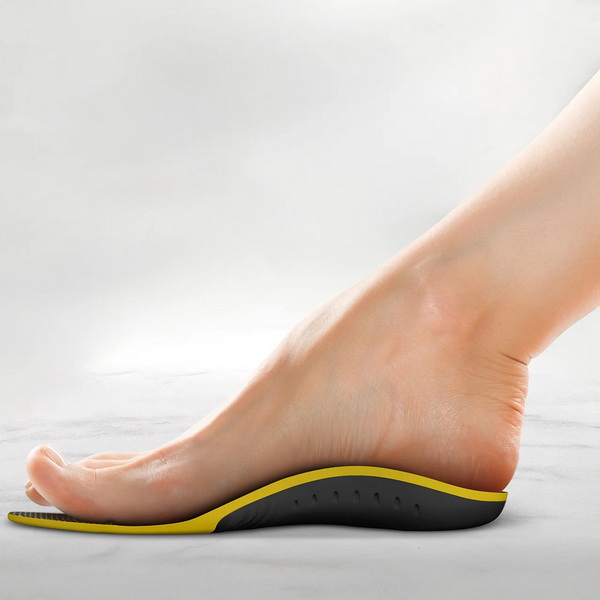
The advantages of wearing orthotic insoles extend far beyond comfort. They provide structural support and pain relief for many chronic conditions while improving posture and performance.
Orthotic insoles eliminate pressure points and evenly distribute body weight. Whether you're recovering from plantar fasciitis or standing on hard surfaces all day, they provide noticeable relief.
When your feet maintain proper alignment, your spine, hips, and knees follow suit. Orthotic insoles help improve posture naturally, reducing fatigue and long-term joint stress.
For athletes, orthotic insoles ensure better stress distribution, reduced injury risk, and more efficient stride mechanics. They also enhance stability during rapid movements.
By preventing overpronation or supination, orthotic insoles lower the chances of muscle strain, shin splints, and tendon inflammation.
Consistent use of orthotic insoles allows your muscles and joints to function in proper alignment, maintaining overall balance and preventing degenerative joint conditions.
Not every pair of orthotic insoles suits every user. Here are some tips to help you select the right type.
1. Identify Your Arch Type: Determine whether you have low, medium, or high arches. This directly influences the level of support required.
2. Consider Activity Type: Sports require enhanced shock absorption, while casual use needs balanced cushioning.
3. Check Shoe Compatibility: Ensure that the insole fits well within your footwear without causing crowding or slippage.
4. Choose Material Wisely: Breathable foam or gel materials are ideal for those seeking both comfort and support.
5. Consult a Specialist: For chronic pain or existing foot conditions, visit a podiatrist for custom recommendations.
Our company provides comprehensive OEM orthotic insole manufacturing services to international footwear brands, wholesalers, and private labels. From design to mass production, we cover every stage to ensure premium-quality results.
Key features of our manufacturing service include:
- Customization: We create exclusive design molds, sizes, and branding details such as embossed logos or special packaging.
- Material Flexibility: From EVA and PU foams to advanced gel or carbon fiber, we tailor materials based on your product application.
- R&D Innovation: Our in-house design team and biomechanical experts develop cutting-edge solutions to optimize performance and comfort.
- Quality Assurance: Every product undergoes tests for durability, pressure resistance, and flexibility, adhering to ISO and CE standards.
- Global Supply Capacity: We export to Europe, North America, and Southeast Asia, offering reliable shipping and bulk production efficiency.
As a trusted orthotic insole manufacturer in China, we combine technical expertise with cost-effective production to help brands expand their market share through superior product innovation.
Maintenance is the key to ensuring your orthotic insoles remain hygienic and effective over time. Follow these tips to prolong their lifespan:
- Remove them from your shoes after long wear to let them dry naturally.
- Hand wash gently using mild soap and lukewarm water.
- Do not expose orthotic insoles to direct heat or sunlight.
- Store them in a cool, dry environment.
- Replace them if they lose structure, show visible cracks, or cause discomfort.
The proper care routine not only maintains freshness but also ensures consistent performance and foot support.
The orthotic insole industry is experiencing rapid transformation thanks to advancements in material science and digital manufacturing. Several emerging trends are shaping the future of this field:
- Smart Orthotic Insoles: Integration of sensors that track gait and pressure patterns to provide real-time data and personalized adjustments.
- Eco-Friendly Materials: Growing use of plant-based foams, biodegradable polymers, and recycled textiles for sustainable production.
- 3D Printing Technology: Allows custom orthotic insoles to be produced faster, with precise anatomical detail for individual users.
- AI-Driven Design: Data analytics and machine learning algorithms improve the structural design of orthotic insoles based on long-term user performance.
- Fashion Meets Functionality: Modern consumers increasingly prefer insoles that combine stylish aesthetics with true ergonomic support.
For OEM suppliers and brands, staying ahead of these trends means investing in innovation and quality enhancements that meet global demand for both sustainability and comfort.
Orthotic insoles are more than just shoe accessories—they are essential health tools that improve comfort, posture, and foot alignment. Whether you need them for medical reasons, athletic performance, or everyday relief, they provide a lasting solution for foot fatigue and pain prevention.
As lifestyle and sports demands evolve, the need for high-quality orthotic insoles continues to grow. Our company remains committed to producing OEM and ODM orthotic insoles that combine advanced design, premium materials, and biomechanical precision. With continuous innovation and strict quality control, we ensure every pair delivers maximum comfort and performance to support a healthier lifestyle.
Contact us to get more information!
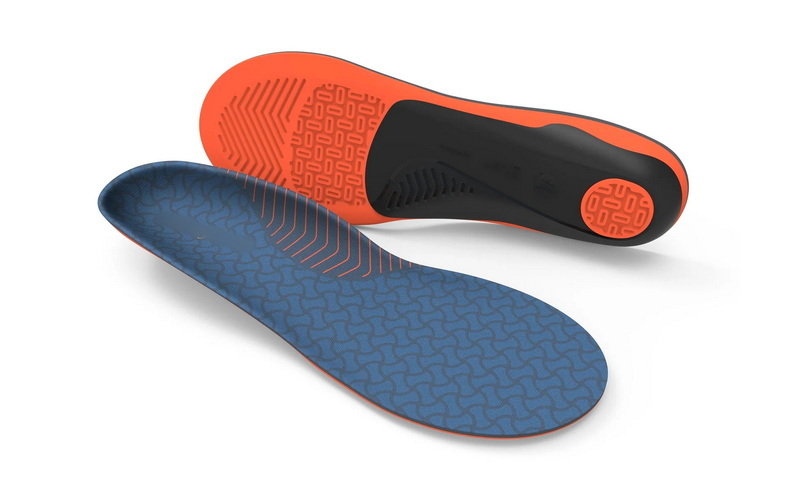
Orthotic insoles are used to align the feet, reduce pain, and support proper arch positioning. They help treat issues such as flat feet, heel pain, and poor posture while enhancing walking comfort.
Most orthotic insoles work well with casual shoes, sneakers, and work boots. For narrow or formal shoes, trimming may be necessary to achieve a proper fit.
Depending on usage and material, orthotic insoles should typically be replaced every 6–12 months. Heavy activity or strong perspiration may shorten their lifespan.
Not necessarily. Many individuals without medical conditions use orthotic insoles to improve comfort, prevent injury, and maintain long-term foot health.
If you frequently experience foot, ankle, knee, or back pain, or notice uneven shoe wear, you may benefit from orthotic insoles. Consulting a podiatrist for a gait assessment is the best way to confirm.
1. https://www.verywellhealth.com/orthotics-and-insoles-5183095
2. https://www.healthline.com/health/orthotic-insoles
3. https://www.webmd.com/pain-management/orthopedic-insoles-overview
4. https://www.podiatrytoday.com/blog/role-orthotics-foot-health
5. https://www.medicalnewstoday.com/articles/custom-orthotics


