
Views: 222 Author: Amanda Publish Time: 2025-09-09 Origin: Site


Content Menu
● What Are Arch Support Inserts?
● Types of Arch Support Inserts
>> Over-the-Counter Arch Inserts
● Benefits of Using Arch Support Inserts
● Materials Commonly Used in Arch Support Inserts
● How to Choose the Right Arch Support Insert
>> Consider Your Activity Level
>> Understand Your Foot Conditions
>> Consult a Podiatrist When Needed
● Tips for Using Arch Support Inserts Effectively
● Recommended Brands for Arch Support Inserts
● Do Arch Support Inserts Really Work?
● FAQ
>> 1. What is the difference between rigid and semi-rigid arch inserts?
>> 2. How long should I wear arch inserts each day initially?
>> 3. Can arch inserts help with plantar fasciitis?
>> 4. Are custom arch inserts better than over-the-counter ones?
>> 5. How do I know if an arch insert fits my shoes properly?
Finding the best arch support insert is essential for anyone seeking comfortable, healthy feet. Arch inserts help maintain proper foot alignment, reduce pain, and enhance overall foot function. Whether dealing with flat feet, high arches, or plantar fasciitis, the right arch insert can provide relief and improve mobility. This comprehensive guide covers the types, materials, benefits, and selection tips for arch inserts, helping you choose the perfect fit for your needs.

Arch support inserts, also known as orthotic inserts, are specially designed shoe inserts that support the arch of the foot. The foot's arch is critical in distributing body weight, absorbing shock, and maintaining balance. Without proper support, the arch can collapse or strain, leading to discomfort, pain, and even posture problems. Arch inserts distribute pressure evenly along the foot, stabilize it, and prevent excessive rolling inward (overpronation) or outward (supination). They come in various forms—rigid, semi-rigid, or flexible—tailored to different support needs and activity levels.
These inserts are made from firm materials such as hard plastic or carbon fiber. They provide strong corrective support, maintaining the shape of the arch and preventing excessive foot movement. Rigid arch inserts are most suitable for severe arch problems, flat feet, or people who need maximum support to control overpronation.
Semi-rigid inserts balance support and flexibility. Composed often of EVA foam or moderate-density plastics, they offer stability while adapting slightly to foot pressure during movement. These are good for daily wear, offering enough correction without the stiffness of rigid inserts.
Flexible inserts use soft materials like gel or memory foam to offer mild support and lots of cushioning. People with minor arch concerns or those seeking additional comfort for prolonged standing or walking often choose flexible arch inserts.
For individuals with severe foot conditions, custom orthotic inserts are crafted precisely according to a podiatrist's assessment of the foot's shape and gait. These provide tailored support and alignment correction, addressing specific issues such as plantar fasciitis, arthritis, or extreme overpronation.
Widely available without prescriptions, these inserts provide affordable, effective mild to moderate arch support. They usually come in various materials like foam, gel, or plastic and fit a broad range of shoe styles and foot types.
- Pain Relief: Arch inserts alleviate pain caused by plantar fasciitis, flat feet, high arches, heel spurs, and overpronation by evenly distributing pressure and stabilizing the foot.
- Improved Posture: Proper arch support enhances body alignment, reducing strain on knees, hips, and lower back, which can improve overall posture and decrease related discomfort.
- Injury Prevention: By correcting foot mechanics and providing stability, inserts can help prevent common sports injuries, shin splints, bunions, and hammertoes.
- Enhanced Comfort: Cushioned inserts reduce fatigue during long periods of standing or walking, adding shock absorption that protects foot tissues.
- Better Athletic Performance: Specialized arch support inserts enhance balance and gait efficiency, lowering injury risk and improving performance in running, hiking, and other sports.
- EVA Foam: Lightweight, durable, and provides excellent shock absorption while maintaining some flexibility.
- Gel: Offers superior cushioning, especially in heel and ball areas, reducing impact stress.
- Hard Plastic or Carbon Fiber: Used for rigid inserts providing firm arch support and controlling excessive foot motion.
- Cork and Leather: Natural materials offering moderate support and moisture-wicking properties for comfort.
- Memory Foam: Molds to the shape of the foot offering personalized cushioning and support.
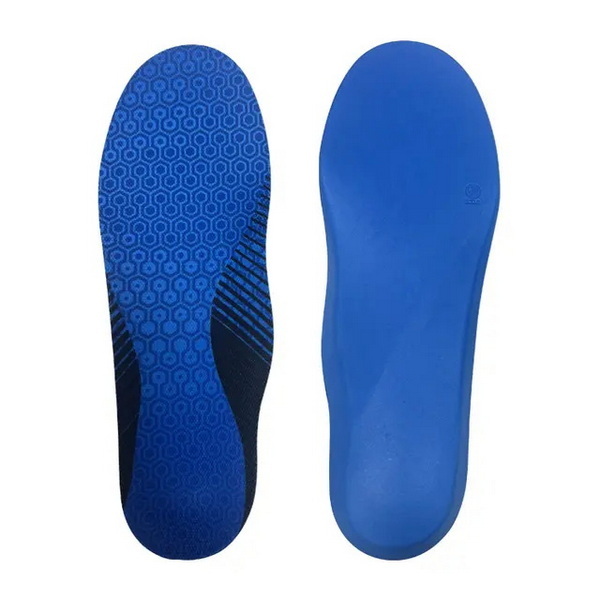
Knowing whether you have flat feet, normal arches, or high arches is fundamental. Flat feet usually require more rigid, stabilizing inserts, while high arches need cushioned support to absorb shock.
Active individuals, especially athletes, should focus on inserts that combine arch support with shock absorption. For everyday wear, cushioned semi-rigid inserts often suffice.
If suffering from chronic conditions such as plantar fasciitis, bunions, or arthritis, investing in custom orthotics or medical-grade inserts can provide the best results.
Choose inserts that fit your shoe type and size without causing tightness or rubbing. Bulkier designs work well for sneakers or boots, while thinner inserts suit dress shoes.
New arch support inserts may initially feel unfamiliar. Gradually increase wear time from a few hours daily to full-day use to allow your feet to adapt comfortably.
A professional assessment can help determine the correct arch support needed and whether custom orthotics are necessary, especially for severe or persistent foot problems.
- Start with short periods and increase gradually.
- Keep the inserts clean and replace them every 6-12 months or when worn out.
- Use inserts consistently in your regular footwear to maintain benefits.
- Combine inserts with supportive footwear and foot stretches.
- Rotate between multiple pairs if you have various types of shoes.
- Superfeet: Known for versatile inserts suited to multiple arch types, combining comfort and corrective support.
- PowerStep: Recommended by podiatrists for pain relief and improved foot mechanics.
- Tread Labs: Offers semi-rigid to rigid inserts with focus on overpronation and foot stability.
- Good Feet: Provides personalized fitting systems and effective arch support solutions.
- Archies: Specializes in everyday comfort inserts designed particularly for casual footwear.
Multiple studies and podiatric experts confirm that properly chosen and used arch support inserts relieve foot pain, improve alignment, and prevent long-term foot and postural problems. Most users see improvements in discomfort and mobility within days or weeks of consistent use. However, inserts work best when complemented by proper footwear, foot care, and if necessary, professional guidance.
Arch support inserts are a highly effective solution for anyone seeking to alleviate foot pain, correct alignment, and improve overall comfort. With a variety of options—from rigid, semi-rigid, flexible to custom orthotics—there is an arch insert suitable for every foot type, activity level, and condition. Understanding your foot's unique needs and choosing inserts that fit well will ensure optimal foot health and a more comfortable daily experience. Consulting a podiatrist when in doubt ensures the best personalized care. Prioritize quality materials and reputable brands to enjoy durable and effective arch support inserts that help keep your feet healthy and pain-free throughout life.

Rigid arch inserts are firm and offer maximum support to maintain foot structure, ideal for severe flat feet or overpronation. Semi-rigid inserts provide a balance of support and flexibility suitable for everyday comfort and moderate arch issues.
Start wearing arch inserts for 2-3 hours daily and gradually increase the duration over 1-2 weeks. This allows your feet to adjust comfortably without causing discomfort.
Yes, arch inserts support the foot's arch and reduce strain on the plantar fascia ligament, which helps relieve the pain associated with plantar fasciitis.
Custom arch inserts provide personalized support tailored to your foot's structure, ideal for severe or chronic conditions. Over-the-counter inserts are effective for mild to moderate issues and general comfort.
Measure your existing insoles or consult shoe sizing guides to select the arch inserts that match your shoe size and shape. Ensure the inserts do not make your shoes too tight or uncomfortable.
[1](https://www.modpodpodiatry.com.au/the-complete-guide-to-arch-support-shoe-inserts/)
[2](https://treadlabs.com/blogs/insoles-reach-your-stride/arch-support-inserts-the-ultimate-guide)
[3](https://boynerclinic.com/how-to-perfectly-choose-the-best-insoles-for-arch-support-your-ultimate-guide/)
[4](https://insoles.com/pages/how-to-choose-the-right-insole)
[5](https://betterhood.in/learn/best-arch-support-insoles-for-standing-all-day/)
[6](https://theinsolestore.com/blogs/guides)
[7](https://www.perfectfitpedorthics.com.au/ultimate-guide-to-choosing-the-best-shoes-with-arch-support/)
[8](https://powerstep.com/blogs/news/guide-how-to-choose-the-right-orthotic-insoles-for-you)


