
Views: 222 Author: Edvo Publish Time: 2025-11-08 Origin: Site


Content Menu
● Understanding Orthotics and Their Impact on Running
>> Common Foot Conditions Assisted by Orthotics
● Key Features of Running Shoes for Orthotics
>> Stable and Supportive Midsole
● Top Running Shoe Models for Orthotics
>> Saucony Ride
● Choosing the Right Shoe for Your Orthotics
>> Analyzing Gait and Biomechanics
● The Science Behind Running Shoes and Orthotics
● Practical Tips for Wearing Orthotics in Running Shoes
● The Anatomy of a Running Shoe: What Matters Most for Orthotics?
● Orthotics in Everyday Life: Beyond Running
● Mistakes to Avoid When Pairing Orthotics and Shoes
● The Importance of Customization
● Key Considerations for Shoe Manufacturers and Retailers
● Frequently Asked Questions (FAQ)
>> 1. What Makes a Shoe Orthotic-Friendly?
>> 2. Can I Use Orthotics in Any Running Shoe?
>> 3. Should I Size Up When Wearing Orthotics?
>> 4. Which Running Shoes Brands Suit Orthotics Best?
>> 5. Are There Lightweight Options for Runners Using Orthotics?
Finding the best running shoes for orthotics can dramatically enhance comfort, reduce injury risk, and improve performance for runners who require additional foot support. Whether you're dealing with flat feet, plantar fasciitis, overpronation, or recovering from an injury, pairing orthotic insoles with appropriately designed footwear is key to maximizing both support and style. In today's competitive market, shoe manufacturers and brands are delivering advanced designs tailored for orthotic compatibility, offering options suitable for all running profiles.
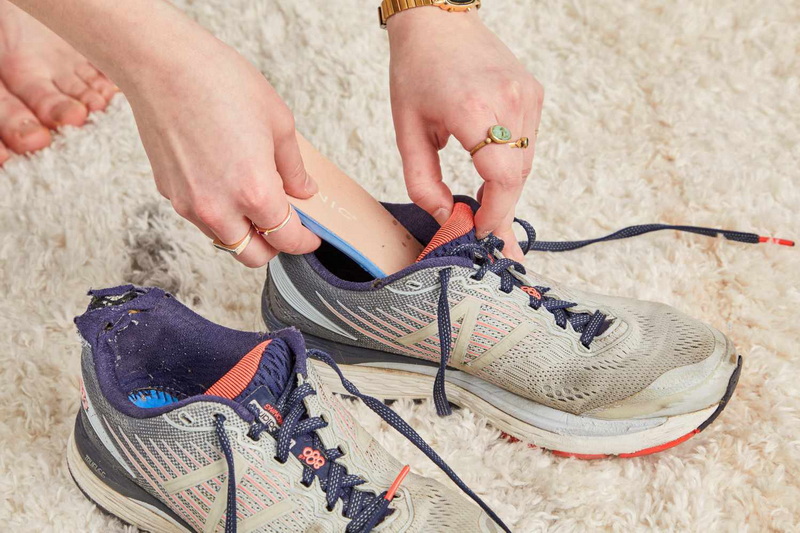
Orthotics are custom or prefabricated shoe inserts designed to support, align, or improve the function of your feet. They address common biomechanical problems like overpronation, supination, and arch collapse, providing individualized stability and cushioning. Footwear worn with orthotics must offer sufficient internal volume, removable insoles, and an accommodating structure for these medical devices to function optimally.
- Flat feet or fallen arches
- Plantar fasciitis
- Overpronation and supination
- Hallux valgus (bunions)
- Metatarsalgia
- Post-surgical support
Shoes with fully removable factory insoles and deep footbeds make it easier to fit custom orthotics securely. Deep-insole designs prevent slippage and help maintain ideal foot alignment.
A generous toe box prevents compression, allows orthotic adjustment, and provides extra space for runners with bunions or forefoot issues.
Stability features like dual-density foam, media posting, or guidance systems help manage excess motion and promote proper gait mechanics.
Orthotic-friendly shoes deliver plush shock absorption without sacrificing responsiveness, crucial for protecting joints during high-impact activities.
The following models consistently earn high marks for orthotic compatibility, accommodating diverse needs and budgets:
This model is renowned for its plush midsole and removable insoles, offering various widths for a tailored fit. It's suitable for neutral runners and those using both off-the-shelf and custom orthotics.
Stable platform with ample volume and wide sizes enhance orthotic accommodation. Its firm cushioning provides support for various orthotics.
A neutral, firm midsole and spacious interior make this shoe a favorite among runners using prescription and over-the-counter orthotics.
Structured stability and arch support for overpronators are key highlights. A removable and contoured factory insole paired with a breathable mesh upper suits orthotic wearers.
Sky-high cushioning with a lightweight feel and removable footbeds makes this an ideal option for accommodating custom orthotics.
Evaluating foot structure, arch height, and gait is essential to finding shoes that balance orthotic support with natural foot motion. Many retailers and clinics offer treadmill analysis and pressure pads to help runners identify their needs.
Always remove the shoe's original insole before inserting an orthotic device. Consider going up half a size for bulky custom orthotics, and try different lacing techniques for optimal fit.
Advancements in footwear technology have made modern running shoes an excellent base for orthotics. With shock-absorbing midsoles, different arch heights, and motion control features, these shoes improve gait and prevent injuries associated with overpronation or supination. Breathable uppers and durable construction also make them suitable for daily wear, supporting foot health and comfort far beyond just running.
Shoes like the Altra Torin 7, with zero-drop platforms and wide toe boxes, or the Altra Paradigm 7, combining maximum cushioning with built-in stability, promote natural foot positioning and comfort for those using orthotics. Foot type analysis is key to optimizing shoe choice, whether buying for low, medium, or high arches.
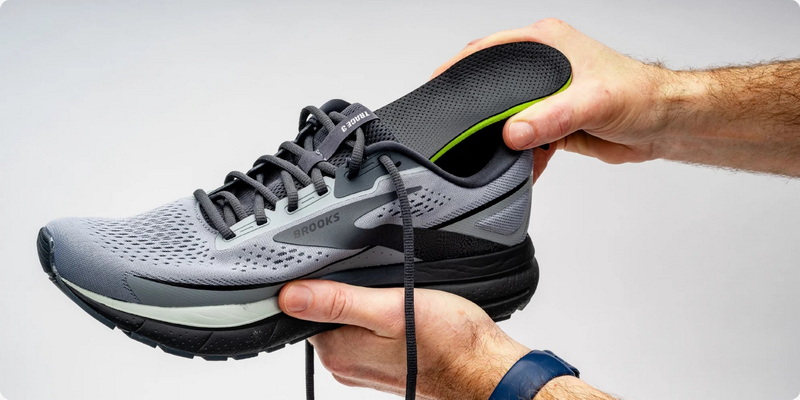
Wearing orthotics in your running shoes requires attention to size, fit, and shoe features. Ill-fitting orthotics can rub, cause blisters, and negatively impact stride and balance. Runners should compare the orthotic size with shoe interiors, replace or remove existing insoles, and adjust laces to get an ideal fit. Proper technique—like maintaining short strides, warming up and cooling down, and careful foot strike—protects against injuries and optimizes the benefits of orthotics.
Break in gradually: Orthotic use may feel awkward at first. Pace yourself, make adjustments as needed, and never ignore ongoing pain or discomfort.
Maintain your gear: Regularly clean orthotics, replace shoes as cushioning and support fades, and consult a podiatrist for custom needs when off-the-shelf orthotics aren't enough.
Running shoe anatomy plays a major role in orthotic compatibility. Key elements include:
- Upper: Prefer lightweight, breathable mesh or engineered fabric for comfort and flexibility.
- Midsole: The heart of orthotic support, featuring cushioning tech like EVA, gel, or foam, and stability components such as GuideRails or medial posting.
- Outsole: Durable rubber designs promote traction and longevity for frequent runners.
- Heel Counter: A stiff heel counter maintains alignment and gives extra support to your orthotic device.
- Sockliner/Insole: Should be fully removable to place your orthotic without obstruction.
Stability running shoes are ideal for runners with flat feet and mild overpronation, while motion-control shoes work best for severe overpronation and rigid flat feet. Neutral running shoes suit runners with normal arch profiles.
Running shoes built for orthotic inserts offer value far beyond sports. Their advanced cushioning, support, and breathability make them excellent everyday orthopedic shoes for people who need extra mobility and ergonomic benefits. Many users find relief from chronic foot pain, improved posture, and an easier time with daily activities just by wearing orthotic-ready athletic footwear.
Some stability shoes, when combined with rigid orthotics, may overcorrect foot alignment and create new issues. It's usually best to pair custom orthotics with neutral shoes that have enough internal volume; models like the Brooks Dyad and certain New Balance shoes are designed for this specific scenario.
Avoid shoes with limited depth or non-removable liners, as they may compress or misalign the orthotic. Always check for compatibility and be mindful not to double-stack stability features unless specifically directed by a foot care specialist.
Finding the perfect fit involves a step-by-step approach:
1. Check sizing by matching orthotic and shoe length/width.
2. Remove factory sockliners before placing orthotics.
3. Insert orthotic, adjust, and test fit by walking or running short distances.
4. Laces should provide support but not constrict. Experiment with parallel or skip-lacing methods for best results.
5. Allow your feet to adjust gradually—never rush the break-in process.
Sometimes, only custom orthotics will solve specific foot issues, especially for advanced runners or individuals with unique biomechanics. Professional gait analysis, either from a clinic or advanced retail location, offers personalized recommendations that align shoes with custom inserts, alleviating concerns like plantar fasciitis or heel pain for good.
While off-the-shelf inserts suit many runners, custom options bring unmatched precision and should be considered for stubborn pain or complex conditions.
Brands, wholesalers, and manufacturers serving the orthotics market must prioritize removable insoles, spacious interiors, stability features, and broad size ranges. Innovations such as adjustable arch supports, pressure-mapping technologies, and eco-conscious materials raise product value for a discerning international audience.
Promoting shoe designs with true orthotic compatibility and collaborating with healthcare professionals can elevate your reputation in the orthopedic footwear sector.
Selecting the best running shoes for orthotics involves finding models with removable insoles, supportive cushioning, roomy interiors, and a stable base. Leading brands offer specialized options to enhance comfort, prevent injury, and empower runners of all foot types, helping manufacturers and distributors cater to discerning international clientele. With the right combination of orthotics and shoes, runners experience pain-free sessions, improved performance, and long-term foot health.
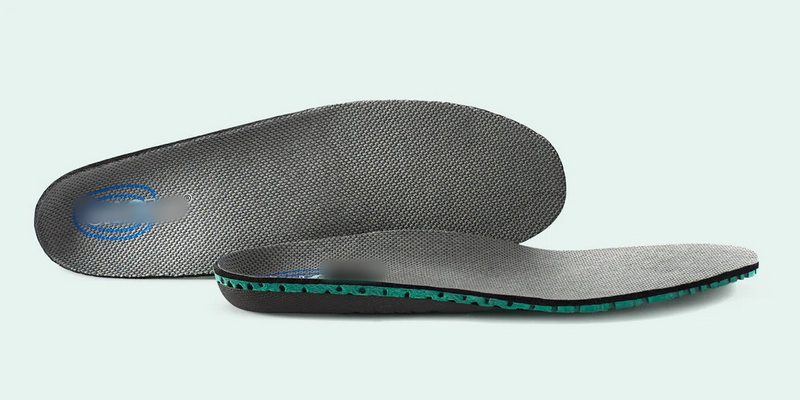
Orthotic-friendly shoes offer removable insoles, deep interiors, supportive midsoles, and a wide toe box, allowing for easy accommodation of custom or over-the-counter inserts. These features ensure a secure fit and prevent shifting or discomfort.
Not all running shoes have the necessary room or design features to fit orthotics. It's essential to select models specifically engineered for insert compatibility—ideally those with removable insoles, extra depth, and wide sizing.
Sizing up by half or even a full size may be advisable for bulky or rigid custom orthotics, especially if the fit feels tight or compromises comfort. Always try shoes on with your orthotics in place to ensure proper fit.
Brands like Brooks, New Balance, Saucony, ASICS, Mizuno, and Hoka consistently produce running shoes with orthotic-friendly features such as stability midsoles, wide sizing options, and removable insoles.
Yes. Models like the Hoka Mach series and select Asics and New Balance shoes use innovative foam formulations for enhanced cushion and support at minimal weight, making them suitable for speedwork and racing.


