
Language
Views: 222 Author: Edvo Publish Time: 2025-11-01 Origin: Site


Content Menu
● Key Features of the Best Shoe Insoles
>> Arch Support
>> Moisture Control and Breathability
● Best Insoles for Different Needs
>> Sports Use
>> Flat Feet and Overpronation
● The Manufacturing Quality Behind Premium Insoles
>> Innovative Design and Engineering
>> OEM and ODM Solutions for Global Partners
>> Research and Development Excellence
>> Quality Control and Process Assurance
● How to Choose the Right Insole
● Environmental Responsibility in Insole Production
● The Role of Insoles in Foot Health
● Why Choose Our OEM Insole Manufacturing
● FAQ
>> 1. How often should I replace my insoles?
>> 2. Can insoles help reduce back and knee pain?
>> 3. Is there a difference between men's and women's insoles?
>> 4. What is the best material for long-lasting comfort?
>> 5. How can I make custom insoles for my brand?
Finding the best shoe insoles can completely transform your walking comfort, improve posture, and reduce fatigue throughout the day. Whether you are an athlete, a worker who spends long hours standing, or someone recovering from foot pain, understanding how to choose the right insoles is essential. The right pair can enhance balance, prevent injuries, and make every step more enjoyable.

Shoe insoles are removable inserts placed inside shoes to enhance comfort, support, and performance. They come in different designs and materials, each serving a specific purpose to meet unique user needs. Quality insoles act as the foundation of proper foot alignment and efficient movement.
Insoles are more than simple cushions. They are designed to provide consistent support and promote foot health.
They serve several functions including:
- Supporting the arches of the feet and distributing pressure evenly.
- Absorbing impact with each step or jump.
- Improving posture and alignment to reduce strain on knees and back.
- Relieving discomfort for people with flat feet, plantar fasciitis, or high arches.
- Extending the life of your shoes by reducing internal wear.
There are several categories of shoe insoles designed for different needs and footwear:
- Cushioning Insoles – Focused on comfort, using soft foam or gel layers.
- Support Insoles – Provide strong arch and heel reinforcement to improve balance.
- Orthotic Insoles – Recommended by medical professionals for foot correction.
- Sports Insoles – Designed for runners and athletes who require high shock absorption.
- Cooling or Heating Insoles – For temperature control in specific environments.
- Everyday Comfort Insoles – General-purpose insoles suitable for casual use.
Each type targets specific foot health goals, and understanding them helps you make informed purchasing decisions.
The best shoe insoles share certain performance qualities that define their effectiveness.
Durability and comfort depend greatly on the material used. Leading options include:
- Memory Foam: Conforms to the foot shape and provides responsive cushioning.
- Gel: Offers unbeatable shock absorption, ideal for running or heavy work.
- EVA Foam: Lightweight and resistant to deformation, ideal for daily wear.
- Leather: Natural, breathable, and stylish for dress shoes.
High-quality materials ensure long-lasting comfort and consistent performance even after months of use.
Foot shape varies greatly, so recognizing your arch type—flat, normal, or high—is vital. Proper arch support distributes body weight evenly, prevents overpronation, and minimizes joint strain. Insoles with contoured arch zones help stabilize your step and improve walking efficiency.
Breathability is a key comfort factor. Insoles with air perforations and moisture-wicking surfaces reduce sweat and prevent unpleasant odor. This function is crucial for athletes or anyone wearing shoes for extended hours.
Shock absorption insoles reduce the impact transmitted through your feet to your knees, hips, and spine. Multi-layer foam or gel construction effectively minimizes injuries from repetitive movements or rough surfaces.
Modern insoles now integrate adaptive technologies that mold precisely to your foot's contour using body heat or pressure. This dynamic structure ensures personalized comfort that regular insoles cannot achieve.
Different lifestyles and activities require unique insole characteristics. Here are the most suitable options for various purposes:
For individuals on their feet throughout the day, soft-cushioned insoles made from memory or gel foam deliver unmatched comfort. They prevent fatigue in both casual and office footwear, ensuring you stay light-footed from morning until evening.
Athletes, runners, and gym-goers need insoles that combine shock absorption with energy return. Sports insoles, often made of EVA and gel hybrids, stabilize the heel while allowing freedom at the forefoot, enhancing both comfort and performance.
Supportive orthotic insoles are perfect for people with flat feet or overpronation. They help maintain foot alignment and reduce stress on tendons by keeping the foot in a neutral position, which can dramatically improve posture and comfort.
Workers in industrial or healthcare sectors often face foot fatigue due to long standing hours on hard surfaces. Heavy-duty work insoles with reinforced heel pads and anti-slip textures enhance stability, safety, and pressure distribution.
High-quality leather insoles add sophistication and breathability to formal footwear. These insoles balance style and practicality, offering discreet cushioning and comfort.
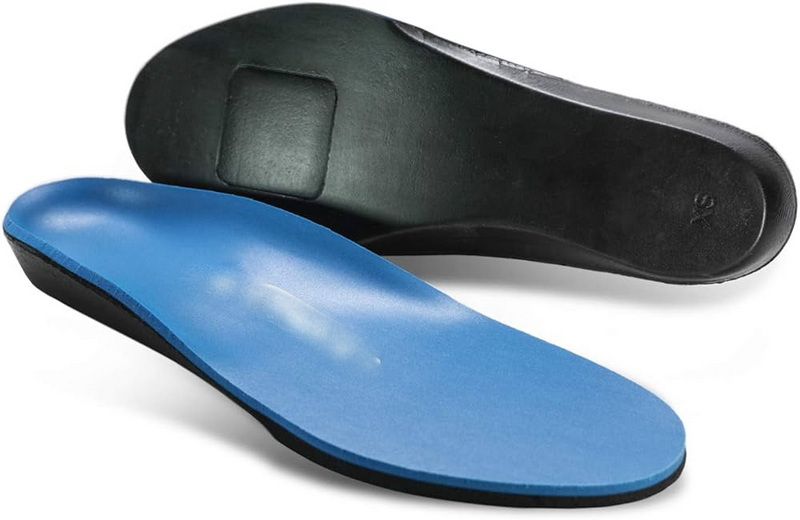
Producing exceptional insoles requires advanced technology, craftsmanship, and a commitment to quality. Our manufacturing facilities integrate research-driven processes to design insoles for full functionality and comfort.
Our team analyzes walking mechanics and pressure distribution to develop perfectly shaped insoles. Advanced modeling ensures the right thickness, flexibility, and resilience for each product style.
As a leading Chinese insole manufacturer, we provide complete OEM and ODM services for international brands, wholesalers, and private-label clients. Our customization options cover:
- Design and branding adaptation
- Material formulation and mixed-layer construction
- 3D foot mold matching
- Packaging and labeling tailored to brand standards
This flexibility ensures that each partner receives products aligned with their market identity and technical expectations.
We constantly integrate biomechanics, orthopedics, and material science into our R&D process. Our team develops prototypes that undergo rigorous tests, including compression, moisture resistance, and flexibility trials. This commitment guarantees that every insole meets the comfort and structural performance criteria required by modern consumers.
Precision production lines, skilled technicians, and strict quality management ensure every insole maintains aesthetic consistency and durability. Our testing includes size uniformity, hardness measurement, and visual inspection, allowing us to deliver reliable results for all clients.
Choosing the best shoe insoles starts with understanding your personal requirements and footwear type.
1. Identify your foot arch type – flat, medium, or high.
2. Define your usage environment – work, sports, casual, or recovery.
3. Match the insole material with your level of daily activity.
4. Check the thickness and length compatibility with your shoes.
5. Consider the longevity of the insole's structure and materials.
Testing the insole before daily use is also crucial. You should feel immediate relief without crowding in the shoe, ensuring natural movement.
Extending the lifespan of your insoles involves regular cleaning and care. Follow these steps:
- Remove the insoles from your shoes regularly to air out moisture.
- Wipe with a mild soap solution and a soft cloth.
- Allow them to dry naturally away from direct sunlight or heaters.
- Avoid machine washing or drying, as it may compromise the structure.
- Replace insoles periodically once they lose their cushioning.
These habits ensure hygiene and consistently comfortable performance.
Sustainability has become an essential part of responsible manufacturing. Our production processes focus on eco-friendly materials such as biodegradable foams and water-based adhesives. Waste recycling and reduced carbon emissions are key aspects of our operational approach. Customers today increasingly prefer products aligned with sustainability goals, and our factory actively meets those expectations through continuous innovation.
Foot health influences overall body alignment, and improper support can trigger discomfort throughout the kinetic chain. Insoles play a preventive role in minimizing joint tension, plantar fasciitis, and Achilles strain. Additionally, medical-grade orthotics can aid post-injury recovery by redistributing pressure points, accelerating natural healing, and removing unnecessary strain from muscles and tendons. For people with diabetes, specialized soft insoles prevent calluses and injuries caused by friction.
As a Chinese insole manufacturing leader, our mission is to combine innovation, ergonomics, and market understanding. We serve international partners seeking reliable production capability, timely delivery, and consistent quality. With over eighteen years of professional experience, we have developed a comprehensive range of comfort insoles for footwear manufacturers worldwide. Each project reflects a combination of craftsmanship, technology, and precision that ensures satisfaction at every step.
The right shoe insoles can turn uncomfortable footwear into a pleasure to wear while protecting your joints and improving posture. When choosing the best insoles, focus on quality materials, structural support, and individual comfort. Superior insoles not only relieve pain but also enhance overall body alignment and walking efficiency.
For footwear brands and distributors searching for a trustworthy OEM insole manufacturer, our team offers complete design and customization solutions that elevate your product line. Contact us today to discuss your specific needs and experience the difference our manufacturing expertise can make.
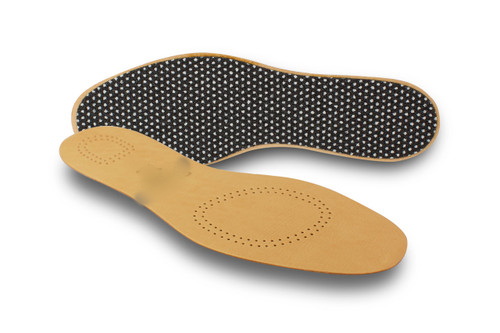
Most insoles last between six months to one year, depending on use intensity. Thin or damaged areas, unpleasant odor, or reduced cushioning indicate it's time for a replacement.
Yes. Properly aligned insoles reduce strain on your lower body by evenly distributing weight and maintaining correct posture.
Yes. Women's insoles typically offer higher arch placement and narrower heels to match foot anatomy, while men's insoles are designed for wider feet and higher weight loads.
EVA foam and gel are popular for durability, but memory foam offers superior adaptation. Leather is ideal for style-conscious users seeking both comfort and breathability.
Through our OEM program, you can design custom insoles tailored to your brand's specifications, including materials, logo integration, and packaging options.


