


Content Menu
● Understanding Orthotic Insoles
>> Key Functions of Orthotic Insoles
● How Orthotic Insoles Are Manufactured
● Benefits of Orthotic Insoles
>> Improved Posture and Body Alignment
>> Pain Relief and Pressure Reduction
>> Enhanced Athletic Performance
>> Customized Comfort for Everyday Life
>> Prevention of Future Foot Problems
● Different Types of Orthotic Insoles
● Who Should Use Orthotic Insoles
● Key Materials Used in Orthotic Insoles
>> EVA Foam
>> PU Foam
>> Thermoplastic and Carbon Materials
● Maintenance and Replacement of Orthotic Insoles
● How to Choose the Right Orthotic Insoles
>> Determine Your Foot Arch Type
>> Consider Your Activity Level
>> Seek Customization When Needed
● Why Choose Our OEM Orthotic Insoles
● The Science Behind Orthotic Effectiveness
● Real-Life Impact and Use Cases
● FAQ
>> 1. What are the main benefits of orthotic insoles?
>> 2. Can orthotic insoles help with back pain?
>> 3. How long do orthotic insoles last?
>> 4. Are orthotic insoles suitable for all shoes?
>> 5. How can I tell if I need orthotic insoles?
Orthotic insoles have transformed the world of foot health and comfort. These specially designed inserts are more than just shoe accessories; they play a significant role in alleviating pain, correcting posture, and improving mobility. From professional athletes to people who spend long hours standing at work, orthotic insoles offer custom solutions for different needs and lifestyles.

Orthotic insoles, also known as orthoses, are medical-grade or comfort-based inserts worn inside shoes to correct foot and body imbalances. While basic shoe insoles offer cushioning, orthotic insoles are engineered to provide functional correction and support based on individual biomechanics.
The foot acts as the foundation of human movement. Each step involves the complex coordination of bones, tendons, and ligaments. When any structural imbalance occurs, it can lead to conditions like flat feet, plantar fasciitis, or heel pain. Orthotic insoles help redistribute pressure evenly, guiding the feet back to a neutral and more efficient position.
- Support and stabilize the arch
- Correct overpronation or supination
- Absorb shock during walking or running
- Relieve stress on the joints and tendons
- Enhance posture, balance, and movement efficiency
Modern orthotic insoles are made using specialized materials that combine comfort and durability. Their layered construction ensures a blend of softness, resilience, and firmness to maintain both flexibility and stability.
The creation of orthotic insoles requires precision technology and ergonomic understanding. In professional facilities, each insole is designed with a combination of computer-aided drafting and biomechanical data. The process often includes the following steps:
1. Foot Assessment – The user's foot shape, pressure distribution, and gait are analyzed using 3D scanning or footprint mapping.
2. Design Modeling – Engineers create a digital model that accounts for necessary corrections, cushioning, and alignment.
3. Material Selection – Depending on the intended use, materials such as EVA foam, PU, or thermoplastic polymers are selected.
4. Molding and Cutting – The insoles are heat-molded to ensure shape retention and then cut precisely to fit shoe sizes.
5. Finishing Touches – Additional padding or liners are added for comfort, breathability, and odor control.
The result is a durable, comfortable, and medically beneficial product that fits seamlessly into daily footwear.
Your feet are the body's foundation. When your arches collapse or your foot rolls inward or outward, it disrupts the body's balance. Orthotic insoles correct these issues by aligning the feet into a natural position. Proper alignment reduces stress on the knees, hips, and lower back, helping you maintain better posture.
Millions of people suffer from foot-related pain. Conditions such as heel spurs, bunions, and plantar fasciitis cause intense discomfort during daily activities. Orthotic insoles provide targeted support by redistributing body weight across the foot's surface. This relieves pressure from sensitive points and promotes long-term comfort without medication.
For athletes, body balance and stability are crucial. Orthotic insoles optimize alignment and shock absorption, improving energy transfer during running, jumping, and other movements. Reduced muscle fatigue allows better endurance and performance. Athletes also benefit from reduced injury risks thanks to improved gait correction.
Orthotic insoles are not limited to medical or sports use. Many people wear them daily to reduce fatigue and maintain comfort. Whether you're walking in the city, working in a factory, or standing for hours, customized insoles offer exceptional comfort and support throughout the day.
Even if you currently have no foot pain, wearing orthotic insoles can serve as prevention. By keeping the feet aligned and supported, they reduce the risk of developing chronic conditions such as arch collapse, ligament strain, or joint inflammation.
Rigid orthotics are usually made of firm materials like hard plastic or carbon fiber. Their main purpose is to control motion in the joints below the ankle. They are ideal for individuals with abnormal foot biomechanics or chronic alignment issues and are often used in dress shoes or formal footwear.
These insoles combine structural firmness with flexible layers to balance support and comfort. They are widely used by athletes and active individuals who require both motion control and cushioning for high-impact activities.
Soft orthotics use gentle cushioning materials such as gel, silicone, or EVA foam to absorb shock and relieve pressure. They are particularly beneficial for people with diabetes or neuropathy who need soft protection for delicate feet.
In addition to general categories, orthotic insoles can also be made for specific purposes, such as:
- Sports Orthotics: For running or basketball shoes to enhance traction and endurance.
- Work Orthotics: For industrial workers who stand for long hours.
- Diabetic Orthotics: For sensitive feet needing uniform pressure distribution.
- Children's Orthotics: To correct developing foot posture or flat arches.
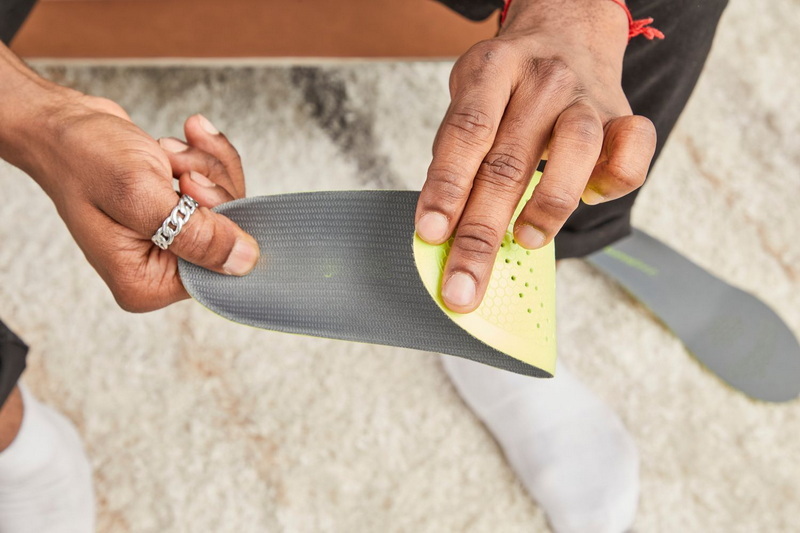
Orthotic insoles are suitable for a wide audience, serving both medical and comfort purposes.
- Individuals with flat feet, high arches, or foot instability
- People diagnosed with plantar fasciitis, heel pain, or arch strain
- Workers in occupations requiring prolonged standing
- Runners, athletes, and fitness enthusiasts
- Seniors with joint wear or balance issues
- People recovering from foot or leg injuries
Wearing appropriate orthotic insoles not only improves comfort but also supports long-term musculoskeletal health.
Ethylene-vinyl acetate foam provides soft cushioning while maintaining resilience. It absorbs shocks effectively and retains its shape after repeated use, making it one of the most common materials for both medical and sports insoles.
Polyurethane foam offers strong elasticity and durability, ideal for people seeking high rebound energy and long-lasting support. It resists compression better than EVA, making it suitable for heavy-duty use.
Gel insoles are designed for superior shock absorption. They are particularly beneficial for high-impact sports and for reducing heel pain.
Used in rigid orthotics, these materials provide maximum stability and biomechanical correction. They are lightweight and maintain structural alignment even under intense pressure.
Proper material selection ensures comfort, stability, and foot health during all types of activities.
To maintain their effectiveness, orthotic insoles should be properly cared for and periodically replaced.
- Remove them daily to air dry after wear.
- Hand wash with mild soap and water; avoid soaking.
- Do not expose to direct sunlight or high heat.
- Replace them every 12 to 18 months or when the material compresses.
Using worn-out insoles may cause imbalance or discomfort, so routine replacement is important for continued performance and hygiene.
Selecting orthotic insoles should depend on foot structure, lifestyle, and footwear type.
Identify whether your arch is flat, normal, or high. People with flat feet need stronger arch support, whereas those with high arches need more cushioning to absorb impact.
Athletes require insoles designed for motion control and shock reduction. Office workers benefit from lightweight comfort insoles, while older adults prefer pressure-relieving designs for stability.
Ensure compatibility with your shoe type, including sneakers, boots, or dress shoes. Insoles should fit comfortably without crowding the toe box.
For unique conditions such as chronic pain or limb length differences, custom orthotic insoles made from a professional foot scan provide the best results.
As one of China's leading orthotic insole manufacturers, we specialize in producing custom-designed insoles for international brands, wholesalers, and private labels. Backed by advanced technology, professional engineers, and over 18 years of experience, we deliver precision-crafted insole products that meet global standards.
We offer OEM and ODM services, allowing our partners to incorporate their brand identity into unique, high-performance insole designs. Our capabilities include:
- Custom branding, logos, and sizes
- Proprietary material formulation (EVA, PU, gel, carbon)
- High-precision 3D manufacturing
- Packaging customization for global distribution
Our factory integrates ergonomic research, quality assurance, and large-scale production capacity to support global partnerships efficiently and cost-effectively.
Orthotic insoles work by influencing lower limb biomechanics. When standing or walking, the body's weight transfers through the feet, affecting every joint above. Misalignment in the foot can trigger a chain reaction leading to pain or imbalance in the knees, hips, or spine.
Orthotic insoles restore the correct angle and positioning for the feet, creating a stable foundation. This improved mechanical efficiency reduces unnecessary rotation of leg bones and stress on connective tissues. Over time, consistent use retrains the body's posture, improving both comfort and motion.
Many users experience significant lifestyle improvements after adopting orthotic insoles:
- Office workers report reduced back and leg fatigue during long shifts.
- Runners experience fewer joint injuries and better performance.
- Elderly individuals find enhanced balance and mobility.
- Diabetic patients report improved circulation and reduced foot pain.
These benefits demonstrate the universal value of orthotic insoles in improving daily comfort and long-term health.
Orthotic insoles are indispensable tools for achieving comfort, correcting posture, and preventing injury. They provide structural support, reduce pressure, and improve walking efficiency. From factory workers and office employees to athletes and older adults, everyone can benefit from the right pair of orthotic insoles.
As a professional orthotic insole manufacturer, we provide OEM solutions customized for global brands and wholesalers. Our expertise in foot biomechanics, material design, and manufacturing ensures products that meet the highest comfort and performance standards.
If you're a footwear brand, wholesaler, or distributor seeking custom orthotic insoles, contact us today to explore collaboration opportunities. Let us help you deliver comfort and performance through precision-crafted insoles.
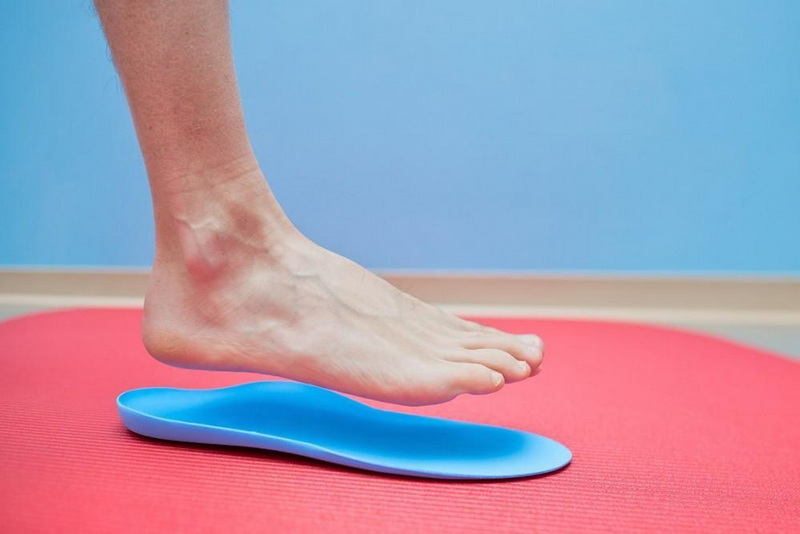
They relieve pain, improve posture, and enhance walking comfort by evenly distributing foot pressure and aligning the body correctly.
Yes. By realigning the feet and lower legs, orthotics reduce strain on the spine, providing relief from chronic back discomfort caused by poor posture.
Depending on use and materials, orthotic insoles usually last from 12 to 18 months. High-quality materials and proper care can extend their lifespan.
Most are compatible with common footwear. However, certain shoes like heels or narrow dress shoes may require thinner or specially shaped orthotics for a proper fit.
If you experience frequent foot pain, uneven shoe wear, or posture-related discomfort, orthotic insoles may improve your alignment and comfort.


