


Content Menu
● Structural Design of Foam Insoles
>> Moisture Control and Breathability
● The Manufacturing Process of Foam Insoles
● Applications of Foam Insoles in Footwear
● Technical Properties That Define Quality
● OEM Customization Capabilities
● How to Maintain Foam Insoles
● Market Trends and Sustainability
● Why Partner with a Chinese Foam Insole Manufacturer
● Choosing the Right Foam Insole for Your Product Line
>> 1. How long do foam insoles typically last?
>> 2. Can foam insoles be removed and washed?
>> 3. Are foam insoles suitable for all types of feet?
>> 4. What is the main difference between EVA and PU foam?
>> 5. Can foam insoles be fully customized for branding?
Foam insoles are essential components of modern footwear, providing the foundation for comfort, support, and durability. Found in everything from athletic sneakers to dress shoes, foam insoles influence the overall wearing experience more than most people realize. For footwear brands, wholesalers, and manufacturers, understanding foam insole materials, structures, and production methods can lead to better product quality, stronger consumer satisfaction, and improved market competitiveness.
As one of the leading Chinese foam insole manufacturers, we specialize in producing OEM and ODM insoles for global footwear brands. With advanced production technology, quality control, and material expertise, we deliver tailored foam insole solutions for various shoe categories including sports, work, orthopedic, and casual footwear.

A foam insole is a soft, elastic layer placed inside footwear to cushion the foot and absorb impact. It provides structural support to the arch and heel, reducing strain during walking, running, or standing. Foam insoles use synthetic or natural polymer materials that compress under pressure and rebound when released, maintaining long-term comfort and shape retention.
Foam insoles differ from traditional leather or gel insoles because they are lightweight, moldable, and affordable. Various foam types—such as EVA, PU, memory, and latex—are engineered to meet specific footwear performance goals.
The key characteristics of foam insoles include:
- Soft cushioning that distributes body pressure evenly.
- Resilient elasticity to restore shape after compression.
- Lightweight design that reduces shoe weight.
- Adaptability for OEM customization and branding.
With these advantages, foam insoles have become the preferred choice in footwear manufacturing thanks to their cost-performance balance and production flexibility.
EVA (Ethylene Vinyl Acetate) foam is the most widely used material for insoles. It's known for its feather-light properties and excellent elasticity. EVA insoles provide reliable shock absorption for running, jumping, or long-distance walking. They can be produced in different densities and colors, giving flexibility to brand designers. EVA also allows for effective lamination with textile tops, ensuring durable wear and attractive surfaces suitable for athletic, children's, and casual shoes.
PU (Polyurethane) foam insoles balance softness with structural strength. They offer greater durability and support than EVA, making them perfect for safety footwear or work boots. PU foam resists compression set, meaning it retains shape after repeated use. Additionally, PU insoles feature small open cells that enhance air circulation and moisture control, promoting breathability and hygiene for long-hour use.
Memory foam insoles are recognized for their ability to contour to the shape of a wearer's foot. They create a customized fit and provide targeted pressure relief. When the user removes the shoe, the insole slowly returns to its original form. This “slow rebound” property makes memory foam ideal for high-comfort footwear segments like orthopedic shoes, running sneakers, and casual slip-ons. It gives each user an impression of personalized comfort and superior support.
Latex foam insoles use either natural rubber extracted from rubber trees or synthetic latex. Their softness, ventilation, and elasticity make them ideal for comfort-oriented shoes. Natural latex insoles are eco-friendly, biodegradable, and naturally antibacterial, reducing foot odor. Many brands choose latex foam for casual or fashion footwear due to its pleasant texture and sustainable appeal.
Some high-performance footwear utilizes hybrid insoles, combining different foam layers. For example, an EVA base layer may be paired with a PU topcoat or memory foam pad for targeted zones like the heel and arch. This multi-density design maximizes performance by balancing softness, rebound, and support.
The design of a foam insole often involves multiple layers engineered for different functions:
- Top Layer: Made from soft fabric or mesh material for comfort and moisture management.
- Middle Layer: The core foam component that provides cushioning and elasticity.
- Bottom Layer: A stabilizing or grip layer that enhances traction inside the shoe.
Additional features like perforation holes, arch cushions, heel cups, or metatarsal pads can be integrated to improve performance or target specific ergonomic needs. In OEM projects, brands can fully customize these structures to align with user expectations and brand identity.
Foam insoles offer exceptional shock absorption, protecting the feet, ankles, and knees from impact stress. This feature is especially beneficial for high-impact shoes such as running or basketball footwear.
Foam materials are flexible enough to adapt slightly to the user's foot contour over time, improving comfort and fit. Memory foam varieties enhance this adaptability, ensuring stability in every step.
A defining benefit of foam insoles is their minimal weight. They allow shoe manufacturers to design lighter footwear without compromising comfort or performance.
Modern foams with open-cell structures enable air circulation, effectively reducing odor and moisture buildup. The result is a cooler, drier, and more comfortable foot environment.
OEM customization is a core strength of foam insoles. Clients can specify hardness levels, density, color, pattern, and branding options such as molded logos or printed graphics. This flexibility helps footwear companies develop unique products that stand out in competitive markets.
Production involves a series of precise steps to ensure each insole offers consistent performance and comfort.
1. Material Preparation: Choosing appropriate foam raw materials and additives based on client requirements.
2. Foam Expansion and Molding: The foam mixture is expanded, then compressed into molds that define the insole's contour and density profile.
3. Cutting and Shaping: After cooling, the foam sheets or molded pieces are cut to exact size using CNC machinery or die-cutting equipment.
4. Surface Lamination: Fabric layers, leatherette films, or mesh covers are bonded for aesthetics and functional performance.
5. Inspection and Testing: Each batch is tested for hardness, resilience, thickness, and rebound to ensure quality consistency.
By combining advanced molding technology and automated production, today's manufacturers can produce foam insoles efficiently while maintaining tight tolerances and repeatable quality.
Foam insoles are used in a wide range of shoe categories, enhancing both comfort and functionality:
- Athletic Shoes: Provide support and energy return for running, basketball, or cross-training.
- Work Boots: Offer anti-fatigue cushioning during long hours of standing or walking.
- Safety Shoes: Enhance shock absorption and meet protective footwear standards.
- Orthopedic Shoes: Designed to correct posture and support foot biomechanics.
- Casual and Dress Shoes: Deliver soft step-in comfort for lifestyle footwear.
- Children's Shoes: Ensure safety, comfort, and proper foot development.
Their versatility ensures that nearly every footwear category benefits from some type of foam insole solution.
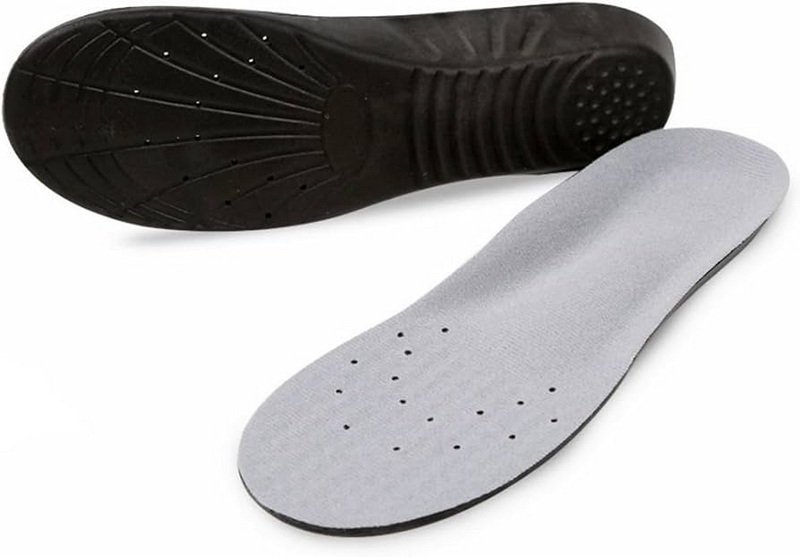
Several measurable properties determine how well a foam insole performs:
- Compression Set Resistance: The ability to recover its shape after repeated pressure.
- Tensile Strength: Determines the foam's resistance to tearing under stress.
- Density: Balances cushioning softness and durability.
- Thermal Stability: Ensures the foam remains consistent under heat or cold conditions.
- Water Absorption Rate: Affects moisture control and comfort during prolonged use.
Quality control at each stage ensures the final product meets international standards and brand requirements.
For global footwear partners, OEM and ODM customization is critical. As an experienced Chinese insole manufacturer, we offer full customization options such as:
- Material selection: EVA, PU, latex, memory, or multi-layer combinations.
- Customized hardness and density: Tailored to different footwear purposes.
- Design innovation: Unique patterns, cutouts, and ergonomic zones.
- Surface choices: Fabric, microfiber, breathable mesh, or anti-bacterial layers.
- Logo branding: Debossed, printed, or laser-engraved logos for brand identity.
- Packaging solutions: Private-label and eco-friendly packing available for export.
We collaborate closely with international buyers to design and produce insoles that align with brand strategy, market trends, and end-user needs.
Foam insoles require proper maintenance to extend their life span and preserve comfort:
- Air dry insoles after wearing to prevent odor buildup.
- Hand wash occasionally with mild soap and water.
- Avoid machine washing or exposure to direct sunlight.
- Replace them when compression marks or permanent deformation appear.
Regular maintenance not only improves hygiene but also extends the shoe's overall usability.
The foam insole industry continues to evolve with changes in consumer demands and sustainability goals. There is growing interest in eco-friendly foams made from recycled EVA and plant-based PU. Manufacturers are experimenting with biodegradable additives and water-based adhesives to reduce environmental impact.
Emerging technologies such as 3D printing, digital molding, and smart insole sensors are driving the next generation of footwear comfort. Brands now focus on customizing insoles for ergonomic performance while emphasizing recyclable materials and reduced carbon footprints.
Chinese OEM producers are at the forefront of this transition, offering a balance between innovation, efficiency, and sustainable production at a competitive cost.
China has long been a global center for footwear and insole production. Partnering with a Chinese foam insole manufacturer provides several clear benefits:
- Advanced technology: State-of-the-art molding, cutting, and lamination equipment.
- Experienced engineers: Knowledgeable teams supporting technical OEM development.
- Cost effectiveness: Efficient sourcing and large-scale production capacity.
- International compliance: Adherence to export standards including REACH, RoHS, and ISO certifications.
- Logistics advantage: Fast turnaround and global shipping infrastructure.
With years of experience serving international brands, our factory offers reliable quality control, rapid prototyping, and consistent performance from testing to mass production.
The ideal type of foam insole depends on the purpose of the footwear and the target customer base.
- For running or sports shoes: EVA or combination foam with high rebound ensures responsiveness.
- For industrial or work boots: PU foam provides durability and firm support.
- For comfort and lifestyle shoes: Memory foam or latex foam delivers softness and personalized comfort.
- For children's footwear: Lightweight EVA or natural latex insoles maintain safety and flexibility.
Understanding user needs and market position helps brands decide which foam properties best suit their shoes. When combined with professional OEM customization, this decision can transform a shoe's comfort and consumer appeal.
Foam insoles have become the backbone of comfort technology in today's footwear industry. From lightweight EVA to resilient PU and adaptive memory foam, each material contributes unique performance benefits that cater to diverse applications. By understanding the science, structure, and customization potential of foam insoles, footwear brands can enhance comfort, extend product life, and strengthen market differentiation.
As a trusted Chinese foam insole manufacturer, we provide comprehensive OEM services, technical innovation, and material expertise to meet global customer demands. Whether your business focuses on athletic, work, or fashion footwear, a well-designed foam insole is the key element that turns ordinary shoes into exceptional ones.

Foam insoles generally last six to twelve months, depending on frequency of use and activity intensity. High-performance foams such as PU may last longer than EVA or latex.
Yes, most foam insoles are removable. They can be gently cleaned with mild soap and water, then air dried completely before reinserting into shoes.
Yes. They adapt to various foot shapes and can be custom-manufactured for flat feet, high arches, or orthopedic requirements.
EVA foam emphasizes softness and lightweight cushioning, while PU foam offers superior durability and rebound, making it better for heavy-duty applications.
Absolutely. OEM customization options include material combinations, printed or embossed logos, specific color schemes, and special textures that reflect each brand's identity.


