
Language


Content Menu
● Key Properties of EVA Foam Insoles
● Different Types of EVA Foam Insoles
>> 2. High-Density EVA Insoles
● Manufacturing Process of EVA Foam Insoles
>> Step 1: Material Preparation
>> Step 2: Foaming and Molding
>> Step 3: Cutting and Layering
>> Step 5: Shaping and Finishing
>> Step 6: Quality Control and Testing
● Applications Across the Footwear Industry
● Advantages of EVA Foam Insoles for Shoe Manufacturers
● Comparing EVA Insoles with Other Materials
● How to Choose the Right EVA Insole Specification
● Innovation and Sustainability in EVA Foam Production
● Market Trends and Global Demand for EVA Insoles
● Maintenance and Care Tips for EVA Foam Insoles
>> 1. What is the main advantage of EVA foam insoles?
>> 2. Are EVA foam insoles durable?
>> 3. Can EVA foam insoles be customized?
>> 4. Are EVA foam insoles environmentally friendly?
>> 5. How do EVA foam insoles compare to memory foam?
EVA foam insoles play a crucial role in the comfort and performance of modern footwear. They represent a perfect blend of cushioning, flexibility, and durability, serving as the foundation for comfort across multiple shoe types—from casual sneakers to professional sports footwear. EVA insoles have become a widely preferred choice not only for shoe brands but also for global OEM manufacturers seeking customizable, cost-efficient, and high-quality materials.
This guide explores the structure, benefits, applications, and production process of EVA foam insoles in detail, as well as their role in modern shoe manufacturing and sustainability efforts. Whether you are a footwear designer, purchasing manager, or wholesale partner, understanding EVA insoles will help you make better sourcing and product development decisions.

EVA stands for Ethylene Vinyl Acetate, a copolymer material that combines the flexibility of rubber with the toughness of plastic. It's created by mixing ethylene and vinyl acetate, producing a versatile closed-cell foam that is lightweight, elastic, and resistant to water and chemicals.
In the footwear industry, EVA's excellent resilience allows it to return to its original shape even after repeated compression. It's this rebounding property that makes it ideal for absorbing shock, providing a cushioned feel underfoot, and enhancing comfort during movement.
The proportion of vinyl acetate in the mixture typically ranges between 10% and 40%, which directly affects the softness and flexibility of the material. Lower percentages result in firmer foam suitable for high-support insoles, while higher percentages create softer foams ideal for comfort footwear.
EVA foam stands out due to a set of unique physical and functional properties. These qualities make it one of the most consistent and adaptable materials available for insole manufacturing:
- High Elasticity: Maintains bounce and cushioning through long-term use.
- Lightweight Composition: Reduces shoe mass, improving walking and running efficiency.
- Impact Absorption: Minimizes stress on the feet, ankles, and knees.
- Form Retention: Preserves shape after heavy pressure and repeated use.
- Water Resistance: Prevents moisture retention, keeping the foot environment dry and hygienic.
- Temperature Stability: Insulates feet from cold and heat, ideal for both summer and winter footwear.
- Odor Resistance: EVA's closed-cell structure limits bacterial buildup.
- Color and Density Customization: Allows personalized branding and performance control.
Collectively, these properties make EVA a universal choice across footwear categories for both functional and aesthetic reasons.
Footwear brands often require different densities, softness levels, and structural designs in their insoles. Below are several common types of EVA foam insoles used globally:
Designed for comfort-focused shoes, soft EVA foam provides gentle cushioning—ideal for indoor shoes, casual sneakers, and children's footwear.
These insoles are tougher, providing stable foot support for athletes, hikers, and industrial workers. The material withstands prolonged compression and resists deformation.
This hybrid design includes a soft upper layer for comfort and a denser lower layer for stability, balancing cushioning with support. Dual-layer EVA is common in sport and running shoes.
Produced through compression molding, these insoles follow the exact contour of the footbed for added ergonomic support and a premium appearance.
Custom-shaped for medical applications, orthopedic EVA insoles correct gait, support arches, and relieve foot discomfort such as plantar fasciitis or pronation.
Made from recycled or bio-based materials, these insoles meet sustainability standards demanded by global apparel and footwear brands.
EVA insole production combines materials science with precision engineering. The process generally includes the following stages:
EVA resin pellets are blended with colorants, foaming agents, stabilizers, and cross-linking compounds. The ratio determines foam density, elasticity, and performance level.
The mixed compound is placed into molds and expanded under controlled heat and pressure to produce uniform closed-cell foam sheets. This stage shapes the foam's density and rebound capability.
Expanded EVA sheets are cut using die tools according to specific shoe sizes and designs. For multi-layer insoles, different densities are laminated together for combined functionality.
A top lining—such as mesh fabric, leatherette, or non-woven textile—is bonded to the EVA surface to improve comfort, breathability, and aesthetics.
Compression molding gives the final anatomical form. Edges are trimmed, holes can be punched for ventilation, and optional surface textures are added for anti-slip performance.
Each batch undergoes durability, flexibility, odor, and deformation testing to ensure consistent performance before packaging and shipment to brands or distributors.
Professional OEM factories in China often integrate custom color mixing, logo laser-printing, and anti-bacterial coating into the production process to fulfill brand specifications.
EVA foam insoles are widely used across diverse footwear categories and functions. Their design versatility supports everything from fashion products to high-performance applications:
- Running and Training Shoes – Enhanced shock absorption reduces fatigue and increases energy return.
- Casual Lifestyle Shoes – Provides soft, lightweight cushioning for daily wear.
- Work and Industrial Boots – Ensures comfort and relief from long hours of standing.
- Orthopedic and Medical Footwear – Offers custom correction, support, and pain relief.
- Children's Footwear – Soft texture protects growing feet and prevents strain.
- Outdoor and Hiking Footwear – High-density EVA layers resist rough terrain and provide superior stability.
This wide compatibility makes EVA an essential component for brands aiming to balance functionality and comfort in their product lines.
From a business standpoint, EVA foam offers production efficiency and flexibility for manufacturers and OEM partners:
- Cost Efficiency: EVA processing requires lower mold temperatures and shorter cycle times, cutting energy and production costs.
- Design Versatility: Easily moldable into any shape or contour for branded customization.
- Durable Performance: Maintains quality over extensive use, reducing product warranty claims.
- Color and Branding Freedom: Can be dyed, printed, or textured to match the brand identity.
- Consistent Quality Control: EVA's stable chemical structure allows precise hardness calibration.
- Consumer Satisfaction: Lightweight comfort increases product value and customer loyalty.
As a result, many international shoe brands rely on Chinese OEM factories specializing in EVA insole production for global distribution.

Footwear insoles can be produced using several types of materials—each offering different benefits. Here's how EVA compares to alternatives:
- EVA vs. PU (Polyurethane): EVA is softer and lighter, while PU is denser with greater durability. EVA suits casual and athletic shoes, while PU fits formal or orthopedic designs.
- EVA vs. Rubber: EVA offers better cushioning and lighter weight. Rubber provides superior traction but is heavier.
- EVA vs. Latex Foam: Latex is natural and breathable but less durable than EVA for long-term pressure resilience.
- EVA vs. Memory Foam: Memory foam offers deeper contouring, but EVA gives faster rebound and stability during high activity.
This versatility allows shoe designers to mix EVA with other materials to create hybrid insoles that perfectly balance comfort and support.
Different shoe categories require different insole formulations. Consider these factors when choosing or designing EVA insoles for OEM or private-label projects:
1. Density Level – Low-density EVA for comfort shoes; high-density for durability and support.
2. Thickness Range – Thick designs enhance cushioning; thin ones improve fit and flexibility.
3. Surface Coating – Anti-bacterial, fabric-laminated, or PU-film layers add brand value and user convenience.
4. Hardness (Shore C) – Determines firmness; adjustable according to footwear purpose.
5. Color and Texture – Custom colors, patterns, and embossing create strong brand differentiation.
6. Logo Customization – Laser etching and screen-printing allow branded identity in every pair.
An experienced supplier can provide expert advice and in-house design services to achieve the ideal combination of comfort and durability for your market segment.
Sustainability has become a major focus in today's manufacturing world, including in the footwear industry. As consumers demand greener products, EVA manufacturers are implementing eco-friendly technologies and formulations:
- Recycled EVA Foam: Post-industrial waste and footwear scraps are reprocessed into new foam sheets, reducing raw material consumption.
- Bio-Based EVA: Made partly from renewable sources such as sugarcane, maintaining traditional EVA performance while lowering environmental impact.
- Reduced VOC Technology: Modern formulas minimize emissions during heat processing, improving workplace and environmental safety.
- Energy-Efficient Molding Systems: Advanced machines reduce energy consumption during foaming and pressing.
- Recyclable Packaging: EVA insole packaging now utilizes paper-based or biodegradable materials for sustainability alignment.
Brands adopting sustainable EVA products can attract eco-conscious consumers, enhance brand reputation, and comply with international environmental standards.
The global footwear market continues to grow, and so does the demand for advanced insole solutions. EVA insoles, offered through OEM partnerships in China, are now providing immense opportunities for customization and private-label branding.
Several factors driving the market include:
- Increased Sports Participation: Demand for high-performance athletic shoes boosts EVA usage.
- Health Awareness: Consumers seek insoles that improve comfort and reduce stress on joints.
- Sustainability Focus: Brands want recyclable, bio-based EVA options to meet ESG commitments.
- Customization Demand: Personalized fit and branded aesthetics continue to shape purchasing decisions.
Manufacturers that combine EVA innovation with global production efficiency are now leading the next wave of footwear technology.
For end consumers, proper maintenance ensures long-lasting comfort and hygiene:
- Clean Regularly: Wash insoles occasionally with mild soap and air dry naturally.
- Avoid Excessive Heat: Do not expose EVA foam to high temperatures, as it can alter its properties.
- Rotate Usage: Alternate shoes to let insoles decompress and regain their original shape.
- Replace When Worn: As with all foams, EVA gradually loses resilience over time. Replace when cushioning diminishes.
- Store Properly: Keep shoes in dry, breathable storage areas to prevent odor.
Following these simple steps extends the lifespan of EVA insoles and ensures consistent comfort.
EVA foam insoles represent a perfect combination of comfort, resilience, and customization for the global footwear industry. They offer lightweight cushioning, superior shock absorption, and an adaptable design that meets both performance and commercial needs. From high-end sports shoes to mass-market lifestyle sneakers, EVA's versatility gives manufacturers and brands an edge in comfort innovation.
As sustainability and customization continue to guide consumer choices, the evolution of EVA technology—through recycled materials, improved foaming, and intelligent molding—will remain central to the future of footwear manufacturing.
For international footwear brands, partnering with an experienced Chinese OEM manufacturer specializing in EVA foam insoles allows access to advanced materials, scalable production, and reliable quality—helping create footwear products that deliver comfort, performance, and environmental responsibility with every step.
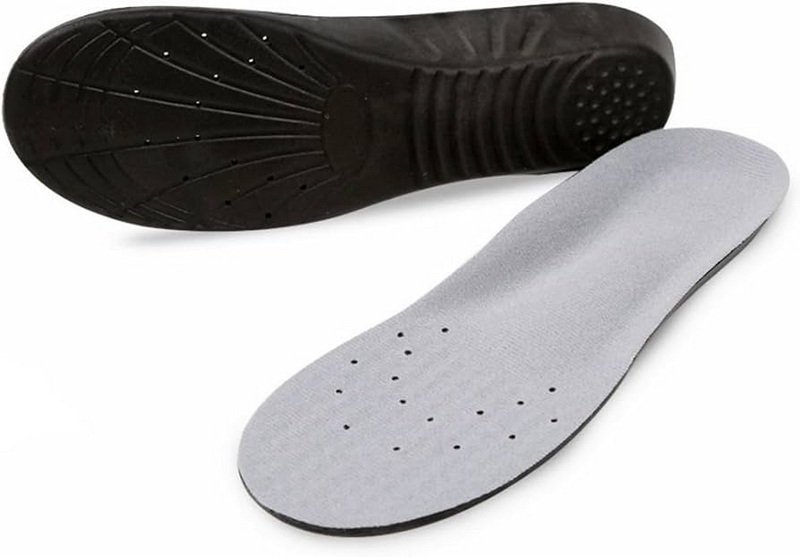
EVA foam insoles deliver exceptional cushioning, flexibility, and shock absorption, making them suitable for all types of footwear from athletic to casual.
Yes. EVA insoles are resistant to compression and maintain shape even after extended use, providing lasting comfort and support.
Absolutely. Manufacturers can adjust density, color, and hardness or add branding through logos, patterns, and surface coatings.
Traditional EVA is not biodegradable, but many factories now use recycled and bio-based EVA materials that support eco-friendly production.
EVA offers faster rebound and stability during walking or sports, while memory foam molds more slowly to foot contours. EVA is often preferred for active-use footwear.


