
Language
Views: 222 Author: Edvo Publish Time: 2025-12-15 Origin: Site


Content Menu
● Why Insoles Are Important for High Arches
● Key Features to Look for in Insoles for High Arches
>> 2. Cushioning and Shock Absorption
>> 4. Material Quality and Breathability
● Common Types of Insoles for High Arches
>> 2. Prefabricated Orthotic Insoles
>> 3. Comfort-Cushioned Insoles
>> 4. Sports Performance Insoles
● How to Choose the Best Insoles for High Arches
● Benefits of Wearing the Correct Insoles
● Signs You Should Replace Your Insoles
● Advanced Insights: Material Innovation in Insole Manufacturing
● How Insoles Affect the Entire Body
● Insole Applications by Use Case
● Sustainable Trends in Insole Manufacturing
● FAQs About Insoles for High Arches
>> 1. Can insoles correct high arches permanently?
>> 2. What is the best material for high-arch insoles?
>> 3. Are sports insoles suitable for everyday wear?
>> 4. How can I tell if insoles fit correctly?
>> 5. Can high-arched people use memory foam insoles?
People with high arche often face persistent foot problems that range from soreness and fatigue to posture misalignment and chronic joint pain. These issues occur because a highly arched foot transfers weight unevenly, concentrating pressure on the heel and forefoot. The easiest and most effective way to correct this imbalance is through proper insoles designed specifically for high arches.
Insoles are more than just shoe inserts — they are precision-made support systems that help distribute weight evenly, absorb shock, and keep your feet aligned. Whether you are an athlete running long distances, a factory worker on your feet all day, or a casual wearer seeking improved comfort, the type of insole you choose matters greatly.
As one of China's leading arch insole manufacturers providing OEM services for global brands and wholesalers, we understand the critical role correct insole design plays in ensuring proper foot support. This article explores everything you need to know about choosing the best insoles for high arches.
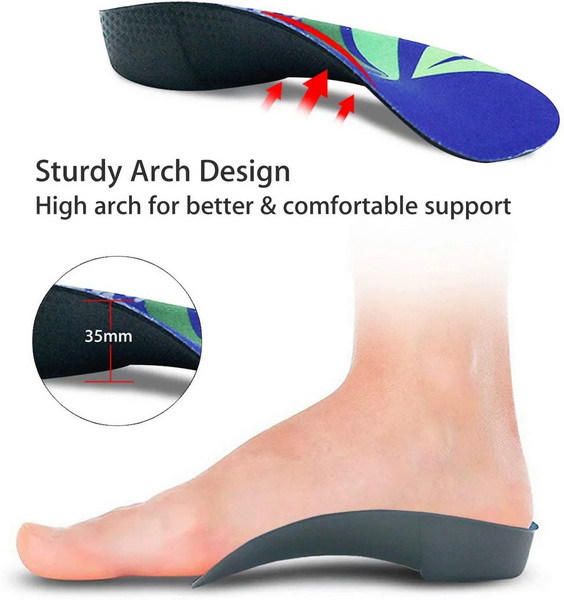
High arches, or cavus feet, are characterized by an unusually raised midfoot area. Unlike flat feet where the arch collapses, high arches do the opposite — the arch curve is overly pronounced, creating a gap between the foot and the floor. This structural shape affects how the foot functions during everyday movement.
When weight is unevenly distributed, high-arched individuals often experience pain in the heel, ball of the foot, and even the ankle joints. Because less surface area touches the ground, the arch doesn't absorb shock effectively, causing strain throughout the kinetic chain — from the knees to the lower back.
Over time, uncontrolled high arches can lead to conditions such as:
- Metatarsalgia (pain in the forefoot)
- Plantar fasciitis (inflammation of the tissue under the foot)
- Achilles tendon strain
- Hammertoes or claw toes
- Poor balance or instability
Recognizing these issues early and selecting the proper insole can prevent deterioration and improve comfort significantly.
Insoles for high arches are essential because they act as a functional interface between your foot and the shoe. Without proper cushioning and support, each step creates repeated stress on the heel and front of the foot.
The right insoles offer several benefits:
- Improved shock absorption: They reduce the impact forces transmitted through the heel and forefoot during walking or running.
- Enhanced stability: A contoured arch and deep heel cup help stabilize the foot's natural motion.
- Proper alignment: Balanced positioning prevents the foot from rolling inward or outward, reducing stress on joints.
- Comfort and fatigue reduction: By supporting your body's natural movement, insoles help you stay comfortable during long hours of activity.
Think of the insole as the foundation of a building — if the base isn't supportive, the entire structure becomes unstable. Similarly, the right insole ensures optimal balance, alignment, and long-term comfort for your feet.
When selecting insoles for high arches, understanding essential design features helps you choose more effectively. Not all insoles are created equal — quality, material, and structure all matter.
The most important aspect is the arch profile. High-arched feet need structured support that fills the gap between the arch and shoe. An insole with a sculpted midfoot area and defined contour helps reduce pressure on both the heel and ball by evenly distributing load across the sole.
The second factor is cushioning. People with high arches naturally have less natural shock absorption. Materials like EVA foam, gel, or polyurethane provide excellent resilience and minimize joint impact. A dual-layer design combining firmness with flexibility offers both comfort and stability.
A deep heel cup helps control excessive movement and keeps the foot aligned in a neutral position. This design prevents rolling and supports stable heel grounding, especially for those prone to supination.
Using breathable, antimicrobial materials ensures fresh and odor-free comfort over long periods. Moisture-wicking top layers prevent sweat buildup, while perforated bases enhance air circulation. For OEM suppliers, choosing eco-friendly and durable materials can add value to your brand reputation.
Lightweight insoles are preferred for daily wear and sports use. However, balance is crucial — they must be flexible enough for comfort but firm enough to hold the arch shape throughout usage.
Different types of insoles cater to different lifestyles and footwear categories. Below are the main groups to consider.
Custom orthotics are individually designed for each foot based on scans or molds. They provide the most precise fit and are recommended for severe arch imbalance or medical conditions. Though more expensive, they offer unmatched personalization.
Prefabricated models offer affordability and convenience. Available in varied arch heights, these insoles deliver structured support suitable for most users. They are perfect for casual shoes, sneakers, and work boots.
These insoles prioritize softness and fatigue reduction. While they may not provide medical-grade corrective support, they excel at comfort and pressure relief for people standing long hours.
Designed for running, hiking, or high-impact exercise, these insoles feature energy-return foam layers and reinforced arch zones. They enhance traction, absorb shocks, and prevent knee or ankle strain.
Heat-moldable insoles combine customization and convenience. When heated and worn, the material adjusts to your foot shape, creating a personalized fit without professional molding.
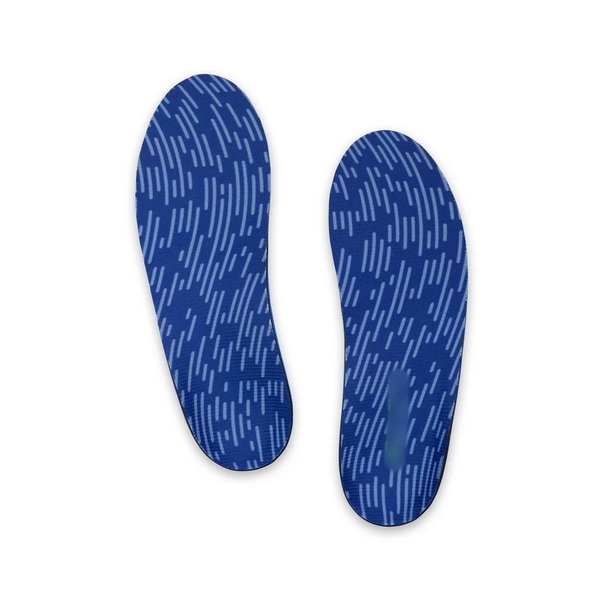
Choosing correctly depends on understanding your own needs and how you use your footwear. Follow these practical steps:
1. Evaluate your arch height. A simple wet footprint test helps you determine whether your arch is mildly or extremely raised.
2. Identify pain locations. Knowing whether discomfort centers on the heel, forefoot, or arch helps guide design selection.
3. Match with your activity. Office environments benefit from thin, flexible insoles; sports require firmer shock-absorbing designs.
4. Ensure shoe compatibility. Bulky insoles may not fit tight dress shoes but are ideal for sneakers or orthopedic shoes.
5. Test different firmness levels. Medium-firm designs support arches without feeling hard underfoot.
Remember, your insoles should feel supportive, not intrusive. If pressure builds on one side of the foot, you may need a more balanced arch profile.
The right insole can transform how your body feels throughout the day. Key benefits include:
- Pain reduction: High arches create concentrated pressure zones. Proper cushioning minimizes soreness.
- Enhanced posture: Balanced foot alignment supports stronger skeletal posture, reducing lower back or hip strain.
- Energy efficiency: Cushioning reduces muscle fatigue, making walking or running smoother and easier.
- Injury prevention: Stabilized arches help avoid repetitive stress injuries, shin splints, and joint wear.
- Long-term comfort: Even after extended use, high-quality insoles maintain shape and structural integrity.
With consistent use, your stride improves, your muscles feel less tense, and standing for long periods becomes manageable.
Even premium insoles wear down over time. Key warning signs include:
- Noticeable flattening of the arch contour
- Persistent odors despite proper cleaning
- Cracked material or worn heel pads
- Foot pain returning after initial relief
Replacing insoles every six to twelve months ensures you maintain optimal performance. For OEM distribution, advising customers on replacement intervals increases satisfaction and repeat purchases.
Maintaining your insoles helps prolong their lifespan and performance quality. These maintenance tips apply both to individual wearers and retailers handling large volumes:
- Remove and air-dry insoles after use.
- Wash lightly with soap and water — avoid soaking.
- Always dry naturally, away from direct sunlight.
- Store them flat to prevent warping.
- Rotate pairs to extend durability.
Professional users, such as athletes or workers, benefit from owning multiple pairs of insoles for different footwear and purposes.
As global demand for ergonomic footwear rises, modern insole production has evolved. Manufacturers, especially in China, are innovating with cutting-edge materials and ergonomic engineering. For companies providing OEM insole production, selecting the right combination of materials is central to top-tier comfort and performance.
Popular advanced materials include:
- High-density EVA foam: combining flexibility with strong compression resistance.
- TPU (Thermoplastic Polyurethane): durable, semi-rigid material ideal for long-term stability.
- PU memory foam: adapts to the user's foot, enhancing comfort over time.
- Honeycomb gel structures: deliver targeted pressure relief zones for better energy return.
These innovations allow OEM manufacturers to produce insoles tailored to various global market needs, from athletic to medical-grade categories.
While insoles focus on feet, their effects extend through the entire kinetic chain. The feet are the body's foundation; when this foundation is off balance, every joint above compensates. For high-arched users, correcting alignment with proper insoles improves:
- Knee tracking: preventing outward rotation and torque strains.
- Hip stability: maintaining symmetry during walking and standing.
- Spinal posture: reducing rounding or tilting from uneven foot pressure.
This holistic benefit explains why many orthopedic specialists recommend high-quality insoles not only for athletes but also for office employees or seniors prone to lower back discomfort.
Different environments and lifestyles demand distinct insole properties. Below are examples of how to match them to your daily needs:
- For Work: Choose supportive insoles with firm arch reinforcement and antibacterial coatings for daily durability.
- For Sports: Opt for flexible options that combine shock-absorbing gel with a responsive base layer to maintain energy efficiency.
- For Casual Shoes: Lightweight, slim-profile insoles with breathable fabrics ensure comfort without bulk.
- For Medical Correction: Use custom or semi-custom orthotics approved by specialists to improve posture and minimize pain.
- For Outdoor Use: Select weather-resistant materials with added grip and moisture control.
Through OEM customization, manufacturers can adapt insole properties to any sector — from factory footwear to premium sneakers.
The insole industry is also embracing sustainability. Eco-conscious consumers increasingly prefer biodegradable or recycled materials, driving innovation in insole design. Companies now integrate plant-based polymers, recycled EVA compounds, and water-based adhesives to reduce carbon footprints.
For global brands sourcing from Chinese manufacturers, implementing green production enhances both brand image and compliance with international environmental standards. Eco-friendly insoles also allow wholesalers to market products to conscious buyers without compromising comfort or performance.
High arches demand dedicated care and proper support. The right insoles provide more than comfort — they deliver joint alignment, reduce metabolic strain, and help users maintain healthy motion throughout their lives. Understanding the anatomy of high arches and selecting a suitable design ensures consistent comfort and protection from long-term injury.
As a leading insole manufacturer in China, we supply OEM-customized insoles that combine the latest material science with ergonomic design. Our products are trusted by international brands and distributors for their balance of comfort, functionality, and quality assurance. Whether you need sport-performance insoles, casual wear supports, or medically-inspired orthotic solutions, every detail we produce is designed to enhance comfort from the ground up.
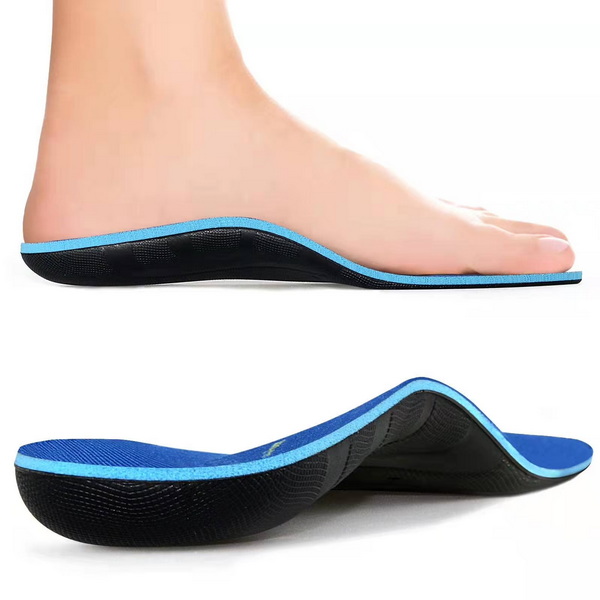
Insoles cannot change your foot structure, but they can relieve pain, balance your stance, and prevent conditions caused by uneven pressure.
A combination of EVA foam and gel works well. This pairing offers lightness, durability, and responsive cushioning without losing shape.
Yes, if the insoles provide adequate breathability and fit well into your everyday shoes. Many sports models now double as comfort inserts for daily use.
A proper fit supports the entire arch without pinching or leaving gaps. The heel should feel secure, and your toes should have space to move comfortably.
Yes, memory foam is an excellent choice as long as it includes a structured arch base. It combines cushioning comfort with responsive contouring.


