


Content Menu
● Understanding the Foot Arch Structure
● Why Some People Need High Arch Insoles
● Biomechanics Behind a High Arch Support
● Materials and Construction of High Arch Insoles
>> EVA Foam
>> Natural Cork
● The Anatomy of a High Arch Insole
● Benefits of Using High Arch Insoles
● How to Choose the Right High Arch Insole
>> Step 1: Understand Your Arch Type
>> Step 2: Analyze Your Activities
>> Step 3: Match to Shoe Design
>> Step 4: Personal Preference and Comfort
● Modern Technologies in High Arch Insole Manufacturing
>> Injection and Compression Molding
>> Laser Perforation and Breathability Design
>> Environmentally Friendly Materials
● OEM and Private Label Insole Solutions
● Understanding Difference Between Arch Types
● How High Arch Insoles Influence Health and Lifestyle
>> 1. What problems do high arch insoles solve?
>> 2. Can anyone use high arch insoles?
>> 3. How often should I replace them?
>> 4. Are custom-molded insoles better?
>> 5. Can high arch insoles fit into all shoe types?
When people talk about footwear comfort, the phrase high arch insole often appears, especially among athletes, outdoor enthusiasts, and professionals who spend long hours standing. But what does the term truly mean, and why does it matter to both consumers and footwear manufacturers? Understanding the science behind high arch insoles can improve product design, enhance performance, and even prevent chronic pain disorders.
Before discussing what makes a high arch insole essential, it helps to understand the foot arch itself. The human foot is a complex mechanical structure made up of 26 bones, 33 joints, and over a hundred muscles, ligaments, and tendons. All these elements work together to create three fundamental arches that support movement and balance.
- Medial longitudinal arch – runs along the inside length of the foot and carries most of the load during walking or running.
- Lateral longitudinal arch – found along the outer side, adding stability.
- Transverse arch – runs across the width of the midfoot, offering balance and flexibility.
A well-shaped arch acts as a natural shock absorber, reducing the stress on your knees, hips, and spine. However, when the arch is too high, less of the foot contacts the ground. This uneven pressure distribution increases the strain on the balls and heels of the feet, often causing discomfort and imbalance. This is where high arch insoles come into play.
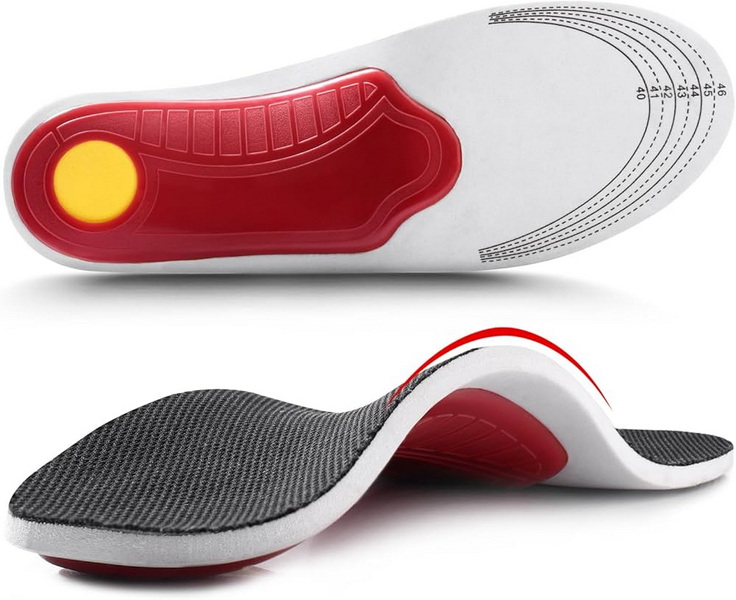
A high arch insole is a contoured insert engineered to fill the gap between the elevated foot arch and the shoe base. It delivers cushioning and structural support to stabilize the foot. By lifting the arch and evenly distributing body weight, these insoles transform how force travels through the foot during every step.
Unlike generic flat insoles, high arch insoles are ergonomically molded to replicate the shape of a raised foot arch. They often combine multiple materials that contour dynamically to the foot, providing both firmness and flexibility where needed.
These insoles are popular in both consumer footwear and customized OEM production for sports, medical, and lifestyle applications.
Having a high arch is often a genetic trait, though certain conditions or injuries can accentuate it. People with high arches may experience:
- Increased foot fatigue due to poor shock absorption.
- Ankle instability that leads to missteps or over-supination.
- Chronic pain in the heel, metatarsal, or even lower back areas.
- Uneven shoe wear patterns, showing excessive outer-edge damage.
High arch insoles minimize these issues by creating a balanced foundation under the foot. They also assist in correcting misalignment by guiding the ankle and midfoot into a more neutral position.
For manufacturers and footwear brands, designing an insole that offers proper arch elevation means addressing both comfort and biomechanical efficiency — hallmarks of quality that customers can feel immediately upon wearing.
High arches alter the way pressure flows during locomotion. When the midfoot does not absorb enough force, the heel and forefoot handle the majority of impact energy. Over time, this uneven loading can lead to stress-related injuries like:
- Plantar fasciitis – caused by repetitive strain on the plantar fascia ligament.
- Metatarsalgia – pain in the ball of the foot from excessive pressure.
- Shin splints – resulting from improper shock absorption during movement.
- Achilles tendon stress – due to poor alignment and gait instability.
High arch insoles assist by distributing ground reaction forces more evenly while restoring proper bio-mechanical alignment. When designed correctly, they help convert vertical impact forces into horizontal motion, allowing for smoother gait and stronger performance.
The selection of material plays a significant role in determining the durability and comfort of a high arch insole. Each type has its own mechanical properties, making it suitable for different footwear categories.
This lightweight polymer is flexible, shock-absorbing, and cost-effective. EVA is ideal for mass-produced running and lifestyle shoes because it compresses slightly under pressure, adapting to the user's foot shape.
Polyurethane provides firmer support and longer lifespan than EVA. It is highly resilient, suitable for work boots, hiking shoes, and safety footwear where load-bearing capacity matters.
These materials specialize in impact cushioning, often integrated into the heel or forefoot zones. They enhance rebound comfort without adding bulk.
Cork is renewable, breathable, and responsive to body warmth, molding naturally to one's foot arch over time. Many high-end orthopedic insoles still use cork bases.
Memory foam conforms quickly to the foot and offers a soft underfoot feel. When paired with supportive foam bases, it creates a balanced hybrid for all-day wear.
High-performance sports insoles often integrate thermoplastic polyurethane (TPU) or carbon fiber shells for rigidity and shape retention, especially effective for extreme arch profiles.
For OEM insole manufacturers, blending multiple layers—such as a PU base for stability with a top EVA cushion—creates products that meet both durability and comfort demands.
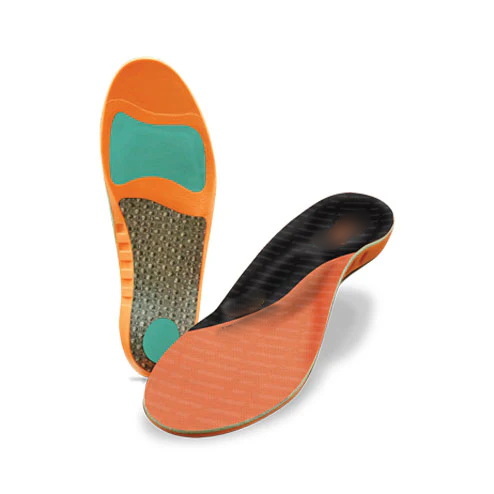
A well-constructed high arch insole includes several layers engineered to enhance biomechanical performance.
1. Top Fabric Layer: Often antimicrobial or moisture-wicking to prevent odor and friction.
2. Cushioning Layer: Made of foam or gel, it absorbs shock and maintains comfort during long wear.
3. Arch Support Zone: A contoured, firm region that lifts and stabilizes the arch.
4. Heel Cup: Helps align the heel, improving balance and reducing slippage.
5. Metatarsal Pad: Reshapes pressure points and supports the front of the foot.
6. Base Shell: Provides structure and shape retention for long-term use.
Each component must coordinate precisely to deliver stability without reducing flexibility.
High arch insoles can dramatically improve user comfort, performance, and posture. Their main benefits include:
- Pain reduction: Targets pressure relief in high-load areas.
- Enhanced balance: Promotes neutral alignment during walking or running.
- Improved endurance: Muscles work more efficiently when foot mechanics are corrected.
- Better posture: Correct foot alignment extends upward to the ankles, knees, hips, and spine.
- Longer shoe life: They protect internal shoe materials from collapse and wear.
- Injury prevention: Reduces risk of stress fractures and tendon strain.
Many athletes notice performance improvement simply by switching to insoles that match their arch type. For daily users, the comfort difference becomes apparent almost immediately.
Selecting the correct insole involves several factors beyond just foot shape.
A “wet test” is a simple home method: wet your foot and step on paper. If the footprint shows a narrow band or missing midsection, you have a high arch.
Running, hiking, walking, and working on hard surfaces all require different insole densities. Runners may prefer lightweight EVA, while workers may need firm PU bases.
Choose insoles that fit the style of your shoe. For example, sports shoes can handle thicker models, while formal or dress shoes need low-profile designs.
Arch height varies among users; adjustable insoles or heat-moldable versions allow for a customized experience.
When developing OEM insole lines, combining these considerations ensures the final product suits a broad audience.
Advances in insole technology are reshaping the global footwear industry. Below are the most innovative processes used by professional OEM factories:
3D scanners capture accurate foot geometry, enabling the creation of precision molds that perfectly fit different foot shapes.
Computer-Aided Design and Manufacturing allow designers to generate dynamic models and test various material combinations digitally.
These methods produce consistent, high-quality insole bases that maintain structure and resilience under heavy use.
Advanced machinery creates micro ventilation channels, making insoles cooler and more breathable.
Sustainable foams derived from recycled EVA or natural cork are increasingly adopted as consumers demand eco-friendly products.
By integrating these technologies, Chinese OEM factories can offer global brands customized, large-volume production that meets both comfort and sustainability standards.
For international brands, choosing the right insole OEM partner is as crucial as selecting the shoe design itself. Working with a China-based high arch insole manufacturer provides several advantages:
- Flexibility in customization: Shapes, hardness levels, and fabric types can be adjusted to your brand's target market.
- Brand personalization: Logo printing, unique packaging, or custom color schemes support private-label branding.
- Competitiveness: Economies of scale reduce manufacturing costs without sacrificing quality.
- Certified quality assurance: Advanced testing ensures compliance with international standards such as REACH, RoHS, and ISO.
- Fast lead times: Streamlined production management allows on-time global shipment.
By outsourcing production, footwear brands can focus on marketing and sales while maintaining control over design and quality.
Proper maintenance extends the lifespan of a high arch insole and ensures consistent performance.
- Clean regularly with mild soap and air dry. Avoid direct heat.
- Always remove insoles overnight to allow them to breathe.
- Rotate multiple pairs to extend durability for heavy users.
- Replace regularly once compression marks appear or support feels diminished.
- Ensure proper fit—avoid loose edges or sliding inside the shoe.
Even the most durable insole loses its resilience over time. Regular replacement keeps comfort and performance intact.
When educating consumers, it's useful to contrast low, medium, and high arch support:
- Low arch (flat foot): Requires firm medial support and motion control to prevent overpronation.
- Normal arch: Best suited for neutral insoles that combine support with flexibility.
- High arch: Needs maximum cushioning and elevated midfoot support to offset lack of shock absorption.
Knowing these categories helps brands label products more accurately and guide users to the right choice during purchase.
Comfortable movement is fundamental to daily well-being. Regular use of proper arch support can offer benefits beyond the feet:
- Spinal alignment improvement. Balanced arches allow for even weight distribution through the skeletal chain.
- Improved blood circulation. Reduced pressure hotspots support better foot health.
- Enhanced athletic performance. Efficient movement and reduced fatigue boost agility.
- Pain management for chronic conditions. Many physiotherapists recommend supportive insoles as part of long-term treatment programs.
In essence, a high arch insole contributes not just to comfort but to overall body wellness.
Technological innovation continues to redefine the insole industry. The near future points toward smart insoles embedded with sensors to track pressure, balance, and gait patterns—feeding data into mobile apps for real-time health monitoring.
Additive manufacturing (3D printing) allows ultra-customized insole shapes, while biodegradable and recycled materials reduce waste. For OEM manufacturers, this evolution means a combination of engineering precision and environmental responsibility.
China's advanced insole factories are already investing in these technologies to stay ahead in the competitive global footwear market, ensuring partners receive innovative solutions at scale.
High arch insoles represent more than just accessories—they are corrective tools that combine engineering, biomechanics, and comfort science. They support the structural integrity of the foot, enhance posture, and protect against long-term injuries. For global brands and importers, collaborating with a professional OEM manufacturer enables consistent, scalable production of high-quality insoles tailored for diverse markets.
Whether for sports, occupational footwear, or casual use, high arch insoles demonstrate how intelligent design transforms comfort into performance. By understanding their function and composition, both users and manufacturers can take confident steps—literally and figuratively—toward better foot health and stronger products.
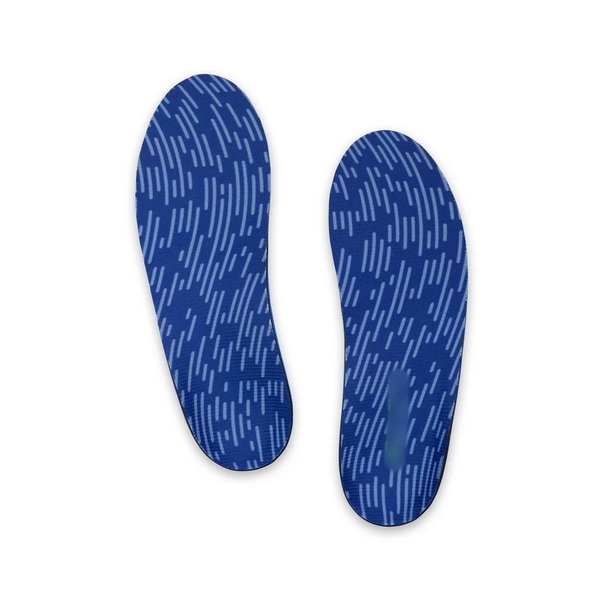
They alleviate heel and forefoot pressure, improve balance, and prevent pain or strain associated with high arches or supination.
While best for those with high arches, some neutral-foot users also benefit from added stability during high-impact activities or long working hours.
Every six to twelve months, depending on use intensity and material wear. Visible compression or flattening signals replacement time.
Yes, but well-engineered OEM high arch insoles offer excellent results for most users at more affordable costs.
Most fit comfortably into athletic, casual, or work shoes. For dress shoes, a thinner, low-profile model works best.


