
Views: 222 Author: Edvo Publish Time: 2025-10-29 Origin: Site


Content Menu
● Understanding Heat Molding Technology
● The Core Components that Make It Work
>> 1. Thermoformable Structural Base
>> 2. Multi-Density Memory Foam Cushioning
>> 3. Dynamic Arch Support Zone
>> 4. Moisture-Control Top Layer
● The Heat Molding Procedure Step by Step
● Material Engineering Behind the Comfort
● Advantages of Heat Molding Insoles
● Inside the Manufacturing Process
● OEM Customization for Global Brands
● Applications Across Consumer Segments
● Care, Maintenance, and Longevity Tips
● Comparing Heat Molding Insoles with Conventional Inserts
● Sustainability and Eco‑Innovation
● The Science of Foot Support and Pressure Mapping
● Integration with Smart Footwear Technology
● Common Problems Solved by Heat Molded Insoles
● User Experience and Performance Feedback
● FAQs About Heat Molding Foot Arch Support Insoles
>> 1. How long can a heat molded insole last?
>> 2. Can they be reheated for reshaping?
>> 3. Are they recommended for everyone?
>> 4. Are there size limitations?
>> 5. Do I need any special equipment for molding?
Comfort meets innovation through heat molding foot arch support insoles—custom-fitted footwear solutions designed to transform how your feet handle daily stress and performance activities. Instead of relying on generic cushioning, heat molding insoles adapt to every contour of your foot, offering personalized comfort and structural alignment. For athletes, workers, and anyone seeking better foot health, understanding what goes into these advanced insoles helps uncover why they are quickly becoming an international favorite.
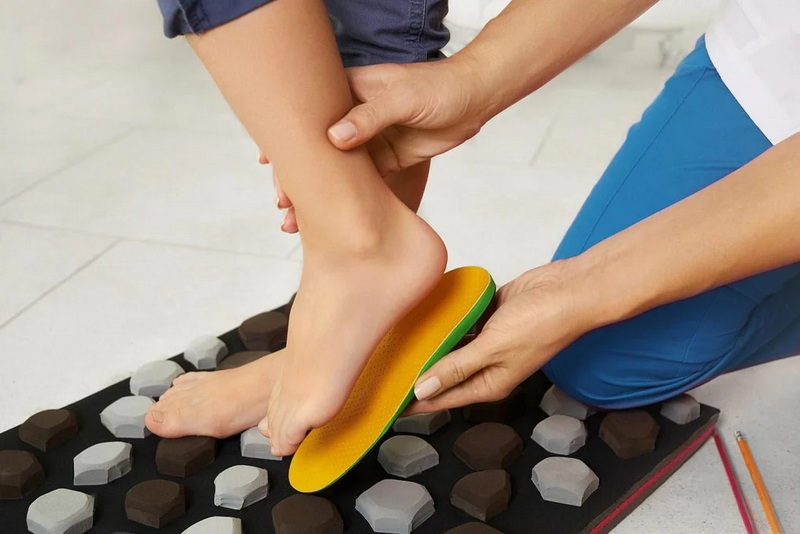
Heat molding technology gives a tailored fit by reshaping the insole around the unique curves of each foot. When exposed to controlled heat (around 80–90°C), the materials soften and become semi-fluid, allowing them to mold under body pressure. As they cool, they return to a firm but supportive state that locks in your personalized arch profile.
This process ensures the insole mirrors your natural arch height, heel depth, and pressure zones. The effect goes beyond comfort — it enhances biomechanical efficiency, promoting a straighter posture, smoother stride, and shock distribution across every step.
Each heat molding foot arch support insole is a complex multilayer system, merging physics and material science to deliver a perfect fit.
At its foundation lies a thermoformable base, usually made of EVA (ethylene-vinyl acetate), TPU (thermoplastic polyurethane), or PP (polypropylene). These materials are engineered for controlled deformability—strong enough to provide rebound support but flexible enough to contour under heat.
Manufacturers select material blends that combine stability, elasticity, and resilience. A dual‑density design may also be used: a firmer heel cup paired with a softer forefoot zone to balance impact absorption and energy return.
The mid-layer integrates high-rebound memory foam, engineered for superior comfort and micro‑shock absorption. It compresses when stepped on, then rebounds slowly, redistributing pressure points across the sole.
This layer determines whether long-term wear feels truly supportive. Softer foams comfort the toes and ball of the foot, while firmer foams maintain heel stability. Together, they create ergonomic balance for both light and heavy users.
The arch zone forms the biomechanical core of these insoles. Its semi-rigid structure is carefully shaped to align the plantar fascia—the ligament running across the bottom of the foot—and to prevent the heel from collapsing inward.
Some advanced models even feature carbon fiber or fiberglass hybrids—offering lightweight torsional stiffness that significantly improves energy transfer during sports and high-impact activity.
The top coating ensures breathability and hygiene. Antibacterial fibers inhibit microbial growth, while sweat-wicking textiles manage humidity. Options vary from microfiber and bamboo fabric to mesh-laminated synthetics.
This layer improves durability and freshness, especially vital for long-wear environments like industrial work boots or athletic competitions.
1. Warm-up Stage: Preheat a conventional oven as per manufacturer guidelines (usually under 100°C).
2. Softening Phase: Place the insoles on a clean tray for about two to three minutes until the surface becomes slightly pliable.
3. Fitting Phase: Insert into shoes while warm, and immediately put them on.
4. Molding Stage: Stand naturally for a few minutes letting your body weight press the softened material to your unique shape.
5. Cooling Stage: Keep wearing them until they fully cool and firm up, creating a permanent imprint.
By reshaping to your footprint, the insoles evenly balance muscle tension through the arch, heel, and metatarsal zones. It provides stability often compared to a professional orthotic fit.
| Layer | Material Type | Key Performance Role |
|---|---|---|
| Top Surface | Microfiber mesh / bamboo fiber | Moisture control and hygiene |
| Cushion Core | PU or viscoelastic foam | Shock dissipation and comfort |
| Arch Structure | Thermoformable EVA or TPU | Postural stability |
| Base Support | Dual‑density EVA or rubber compound | Traction and durability |
The balance between thermoplastic flexibility and foamed cushioning defines user satisfaction. Modern production uses computer‑controlled molds and temperature sensors to ensure consistency for large OEM batches.
- Precision Fit: The personal contour minimizes friction and skin irritation.
- Support & Balance: Proper arch shaping aligns knees, hips, and back posture.
- Pain Reduction: Relieves stress-related injuries like plantar fasciitis or shin splints.
- Adaptive Use: Suitable for both athletic training and all-day work environments.
- Material Longevity: Retains molded form over months without deformation.
Thermoformable insoles essentially act like a memory device for your foot — an intelligent structure remembering how your feet move.

China's advanced insole manufacturers combine eco-efficient production with high-volume precision. The manufacturing chain typically consists of the following stages:
1. Design and Mold Creation: Engineers simulate anatomical profiles digitally before CNC machining steel molds.
2. Material Layering: Raw EVA, fab materials, and foams are laminated under controlled compression and temperature.
3. Vacuum Pressing: Heated sheets are drawn into molds using a vacuum process ensuring perfect thickness control.
4. Thermal Cutting and Shaping: Custom blades cut exact outlines to match shoe sizes.
5. Finishing & Branding: The top surface is printed or embossed with logos, finished with odor-resistant coatings.
6. Quality Control: Each batch undergoes compression recovery testing, wear simulation, and dimensional checks.
OEM production lines emphasize repeatability—each insole must replicate comfort standards regardless of design customization.
As a leading Chinese insole manufacturer, our factory customizes every component for overseas clients seeking unique branding and performance advantages.
Available customization options include:
- Adjustable thickness and arch height selection
- Tailored density ratios for athletic, medical, or casual use
- Branding embossment, logo injection, and packaging design
- Eco‑friendly material alternatives using recycled EVA and TPU
- Integration with heat responsive smart polymers for next-gen lines
Each OEM project is developed under strict international quality management, ensuring uniform fit performance across millions of production pairs.
1. Athletes and Sports Enthusiasts: Runners, cyclists, and basketball players use them to stabilize balance, especially on uneven terrains.
2. Medical and Orthopedic Use: Patients dealing with plantar fasciitis, pronation, or post-surgery rehabilitation benefit from custom pressure redistribution.
3. Industrial Workwear: Long‑standing factory or warehouse workers experience substantial fatigue reduction.
4. Hiking and Outdoor Gear: Compatible with trekking boots for endurance activities across diverse landscapes.
5. Casual and Lifestyle Shoes: Premium comfort insoles provide luxury-level feel for daily footwear.
Heat molding insoles have become integral across fitness, healthcare, and fashion sectors due to their ergonomic adaptability.
To maintain consistency and hygiene:
- Avoid exceeding manufacturer heating temperature when remolding.
- Clean gently with mild soap and water; air‑dry completely before reuse.
- Do not expose to direct sunlight for prolonged periods.
- Replace every six to twelve months or once cushioning resilience weakens.
- Store in breathable containers to prevent odor buildup.
Proper maintenance ensures that both cushioning effectiveness and antibacterial properties remain active for a longer time.
| Feature | Heat Molding Insole | Regular Insole |
|---|---|---|
| Fit Adaptability | Custom contoured | One-size profile |
| Material Flexibility | Thermoformable responsive layers | Static foam |
| Durability | Higher lifespan (6–12 months) | Moderate (3–6 months) |
| Comfort Level | Personalized ergonomic support | Basic soft padding |
| Target Segment | Sports, medical, high-performance | Everyday casual use |
While both offer foot cushioning, only the heat moldable version actively reshapes according to the user's anatomy, using heat memory technology.
Responsible manufacturing now emphasizes renewable resources and low-emission molding. By integrating bio‑based EVA compounds and water‑based adhesives, advanced insole lines help reduce chemical discharge and energy waste.
Our facility employs closed‑loop temperature control and recycling systems, further minimizing the environmental footprint. Some new experimental insoles incorporate biodegradable foams—breaking down naturally at the end of their lifecycle without residual toxicity.
Biomechanics form the foundation of arch design. State‑of‑the‑art foot scanning captures 3D data points across heel, metatarsal heads, and arch length. Manufacturers analyze these patterns to predict stress accumulation zones.
Through finite element analysis (FEA), engineers adjust insole curvature to distribute force evenly. This means every step channels energy efficiency instead of creating repetitive strain. For daily users, that translates into less soreness, better balance, and prolonged footwear lifespan.
The next generation of heat molding insoles integrates embedded sensors that monitor gait, posture, and temperature. These micro‑modules feed real‑time data to smartphone apps for user insight. While still emerging, this fusion of wearable technology with thermoformable comfort may redefine orthotic customization in the near future.
- Foot fatigue during long-standing work shifts
- Arch collapse in people with flat feet
- Joint discomfort linked to poor weight distribution
- Instability caused by pronation and supination
- Limb inequality compensation through custom thickness layers
Because they realign your natural posture, users often report improved body mechanics, reduced lower back pain, and better gait control after consistent use.
Professional athletes praise heat molded insoles for maintaining performance during extended training sessions. Office employees notice the ease of movement and lower fatigue levels. Medical practitioners recommend them for enhanced rehabilitation efficiency. These insoles bridge clinical orthotic benefits with consumer convenience—no lab appointments, just home fitting.
International distributors appreciate how OEM factories in China can deliver customizable models with competitive pricing, ensuring consistency from athletic to lifestyle collections.
Heat molding foot arch support insoles demonstrate how advanced material engineering meets personalized comfort. Their articulated structure, thermoformable responsiveness, and biomechanical support combine to deliver health, stability, and efficiency unmatched by standard inserts.
Whether for global footwear brands, medical applications, or athletic products, OEM manufacturers in China continue to refine designs to meet evolving comfort standards. Choosing heat molding insoles means investing in individualized care, energy efficiency, and functional innovation—making every step more confident and supported.

Under normal use, a high-quality pair endures between six and twelve months, depending on usage frequency and activity level. Proper care can extend the lifespan even further.
Yes. Most premium insoles can be remolded one to two additional times safely, allowing adjustments for different footwear.
They are ideal for people seeking orthopedic comfort, athletes needing support, and workers spending long hours standing. For certain medical conditions, consult a professional before use.
Available in full and trim‑to‑fit formats, they accommodate every shoe category—from sneakers to safety boots and leather footwear.
No professional tools required; a household oven and ordinary shoes are sufficient. Clear instructions accompany every product for safe DIY heat molding.


