
Language
Views: 222 Author: Edvo Publish Time: 2025-12-17 Origin: Site


Content Menu
● Understanding Heated Insoles
● The Growing Popularity of Heated Insoles
● Essential Features That Define the Best Heated Insoles
>> Temperature Control and Heat Management
>> Battery Power and Longevity
>> Durability and Waterproofing
● Materials and Production Techniques Behind Heated Insoles
● Advantages of Using Heated Insoles
● What Makes a Heated Insole Manufacturer Reliable
● OEM and ODM Solutions for Heated Insoles
● Technological Advancements Reshaping Heated Insoles
● Application Scenarios of Heated Insoles
● How to Choose the Right Heated Insoles
>> For Businesses and OEM Buyers
● Manufacturing Quality and Testing Standards
● Maintenance, Safety, and Longevity Tips
● Environmental Responsibility in Heated Insole Production
● The Future of Heated Insole Innovation
>> 1. How long do heated insoles typically last?
>> 2. Can I clean my heated insoles?
>> 3. How long does a full battery charge last?
>> 4. Are heated insoles safe for health conditions like diabetes or Raynaud's disease?
>> 5. Can I order customized, branded heated insoles for my business?
Heated insoles have quickly become one of the most sought-after innovations in footwear accessories. They bring consistent warmth, comfort, and support to people living or working in cold environments. Whether you are hiking snowy trails, skiing through the mountains, or just commuting during winter, a quality heated insole can transform your experience.
For international distributors, retailers, and footwear brands, heated insoles also offer a profitable expansion category. Demand continues to grow across Europe, North America, and Asia, as comfort technology evolves and consumers seek smarter, more sustainable warmth solutions. This article explores what truly defines the best heated insoles—from technology and materials to OEM production insights—and how businesses can leverage this innovation.

Heated insoles are wearable electronic devices built into shoe inserts that radiate gentle heat to the feet. Using rechargeable battery power and integrated heating elements, they deliver warmth evenly across the footbed.
Modern designs have evolved far beyond traditional thermal insoles. Today's top models feature adjustable temperature settings, Bluetooth mobile control, quick charging systems, and ergonomic structures that contour perfectly to the foot. The result is not just warmth but an enhanced sense of comfort and wellness.
Several long-term consumer and industrial factors are driving this growing market trend:
- Outdoor lifestyle growth – More people engage in activities like hiking, camping, and winter sports, where warmth is essential.
- Occupational needs – Workers in logistics, agriculture, and construction face long hours outdoors and rely on heated footwear for safety.
- Health and medical purposes – Individuals with conditions like Raynaud's disease or diabetes use heated insoles to enhance circulation.
- Technological convenience – Lightweight batteries and wireless controls make usage seamless and reliable.
- Eco-friendly designs – Manufacturers are developing rechargeable, energy-efficient heating systems to reduce waste.
All these aspects make heated insoles not just a seasonal accessory but a lifestyle companion—offering warmth, mobility, and wellness benefits year-round.
The quality and performance of a heated insole depend on multiple factors. Let's break down each key element.
The most effective heated insoles allow users to adjust heat levels according to preference. Some models offer three-step manual controls, while advanced versions use mobile apps with precision temperature regulation. These systems maintain consistent warmth without overheating or draining the battery too quickly.
Battery capacity defines how long an insole stays warm. Top-rated insoles use high-efficiency lithium-ion or lithium-polymer batteries. Depending on the model, they can last from 6 to 12 hours on a single charge. Convenient USB-C or wireless charging adds user convenience, while removable battery packs make them easier to maintain.
A great heated insole must not compromise comfort. The cushioning layer should relieve pressure and absorb shock. Popular materials include EVA foam, PU foam, and memory foam. Breathable upper fabrics also keep feet dry and prevent odor accumulation during long-term wear.
Since heated insoles often face harsh environments, durability is crucial. Waterproof coatings, sealed electrical lines, and reinforced connectors ensure that products remain safe and functional in snow or rain. The ideal design combines flexibility with a protective layer over sensitive circuits.
Uniform heat dispersion is critical. Uneven heat patches can reduce comfort or even cause mild burns. The best heated insoles use large-surface carbon-fiber heating films or graphene-based warming sheets that cover the full foot area for smooth, balanced heating.
Producing high-performance heated insoles requires advanced layering technology and precision engineering. A typical insole includes:
- Heating element: Usually a carbon-fiber filament or thin heating film that radiates heat quickly and evenly.
- Insulation layer: EVA or TPU foam to preserve temperature and provide comfort cushioning.
- Top layer: Breathable, anti-bacterial fabric for hygiene and moisture control.
- Outer casing: Lightweight TPU or rubber that protects the heating component.
- Battery unit: Rechargeable pack with safety circuitry to prevent overload or short-circuit.
In OEM manufacturing, every element can be customized—from voltage and power output to shape and branding. For example, some brands prefer detachable battery clips for ski boots, while others integrate batteries directly for commuter shoes.
The benefits extend beyond simple warmth. Heated insoles deliver real physiological and performance advantages:
- Improved blood circulation: Consistent warmth enhances microcirculation, reducing cold-related stress and discomfort.
- Injury prevention: Prevents frostbite and stiffness during cold-weather activities.
- Increased endurance: Warm feet can move longer without fatigue, especially in outdoor occupations.
- Comfort and mental focus: Sustained heat improves concentration and overall body comfort.
- Customizable temperature: Users can tailor warmth levels to changing environments.
For businesses, offering such functional comfort products enhances brand trust and customer satisfaction, leading to repeat sales during winter seasons.
In the global supply chain, reliability stems from both engineering capability and quality assurance. A professional manufacturer should have:
- Full in-house prototyping and testing.
- Certifications such as CE, RoHS, or FCC.
- Expertise in molding, textile integration, and circuit embedding.
- Stable material sourcing partnerships to ensure consistency.
- Comprehensive after-sales service and technical documentation.
Working with an experienced Chinese factory gives global buyers several advantages: lower tooling costs, flexible MOQs, multilingual design support, and faster product iteration cycles. That's why many premium brands choose OEM and ODM partnerships in China.
OEM (Original Equipment Manufacturer) and ODM (Original Design Manufacturer) services enable brands to build their custom heated insole lines efficiently. Under an OEM model, the buyer provides a design or specification list, while the manufacturer produces according to that concept. Under ODM, the manufacturer develops product designs from scratch and helps the buyer label them under their brand.
We specialize in both OEM and ODM services, offering full customization for:
- Insole dimensions and contours.
- Heating element temperature range.
- Battery configuration and safety system.
- Branding, labeling, and retail packaging design.
- Bluetooth app interfaces for smart control.
Such flexibility allows foreign wholesalers and startups to launch competitive heated insole products without heavy R&D investment.
The industry continues to evolve with emerging technologies that enhance efficiency, intelligence, and environmental responsibility. Some notable trends include:
- Graphene-based heating layers that achieve higher thermal efficiency while remaining ultra-thin.
- AI temperature sensors that automatically adapt heat output based on foot temperature or outdoor weather.
- Wireless charging systems eliminating exposure to charging ports.
- Eco-recyclable materials aligning with global sustainability objectives.
- Flexible battery cells that conform to natural foot movement without pressure points.
These innovations make modern heated insoles smarter, safer, and closer to the ideal combination of performance and comfort.
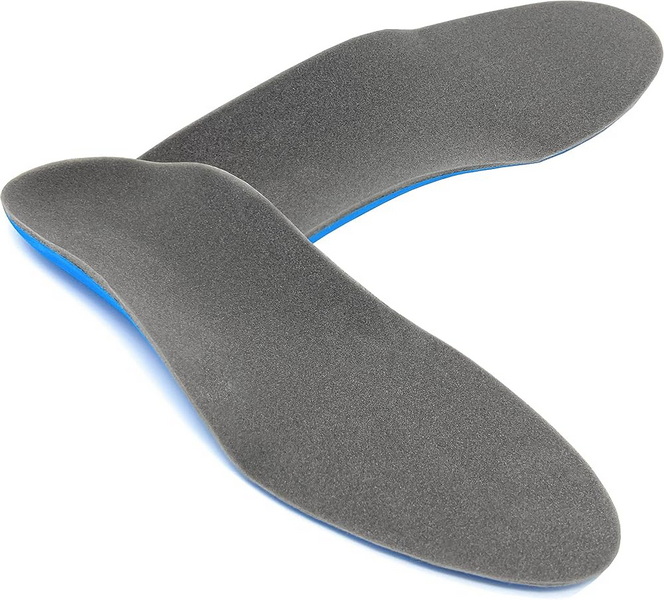
Heated insoles cater to diverse usage environments:
- Winter sports: Ideal for skiers, snowboarders, and ice fishermen.
- Outdoor labor: Construction and logistics workers benefit from extended heat duration and durability.
- Daily commuting: Lightweight, rechargeable models help city dwellers stay warm outdoors.
- Medical comfort: Individuals suffering from poor circulation or arthritis often experience relief through steady warmth.
- Military and emergency services: Provide operational efficiency in extremely cold field conditions.
No matter the industry or user profile, heated insoles have become a core tool for health, productivity, and comfort.
Selecting the best heated insoles involves considering individual needs and lifestyle factors. Here are a few recommendations:
Choose robust models with waterproof protection, high-capacity batteries, and full-foot heating zones. A remote-control or Bluetooth app system adds convenience when wearing heavy gear.
Durability takes priority. Reinforced edges, anti-slip designs, and longer battery endurance are essential for full shifts under low temperatures.
Opt for lightweight, flexible models powered by USB-charging systems. Thin-profile heated insoles fit easily in casual shoes or sneakers.
Select manufacturers who can provide compliance certificates, sample testing, and multi-tier quality inspections. Strong communication and flexible customization ensure a successful long-term partnership.
Producing reliable heated insoles requires strict quality management at every step. Each pair goes through:
- Electrical safety testing to prevent short-circuits and overheating.
- Thermal uniformity inspection to verify even heat distribution.
- Waterproofing evaluation for environmental resistance.
- Mechanical durability testing during bending and pressure cycles.
- Battery performance validation across temperature ranges.
Only after passing all these checks can products meet international export requirements and customer satisfaction.
Proper maintenance is key to extending the lifespan of heated insoles:
- Do not immerse them in water; clean gently with a damp cloth.
- Allow insoles to cool before charging or storing.
- Keep battery components away from extreme heat.
- Store them in a dry environment during off-season periods.
- Check for loose cables or connectors before use.
By following these precautions, you'll maintain consistent performance and ensure safety throughout the insole's lifespan.
Sustainability matters more than ever. Leading manufacturers are transitioning to recyclable plastics, low-energy assembly lines, and eco-friendly packaging designs. Using renewable materials not only reduces environmental impact but also aligns with the eco-conscious values of many modern brands.
For OEM customers, this shift presents an additional marketing advantage. Promoting “green” heating technology appeals to consumers who prioritize sustainable living—a clear differentiator in competitive markets.
Looking forward, the future of heated insoles leans heavily toward smart integration and health-focused design. We are seeing prototypes equipped with pressure sensors, step counters, and temperature-balancing systems powered by AI algorithms. Some next-generation insoles even connect to wearable apps that track body temperature and suggest optimal comfort settings.
Manufacturers continue to explore lighter energy storage solutions, eco-friendly heat materials, and modular construction for repairability. As these technologies mature, heated insoles will become a must-have category for winter wear brands worldwide.
The best heated insoles combine warmth, safety, comfort, and modern design into a single reliable accessory. As consumer expectations rise, innovation in materials, intelligent controls, and ergonomic design will define market leaders.
For international wholesalers, retailers, and footwear brands, partnering with an experienced Chinese OEM heated insole manufacturer ensures high-quality production, consistent performance, and competitive pricing. Whether for outdoor activities, industrial work, or daily comfort, the right heated insoles can significantly enhance every step you take through the cold.

A well-made pair of heated insoles usually performs for over 500 charge cycles, lasting one to two years depending on usage and care.
Avoid soaking them in water. Gently wipe the surface with a damp cloth, making sure the connectors and electronic components remain dry.
Most pairs can provide continuous warmth for 6 to 10 hours at mid-level heat, though some advanced models last up to 12 hours.
Yes, they can help improve blood circulation and foot comfort, but users should follow product guidelines and avoid excessive heat.
Yes. OEM and ODM services allow clients to design personalized heated insoles with logos, packaging, temperature control systems, and smart connectivity.


